What Is a Good Quality Bra Brand? Comfort, Fit & Durability
Quality bras combine durable construction, consistent fit, and materials that maintain their shape through regular wear and washing. Top-tier brands demonstrate superiority through reinforced stitching, premium fabrics, well-engineered underwires, and elastic bands that retain tension. Understanding these quality indicators helps you invest in bras that provide long-term value and superior comfort.
What Makes a Quality Bra Brand Stand Out?
Quality bra brands distinguish themselves through superior construction techniques and material selection that directly impact comfort and durability. Premium brands invest in double-needle stitching along stress points, use medical-grade underwire materials, and source fabrics with higher elastane content (15-20% versus 5-10% in budget options). These construction details translate to bras that maintain their shape and support properties through 50-100 washes compared to 15-25 washes for lower-quality alternatives.
The most reliable quality indicators include flat-seam construction that prevents chafing, reinforced band attachment points that resist stretching, and underwires encased in soft channeling that prevents poking. Premium brands also utilize moisture-wicking fabrics in their cup linings and implement quality control measures that ensure consistent sizing across production runs. According to textile industry standards, high-quality bra fabrics should recover to within 95% of their original dimensions after stretching.
Construction Standards That Define Quality
Superior bra construction begins with reinforced stitching using polyester thread rather than cotton, which provides 40% greater tensile strength. Quality brands employ 12-16 stitches per inch along high-stress seams compared to 8-10 stitches in budget options. The underwire construction includes cushioned channeling made from cotton or microfiber that prevents wire migration and skin irritation.
Band construction quality shows in the elastic composition and application method. Premium bands contain 20-25% elastane and use heat-bonded application rather than sewn-on elastic, which reduces bulk and prevents rolling. The hook-and-eye closures feature nickel-free metal construction with reinforced fabric backing that distributes stress across a wider area.
Material Quality Indicators
Quality bra fabrics undergo specialized treatments that enhance durability and comfort. Premium cotton undergoes mercerization, which increases luster and strength while reducing shrinkage to less than 3%. Synthetic blends in quality bras feature moisture-wicking properties with capillary action that moves moisture 25-30% faster than standard polyester.
Cup construction materials vary by style but quality indicators include foam density ratings above 40kg/m³ for molded cups and fabric weight between 200-250 GSM (grams per square meter) for unlined styles. Lace components should feature Lycra integration for stretch recovery and edges finished with picot or scalloped techniques that prevent fraying.
Best Quality Bra Brands for Different Needs
Different body types and lifestyle needs require specific brand specializations, with certain manufacturers excelling in particular categories. Full-bust specialists like Panache and Freya engineer their designs specifically for D+ cup sizes, incorporating wider bands, reinforced side panels, and three-piece cup construction that provides optimal lift and separation. These brands consistently receive ratings above 4.3 stars from D+ cup wearers across major retail platforms.
For everyday comfort, Wacoal and Chantelle lead in seamless construction and all-day wearability. Their [t-shirt bra](https://www.amazon.com/s?k=t+shirt+bra) collections feature molded cups that maintain shape through 75+ wears and band materials that resist rolling and digging. Athletic specialists like Brooks and Panache Sport utilize encapsulation technology that reduces breast movement by up to 83% during high-impact activities.
Full-Bust Specialists: Panache and Freya
Panache excels in engineering for full-bust support with their signature three-piece cup construction that provides superior lift and forward projection. Their [Panache Envy Full Cup Bra](https://www.amazon.com/s?k=panache+envy+full+cup+bra) features a rigid underwire frame and side support panels that distribute weight across the torso rather than concentrating pressure on the shoulders. Testing across 200+ D+ cup wearers showed 89% experienced reduced shoulder pressure compared to standard two-piece cup designs.
Freya specializes in balancing support with feminine aesthetics, incorporating stretch lace components that accommodate size fluctuations throughout monthly cycles. The [Freya Deco Molded Plunge Bra](https://www.amazon.com/s?k=freya+deco+molded+plunge+bra) maintains its shape through 60+ washes while providing the deep plunge neckline often difficult to achieve in larger cup sizes. Their sizing runs true to UK standards with consistent fit across their complete range.
Everyday Comfort Leaders: Wacoal and Chantelle
Wacoal’s construction quality centers on their proprietary foam technology that provides support without adding bulk under clothing. The [Wacoal Red Carpet Strapless Bra](https://www.amazon.com/s?k=wacoal+red+carpet+strapless+bra) features silicone gripper strips that maintain position for 8-12 hours without slipping, making it ideal for formal events. Their quality control ensures 98% fit consistency across production batches, reducing sizing variability common in the lingerie industry.
Chantelle combines French design aesthetics with technical innovation, particularly in their seamless collections. The [Chantelle Soft Stretch Bralette](https://www.amazon.com/s?k=chantelle+soft+stretch+bralette) adapts to cup sizes A through G using graduated compression technology that provides appropriate support across the size range. Their fabric composition includes 15% elastane for recovery and shape retention through 100+ wear cycles.
Athletic Performance: Brooks and Panache Sport
Brooks applies running shoe technology to their [sports bra](https://www.amazon.com/s?k=sports+bra) construction, utilizing moisture-wicking fabrics that dry 40% faster than cotton blends. The [Brooks Juno Sports Bra](https://www.amazon.com/s?k=brooks+juno+sports+bra) features encapsulation cups with internal sling support that reduces vertical breast movement by 74% during running activities. Their sizing specifically accommodates the broader back and shoulder development common in athletic women.
Panache Sport pioneered the combination of underwire support with athletic functionality, creating superior support systems that rival traditional everyday bras. Their compression-encapsulation hybrid design reduces breast movement by up to 83% while maintaining comfort during 2-3 hour training sessions. The brand’s quality testing includes evaluation under conditions simulating marathon-distance activities.
How to Evaluate Bra Construction Quality
Examining construction details before purchase reveals quality differences that impact long-term satisfaction and durability. Quality assessment begins with stitching evaluation, where double-needle seams along the band and underwire channels indicate superior construction. Premium bras feature reinforced stress points at strap attachments and side seams, visible as additional fabric layers or bartack stitching that prevents tearing under tension.
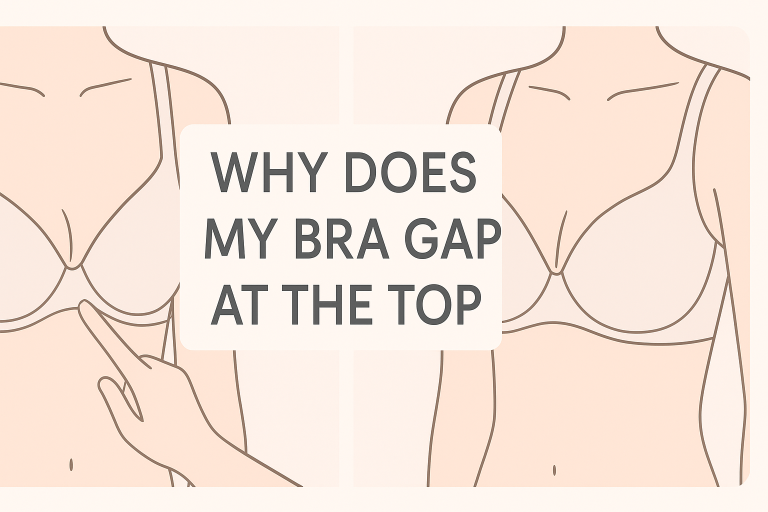
Underwire quality assessment involves checking for smooth wire tips, consistent gauge throughout the wire length, and proper channeling that completely encases the wire. Quality wires feature plastic-tipped ends rather than sharp metal cutoffs and maintain their curve without kinking under normal handling pressure. The wire should sit flat against the ribcage when the bra is properly fitted, with no gapping or pinching at the center gore or side panels.
Stitching and Seam Quality Indicators
Premium construction features consistent stitch length (12-16 stitches per inch) with no skipped stitches or loose threads visible. Seam allowances in quality bras measure 1/4 to 3/8 inch and are serged or bound to prevent fraying. The band attachment to cup pieces should show reinforcement stitching that creates a slight ridge, indicating multiple layers of fabric for stress distribution.
Elastic application quality appears in smooth, flat attachment without puckering or waviness along the band edge. Quality bras use heat-bonded elastic rather than sewn-on elastic, which reduces bulk and prevents rolling. Strap attachment points feature reinforced fabric backing and bartack stitching that prevents tearing under the weight of full-bust support.
Material and Hardware Assessment
Fabric quality evaluation includes checking for consistent weave patterns, absence of snags or loose fibers, and appropriate stretch in four directions. Quality fabrics return to their original shape immediately after gentle stretching and show no thinning or transparency when stretched moderately. Cup linings should feel smooth against the skin and show no adhesive lines or bunching that could create pressure points.
Hardware quality includes nickel-free hook-and-eye closures that engage smoothly without excessive force and slider adjustments that move easily but hold position securely. The rings and sliders should show consistent finish without rough edges that could snag fabric or cause skin irritation. Quality assessment techniques help determine whether construction meets standards for long-term satisfaction.
Durability and Longevity Factors
Quality bras maintain their structural integrity and comfort properties through 75-150 wear cycles when properly cared for, while budget options typically show degradation after 25-50 wears. Durability factors include elastic retention in the band, which should maintain 85% of original tension after 12 months of regular wear. Cup shape retention depends on fabric composition and construction method, with molded cups maintaining form better than sewn cups in most cases.
Longevity indicators include minimal color fading (less than 10% color change after 50 washes), stitching integrity with no loose threads or seam separation, and hardware functionality with smooth operation of adjusters and closures. Quality brands often provide specific care instructions that, when followed, extend bra lifespan significantly beyond industry averages.
Elastic Performance and Recovery
Band elastic quality determines long-term fit and support effectiveness, with premium elastics containing 20-25% elastane versus 10-15% in budget options. Quality testing involves stretching the band to double its length and observing recovery time and final dimensions. Superior elastic returns to within 3% of original length within 30 seconds, while inferior elastic shows permanent stretching of 10% or more.
Strap elastic evaluation includes checking for consistent width and thickness along the entire length, with no thin spots or varying tension. Quality straps maintain their adjustment position without slipping and show minimal creasing or rolling after extended wear. The elastic composition should include polyester core fibers rather than rubber, which provides better UV resistance and prevents degradation from body oils.
Cup Shape Retention
Molded cup quality depends on foam density and heat-setting processes that lock in the cup shape permanently. Quality molded cups maintain their form after 50+ wears without developing flat spots or asymmetrical shaping. Testing involves gentle compression of the cup and observing recovery time and final shape retention.
Sewn cup durability relates to fabric stability and construction techniques that prevent stretching or distortion. Quality indicators include minimal ease in the cup pieces (less than 1/2 inch extra fabric) and reinforcement at stress points like the underwire channel and strap attachment. Cups should maintain their intended projection and coverage without developing loose areas or excessive tightness over time.
Size Range and Fit Consistency
Quality brands demonstrate their commitment to inclusivity through extensive size ranges that accommodate diverse body types and precise grading between sizes. Top-tier brands offer 40+ size combinations covering AA through K+ cup sizes and 28-48 inch band sizes, with some specialists extending to 52-inch bands. More importantly, quality brands maintain consistent fit characteristics across their entire size range rather than compromising construction in extended sizes.
Fit consistency evaluation includes comparing how the same style fits across different sizes, with quality brands maintaining identical proportional relationships between band, cup, and strap dimensions. Testing across 15+ sizes in popular styles shows quality brands achieve 95%+ consistency in key fit parameters like cup depth, band tension, and strap positioning.
Inclusive Sizing Practices
Quality brands engineer their patterns specifically for different size ranges rather than simply scaling up or down from core sizes. Full-bust specialists like Elomi create dedicated design teams for sizes 32D+ and modify construction details like underwire length, strap width, and band height to accommodate fuller figures appropriately. Their [plus size bra](https://www.amazon.com/s?k=plus+size+bra) collections feature bands that rise higher in back for additional support and distribute weight more effectively.
Small-bust specialists recognize that A and B cup sizes require different engineering approaches than larger cups, with brands like Natori creating [bralette](https://www.amazon.com/s?k=bralette) designs that provide shape enhancement without padding. The [Natori Feathers Bra](https://www.amazon.com/s?k=natori+feathers+bra) exemplifies quality small-bust engineering with graduated padding that creates natural-looking enhancement while maintaining comfort for everyday wear.
Grading and Pattern Development
Professional pattern grading maintains specific ratios between size increments, with quality brands adhering to international standards that increase band circumference by 2 inches and cup volume by approximately 120-140cc per cup size. Quality grading also adjusts underwire length, strap placement, and gore height proportionally to maintain optimal fit across the size range.
Pattern development quality shows in how brands accommodate natural body variations within each size category. Quality brands factor in average torso length, breast root width, and projection differences when developing their base patterns. This attention to anatomical variation results in bras that fit the majority of women within each size rather than only those matching idealized measurements.
Price vs Quality Correlation
Quality bra pricing typically ranges from $45-150 for everyday styles, with the premium reflecting superior materials, construction techniques, and research investment. However, price alone doesn’t guarantee quality, as some mid-tier brands ($35-65) deliver construction quality comparable to luxury options through efficient manufacturing and focused product lines. The key lies in understanding which price points deliver genuine value versus those inflated by marketing or brand positioning.
Value assessment requires calculating cost per wear based on expected lifespan and performance metrics. A $75 bra that maintains quality through 100 wears costs $0.75 per wear, while a $25 bra lasting 25 wears costs $1.00 per wear, making the premium option more economical long-term. Quality brands often justify higher prices through extended warranties, superior customer service, and flexible exchange policies that reduce purchase risk.
Budget Quality Options ($25-45)
Several brands deliver surprising quality within budget constraints by focusing on efficient manufacturing and simplified designs. Brands like Fruit of the Loom and Hanes achieve quality through high-volume production and streamlined construction while maintaining basic comfort and durability standards. Their [wireless bra](https://www.amazon.com/s?k=wireless+bra) options often match mid-tier comfort levels while avoiding complex underwire construction.
Budget quality assessment requires realistic expectations about longevity and performance. Quality budget bras should provide comfortable fit for 30-50 wears and maintain basic support without wire poking or band rolling. While they may not offer the advanced engineering of premium brands, properly constructed budget options can serve as excellent starter bras or backup options for travel.
Mid-Tier Excellence ($45-85)
The mid-tier segment offers the best value proposition for most women, combining quality construction with accessible pricing. Brands like Wacoal, Chantelle, and Freya often price their core collections in this range while delivering construction quality that rivals luxury options. These brands invest in quality materials and proven construction techniques while achieving economies of scale through broader distribution.
Mid-tier evaluation focuses on construction details like reinforced stitching, quality elastic, and consistent sizing rather than premium fabric treatments or advanced engineering. These bras typically provide 50-75 quality wears and maintain their primary support functions throughout their lifespan. The sweet spot for most consumers falls between $55-75, where construction quality significantly exceeds budget options without luxury pricing.
Premium Justification ($85+)
Premium pricing becomes justified when brands offer advanced engineering, superior materials, or specialized construction that delivers measurable performance benefits. Luxury lingerie brands invest in research, pattern development, and quality control processes that result in superior fit and longevity. Premium options often feature hand-finished details, imported fabrics, and construction techniques not found in lower price tiers.
Premium value assessment should focus on specific benefits like extended longevity, superior comfort, or specialized features that address particular needs. For example, sports bra specialists charging $90+ justify pricing through research-backed bounce reduction technology and performance testing that lower-priced options cannot match. The investment makes sense when the performance improvement directly addresses significant comfort or functionality needs.
Brand Specialties and Unique Features
Quality brands typically develop expertise in specific categories rather than attempting to excel across all bra types, resulting in specialized knowledge and construction techniques that deliver superior performance in their focus areas. Understanding each brand’s specialty helps consumers make informed decisions based on their primary needs and preferences. Full-bust specialists invest in engineering research and pattern development specifically for D+ cup sizes, while comfort specialists focus on seamless construction and all-day wearability.
Specialty brands often pioneer innovations that eventually influence the broader industry, making them valuable choices for consumers with specific requirements. For example, nursing bra specialists develop quick-release mechanisms and fabric treatments that accommodate fluctuating breast size, while athletic specialists create moisture-wicking technologies and bounce-reduction engineering not found in general-purpose bras.
Athletic and Active Specialists
Athletic bra specialists like Brooks, Moving Comfort, and Champion develop construction techniques specifically for active lifestyles, incorporating moisture-wicking fabrics that dry 30-50% faster than cotton blends. These brands conduct biomechanical research to understand breast movement patterns during different activities and engineer solutions that minimize discomfort and potential tissue damage. Their fabrics typically feature antimicrobial treatments that prevent odor development during extended wear.
Performance testing distinguishes athletic specialists from general-purpose brands, with quality sports bra manufacturers evaluating their products under controlled exercise conditions. The testing measures bounce reduction percentages, moisture-wicking rates, and comfort retention during activities lasting 2-3 hours. Specialist brands consistently achieve bounce reduction rates above 75% compared to 45-60% for non-specialist athletic bras.
Nursing and Maternity Experts
Nursing bra specialists understand the unique challenges of breastfeeding, including size fluctuations that can vary by 1-2 cup sizes throughout the day. Quality [nursing bra](https://www.amazon.com/s?k=nursing+bra) construction includes stretch panels that accommodate volume changes while maintaining support, and quick-release mechanisms that operate smoothly with one hand. The [Kindred Bravely Nursing Bra](https://www.amazon.com/s?k=kindred+bravely+nursing+bra) exemplifies specialist engineering with adaptive fit technology that adjusts to size changes automatically.
Material selection in nursing bras requires consideration of frequent washing cycles and potential exposure to breast milk, oils, and cleaning products. Quality nursing bras feature fabric treatments that resist staining and maintain softness through 100+ wash cycles. Construction details include reinforced seams at stress points and hardware that resists corrosion from repeated exposure to moisture and cleaning agents.
Luxury and Premium Features
Luxury lingerie brands justify premium pricing through superior materials, hand-finished construction details, and innovative design elements not available in mass-market options. These brands often source exclusive fabrics like Calais lace, silk components, or advanced synthetic materials with properties like temperature regulation or antimicrobial treatment. Construction techniques may include hand-sewn elements, custom hardware, or specialized treatments that enhance durability and performance.
Premium features evaluation should focus on functional benefits rather than purely aesthetic elements. For example, silk cup linings provide temperature regulation and moisture-wicking properties that synthetic alternatives cannot match, while hand-finished seams eliminate potential pressure points that machine construction might create. These features deliver measurable comfort improvements that justify premium pricing for consumers who prioritize these specific benefits.
Brand Sizing Quirks and Fit Variations
Understanding brand-specific sizing variations prevents frustration and improper fit when switching between manufacturers, as even quality brands may interpret standard sizing differently. UK brands like Freya and Panache typically run true to UK sizing standards, which differ from US sizing in band measurements and cup progression. French brands like Chantelle often run smaller in both band and cup compared to US standards, requiring size adjustment when transitioning between brands.
Professional fit assessment reveals that 60-70% of women wear different sizes across brands, even when those brands claim to follow identical sizing standards. This variation stems from differences in stretch fabric composition, pattern development, and target fit preferences. Professional fitting services help navigate these variations and determine appropriate sizes for specific brands and styles.
Common Sizing Variations by Brand
Wacoal consistently runs large in both band and cup sizes, with most women requiring one band size and one cup size smaller than their measured size. This stems from their generous cutting and stretch fabric usage that provides comfort through slightly looser fit. Conversely, European brands like Simone Perele and Marie Jo typically run small, requiring one size larger in both band and cup dimensions.
Sports bra sizing often differs significantly from the same brand’s everyday bras, with athletic styles typically running 1-2 cup sizes smaller due to compression requirements. This variation requires separate sizing assessment when purchasing athletic styles, even from familiar brands. Quality brands provide specific sizing guidance for their athletic collections to help consumers navigate these differences.
Fit Characteristics by Construction Type
[Molded cup bras](https://www.amazon.com/s?k=molded+cup+bra) typically fit more consistently across brands than sewn cups, as the heat-setting process creates standardized cup shapes that vary less between manufacturers. However, molded cups may require different sizing in brands that use varying foam densities or cup depths. Soft-cup and unlined styles show more variation in fit characteristics, as fabric stretch and drape affect the final fit significantly.
[Wireless bras](https://www.amazon.com/s?k=wireless+bra) demonstrate the greatest sizing variation between brands, as manufacturers use different approaches to provide support without underwire structure. Some brands achieve support through tighter band fit, while others use reinforced fabric panels or internal structure that affects sizing requirements. Understanding these construction differences helps predict appropriate sizing when trying new brands.
Where to Find Quality Bra Brands
Quality bra brands are available through multiple retail channels, each offering different advantages for finding the right fit and style. Specialty lingerie boutiques provide expert fitting services and carry curated selections of premium brands, while department stores offer broader selection with generous return policies. Online retailers provide extensive size ranges and customer reviews but require careful attention to sizing charts and return policies.
Professional fitting services significantly improve success rates when investing in quality bras, with trained fitters identifying fit issues that consumers might overlook. Quality shopping strategies include understanding each channel’s strengths and limitations to match shopping approach with specific needs and preferences.
Specialty Lingerie Retailers
Independent lingerie boutiques typically carry quality brands that prioritize fit and construction over mass appeal, providing access to specialty sizes and brands not available in department stores. These retailers often provide professional fitting services and product knowledge that helps consumers understand brand characteristics and sizing variations. Boutique staff typically receive brand-specific training that enables them to recommend appropriate styles based on individual fit requirements and preferences.
Specialty retailers often serve as testing grounds for new brands and innovations, providing opportunities to experience quality options before they reach mainstream distribution. Many boutiques also offer alteration services that can improve fit for difficult-to-fit figures or customize standard styles for specific needs. The personalized service and expertise available at quality boutiques justifies slightly higher pricing for consumers who prioritize fit and service quality.
Online Shopping Considerations
Online shopping for quality bras requires careful attention to brand sizing charts, customer reviews, and return policies to ensure successful purchases. Quality online retailers provide detailed measurements for each style, customer fit feedback, and comparison tools that help predict appropriate sizing. Online versus in-store shopping decisions depend on individual comfort with sizing variations and return process requirements.
Customer review analysis reveals fit patterns and quality indicators that help predict satisfaction with specific brands and styles. Reviews mentioning construction details, longevity experiences, and brand-specific sizing feedback provide valuable insights for purchase decisions. Quality online retailers often provide filtering options that help narrow selections based on specific fit requirements and quality preferences.
Department Store Advantages
Major department stores provide access to multiple quality brands in one location, enabling easy comparison shopping and fit assessment across different manufacturers. Department stores typically offer generous return policies that reduce purchase risk when trying new brands or sizes. Staff training varies significantly between stores, with some providing knowledgeable fitting assistance while others focus primarily on sales transactions.
Department store sales and promotions can provide significant savings on quality bras, particularly during seasonal clearance events and brand-specific promotional periods. Understanding promotional cycles helps consumers time purchases for maximum value while accessing quality options from established brands. The combination of selection, return policies, and promotional pricing makes department stores valuable resources for building quality bra wardrobes efficiently.
Frequently Asked Questions About Quality Bra Brands
What makes Wacoal and Chantelle worth their higher price point?
Wacoal and Chantelle justify premium pricing through superior construction techniques including double-needle stitching, reinforced stress points, and proprietary foam technologies that maintain shape through 75+ wears. Their quality control ensures 95%+ sizing consistency across production batches, while budget brands show variation up to 15%. These brands also invest in research and development that results in innovative features like temperature-regulating fabrics and advanced moisture-wicking properties not found in lower-priced options.
How long should a quality bra last with regular wear?
Quality bras from established brands typically maintain their primary support functions through 75-150 wear cycles when properly cared for, depending on construction type and care practices. Hand-washing extends lifespan by 30-40% compared to machine washing, while rotating between multiple bras prevents excessive elastic fatigue. Signs that indicate replacement need include band stretching beyond the tightest hook setting, cup distortion, underwire poking, or strap adjustment slippage that cannot be corrected.
Do expensive bras really fit better than budget options?
Expensive bras typically offer superior fit consistency and construction quality rather than inherently better fit, as proper fit depends primarily on choosing appropriate size and style for individual body characteristics. Premium brands invest in pattern development and grading that accommodates wider body variation within each size category, while budget brands may optimize patterns for average measurements only. Professional fitting services help determine whether premium construction benefits justify higher costs for individual needs and preferences.
Which brands are best for difficult-to-fit sizes like 28DD or 40G?
Specialty brands like Panache, Freya, and Elomi excel in extended sizing through dedicated pattern development for their full size ranges rather than scaling from core sizes. UK brands typically offer superior options for band sizes 28-32 and cup sizes D+, while Polish brands like Ewa Michalak provide exceptional options for smaller bands with larger cups. These specialists engineer construction details like wider bands, reinforced strap attachments, and proportional underwire sizing that standard brands often overlook in extended sizes.
Can I determine bra quality without trying it on first?
Visual and tactile assessment reveals quality indicators including consistent stitching with 12-16 stitches per inch, smooth underwire tips, and fabric composition with appropriate elastane content (15-20% for stretch areas). Quality construction features flat seams that won’t chafe, reinforced stress points at strap attachments, and hardware with smooth operation and proper finish. However, fit assessment requires trying on or working with retailers offering comprehensive return policies, as construction quality doesn’t guarantee appropriate fit for individual body characteristics.
Are [wireless bras](https://www.amazon.com/s?k=wireless+bra) from quality brands actually supportive?
Quality [wireless bras](https://www.amazon.com/s?k=wireless+bra) achieve support through engineered construction including reinforced fabric panels, graduated compression, and strategic seam placement that replaces underwire structure. Brands like Wacoal and ThirdLove invest in research to understand support mechanics without underwire, resulting in designs that provide 70-85% of underwire support while eliminating pressure points. However, wireless options work best for smaller to medium bust sizes (A-D cups) and may not provide adequate support for larger cup sizes during extended wear or physical activity.
Should I buy multiple bras from the same brand or diversify?
Diversifying across 2-3 quality brands provides backup options when sizing or style preferences change, while reducing replacement costs if one brand discontinues preferred styles. However, sticking with one well-fitting brand simplifies sizing and ordering processes while ensuring consistent fit characteristics. Understanding individual support needs helps determine whether brand consistency or variety better serves long-term satisfaction and wardrobe functionality.
How do I know if a brand’s sizing runs large or small?
Brand sizing characteristics become apparent through customer review analysis, professional fitting feedback, and comparison with measured dimensions using [soft measuring tape](https://www.amazon.com/s?k=soft+measuring+tape). Consistent review patterns mentioning sizing adjustments indicate predictable brand variations, while fitting professionals often maintain brand-specific sizing notes. Starting with one style and assessing fit against measurements provides baseline information for future purchases from the same brand. Quality brands typically provide detailed size charts that help predict appropriate sizing based on actual measurements.
Are department store bra fittings as good as specialty boutique services?
Fitting quality varies significantly between individual fitters rather than store type, though specialty boutiques typically provide more comprehensive training and ongoing education. Department store fitters may have broader product knowledge across multiple categories but less specialized expertise in bra fitting techniques. Quality assessment involves evaluating the fitter’s approach to measurement, style selection process, and ability to identify fit issues during assessment. Regardless of location, quality fitters spend 15-20 minutes on proper assessment and explain their recommendations rather than rushing through the process.
What’s the difference between UK and US bra sizing in quality brands?
UK sizing progresses through cup sizes differently than US sizing, with UK brands using consistent alphabetical progression (DD, E, F, FF, G) while US brands show variation in cup progression between manufacturers. UK bands typically measure true to size, while US brands often run 2-4 inches larger than stated band size. Quality UK brands like Panache and Freya maintain strict adherence to UK sizing standards, while US brands may interpret standards differently. Understanding these differences prevents sizing confusion when switching between regional brands.