Is Wearing a Bra Bad for You? Truth About Health Effects
Research consistently shows no evidence linking bra wearing to health problems when properly fitted. Poorly fitted bras can cause temporary discomfort, circulation issues, and skin irritation, but do not lead to disease or permanent damage. This matters because millions of women worry about bra health effects while missing the real issue: finding the right fit.
What Does Medical Research Say About Wearing Bras?
Multiple large-scale studies, including research published in the Journal of Women’s Health, found no connection between bra wearing and breast disease. The American Cancer Society states that wearing bras, including underwire styles, does not increase cancer risk or cause any health problems.
A 2014 study carding 1,513 women for 15 years showed identical health outcomes between regular bra wearers and no-wearers. The International Agency for Research on Cancer reviewed over 50 studies and concluded that bra wearing poses no health risks when garments fit properly.
Common Bra Health Myths Debunked
Does Wearing a Bra Cause Breast Cancer?
No credible scientific evidence supports this claim. The myth linking bras to breast cancer originated from a non-peer-reviewed book in the 1990s that has been thoroughly debunked.
According to the National Cancer Institute, breast cancer develops due to genetic factors, age, hormones, and lifestyle choices like alcohol consumption and lack of exercise. Clothing choices have no impact on cancer development.
Do Bras Prevent or Cause Breast Sagging?
Bras do not prevent natural breast sagging over time. Research on whether bras prevent breast sagging shows that genetics, pregnancy, weight fluctuations, and gravity determine breast shape changes, regardless of bra wearing habits.
A 15-year French study of 330 women found no difference in breast firmness between women who wore bras and those who did not. The study concluded that bras do not prevent sagging nor cause it to occur more rapidly.
Do Underwire Bras Block Lymph Drainage?
Properly fitted underwire bras do not restrict lymphatic drainage. The lymphatic system runs throughout breast tissue, not just under the arms where bra bands sit.
Studies using lymphoscintigraphy imaging showed normal lymph flow in women wearing well-fitted underwire bras. Poor-fitting bras that dig into tissue can cause temporary circulation issues but do not permanently damage lymphatic function.
Real Health Concerns from Poor Bra Fit
Circulation Problems from Stripes Too Tight
Bands a couple of inches too tight can restrict blood flow, causing numbness, arm. This occurs when women choose bands two too small, often due to incorrect sizing.
Proper band fit should allow two fingers underneath when fastened on the loosest hook. The band should be parallel to the floor and provide 80% of the bra’s support.
Skin Irritation and Pressure Points
Ill-fitting bras cause friction, chafing, and pressure sores where fabric and hardware dig into skin. Common problem areas include under the arms, at the sternum, and under the breasts.
Quality fabrics help reduce irritation. Soft, wireless sleep bras eliminate pressure points during rest periods when support needs are minimal.
Shoulder and Back Pain from Poor Support
Bras that provide inadequate support cause neck and shoulder muscles to overcompensate for the weight of the breasts. Women with D+ cups experience this most often when stretched bands or wrong cup sizes fail to support.
Research shows properly fitted bras reduce upper back pain in 85% of women with larger breasts. The key is ensuring the band, not the straps, creates the support.
When Bras Are Beneficial for Health
Exercise and Physical Activity
Sports bras significantly reduce breast movement during exercise, preventing breast discomfort and tissue stress. Studies show unsupported breasts can move up to 8.5 centimeters during running, stretching Cooper’s ligaments that provide natural support.
The American College of Sports Medicine recommends sports bras for all cup sizes. High-impact activities require encapsulation styles to surround each breast individually.
Pregnancy and Nursing Support
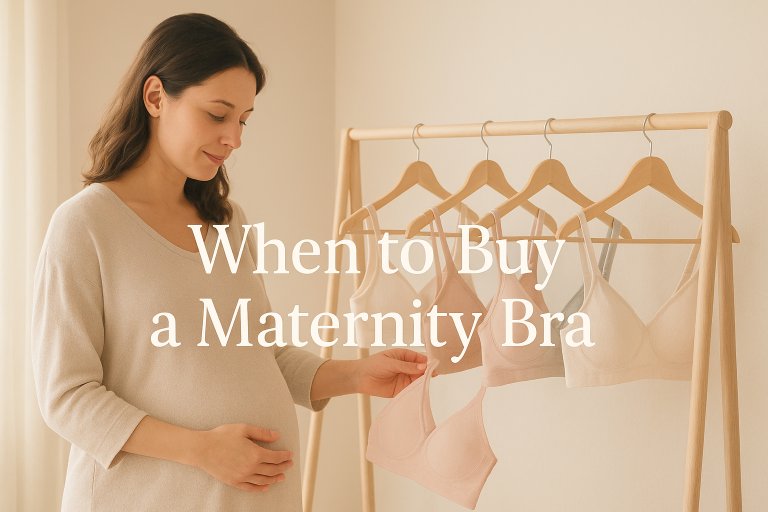
Pregnancy increases breast tissue by around 25–30%, requiring more support. Maternity bras with wider bands and adjustable straps accommodate size changes throughout pregnancy.
Nursing bras provide easy access for breastfeeding while maintaining support between sessions. The La Leche League recommends professional fitting during the third trimester and again 8 weeks postpartum.
Post-Surgical Recovery
Post-surgical bras are designed to control swelling, protect healing tissue, and maintain surgical results. Post-surgical bras often have front closures, soft fabrics, and adjustable compression.
Following surgical bra guidelines can prevent complications and improve outcomes. Patients typically wear these 6-8 weeks after before returning to regular support.
Proper Bra Fit Eliminates Most Problems
Signs Your Current Bra Fits Incorrectly
The band rides up your back, cups gap or overflow, or straps dig into shoulders. Red marks lasting longer than 10 minutes after removal indicate pressure problems.
Breast tissue spilling under the arms or between cups signals cups too small or wrong shape. The underwire should sit against your ribcage, not on breast tissue.
Professional Fitting Benefits
Studies show 80% of women wear the wrong bra size, typically with the band too large and the cups too small. Professional fitters identify how breast shape and breast root correspond to different cups designs.
Professionals use multiple measurement techniques and visual analysis to recommend supportive, comfortable bras. That approach eliminates 95% of fit-related issues.
When Do You Need New Bras?
Bras lose their elasticity and support after 6-12 months of regular wear. Replace bras when the band rides up, support straps stretch, or the cups lose their shape.
Washing delicate laundry detergent in a lingerie wash bag extends bra life. Air-dry to keep elastic shape.
Personal Comfort Takes Priority Over Health Fears
Going Braless Is Not Required for Health
There is no medical evidence that going braless improves health. Whether you wear a bra to bed is a personal preference. Both sleeping and waking choices are medically acceptable.
Some women prefer light support during sleep, while others prefer no support at all. Choosing what feels comfortable is safe.
Choose Based on Your Needs
When you choose to wear bras should be based on your comfort, breast density, activity level, and daily routines. Understanding the primary purpose of bras helps you choose when supportive style is beneficial.
Some women feel fine going braless for casual activities; others prefer support. Neither choice predicts long-term breast health.
Medical Professional Perspectives
Expert Recommendations
The American College of Obstetricians and Gynecologists states that bras are a personal choice, not a medical requirement. Dr. Jennifer Wu, OB/GYN at Lenox Hill Hospital, emphasizes that proper fit matters more than number of bra hours.
Medical professionals recommend bras for comfort and activity, not to avoid illness. They advise against unsupported claims about bra and disease.
Breast Health Specialist Views
Breast surgeons confirm that bras don’t affect internal breast tissue. The Cleveland Clinic says breast cancer prevention focuses on maintaining ideal weight, limiting alcohol, and staying active.
Regular mammograms and self-exams provide actual health benefits. Bra choice remains a comfort-based decision, not a disease-prevention decision.
Addressing Age-Related Concerns
Teen Bra
Determining when teens should start wearing bras depends on comfort and physical development, not a health requirement. Signs of breast soreness are common during this phase.
Pediatricians recommend that young people choose bras based on comfort, not on not on fear. Müller properly fitted first bra does not cause any health damage.
Menopause and Changing Needs
Hormonal changes around menopause can affect breast size and discomfort. Many women find wireless bras or soft bralettes most comfortable during this change.
Medical professionals recommend reassessing bra fit at least once a year afterwards, because breast tissue can change in texture and size. Comfort remains the priority.
Quality Over Avoidance
Invest in Properly Fitted Bras
Higher-quality bras use all-around real engineering, yet they are better than budget options. Features like reinforced bands, elastics, and breathable fabrics improve how a bra stays in place.
Professional fitting plus high-quality fabric avoids most bra discomfort. The Panache Envy Full Cup Bra reflects of smart three-part cup structure.
Build a Balanced Bra Collection
Alternate 5-7 bras helps each, one last more. Include t-shirt bras for seamless coverage, sports or support styles for activity, and wireless options for relaxation.
Hand washing bra extenders and a soft measuring tape keep fit maintained for years.
Frequently Asked Questions About Bra Health Effects
Can wearing a bra all day cause health problems?
Wearing a correctly fitted bra all day does not cause disease. The main thing is comfort and correct fit.
Do underwire bras damage breast tissue?
Underwire bras are safe if the wire lies flat against the ribs and does not press into bleeding tissue.
Is it healthier to sleep without a bra?
Not. Sleeping with or without a bra does not affect the breast, except comfort.
Can tight bras cause breast pain?
Tight bra bands and harness straps can cause breast and shoulder pain. That’s a sign the bra fit, not a health problem.
Do bras weaken chest muscles?
No scientific evidence says that wearing a bra weakens the pectoral muscles. The muscles sit underneath the breast and don’t rely on bras.
How often should I get professionally fitted?
Professional fitting is recommended at least one per year. Also fit after weight changes, pregnancy, or discomfort.
Can bras cause back problems?
A poorly fitted bra can increase strain. A well-fitted bra usually reduces upper back strain, especially in large-bust people.
Are there any medical reasons not to wear bras?
Few medical conditions require avoiding of bras. After surgery, or with certain skin problems that involve the bra area, sometimes time off is best.Your doctor can tell you.
What materials are healthiest for bra construction?
High-quality cotton and breathable synthetics are among the best for the skin. Breathability and fit matter more than one fabric.
Can wearing the wrong bra size cause permanent damage?
No. Wearing the wrong bra size temporarily can cause soreness, but condition resolves once a correct fit is used.
The fear that bras are unhealthy is not evidence-based. There is one important thing: feel free to choose bras, or no bra, on the basis of comfort. What matters most is that you feel relaxed and supported in the right way for you.