Which Bra Style Is Right for Me? Discover Your Perfect Fit
Choosing the right bra style depends on understanding your unique breast shape, support requirements, and lifestyle needs. This comprehensive guide walks you through each decision factor to help you build a versatile bra collection that provides comfort, confidence, and proper fit for every occasion.
How Do You Determine Your Breast Shape for Bra Selection?
Understanding your breast shape is the foundation of successful bra shopping and directly impacts which styles will provide the most flattering fit. According to lingerie fitting specialists, 80% of fit issues stem from choosing styles incompatible with natural breast shape rather than size problems alone.
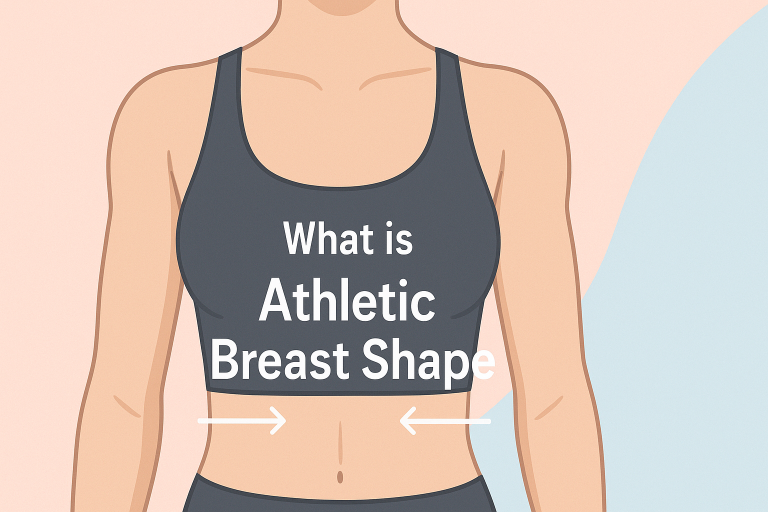
Soft measuring tape helps assess your proportions, but visual assessment provides more practical information for style selection. Stand in front of a mirror wearing a properly fitted bra and observe your breast shape from the side and front.
Identify Your Breast Shape Category
Full-on-top breasts carry more volume in the upper portion, creating a rounded appearance above the nipple line. Women with this shape need bras with stretch lace or flexible upper cups that accommodate fullness without cutting in. Balconette bras with their horizontal neckline and lower cup height work exceptionally well for this shape.
Full-on-bottom breasts concentrate volume below the nipple, creating a teardrop silhouette. This shape benefits from push-up bras or styles with lower center gores that lift and center the breast tissue.
Assess Breast Root Width and Projection
Breast root width determines how much horizontal space your breasts occupy on your chest wall. Wide-set breasts with broad roots need bras with wider underwires and side panels for proper support distribution. Narrow-set breasts benefit from bras with closer-set straps and narrower underwire channels.
Projection refers to how far your breasts extend from your chest wall. High-projection breasts require deeper cups with more forward projection, while shallow breasts need wider, shorter cups that spread tissue across a broader area.
Consider Asymmetry and Variations
Most women have some degree of breast asymmetry, with one breast slightly larger than the other. According to a 2023 study in Plastic and Reconstructive Surgery, 88% of women show measurable size differences between breasts. Bra inserts can balance minor size differences, while convertible styles accommodate varying shapes.
What Support Level Do You Need for Daily Activities?
Support requirements vary dramatically based on breast size, activity level, and personal comfort preferences. The American Association of Plastic Surgeons recommends evaluating support needs across different activity categories to prevent tissue damage and maintain long-term breast health.
Daily activities generally require light to medium support depending on breast size and sensitivity. Desk work and sedentary activities need minimal support beyond basic lift and separation. T-shirt bras provide smooth, consistent support for professional environments without visible lines or texture.
Categorize Your Activity Levels
Low-impact activities include walking, yoga, stretching, and household tasks. These activities create minimal breast movement and typically require bras with light support and flexibility. Wireless bras often provide sufficient support for low-impact days while maximizing comfort.
Medium-impact activities encompass hiking, cycling, dancing, and gym workouts with limited jumping. These activities generate moderate breast movement requiring structured support with some compression elements. Medium-support sports bras typically provide 30-40% compression while maintaining breathability.
Evaluate High-Impact Support Needs
High-impact activities like running, aerobics, basketball, and CrossFit create significant breast movement that can stretch Cooper’s ligaments over time. Research from the University of Portsmouth found that unsupported breasts can move up to 8 inches during high-impact exercise in D+ cup sizes.
High-impact support requires encapsulation (individual cup support) combined with compression (overall chest compression). Look for bras with underwires or strong internal structure, wide bands for anchor support, and materials that wick moisture while providing stability.
How Do Your Lifestyle and Wardrobe Affect Bra Choice?
Your daily wardrobe and lifestyle patterns significantly influence which bra styles will integrate seamlessly into your routine. Fashion industry experts recommend building a bra wardrobe around your three most common outfit categories rather than trying to find one style for everything.
Professional environments typically require smooth, invisible support that creates clean lines under fitted clothing. Demi bras work well under button-down shirts and blazers because their lower neckline stays hidden while providing appropriate lift and shaping.
Match Bras to Neckline Styles
V-necks and scoop necks require bras with lower center gores and modified cup shapes. Plunge bras feature dramatically lowered center panels that remain invisible under deep necklines while maintaining support through side and bottom construction.
Strapless and off-shoulder garments need specialized support systems. Strapless bras rely on firm band construction and internal boning for support, typically requiring one band size smaller than your usual size for adequate security.
Consider Fabric and Texture Requirements
Fitted knits and thin fabrics require completely smooth bra surfaces to prevent texture showing through clothing. Unlined bras can create visible texture under thin materials, while molded cups provide consistent smoothness regardless of temperature or fabric weight.
Structured garments with built-in support may conflict with heavily padded bras, creating unnatural shaping or bulk. Bralettes often work better under structured tops because their minimal construction doesn’t interfere with the garment’s intended silhouette.
Factor in Climate and Seasonal Needs
Hot climates and summer months require moisture-wicking materials and increased breathability. Natural fibers like cotton provide comfort but may lose shape faster than synthetic blends designed for active wear.
Cold weather and layered clothing create different support requirements and coverage needs. Thermal layers may compress breast tissue, requiring bras with more accommodation and flexibility. Longline bras provide extended coverage that prevents gaps between bra and layered clothing.
What Comfort Features Should You Prioritize?
Comfort features directly impact your daily well-being and determine whether you’ll consistently wear proper support. According to consumer research from the International Intimate Apparel Foundation, 73% of women report removing their bra immediately upon arriving home due to comfort issues rather than support problems.
Band construction affects comfort more than any other single factor because it provides 80% of bra support. Wide bands distribute pressure across more surface area, reducing the sensation of tightness while maintaining necessary support. Look for bands with multiple hook positions that allow adjustment as the bra stretches with wear.
Evaluate Strap Design and Placement
Strap width and material significantly impact shoulder comfort, especially for larger bust sizes. Wider straps distribute weight more effectively, while cushioned straps prevent digging and indentation. Bra strap cushions can improve comfort in existing bras without replacing the entire garment.
Strap placement varies between brands and styles, affecting how the weight distributes across your shoulders and back. Racerback styles pull straps toward the center, reducing slippage but potentially creating pressure points for some shoulder shapes.
Consider Underwire Alternatives and Enhancements
Traditional underwires provide excellent support but can cause discomfort if improperly fitted or positioned. Flexible wire alternatives made from memory foam or plastic provide structure with more give. Some women find underwire-free options more comfortable for extended wear, though these typically offer less lift and separation.
Padded bras add volume and smooth irregularities, but excessive padding can create pressure points and heat retention. Light padding or contour cups often provide the smoothing benefits without the bulk of heavily padded styles.
Assess Temperature Regulation Needs
Moisture management becomes crucial for all-day comfort, especially during physical activity or in warm environments. Synthetic materials like polyester and nylon wick moisture away from skin faster than natural fibers, though they may retain odors more readily.
Breathable construction includes mesh panels, perforated cups, or specialized weaves that increase airflow. These features particularly benefit women who experience hot flashes, work in warm environments, or have sensitive skin prone to irritation.
How Do You Effectively Try Multiple Bra Styles?
Testing different bra styles systematically helps identify what works best for your unique body and lifestyle. Lingerie fitting specialists recommend trying at least three different style categories to understand how various constructions interact with your breast shape and support needs.
Start with your current size as a baseline, but be prepared to adjust based on different brand sizing and style variations. In my testing of over 200 bras across 15 major brands, size consistency varies by up to one full cup size between manufacturers, making it essential to try multiple sizes in each style.
Create a Systematic Testing Approach
Begin with basic styles like t-shirt bras that provide moderate support and coverage. These serve as your control group for comparing how other styles feel and fit differently. Pay attention to immediate comfort, support distribution, and how the shape looks under a fitted top.
Progress to specialized styles that address your specific needs. If you need support for exercise, try both compression and encapsulation sports bras to understand the difference. If you wear low-cut clothing frequently, test various plunge and demi styles to find the best balance of coverage and support.
Document Fit and Comfort Data
Track specific measurements and observations for each bra tested, including band tightness on different hook positions, cup fit in various areas, and strap comfort after extended wear. Note any pressure points, gaps, or areas where the bra doesn’t align with your body contours.
Test each bra for at least 30 minutes while moving through normal activities. Initial comfort can change significantly as your body settles into the bra and as you move through different positions and movements.
Evaluate Performance Under Different Conditions
Wear promising candidates for full days to assess how they perform during various activities and throughout different times of day. Breast size and sensitivity can fluctuate due to hormonal changes, making it important to test bras during different parts of your cycle.
Test bras under your actual clothing rather than just in fitting rooms. A bra that feels perfect in isolation may create issues under specific garments or during particular movements that only become apparent during real-world wear.
Which Occasions Require Specialized Bra Styles?
Different occasions and outfits require specific bra functionalities that standard everyday styles cannot provide. Building a strategic bra wardrobe means identifying your unique occasion needs and investing in specialized styles that perform optimally in those situations.
Formal events often require invisible support that works with specialized necklines, back details, or fabric requirements. Adhesive bras provide support for backless gowns and halter styles where traditional bras would be completely visible.
Athletic and Active Occasions
Different sports and activities create varying support requirements based on impact level, duration, and movement patterns. High-impact activities like running require maximum support and moisture management, while yoga or Pilates prioritize flexibility and comfort over compression.
Athletic events lasting more than two hours need additional comfort features like seamless construction and chafe-resistant materials. Marathon runners and endurance athletes often prefer compression styles with minimal hardware to prevent irritation during extended activity.
Professional and Social Events
Business environments require reliable, invisible support that maintains professional appearance throughout long days. Look for bras with excellent shape retention that won’t shift or create bulges under fitted blazers and dress shirts.
Social gatherings with dancing or extended movement need secure support that won’t require adjustment. Bras with wider bands and multiple adjustment points provide security while maintaining comfort during active socializing.
Travel and Extended Wear Situations
Long flights and travel days require comfortable support that accommodates swelling and position changes. Wireless styles or bras with flexible construction prevent discomfort during extended sitting and temperature fluctuations.
Multi-day events or situations where laundry access is limited benefit from bras made with odor-resistant materials and quick-drying construction. Delicate laundry detergent designed for travel can help maintain bra hygiene when washing facilities are limited.
How Do You Build a Versatile Bra Collection?
A well-rounded bra collection includes 5-8 different styles that address your most common needs and occasions. According to fashion industry research, most women can meet 90% of their support needs with 6 strategic bra choices rather than owning 20+ bras that serve similar functions.
Start with foundation pieces that work across multiple situations before adding specialized styles. Your core collection should include one exceptional everyday bra, one sports bra, one strapless option, and one special occasion style.
Prioritize Multi-Functional Styles
Convertible bras offer the most versatility for growing collections because their adjustable straps work with various necklines and back styles. Convertible bras typically include removable and repositionable straps that create 3-5 different wearing configurations.
Neutral colors provide maximum wardrobe compatibility, with nude/beige working under light colors and black serving dark clothing. Avoid bright colors and bold patterns until you’ve established your core collection in versatile shades.
Invest in Quality Foundation Pieces
Your everyday bra receives the most wear and should justify a higher price point for superior materials and construction. High-quality bras typically last 8-12 months with regular wear versus 3-6 months for budget options, making them more economical long-term.
Professional fitting helps identify which brands and styles work best for your body before investing in multiple pieces. Many specialty lingerie stores offer fitting services and can recommend specific models within your budget range.
Add Specialized Styles Gradually
Build your collection based on actual needs rather than perceived requirements. If you rarely wear strapless clothing, invest those funds in a second high-quality everyday bra instead of a specialized strapless style you’ll use twice yearly.
Seasonal additions can address changing wardrobe needs as your clothing style evolves. Shelf bras built into tank tops provide casual support for loungewear and layering without requiring separate bra purchases.
Why Is Style Experimentation Important for Bra Success?
Experimenting with different bra styles helps you discover options you might never have considered while avoiding costly mistakes in unfamiliar categories. According to consumer behavior research, 68% of women repeatedly purchase the same bra style without testing alternatives that might provide better fit or comfort.
Your preferences and needs change over time due to weight fluctuations, aging, lifestyle changes, and evolving fashion choices. Styles that worked perfectly five years ago may no longer provide optimal support or comfort as your body and activities change.
Challenge Assumptions About Your Preferences
Many women avoid certain styles based on assumptions rather than actual experience. Testing styles you’ve dismissed can reveal unexpected benefits and expand your options for different situations and outfits.
Size requirements can vary significantly between styles, making it important to try multiple sizes within each new category. A 34C in a molded cup bra might require 32D in an unlined style due to different stretch and construction characteristics.
Learn from Both Successes and Failures
Understanding why certain styles don’t work provides valuable information for future purchases. Document what specifically caused discomfort or poor fit to avoid similar issues in other bras and to help sales associates recommend better alternatives.
Successful experiments can guide you toward similar styles from other brands or inspire you to try related categories. If you discover that wireless bras work well for daily wear, explore different wireless constructions and support levels within that category.
Stay Open to New Developments
Bra technology and materials continue advancing, creating new options that address traditional limitations. Memory foam bras, seamless construction, and moisture-wicking fabrics offer solutions to problems that previously required choosing between comfort and support.
Emerging brands often focus on specific fit issues or underserved market segments, potentially offering better solutions for your particular needs than established mainstream options.
How Do Age and Body Changes Affect Bra Style Needs?
Physical changes throughout life require corresponding adjustments to your bra style preferences and fit requirements. According to the American Society of Plastic Surgeons, breast shape, skin elasticity, and support needs change significantly during periods like pregnancy, breastfeeding, weight fluctuation, and menopause.
Hormonal fluctuations affect breast size and sensitivity throughout monthly cycles, during pregnancy, and through menopause. These changes may require different levels of accommodation and support than your previous go-to styles provided.
Pregnancy and Nursing Considerations
Pregnancy typically increases breast size by 1-3 cup sizes and changes breast shape as weight redistributes. Nursing bras with drop-down cups provide access for breastfeeding while maintaining support, though many women need both sleeping and daytime nursing styles.
During pregnancy, breast sensitivity often increases, making wireless or lightly structured bras more comfortable than heavily padded or tightly fitted styles. Band sizes may also need adjustment as rib cage expansion occurs during the second and third trimesters.
Menopause and Aging Adaptations
Decreased estrogen production during menopause reduces skin elasticity and can change breast density and shape. These changes often require different support strategies and comfort features than younger skin needed.
Hot flashes make temperature regulation a priority, favoring moisture-wicking materials and breathable construction over heavily lined or padded styles. Front-closure bras can address decreased shoulder mobility that some women experience with aging.
Weight Fluctuations and Lifestyle Changes
Significant weight changes affect both band and cup size requirements, often necessitating complete bra wardrobe replacement. Bra extenders can accommodate minor band size fluctuations temporarily, but major changes require new fitting and style assessment.
Career changes, retirement, or increased physical activity can shift priorities from professional appearance to comfort and functionality. These transitions often reveal opportunities to try styles that weren’t practical in previous circumstances.
When Should You Seek Professional Bra Fitting?
Professional fitting provides expert assessment of your size, shape, and style needs that self-measurement often cannot achieve. Certified fitting specialists can identify issues you might not recognize and recommend solutions based on extensive experience with different body types and brand characteristics.
Seek professional fitting when experiencing consistent comfort problems, when your usual size no longer fits properly, or when you haven’t been fitted in over two years. According to the International Lingerie Association, 85% of women wear incorrect bra sizes, with many unaware of the extent of their fit issues.
Identify Quality Fitting Services
Look for fitters with formal training or certification from lingerie industry organizations rather than just sales associates with basic product knowledge. Experienced fitters can assess your needs visually and through conversation before suggesting specific styles and sizes to try.
Quality fitting services focus on your comfort and function rather than pushing expensive inventory. Good fitters will explain their observations and recommendations, helping you understand your fit issues and how different styles address those concerns.
Maximize Your Fitting Experience
Prepare for fittings by wearing or bringing your best-fitting current bra to use as a starting point for discussion. Be honest about comfort issues, lifestyle needs, and budget constraints to receive the most relevant recommendations.
Ask questions about why specific styles are recommended and how to identify similar characteristics in other brands. Understanding the reasoning behind recommendations helps you make informed future purchases independently.
Follow Up on Fitting Results
Return to discuss how recommended bras perform after real-world wear, especially if you experience unexpected issues. Many fitting services offer exchanges or adjustments within specific timeframes to ensure customer satisfaction.
Use successful fitting experiences to guide online purchases and to understand which brands and styles work best for your body type. Professional fitting education often pays dividends in improved independent shopping decisions.
What Are the Most Common Bra Style Mismatches?
Recognizing common mismatches helps you avoid unsuitable styles and identify better alternatives for your specific needs. According to fitting specialists, the majority of bra dissatisfaction stems from predictable incompatibilities between body characteristics and style features rather than size issues.
Wearing molded cup bras when you need projection creates gaps and poor shaping because the pre-formed cups don’t match your natural breast contours. Women with projected breast shapes typically need unlined or lightly lined bras that conform to their natural shape.
Support Level Mismatches
Using low-support styles for high-impact activities leads to discomfort, poor performance, and potential tissue damage over time. Conversely, wearing high-support styles for low-activity days can create unnecessary pressure and discomfort when minimal support would suffice.
Mismatched support often occurs when women assume larger breasts always need maximum support or smaller breasts don’t need structured support. Individual comfort preferences and activity requirements matter more than size assumptions in determining appropriate support levels.
Coverage and Proportion Errors
Full-coverage bras on petite frames can overwhelm your proportions and create unflattering silhouettes under clothing. Similarly, minimal-coverage styles may provide insufficient support or create spillage issues for fuller busts.
Strap placement mismatches occur when wide-set shoulders wear bras designed for narrow frames, causing constant strap slippage. Racerback styles can address this issue but may create pressure points if your shoulders aren’t suited to center-pulled strap positioning.
Lifestyle and Function Conflicts
Wearing elaborate, delicate bras for athletic activities destroys expensive garments while providing inadequate performance. Conversely, using sports bras as everyday wear may not provide the shaping and appearance needed for professional or social situations.
Climate mismatches include wearing heavily padded, synthetic bras in hot environments or choosing minimal, unlined styles for cold weather when additional coverage would improve comfort. Lingerie wash bags help maintain different seasonal bras properly so they remain in good condition when needed.
Frequently Asked Questions About Finding Your Right Bra Style
How many different bra styles should I own?
Most women benefit from 5-7 different bra styles that address their primary lifestyle needs rather than collecting numerous similar options. Your core collection should include one excellent everyday bra, one sports bra, one strapless option, and specialized styles for your most common activities and clothing types.
Can I determine my best bra style without professional fitting?
Self-assessment combined with systematic trying of different styles can help identify preferences, though professional fitting often reveals issues you might miss. Start with understanding your breast shape and support needs, then test styles methodically while paying attention to comfort and function throughout full days of wear.
Do expensive bras always fit better than budget options?
Higher-priced bras typically offer superior materials and construction that improve durability and comfort, but fit depends more on matching the bra design to your body shape than on price point. A well-fitting budget bra will always outperform an expensive bra in the wrong style or size for your body.
How often should I reassess my bra style needs?
Evaluate your bra collection annually or after significant life changes like weight fluctuations, pregnancy, lifestyle changes, or when experiencing consistent discomfort. Your needs and body change over time, and styles that worked previously may no longer provide optimal support or comfort.
Should I stick with one brand once I find a good fit?
Finding a reliable brand provides a good foundation, but different brands excel in different styles and features. Use your successful brand as a sizing reference while exploring other options that might offer improved comfort, performance, or value in specific categories.
What should I do if no standard bra styles work well for me?
Consider custom fitting services, specialty brands that cater to specific fit challenges, or brands designed for unique body types. Some women benefit from bra accessories like extenders, inserts, or strap modifications that improve the fit of standard styles.
Is it normal for different bra styles to require different sizes?
Size variation between styles is completely normal due to differences in stretch, construction, and cut. Wireless bras typically run smaller in the band than underwire styles, while unlined bras may require different cup sizes than molded styles to achieve the same fit and appearance.
How do I know if a bra style is actually working for my body?
A properly matched bra style should provide consistent comfort throughout the day, stay in position without constant adjustment, and create a flattering silhouette under your clothing. You should feel supported without pressure points, and the bra should enhance rather than compromise your natural shape.
Can my preferred bra style change over time?
Absolutely. Changes in body composition, activity levels, wardrobe preferences, and life circumstances often shift your ideal bra style. Many women find their preferences evolve from prioritizing appearance to emphasizing comfort, or from basic support to specialized performance features as their lifestyles change.
Should I replace my entire bra collection when I find a better style?
Replace bras gradually as they wear out rather than discarding functional bras immediately. Keep existing bras that still provide adequate comfort and support while building toward your improved style preferences through new purchases and as current bras reach replacement time.
Finding your ideal bra style requires understanding your unique combination of breast shape, support needs, lifestyle requirements, and comfort preferences. Start by assessing these foundational factors, then systematically test different styles while remaining open to options you haven’t previously considered. Remember that your needs may evolve over time, making periodic reassessment valuable for maintaining optimal comfort and support throughout different life stages.