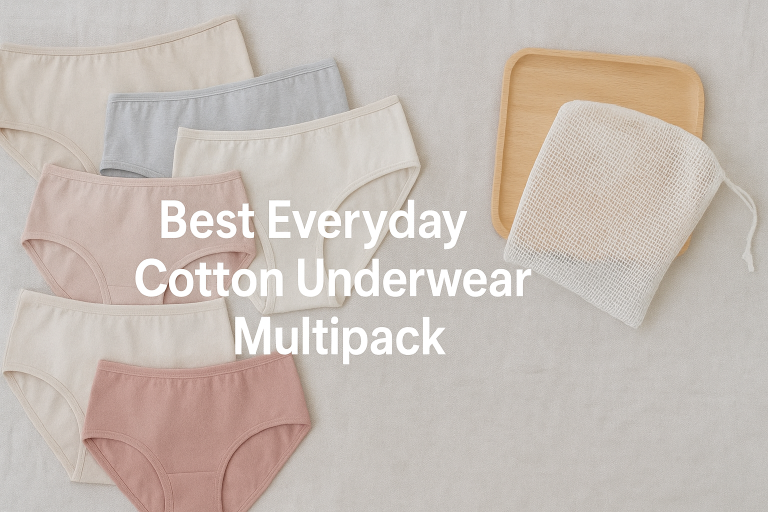
What Is a Disposable Panty? Essential Uses & Selection Tips

A disposable panty is a single-use underwear garment made from lightweight, non-woven fabric designed to be worn once and discarded. These disposable panties serve a practical purpose for travel, post-surgical recovery, spa visits, and situations where laundering is inconvenient or impossible. By the end of this guide, you will understand exactly what disposable panties are made from, when to use them, and how to choose the right type for your specific need.

What Is a Disposable Panty and How Does It Work

A disposable panty is a brief-style underwear garment constructed from non-woven polypropylene, spunbond fabric, or soft paper-based material intended for one-time use. Unlike traditional cotton underwear, disposable panties require no washing, no drying, and no packing for the return trip.

The garment works by providing basic coverage and hygiene protection for a single wear period, typically 8 to 24 hours. Most styles are designed to fit a range of body sizes through stretch construction or universal sizing panels.

What Disposable Panties Are Made From

Disposable panties are manufactured from non-woven polypropylene fabric, spunlace (hydroentangled) fabric, or soft paper composites bonded without weaving. Non-woven polypropylene is the most common base material because it is lightweight (typically 18 to 30 grams per square meter), breathable, and cost-effective to produce at scale.

Higher-quality disposable panties use spunlace fabric, which is softer against skin because water jets bond the fibers rather than chemical adhesives. According to material specifications from leading nonwoven fabric manufacturers, spunlace constructions achieve a fabric weight between 40 and 60 grams per square meter, making them noticeably more substantial than basic polypropylene options.

How Disposable Panties Differ from Regular Underwear

Regular underwear is constructed from woven or knit fabrics (cotton, nylon, modal, or blends) designed for repeated laundering, with elastic waistbands rated for hundreds of wash cycles. Disposable panties use heat-sealed or glued seams rather than sewn seams, which is why they cannot withstand washing without disintegrating.

The elastic in disposable underwear is rated for single-day tension only, not repeated stretching and recovery. This is a deliberate design choice, not a manufacturing limitation, because the entire garment is engineered around the single-use lifecycle.

Understanding what separates disposable panties from regular underwear helps you decide when a disposable option genuinely serves your needs better than packing extra pairs.

Types of Disposable Panties Available

Disposable panties fall into five distinct categories based on their intended use, fabric construction, and coverage design. Selecting the correct type directly affects comfort, hygiene, and value for your specific situation.

Standard Travel Disposable Panties

Standard travel disposable panties are brief or bikini-cut garments made from lightweight non-woven polypropylene, typically packaged in individually wrapped sets of 5 to 10 pairs. These travel disposable underwear options weigh between 3 and 8 grams per pair, making them negligible in luggage weight calculations.

Most travel disposable panties use a one-size-fits-most construction with a stretch waistband rated to fit hip measurements from 30 to 46 inches. Brands such as Medline and Medpride produce travel-grade options that retail between $0.50 and $1.50 per pair in bulk packs.

Key Specifications:

  • Fabric weight: 18 to 30 grams per square meter (non-woven polypropylene)
  • Size range: One-size or S/M/L/XL options
  • Hip coverage: Brief or bikini cut
  • Packaging: Individually wrapped or bulk-rolled
  • Price per pair: $0.50 to $1.50 in packs of 10 or more

Post-Surgical and Medical Disposable Panties

Post-surgical disposable panties are specifically designed for use after gynecological procedures, childbirth, or abdominal surgery where traditional elastic waistbands would press against incision sites or sensitive tissue. These garments feature softer spunlace fabric rated at 40 to 60 grams per square meter, with low-profile waistbands positioned below typical incision lines.

According to clinical guidelines published by the Association of Women’s Health, Obstetric and Neonatal Nurses (AWHONN), postpartum patients benefit from underwear that avoids pressure on the perineal area during the first 6 weeks after vaginal delivery. Hospitals routinely stock mesh postpartum underwear and spunlace disposable briefs for this reason. These postpartum disposable underwear options are available in sizes S through 3X to accommodate postpartum body changes.

Key Specifications:

  • Fabric weight: 40 to 60 grams per square meter (spunlace)
  • Size range: S through 3XL
  • Waistband height: Low-profile, below navel positioning
  • Compatibility: Designed to hold maternity pads and postpartum ice packs
  • Price per pair: $1.00 to $3.00 for medical-grade options

Spa and Salon Disposable Panties

Spa and salon disposable panties are thong or G-string cut garments used during spray tanning, waxing, massage, and body treatment services. The minimal fabric coverage is intentional so technicians can access skin surfaces without removing the garment entirely.

Spa-grade disposable thongs use non-woven fabric with paper-style softness and typically weigh 2 to 4 grams per pair. Packaging is standardized for professional settings: bulk boxes of 50 to 200 individually folded pairs. These disposable spa thongs retail between $0.20 and $0.60 per unit in professional-quantity packs.

Key Specifications:

  • Cut: Thong or G-string
  • Fabric weight: 15 to 25 grams per square meter
  • Size: One-size-fits-most (30 to 44 inch hip)
  • Packaging: Bulk boxes of 50 to 200 units
  • Price per unit: $0.20 to $0.60

Menstrual and Incontinence Disposable Panties

Menstrual and incontinence disposable panties incorporate an absorbent layer directly into the garment, functioning as a combined underwear and pad in a single piece. The absorbent core typically uses superabsorbent polymer (SAP) or fluff pulp bonded between non-woven layers, providing absorption capacity of 30 to 120 milliliters depending on the product design.

These all-in-one garments eliminate the need for a separate menstrual pad or incontinence liner. Brands such as Always Discreet and Prevail produce incontinence versions rated by the National Association for Continence (NAFC) for light to moderate urinary leakage. These disposable period underwear options retail between $2.50 and $5.00 per pair.

Key Specifications:

  • Absorption capacity: 30 to 120 milliliters
  • Core material: Superabsorbent polymer or fluff pulp
  • Size range: S through 3XL
  • Odor control: Activated carbon or baking soda layer in premium versions
  • Price per pair: $2.50 to $5.00

Biodegradable and Eco-Friendly Disposable Panties

Biodegradable disposable panties use organic cotton, bamboo fiber, or plant-based non-woven fabrics in place of petroleum-derived polypropylene. These garments are certified compostable under standards such as ASTM D6400 or EN 13432, meaning they break down in industrial composting conditions within 90 to 180 days.

Conventional non-woven polypropylene panties take an estimated 20 to 30 years to degrade in landfill conditions, according to material degradation data from the European Nonwovens Industry Association. Biodegradable alternatives typically cost 30 to 60 percent more per unit, ranging from $1.50 to $4.00 per pair, but produce significantly lower long-term environmental impact. These biodegradable disposable underwear options are the responsible choice for frequent travelers who use disposables regularly.

Choosing the right type of disposable panty before you buy prevents wasted spending on a style that does not match your actual situation.

When to Use Disposable Panties

Disposable panties are most useful in seven specific situations where convenience, hygiene, or medical necessity makes single-use underwear a genuinely practical solution. Using them outside these scenarios usually means spending more than necessary on a product you do not need.

Travel and Long-Haul Flights

Disposable panties reduce luggage weight on extended trips by eliminating the need to pack multiple pairs of regular underwear for the outbound journey. A 10-day trip requires 10 to 14 pairs of underwear for daily changes. Ten pairs of travel disposable underwear weigh approximately 40 to 80 grams total, compared to 300 to 500 grams for 10 pairs of cotton underwear.

This weight difference matters for carry-on-only travelers and airline baggage weight limits, which are typically 7 to 10 kilograms for carry-on and 20 to 23 kilograms for checked bags on major carriers.

Post-Surgical Recovery at Home

Gynecological procedures including hysterectomy, laparoscopy, C-section delivery, and pelvic floor repair require underwear that avoids friction against incision sites for the first 2 to 6 weeks of recovery. Disposable panties allow patients to discard blood-stained or discharge-stained garments without laundry effort, which is particularly important when post-surgical activity restrictions limit bending, lifting, and reaching.

The American College of Obstetricians and Gynecologists (ACOG) recommends avoiding tight waistbands near abdominal incisions for at least 6 weeks post-operatively. Medical-grade disposable briefs with flat, low-profile waistbands are specifically designed to meet this requirement.

Postpartum Recovery in Hospital and at Home

Postpartum patients produce lochia (uterine discharge) for 4 to 6 weeks after delivery, requiring underwear that can be discarded frequently. Hospital-issued mesh underwear is a form of disposable panty, and many patients continue using spunlace disposable briefs at home during the first 2 weeks when lochia is heaviest (typical volume: 250 to 500 milliliters in the first 24 hours, decreasing progressively over 4 to 6 weeks).

These postpartum mesh underwear options accommodate postpartum pads, ice packs, and perineal cooling inserts simultaneously without the discomfort of tight elastic against tender tissue.

Spa, Waxing, and Tanning Services

Professional waxing, spray tanning, body wraps, and massage treatments require clients to undress partially or fully. Disposable spa thongs allow technicians to provide thorough coverage during spray tanning without staining the client’s personal underwear with tanning solution (which permanently stains most fabrics).

Most professional spas and waxing studios provide complimentary disposable thongs for these services. Clients who prefer a specific size or style can bring their own disposable spa thong underwear for a more comfortable fit.

Emergency Preparedness and Camping

Emergency preparedness kits (recommended by FEMA to include 72-hour supplies) benefit from including 3 to 5 pairs of disposable underwear per person because standard underwear requires water for laundering, and water is a scarce resource during extended power outages or natural disasters.

Camping and backpacking scenarios with limited access to water for laundry similarly benefit from a small supply of disposable panties, particularly on trips longer than 5 days where pack weight and hygiene are both concerns.

Menstrual and Light Incontinence Management

Absorbent disposable panties combine the functions of underwear and a pad for light menstrual days, overnight use, or light urinary incontinence (defined by the International Continence Society as leakage of 1 to 10 milliliters per episode). These all-in-one garments eliminate pad shifting and bunching because the absorbent layer is permanently integrated into the garment.

These absorbent disposable underwear options are available in discreet, underwear-like cuts that are not visually distinguishable from regular briefs under clothing.

Identifying your specific use case before purchasing ensures you select the fabric weight, cut, and absorption level that actually solves your problem.

How to Choose the Right Disposable Panty

Choosing the right disposable panty requires matching four variables: fabric type, size range, cut style, and absorption level to your specific situation. Getting any one of these wrong results in discomfort, inadequate coverage, or wasted spending.

Fabric Type Selection by Use Case

Non-woven polypropylene fabric is sufficient for basic travel, spa, and emergency use where skin sensitivity and wear duration are not primary concerns. Spunlace fabric is necessary for post-surgical and postpartum use because its softer fiber structure reduces friction against sensitive or healing skin.

Use the table below to match your primary use case to the correct disposable panty fabric type.

Use CaseRecommended FabricMinimum Fabric WeightTypical Wear DurationApproximate Cost Per Pair
Travel and packing lightNon-woven polypropylene18 to 25 g/sqmUp to 24 hours$0.50 to $1.50
Post-surgical recoverySpunlace (hydroentangled)40 to 60 g/sqm6 to 12 hours$1.00 to $3.00
Postpartum (hospital and home)Spunlace or soft mesh40 to 60 g/sqm6 to 8 hours$1.00 to $3.00
Spa and tanning servicesNon-woven paper composite15 to 20 g/sqm1 to 3 hours$0.20 to $0.60
Menstrual or incontinenceNon-woven with SAP core50 to 80 g/sqmUp to 12 hours$2.50 to $5.00
Eco-conscious useOrganic cotton or bamboo non-woven40 to 60 g/sqmUp to 24 hours$1.50 to $4.00

As the table shows, post-surgical and postpartum applications require substantially heavier fabric weights than travel or spa use, and the price difference reflects this added construction.

Sizing Disposable Panties Correctly

Disposable panties are sized by hip circumference, not by the dress size system used for most clothing. Measuring your hip circumference at the fullest point (typically 7 to 9 inches below the waist) with a flexible tape measure gives you the number to match against the product’s sizing chart.

Sizing typically follows this standard range across major disposable panty brands:

  • Small: 28 to 34 inch hip circumference
  • Medium: 34 to 40 inch hip circumference
  • Large: 38 to 44 inch hip circumference
  • X-Large: 44 to 50 inch hip circumference
  • 2X-Large: 48 to 56 inch hip circumference
  • One-Size-Fits-Most: 30 to 46 inch hip circumference

Sizing up by one size is recommended for post-surgical and postpartum use because swelling and bloating can increase hip and waist measurements by 2 to 4 inches during recovery.

Here is a quick reference for selecting between standard and plus-size disposable panty options based on hip measurement.

Sizing Reference

Disposable Panty Size by Hip Measurement and Use Case

All values pre-calculated from standard brand sizing charts. Find your hip measurement row and select the column for your use case.

Hip CircumferenceTravel UsePost-Surgical UsePostpartum Use
28 to 34 inchesSmallSmall or MediumMedium (size up)
34 to 40 inchesMedium (most common)Medium or LargeLarge (size up)
40 to 46 inchesLargeLarge or XLXL (size up)
46 to 52 inchesXLXL or 2XL2XL (size up)
52 to 60 inches2XL2XL or 3XL3XL (size up)

Post-surgical and postpartum sizing recommendations are sized one step up from standard travel use to account for swelling, bloating, and pad accommodation. Highlighted row represents the most common hip measurement range among adult women, based on CDC anthropometric data (mean female hip circumference: 40.7 inches).

Cut Style Selection

Disposable panties are available in four primary cuts: brief, bikini, thong, and boyshort. Brief cut is the most widely available and provides full front and rear coverage suitable for medical, postpartum, and menstrual applications. Thong cut minimizes coverage and is used almost exclusively in spa and tanning contexts.

Bikini cut falls between brief and thong, offering moderate coverage with a lower waistband that sits at or below the hip bones. Boyshort cut provides the most coverage and is preferred for postpartum use where the extended rear panel reduces friction against postpartum hemorrhoid tissue, which affects up to 38 percent of postpartum women according to research published in the Journal of Midwifery and Women’s Health.

Matching fabric type, size, and cut to your situation eliminates the trial-and-error that wastes money on products that fit poorly or serve the wrong purpose.

Disposable Panties vs Regular Underwear: When Each Makes Sense

Disposable panties are not a replacement for regular underwear in everyday life. They are a specialized tool that outperforms regular underwear in specific, time-limited situations where their single-use design is genuinely advantageous.

Cost Comparison Over Time

A pack of 10 travel-grade disposable panties costs $8 to $15, putting the per-unit cost at $0.80 to $1.50. A pack of 6 quality cotton briefs (such as those from Hanes or Fruit of the Loom) costs $12 to $20 and can be laundered approximately 300 times before elastic degradation, bringing the effective cost per wear to $0.007 to $0.011.

Use the table below to compare total cost scenarios for disposable versus regular underwear across different usage situations.

ScenarioDisposable Panty CostRegular Underwear CostBetter ValuePrimary Reason
7-day trip (1 pair daily)$5.60 to $10.50$0.05 to $0.10 (existing pairs)Regular underwearExisting inventory has near-zero marginal cost
7-day trip (carry-on only, weight critical)$5.60 to $10.50$14 to $24 (7 pairs packed)Disposable pantiesNo need to pack, wash, or carry back
2-week postpartum recovery$14 to $42$0 (existing) or $12 to $20 (new)Disposable pantiesNo laundry effort, discarded when soiled
Daily wear for 1 year$292 to $548$12 to $20 (6 pairs, full year)Regular underwear strongly365x cost difference with no benefit
Spa visit (spray tan)$0.20 to $0.60$2 to $8 (replacement if stained)Disposable pantiesTanning solution permanently stains fabric

The data above shows clearly that disposable panties provide cost value only in specific scenarios where their disposability creates a functional advantage, not as a general underwear substitute.

Comfort Comparison by Duration

For wear durations under 8 hours, spunlace disposable panties (fabric weight 40 to 60 grams per square meter) are comparable in comfort to mid-quality cotton underwear for most women. For wear durations exceeding 8 hours, regular cotton underwear outperforms disposables because cotton’s moisture-wicking properties (cotton absorbs up to 27 times its weight in water, according to the Cotton Incorporated Fiber Competitiveness Research program) significantly exceed the moisture management of non-woven polypropylene.

Non-woven polypropylene is hydrophobic (water-repelling) by nature, which means perspiration sits on the fabric surface rather than being drawn away from skin during extended wear. This is acceptable for short-duration use but contributes to skin irritation over full-day wear periods exceeding 12 hours.

Knowing precisely how long you will wear a disposable panty helps you decide whether the comfort tradeoff is acceptable for your situation.

Disposable Panty Brands and Products Worth Knowing

The disposable panty market includes medical-grade manufacturers, travel brands, and spa supply companies. Understanding which manufacturers produce which quality levels prevents purchasing a spa-grade product for post-surgical use or overpaying for medical-grade fabric for a weekend trip.

Medical and Postpartum Grade Brands

Medline Industries produces disposable briefs under the Medline and Comfort brand names, rated for medical facility use with spunlace fabric weights of 45 to 60 grams per square meter. Medpride manufactures similar disposable underwear used in hospital postpartum units and available for individual purchase in packs of 25.

Always Discreet (Procter and Gamble) and Prevail (First Quality Enterprises) produce absorbent disposable underwear specifically engineered for light to moderate urinary incontinence, with absorption cores rated at 30 to 120 milliliters. These brands are recommended by the National Association for Continence (NAFC) and retail through major pharmacies at $9 to $18 for packs of 8 to 12 units. These Always Discreet disposable underwear and Prevail incontinence underwear options are widely stocked and available in multiple absorbency levels.

Travel Grade Brands

Hanes and Fruit of the Loom produce travel-format disposable underwear in non-woven polypropylene, packaged in individual sealed pouches for hygiene. These options retail at $8 to $12 for packs of 10, with size ranges from small through extra-large.

Lavexperts and Womdee manufacture travel disposable panties in both brief and bikini cuts at a lower price point ($5 to $8 for 10 pairs), using 20 to 25 grams per square meter polypropylene. These are adequate for single travel days but are not recommended for extended post-surgical or postpartum use due to lower fabric softness.

Spa and Professional Grade Brands

Clean + Easy and Starpil supply professional spa and waxing studios with disposable non-woven thongs in bulk packs of 50 to 200 units. These are designed exclusively for service-session use (1 to 3 hours) and retail at $12 to $35 for 100-unit packs. Individual consumer packs of these disposable thong underwear are available in 10 to 20 count packs for personal spa use at home.

Selecting a brand matched to your use case ensures you get the right fabric quality at the right price point rather than overpaying for medical-grade softness on a trip or using a flimsy spa thong for postpartum recovery.

Environmental Impact of Disposable Panties

Disposable panties made from conventional non-woven polypropylene contribute to plastic waste because polypropylene is a petroleum-derived polymer that does not biodegrade within a human lifetime under landfill conditions. A single pair of conventional disposable underwear adds approximately 3 to 8 grams of non-biodegradable material to landfill waste per use.

How Long Disposable Panties Take to Break Down

Non-woven polypropylene fabric fragments into microplastic particles over an estimated 20 to 30 years in landfill conditions, according to degradation data from the Ellen MacArthur Foundation’s report on plastics in the textile industry. These microplastic fragments are smaller than 5 millimeters and can leach into groundwater systems during this degradation process.

By contrast, organic cotton non-woven fabric degrades within 6 to 12 months in industrial composting conditions and within 1 to 5 years in natural soil, based on textile degradation research published in the journal Waste Management. This represents a 30 to 150 times faster degradation rate compared to polypropylene.

Biodegradable Alternatives and Certifications to Look For

Certified biodegradable disposable panties carry one or more of these verifiable certifications: ASTM D6400 (US industrial compostability standard), EN 13432 (European industrial compostability standard), or OEKO-TEX Standard 100 (certifying the fabric contains no harmful chemical substances). These organic cotton disposable underwear options cost 30 to 60 percent more per pair than conventional polypropylene versions but generate substantially less environmental impact for regular users.

For travelers who use disposable panties on every trip or patients who use them through extended recovery periods, switching to certified biodegradable options meaningfully reduces total plastic waste without any change in how the product is used.

If you use disposable panties regularly, choosing a certified biodegradable option is the single most impactful change you can make to reduce your footprint from this product category.

How to Dispose of and Store Disposable Panties

Conventional disposable panties go into general household waste (trash, not recycling) because non-woven polypropylene and blended fabric composites are not accepted in residential recycling streams. Placing disposable underwear in recycling bins contaminates the recycling load and results in the entire batch being sent to landfill anyway.

Proper Disposal After Use

Used disposable panties, especially post-surgical, postpartum, or incontinence versions that have absorbed body fluids, should be rolled and sealed in a small plastic bag before disposal to prevent odor and hygiene concerns in shared waste bins. Hospital facilities use designated biohazard bins for soiled garments, but home users can use a small zip-lock bag or the panty’s original packaging wrapper as a disposal sleeve.

Biodegradable disposable panties certified to ASTM D6400 or EN 13432 require industrial composting facilities to break down properly. They cannot be composted in home compost bins due to the temperature requirements (minimum 131 degrees Fahrenheit for 3 days, per ASTM D6400 standards), so they still go to general waste unless your municipality offers industrial composting collection.

Storage Before Use

Unopened disposable panties in original packaging store at room temperature (59 to 86 degrees Fahrenheit) for 2 to 5 years without degradation, depending on the manufacturer’s stated shelf life. High humidity above 80 percent relative humidity can compromise the elastic and heat-sealed seams over time, so storage in bathroom cabinets directly adjacent to showers is not recommended for long-term stockpiling.

Emergency preparedness kits with disposable panties should be rotated every 2 to 3 years to ensure the elastic and seam integrity remain functional. Travel packs in sealed individual pouches maintain freshness and hygiene during storage in luggage or gym bags indefinitely until opened.

Correct disposal keeps shared spaces hygienic, and proper storage ensures your supply stays functional when you actually need it.

Frequently Asked Questions About Disposable Panties

Are disposable panties safe to wear against skin?

Disposable panties made from OEKO-TEX Standard 100 certified fabric are safe for direct skin contact because this certification verifies the absence of harmful substances including formaldehyde, pesticide residues, and heavy metal dyes. Conventional non-certified non-woven polypropylene panties are generally considered safe for short-duration wear (under 8 hours) by healthy skin, according to dermatological guidance from the American Academy of Dermatology (AAD) on synthetic fabric tolerability. Women with sensitive skin or eczema should select spunlace fabric (softer surface texture) over standard polypropylene and choose fragrance-free, unbleached options to minimize irritation risk.

Can you wear a disposable panty more than once?

Disposable panties are engineered for single-use only. The heat-sealed seams and single-tension elastic used in disposable underwear construction are not rated for repeated stretching, moisture exposure from perspiration, or mechanical stress from hand washing or machine washing. Most disposable panties begin to degrade structurally after the first wear, with seam separation and elastic failure being the primary failure modes on a second wear. Medical-grade spunlace disposables specifically warn against reuse on their packaging because worn garments cannot maintain the hygiene barrier properties required for post-surgical wound protection.

What is the difference between disposable panties and period underwear?

Disposable panties are single-use garments discarded after one wear, while period underwear (such as Thinx, Knix, or Modibodi brands) is reusable underwear with a built-in absorbent gusset designed for washing and reuse over 2 to 5 years. The absorbent core in period underwear uses multiple bonded layers including a leak-proof barrier, an absorption layer, and a moisture-wicking surface layer rated for 50 to 200 milliliters of absorption per garment, compared to 30 to 120 milliliters for disposable absorbent panties. The long-term cost of reusable period underwear is significantly lower: one pair of reusable period underwear at $30 to $45 replaces approximately 50 to 100 pairs of disposable absorbent panties per year based on typical menstrual use frequency.

Do disposable panties come in plus sizes?

Disposable panties are widely available in plus sizes from size 1X through 3X, accommodating hip circumferences from 44 to 60 inches. Medical-grade manufacturers including Medline, Medpride, and Prevail produce disposable underwear sized specifically for plus-size and bariatric patients, with extended waistbands and reinforced seams rated for larger size ranges. Travel and spa brands offer less consistent plus-size availability, with many one-size-fits-most options limited to 46-inch hip circumference maximums. When purchasing for plus-size use, always confirm the specific hip measurement range listed on the product, not the clothing size equivalent, because sizing inconsistency between brands is common in the disposable underwear category.

Are disposable panties the same as mesh underwear?

Disposable panties and mesh underwear are both single-use garments, but they differ in construction and primary use. Mesh underwear is made from a knitted synthetic mesh fabric (typically nylon or polyester) with an open-weave structure that provides maximum stretch and breathability. It is used almost exclusively in hospital postpartum settings to hold maternity pads and ice packs in place during the first 24 to 72 hours after delivery. Standard disposable panties use non-woven fabric (not a knit or woven structure) and are available for travel, medical, spa, and incontinence applications beyond the postpartum context. Hospitals issue mesh underwear because its open weave allows air circulation critical for perineal healing, while non-woven disposables provide a more opaque, coverage-focused alternative.

How many disposable panties should I pack for a trip?

Pack one disposable panty per day plus two extra pairs as a buffer for unexpected delays, flight cancellations, or longer-than-planned wear days. A 7-day trip requires 9 pairs. A 14-day trip requires 16 pairs. Travel packs typically contain 10 pairs per pack, so a single pack covers a week-long trip with two buffer pairs. For trips involving water activities, gym workouts, or high-heat destinations where you change twice daily, double your daily count to two pairs per day. Budget travelers using disposable panties for the outbound journey and purchasing regular underwear at the destination can reduce this count to 3 to 4 pairs covering travel days only.

Disposable panties solve a specific, real problem in each of the situations covered in this guide, and knowing exactly what type and size to choose means you spend less and get more from each pair you use. Start by identifying your primary use case from the sections above, then match it to the fabric weight and cut that best fits that situation, and you will have everything you need to make the right purchase decision.

Similar Posts

Leave a Reply

Your email address will not be published. Required fields are marked *