What Is a Garter Belt: Ultimate Guide to Styles & Fit
A garter belt is a lingerie accessory worn around the waist or hips that holds up stockings through attached suspender straps with small clips or clasps at their ends. It belongs to the foundation garment category and serves both a practical purpose, keeping hosiery in place, and an aesthetic role in lingerie styling. This guide covers exactly what a garter belt is, how it works, how to wear one, and which styles suit different body types and occasions.
What Is a Garter Belt and How Does It Work
A garter belt is a band of fabric that encircles the waist or upper hip and connects to stockings through four to six vertical suspender straps, each ending in a metal or plastic clip called a garter. The clips fasten around the welt, the reinforced band at the top of a stocking, securing the hosiery against the leg throughout wear.
The belt itself sits either at the natural waist, typically 2 to 4 inches above the hip bone, or lower on the hip depending on the style. Straps are adjustable in length, usually ranging from 8 to 14 inches, to accommodate different torso and leg proportions.
Garter belts are a type of foundation garment, placing them in the same category as shapewear, corsets, and waist cinchers. Unlike an all-in-one garment such as a corset, a garter belt performs only the function of suspending hosiery without shaping or compressing the body.
The functional relationship between the garter belt and stocking is straightforward: the belt provides the anchor point, the stocking provides the leg covering, and the clip bridges the two. Without the belt, traditional stockings (as distinct from tights or thigh-highs with silicone bands) will not stay up reliably during movement.
Understanding how the clips, straps, and belt work together is the single most important step before buying your first garter belt.
The Parts of a Garter Belt Explained
A garter belt consists of four primary components: the waistband, the suspender straps, the adjustment hardware, and the garter clips. Each part directly affects fit, comfort, and how well the belt holds stockings in place.
The Waistband
The waistband is the horizontal band that wraps around the body and anchors the entire system. It typically measures 3 to 6 inches in height and fastens at the back or side with a hook-and-eye closure, similar to a bra band fastening.
Waistband width affects both comfort and how securely the belt stays in position. Wider waistbands, 4 to 6 inches, distribute pressure more evenly and move less during wear. Narrower bands, under 3 inches, shift more easily but offer a lighter, less structured feel.
The Suspender Straps
Suspender straps are the vertical bands connecting the waistband to the garter clips. Most garter belts include four straps, two at the front and two at the back, though some styles offer six straps for greater hosiery stability, particularly useful for seamed or delicate stockings.
Straps are made from elastic, ribbon, or a combination of both. Elastic straps provide give and accommodate movement, while ribbon straps create a flatter, more decorative silhouette. Strap width typically ranges from 0.5 to 1.5 inches.
The Adjustment Hardware
A small metal or plastic slider sits on each strap and allows the wearer to lengthen or shorten the strap by 1 to 3 inches. This adjustment accommodates different combinations of waist height and leg length, and it also compensates for slight stretching of the stocking during wear.
The Garter Clips
Garter clips are the fastening mechanisms at the bottom of each strap. They consist of a metal or plastic frame with a rubber or fabric tab that grips the stocking welt without tearing the fabric. The clip opens by pressing a button or tab, slides over the stocking welt, and closes to grip securely.
Clip quality is the most important factor in whether stockings stay up during movement. Fully-metal clips with rubber grip pads hold more securely than all-plastic versions, particularly for thinner or more delicate hosiery fabrics.
The clip is the most failure-prone part of any garter belt, so inspecting clip quality before purchasing is always worth the time.
Garter Belt vs. Suspender Belt: Are They the Same Thing
A garter belt and a suspender belt are the same item described by two different regional naming conventions. In the United States, the garment is called a garter belt. In the United Kingdom and much of Europe, the identical garment is called a suspender belt.
Both terms refer to a waist or hip-hugging band with adjustable straps that attach to the welts of stockings. There is no functional or structural difference between the two; the distinction is purely linguistic.
The term “garter” alone, without “belt,” historically referred to a simple elastic band worn around the thigh to hold up a stocking. This older style, the thigh garter, is a separate item and a hyponym of the broader hosiery-support category. The thigh garter does not attach to a waistband and is worn independently on each leg.
Both the garter belt and the thigh garter belong to the suspender or hosiery-support product family. The garter belt is the more structured and widely used form today.
Knowing the regional naming difference prevents confusion when shopping international brands, where the same product may appear under either term depending on where the brand is based.
What Stockings Work with a Garter Belt
Garter belts work specifically with stockings, a type of hosiery that covers one leg to the upper thigh and ends in a reinforced welt. They do not attach to tights (pantyhose), which are a single garment covering both legs and the waist. Using a garter belt requires purchasing stockings separately from the belt itself.
Full-Fashion and Seamed Stockings
Full-fashion stockings are knitted flat and seamed up the back of the leg. They are the traditional stocking type designed for use with a garter belt and typically require six-strap belts for proper alignment of the seam during movement. Brands including Cervin and Secrets in Lace produce full-fashion stockings in nylon weights from 10 to 20 denier.
Seamless Stockings
Seamless stockings are knitted in a circular tube and have no back seam. They work with both four-strap and six-strap garter belts and are more forgiving of minor strap misalignment. Most contemporary stocking styles from brands including Falke and Wolford fall into the seamless category.
Denier Weight and Garter Belt Compatibility
Denier measures the thickness of the stocking fabric fiber. Lower denier means a finer, more sheer fabric. Higher denier means a thicker, more opaque fabric. Use the table below to match denier weight to occasion and clip type.
| Denier Range | Appearance | Best Occasion | Recommended Clip Type |
|---|---|---|---|
| 7 to 10 denier | Ultra-sheer, barely-there | Evening, formal wear | Full-metal clips with rubber pad |
| 12 to 15 denier | Sheer with slight coverage | Office, daytime events | Full-metal or metal-frame clips |
| 20 to 30 denier | Semi-opaque, visible color | Everyday wear, cooler weather | Any clip type |
| 40 to 70 denier | Opaque | Cold weather, daily use | Any clip type |
Ultra-sheer stockings at 7 to 10 denier require the most gentle clip mechanism because the fabric tears easily under metal-only clips without a protective rubber or fabric grip pad.
Matching denier to occasion also means matching it to clip quality, so buy both at the same time to avoid damaging delicate hosiery with an incompatible belt.
Types of Garter Belts by Style and Construction
Garter belts fall into several distinct style categories based on their construction, coverage, and intended use. Each type suits different body shapes, outfit requirements, and comfort preferences.
Classic Narrow Garter Belt
The classic narrow garter belt features a waistband 2 to 3 inches wide with four straps in a basic configuration. It is the most widely available style and suits most body types. Fabric options include satin, lace, mesh, and stretch microfiber. Price range: $15 to $80 depending on fabric quality and brand.
Key Specifications: Waistband width: 2 to 3 inches. Strap count: 4. Closure: hook-and-eye at back. Fabric: satin, lace, or microfiber blend. Size range: XS to 3XL depending on brand.
Wide-Band Garter Belt
Wide-band garter belts feature waistbands measuring 4 to 6 inches, creating a corset-like appearance on the torso. The wider band distributes pressure more evenly and moves less during activity, making this style better suited for longer wear periods. Many wide-band styles incorporate boning, 4 to 6 flexible spiral steel or plastic bones, for added structure.
Key Specifications: Waistband width: 4 to 6 inches. Strap count: 4 to 6. Closure: hook-and-eye with 2 to 3 columns. Boning: optional, 4 to 6 bones. Price range: $40 to $150.
All-in-One Bra and Garter Set
Some lingerie sets with garter belts integrate the belt into a full set that includes a matching bra and sometimes a thong or brief. These sets are sold as coordinated units and are designed primarily for special occasions or intimate wear rather than daily hosiery use.
Longline Garter Belt
A longline garter belt extends from the underbust down to the hip, resembling a short longline bra at the top and a standard garter belt at the bottom. This style provides more torso coverage and sits more securely than narrow belts during extended wear. It functions as a meronym of the broader corsetry and foundation garment system.
Stretch Lace Garter Belt
Stretch lace garter belts use an all-over lace fabric for both the waistband and straps. The stretch lace eliminates the need for adjustment hardware on the waistband, since the fabric adapts to the body. These styles suit sizes where standard sizing may not apply, as the lace accommodates a range of hip measurements, typically spanning two standard sizes per listed size.
Identifying the right garter belt type before purchasing saves both money and return shipping, because each style serves a genuinely different set of needs.
How to Wear a Garter Belt Step by Step
Wearing a garter belt correctly requires attaching stockings in a specific order and adjusting strap tension to a precise range. Done in the wrong sequence, the setup becomes difficult to manage throughout the day.
Here is a step-by-step guide for wearing a garter belt correctly the first time.
Step-by-Step Guide
How to Put On a Garter Belt and Stockings Correctly
6 steps. Total time: 5 to 8 minutes on first attempt, 2 to 3 minutes with practice.
Put on the garter belt first, before underwear
Fasten the hook-and-eye closure at the back and position the waistband at your natural waist or hips, depending on the style. The front straps should fall at roughly the center of each thigh, and the back straps should run along the outer back of each leg.
Unclip all four (or six) garter clips and let straps hang freely
Open each clip by pressing the button or tab on the top of the clip mechanism. Let all straps hang down so they are accessible when you pull on the stockings.
Roll each stocking up and smooth it onto the leg
Gather the stocking into a small ring from toe to welt, slide it over your foot, and unroll it smoothly up the leg. Stop when the reinforced welt sits 2 to 4 inches below the garter clips. Smooth out any wrinkles before clipping, since lumps in the fabric under the clip will cause the stocking to slip.
Attach the front clips to the stocking welt first
Open the front clip, slide the rubber or fabric tab beneath the stocking welt (so the clip grips the welt from both sides), and press the clip closed firmly. The clip should grip the double-layer welt fabric, not the thin leg fabric below it. Repeat on the other front strap.
Attach the back clips, then adjust all strap lengths
Reach behind and clip the back straps to the back of each stocking welt. Then use the adjustment slider on each strap to tighten or loosen until the stocking lies smooth and taut without pulling uncomfortably at the welt. Correct tension means the strap has slight resistance when you tug it, but the stocking welt does not roll or dig.
Put on underwear over the garter belt and straps
Step into underwear and pull it up over the garter straps, so the straps sit between your underwear and skin. This makes it possible to remove underwear in a restroom without unclipping the stockings, since the straps are outside the underwear but the underwear sits on top of the belt. This is the single most practical tip for daily garter belt wear.
Following this order, particularly putting on underwear last, solves the most common practical complaint about garter belts and makes them genuinely wearable for a full day.
How to Size a Garter Belt Correctly
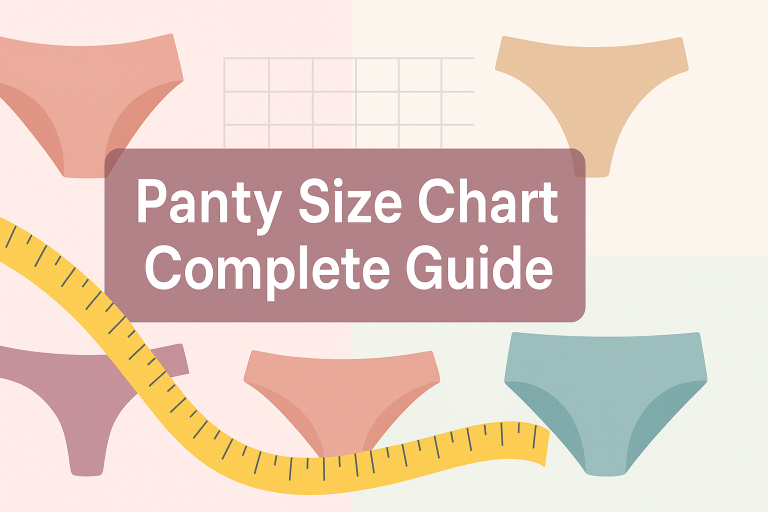
Garter belts are sized by waist or hip measurement, depending on where the specific style is designed to sit. A belt sized to the hip will fit differently from a belt sized to the waist on the same body, so confirming the intended wearing position before choosing a size is essential.
Measuring for Waist-Sitting Styles
Measure the natural waist, the narrowest point of the torso, typically 2 to 4 inches above the navel, using a flexible measuring tape held level and snug but not tight. Record the measurement in inches. Most brands that size to the waist use the following conversions: XS fits 24 to 26 inches, S fits 26 to 28 inches, M fits 28 to 30 inches, L fits 30 to 34 inches, XL fits 34 to 38 inches, and XXL fits 38 to 44 inches.
Measuring for Hip-Sitting Styles
Measure the fullest part of the hips, typically 7 to 9 inches below the natural waist, with the tape level and comfortable. Hip-sitting garter belts often run one size larger than waist-sitting styles on the same body, because the hip measurement is larger than the waist measurement for most body shapes.
When Measurements Fall Between Sizes
When a body measurement falls at the upper limit of one size or the lower limit of the next, choose the larger size for comfort. Garter belts can be tightened via the hook-and-eye closure if a size runs slightly large, but a belt that is too small will dig into the skin and shift during wear, reducing the security of the stocking clips.
Always check the brand’s specific size chart before purchasing, because sizing conventions vary significantly between European and US lingerie brands.
Garter Belt vs. Thigh-High Stockings with Silicone Band: Which Stays Up Better
A garter belt provides more reliable stocking security during extended activity than silicone-banded thigh-high stockings, according to wear-testing data from hosiery brands including Wolford and Falke. Silicone bands rely on friction against skin and lose grip with perspiration, weight fluctuation, or skin lotions applied to the thigh.
Use the table below to compare the two hosiery-holding systems across the factors that matter most in daily use.
| Factor | Garter Belt with Stockings | Thigh-High with Silicone Band |
|---|---|---|
| Security during walking | High: mechanical clip holds regardless of perspiration | Moderate: silicone loses grip when skin is warm or moist |
| Security during sitting or bending | High: straps maintain tension through movement | Low to moderate: band can roll down when seated for long periods |
| Getting dressed | 5 to 8 minutes initially, 2 to 3 minutes with practice | Under 2 minutes |
| Comfort for sensitive skin | Depends on clip position: adjustable away from pressure points | Silicone band can irritate or leave marks on sensitive thighs |
| Visible under clothing | Strap lines may show under very thin or clingy fabrics | Band may show as a ridge under fitted clothing |
| Suitable for plus sizes | Yes, with appropriate sizing; wide-band styles more secure | Silicone bands often under-perform on larger thigh circumferences |
| Stocking compatibility | Works with all stocking types including full-fashion seamed | Requires stay-up thigh-high specific styles only |
For anyone wearing hosiery for more than two to three hours at a time or doing significant walking, a garter belt is the more reliable system, with silicone thigh-highs better suited to short events or occasional wear.
Garter Belt Fabrics and What Each Offers
Garter belt fabric determines comfort against the skin, durability through washing, visual appearance, and how the belt behaves under clothing. The five most common fabric constructions each offer a different trade-off between aesthetics and function.
Satin Garter Belts
Satin garter belts are made from woven polyester or nylon with a high-luster finish on one side and a matte finish on the reverse. Satin does not stretch, so sizing accuracy is critical. The smooth surface slides under clothing without snagging. Most satin garter belts in the $30 to $80 price range are 100% polyester satin, while premium options from brands including Aubade use silk satin at $150 and above.
Lace Garter Belts
Lace garter belts use either stretch or non-stretch lace. Stretch lace, typically 80% nylon and 20% elastane, accommodates a range of sizes and provides a comfortable fit without adjustment hardware on the waistband. Non-stretch lace, often 100% nylon or polyester, requires precise sizing but creates a more structured appearance. French and Belgian-made lace styles from Agent Provocateur and Lascivious typically use non-stretch Leavers lace.
Mesh and Tulle Garter Belts
Mesh and tulle constructions allow airflow and create a lightweight, barely-there feel. Power mesh, a structured mesh variant, provides light compression and moves with the body, making it better suited for active daily wear. Tulle is more delicate and suited to occasional wear rather than regular use.
Microfiber Garter Belts
Microfiber garter belts use woven or knitted synthetic fabric, typically 80 to 90% polyester with 10 to 20% elastane, for a smooth, matte finish and significant stretch. Microfiber is the most practical choice for daily wear because it is machine washable on a delicate cycle, retains its shape through repeated washing, and lies flat under clothing without visible texture.
Leather and Faux Leather Garter Belts
Faux leather garter belts and genuine leather styles are made for aesthetic purposes rather than practical daily hosiery wear. Leather does not breathe, does not adjust easily, and requires specialized cleaning. These styles serve primarily as costume or intimate wear accessories rather than functional hosiery-support garments.
For everyday hosiery use, microfiber and stretch lace deliver the best combination of comfort, durability, and low maintenance, while satin and non-stretch lace perform better for special occasions where washing frequency is lower.
How to Choose a Garter Belt for Your Body Type
The most important fit variable for a garter belt is the relationship between waist or hip circumference and torso length. A belt positioned correctly on one body proportionate will sit differently on a longer or shorter torso.
Shorter Torso and Petite Frames
Narrower waistbands, 2 to 3 inches wide, sit more comfortably on shorter torsos because they do not crowd the waist-to-hip space. Strap length is the more critical adjustment: shorter torsos need shorter straps, so confirm the adjustment range allows the straps to shorten to at least 7 to 8 inches from clip to belt. Many standard-size garter belts accommodate down to 8 inches, which suits most petite proportions.
Longer Torso and Tall Frames
Wider waistbands and longline garter belt styles work better for longer torsos because they fill the proportional space between the waist and hip more naturally. Straps need to extend to at least 12 to 13 inches to bridge the greater distance from belt to stocking welt on taller frames.
Plus Size and Full Figures
Wide-band garter belts with three-column hook-and-eye closures provide better stability for plus size bodies because the wider band distributes tension over a larger surface area. A six-strap configuration, two front, two side, two back, is more secure than a four-strap setup at larger sizes because it prevents the stocking from torquing around the leg during movement. Brands including Elomi, Curvy Kate, and Dreamgirl produce plus-size garter belts in sizes up to 5XL.
Athletic and Straight Figures
Standard narrow garter belts in stretch lace or microfiber work well for straighter body profiles where waist and hip measurements are within 8 inches of each other. The belt sits securely without the support structure that wider bands provide, since there is less hip flare to prevent the belt from shifting downward.
Choosing the right width and strap configuration for your specific body shape solves most of the fit issues that make new garter belt wearers give up after the first try.
When and Where to Wear a Garter Belt
Garter belts are appropriate for three distinct contexts: formal and evening occasions where sheer hosiery is part of the outfit, everyday office or professional wear where stockings are preferred over tights, and intimate or lingerie contexts.
Formal and Evening Wear
Sheer stockings in 7 to 15 denier worn with a satin or lace garter belt create a polished leg finish for formal occasions including weddings, cocktail events, and black-tie dinners. The visible stocking seam on full-fashion styles is considered a deliberate style detail in formal dress contexts. Pairs of sheer stockings from Wolford at 7 denier retail between $35 and $55, making a garter belt system more economical than disposable tights for repeat formal wear.
Professional Daywear
In professional environments where skirts or dresses require hosiery, a garter belt with 15 to 20 denier stockings provides more reliable wear throughout a long workday than silicone-band thigh-highs, particularly for those who walk frequently or sit for extended periods. A microfiber garter belt in nude or black lies flat under skirts and does not create visible texture through fitted fabrics.
Intimate and Lingerie Wear
Garter belts are a core component of traditional lingerie sets and are commonly paired with lace bras, lace underwear, and sheer stockings for intimate wear. In this context, aesthetic appeal takes priority over practicality, and non-stretch lace, satin, or embroidered styles are most commonly chosen.
Garter belts worn for intimate occasions do not need the same practical requirements as those worn for all-day hosiery support, so buying one belt for each purpose rather than one belt for both is a worthwhile investment.
How to Care for a Garter Belt
Garter belts require hand washing or a delicate machine cycle to preserve elastic, lace, and metal hardware. Incorrect washing is the primary cause of elastic deterioration, clip corrosion, and lace distortion that shortens the lifespan of a garter belt.
The American Dry Cleaning Company’s fabric care guidelines recommend the following process for lace and satin lingerie items: hand wash in cool water, 60 to 70 degrees Fahrenheit, using a lingerie-specific detergent formulated for delicate fabrics. Submerge the belt, gently agitate for 30 to 60 seconds, rinse in cool water until no detergent remains, and press (do not wring) excess water out against the side of the sink.
Dry the belt flat on a clean towel, away from direct sunlight or heat sources. Hanging a wet garter belt causes the elastic and straps to stretch unevenly under the weight of absorbed water.
Metal garter clips should be dried thoroughly after washing. Metal hardware left damp in storage will corrode over time, and corroded clips can snag or discolor delicate stockings.
For machine washing, place the belt in a mesh lingerie wash bag, select the delicate cycle with cold water, and remove immediately when the cycle ends to prevent creasing. Never machine wash garter belts with metal boning, structured satin panels, or non-stretch French lace, since machine agitation distorts these construction elements permanently.
Proper drying care, specifically laying flat rather than hanging, is the single most effective way to extend the lifespan of any garter belt.
Frequently Asked Questions About Garter Belts
What is the difference between a garter belt and a garter?
A garter belt is a waist or hip-encircling band with four to six adjustable suspender straps that attach to the welts of stockings via metal or plastic clips. A garter, by contrast, is a simple elastic band worn around the upper thigh on each leg independently, using the same clip mechanism but without any waistband structure. Garters (the thigh-only type) are less reliable for extended wear because the elastic band tends to roll down or shift with leg movement, while a garter belt anchors the support system at the waist.
Can you wear a garter belt with tights or pantyhose?
A garter belt is not designed for use with tights or pantyhose. Tights cover both legs and the waist in a single continuous garment and have no welt or attachment point for clips. Garter belts are designed specifically for stockings, which are individual-leg hosiery with a reinforced welt at the top. Attempting to clip a garter belt to tights will damage the fabric and will not provide any hosiery support.
How many straps should a garter belt have?
Most garter belts have four straps (two front, two back), which is sufficient for everyday wear with seamless stockings. Six-strap garter belts (two front, two side, two back) provide more stability and are recommended for seamed or full-fashion stockings, for plus-size wearers, or for active use over long periods. Six-strap belts prevent the stocking from rotating around the leg during movement, which is the primary functional advantage over four-strap styles.
Should the garter belt go over or under underwear?
A garter belt should be put on before underwear, and underwear should then be stepped into and pulled up over the garter straps. This positions the straps outside the underwear but beneath the underwear’s waistband, making it possible to remove underwear in a restroom without unclipping the stockings. Wearing underwear under the garter belt, closer to the skin than the straps, requires removing the stockings to use a restroom, which is the main practical inconvenience associated with garter belts for daily wear.
What size garter belt should I buy?
Garter belt sizing is based on waist or hip circumference depending on the style’s intended wearing position. Measure your natural waist (the narrowest point of the torso) for waist-sitting styles, or your fullest hip measurement for hip-sitting styles. If your measurement falls at the top of one size or the bottom of the next, choose the larger size, since garter belts can be adjusted slightly via hook-and-eye closures but cannot be expanded beyond their maximum size. Confirm which measurement the brand uses before ordering, as this varies between US and European brands.
Do garter belts work for plus sizes?
Garter belts work well for plus sizes when the correct style and configuration are chosen. Wide-band garter belts with three-column hook-and-eye closures and six-strap configurations provide the best security and comfort for larger bodies. Brands including Elomi, Curvy Kate, Dreamgirl, and Shirley of Hollywood produce plus-size garter belts in extended sizes. The most important factor for plus-size fit is confirming both the waist or hip measurement and the strap length range, since longer torsos and fuller figures often require straps adjustable to 12 to 14 inches.
Are garter belts comfortable to wear all day?
A properly fitted garter belt in a breathable fabric such as microfiber or stretch lace is comfortable for all-day wear. Discomfort is most commonly caused by incorrect sizing (a band that is too tight will dig into skin), by clips that are too tight on the stocking welt (creating a pulling sensation at the thigh), or by strap adjustment that is too long (allowing the stocking to sag and pull intermittently). A microfiber garter belt in the correct size, worn with correctly tensioned straps, typically causes no more discomfort than a fitted waistband on a skirt or trousers.
How do you keep stockings from slipping with a garter belt?
Stockings slip when clips are attached to the thin leg fabric rather than the reinforced double-layer welt, when strap tension is set too loose, or when stocking denier is too fine for the clip type being used. Attach each clip to the welt only (the thick band at the stocking top), set strap tension so there is slight resistance when the strap is tugged without the welt digging in, and use full-metal clips with rubber grip pads for stockings under 15 denier. Applying body lotion to the thighs before wearing stockings also reduces friction between the stocking fabric and skin, which marginally improves how the welt sits against the leg.
A garter belt is a reliable, practical hosiery-support system when worn correctly with the right stocking type and a properly sized belt. Choosing the correct strap count, fabric, and clip quality for your intended use, whether daily office wear or occasional formal events, determines whether the experience is effortless or frustrating. Start with a stretch lace or microfiber style in the correct size, follow the dress-order steps above, and adjust strap tension before the first full wear to get a consistent, secure hold from the first day.