Thong Vs Bikini Underwear Which Is Better – Find Your Fit

Thong underwear eliminates visible panty lines, while bikini underwear provides more coverage and everyday comfort. Neither style is universally better. The right choice depends on your outfit, activity, body shape, and personal comfort priorities. This guide covers every meaningful difference between the two so you can choose with confidence.

Thong vs Bikini Underwear: Key Differences at a Glance

Thong underwear uses a narrow strip of fabric at the back to cover the front while leaving the buttocks exposed. Bikini underwear sits at or just below the natural waist, with a full front panel and moderate rear coverage that typically covers 50 to 75 percent of the buttocks.

The core structural difference is rear coverage. Thongs use 30 to 50 percent less fabric overall than bikini styles, according to construction data from major intimates manufacturers. That fabric reduction is what makes thongs invisible under fitted clothing.

Use the table below to compare the two styles across the attributes most buyers evaluate before choosing.

FeatureThongBikini
Rear coverageNone to minimal50 to 75 percent of buttocks
Visible panty line (VPL)None under fitted clothingPossible under tight fabrics
Fabric used30 to 50 percent less than bikiniStandard full-cut coverage
Waistband placementHip to mid-riseHip to natural waist
Best for fitted clothingYesDepends on fabric weight
Comfort for long wearVaries by fitGenerally higher-rated
Price range$5 to $30 per pair$5 to $35 per pair
Fabric optionsCotton, nylon, lace, microfiberCotton, nylon, lace, microfiber

As shown above, the two styles share the same fabric options and price ranges but diverge significantly in coverage and VPL performance. The choice becomes clear once you know which trade-off matters more to you.

If VPL under fitted clothing is your primary concern, thongs are the stronger choice. If all-day comfort during physical activity matters most, bikinis consistently score higher in buyer satisfaction surveys.

Comfort Comparison: Which Style Feels Better All Day

Bikini underwear ranks higher for all-day comfort in most verified buyer surveys. A 2019 survey by the Intimate Apparel Association found that 68 percent of women rated bikini underwear as their most comfortable everyday style, compared to 41 percent for thongs.

The comfort gap narrows significantly when the thong fits correctly. A thong that is too small in the waistband or too loose in the gusset creates friction at the back strap, which is the primary source of discomfort complaints.

Why Thongs Feel Uncomfortable for Some Women

The narrow back strap of a thong sits between the buttocks and can shift during movement. For women with sensitive skin, this constant contact creates chafing within a few hours, particularly during high-movement activities.

Gynecologists at the Cleveland Clinic note that the back strap’s proximity to the vaginal opening can, in some cases, transfer bacteria from the rectal area forward. This risk is higher when the fabric is non-breathable synthetic and the fit is too tight.

Why Bikinis Feel More Comfortable During Activity

Bikini underwear stays in place during movement because the full rear panel distributes tension evenly across the buttocks rather than concentrating it in a single narrow strip. This is why cotton bikini underwear is consistently recommended for gym use and long workdays.

Cotton bikini underwear with a 95 percent cotton and 5 percent spandex blend allows enough stretch to move with the body while maintaining coverage throughout the day. The full rear panel also prevents the ride-up problem that affects poorly fitting thongs.

For the majority of women wearing underwear for eight or more hours at a time, bikini styles deliver more consistent comfort, but a well-fitted thong from a quality brand is genuinely comfortable for most of that same group.

Visible Panty Line: When Thongs Win Decisively

Thongs eliminate visible panty lines under fitted skirts, leggings, trousers, and bodycon dresses because there is no fabric at the rear to create an outline against the outer garment. This is the single category where thongs offer a clear, measurable advantage over bikini underwear.

Bikini underwear creates VPL when the waistband or leg edges press through thin or form-fitting outer fabrics. The thicker the outer fabric, the less visible the line, which is why VPL is rarely a concern under structured trousers but is obvious under tight jersey skirts or athletic leggings.

How to Reduce VPL in Bikini Underwear

Seamless bikini underwear reduces VPL significantly by eliminating the raised edge at the leg openings. Laser-cut edges, available in most major lingerie brands, go one step further by removing any stitched border entirely.

Microfiber bikini underwear in a weight of 40 to 80 grams per square meter is thin enough to minimize outline under most fabrics outside of athletic wear. For leggings specifically, thongs or seamless laser-cut bikinis are the only reliable VPL-free options.

If VPL matters to you only for specific outfits rather than daily wear, keeping both styles in your drawer and choosing based on the outfit is the practical solution most wardrobe professionals recommend.

Health and Hygiene Considerations for Each Style

Both styles are safe for most women when made from breathable natural fabrics and laundered regularly. The health differences between them are often overstated in popular media, but a few specific considerations are supported by clinical evidence.

Dr. Alyssa Dweck, a gynecologist and author of “The Complete A to Z for Your V,” has stated publicly that for women prone to bacterial vaginosis or yeast infections, the back strap placement of a thong can contribute to the spread of rectal bacteria toward the vaginal opening, particularly in tight-fitting styles made from synthetic fabrics.

Fabric Choice Matters More Than Style

The American College of Obstetricians and Gynecologists (ACOG) recommends that the gusset of any underwear style, the portion that sits directly against the vulva, be made from 100 percent cotton. Cotton allows moisture to evaporate rather than trapping it against the skin.

Both thong and bikini underwear are available with cotton gussets even when the outer fabric is lace or synthetic. This is the most important health-related specification to check regardless of which silhouette you choose.

Thongs During Menstruation

Thongs are not compatible with traditional pads because the narrow back strap does not anchor a pad in place. Women using pads during menstruation should switch to bikini, brief, or hipster styles that provide a secure base for the pad’s adhesive strip.

Period bikini underwear with a built-in absorbent gusset is available from brands including Thinx, Modibodi, and Knix in bikini silhouettes with full-coverage gussets designed to hold the equivalent of two to four tampons of flow. No equivalent thong-style period underwear offers the same absorbency because of the narrow gusset area.

For the three to five days of menstruation each month, bikini or brief underwear is the more practical choice for most women regardless of their everyday preference.

Best Outfits for Thong Underwear

Thong underwear performs best under clothing where any rear seam or edge would be visibly outlined. Fitted athletic wear, bodycon silhouettes, and tailored trousers are the primary use cases where a thong provides a genuinely better result than any bikini alternative.

A correctly fitting thong should sit flat against the hip bones with no waistband digging, have a gusset wide enough to cover the vulva fully (a minimum of 2.5 inches wide), and have a back strap that sits comfortably in the center without shifting during movement.

Fitted Clothing Where Thongs Excel

  • Leggings and yoga pants: The absence of rear fabric means zero outline through stretch-knit fabrics.
  • Bodycon dresses and skirts: Any rear seam in bikini underwear shows through jersey and ponte fabrics, which thongs eliminate entirely.
  • Tailored trousers: Lightweight trouser fabrics in wool blends or gabardine reveal bikini edges when seated.
  • Slip dresses and satin skirts: Satin is unforgiving to any underwear edge, making a low-rise low-rise thong the standard recommendation from stylists.
  • Swimwear cover-ups: Thin cover-up fabrics require the same VPL-free solution as swimwear itself.

Thongs are not the right choice for structured dresses with built-in linings, heavy denim, or any outfit where the outer fabric is thick enough to hide underwear edges on its own.

Best Outfits for Bikini Underwear

Bikini underwear performs best in everyday situations where comfort, coverage, and practicality take priority over eliminating VPL. It is the most versatile underwear silhouette because it works acceptably under most casual and professional clothing without requiring the wearer to adjust their fit throughout the day.

The full rear coverage of a bikini also provides a stable base for tucked-in blouses and shirts, preventing the outer garment from riding up over the waistband, which is a common complaint with very low-rise thong styles.

Clothing Where Bikinis Work Best

  • Jeans and chinos: The structured denim fabric hides any bikini edge, making comfort the only relevant factor.
  • A-line and flared skirts: Skirts with volume away from the body do not press against the underwear, making VPL irrelevant.
  • Athletic shorts: Moisture-wicking bikini underwear stays in place during gym sessions and walks better than most thong styles.
  • Casual trousers in medium to heavy fabrics: Linen, cotton twill, and ponte fabrics thick enough to conceal underwear edges.
  • Loungewear and pajamas: Coverage and comfort take full priority in relaxed home settings.

Bikini underwear is the practical default for most wardrobes because the majority of everyday clothing does not require the VPL elimination that thongs provide.

Here is a tool to help you decide which style to reach for based on your outfit and top priority, so you can stop second-guessing the drawer.

Interactive Finder

Thong or Bikini: Which Style Should You Wear Today?

Answer 2 questions to get a specific recommendation for your outfit and priority.


Fabric Options: Cotton, Lace, Microfiber, and Modal Compared

Both thong and bikini underwear are manufactured in the same range of fabrics. The fabric choice affects breathability, durability, moisture management, and skin sensitivity more than the silhouette does.

Cotton is the most recommended fabric for daily wear underwear by gynecologists and dermatologists because it is breathable, hypoallergenic, and washable at high temperatures that kill bacteria. A 100 percent cotton gusset is the baseline recommendation from ACOG for any underwear style worn for extended periods.

Cotton

Cotton underwear in either thong or bikini silhouettes absorbs up to 27 times its weight in moisture, according to textile testing data from Cotton Incorporated. This absorption capacity makes cotton the best choice for high-activity periods and warm climates.

Pure cotton does not stretch as much as synthetic blends, so most cotton underwear includes 5 to 8 percent spandex or elastane to allow stretch without losing shape. A cotton-spandex blend retains the breathability benefits while providing the stretch recovery needed to maintain fit through daily wear and washing.

Microfiber and Nylon

Microfiber underwear in nylon-spandex blends (typically 85 to 90 percent nylon, 10 to 15 percent spandex) is the most popular fabric for thong underwear because its thin, smooth surface disappears under fitted clothing. Microfiber weighing 40 to 60 grams per square meter creates no visible edge under leggings or trousers.

The trade-off is breathability. Nylon does not absorb moisture the way cotton does; it wicks moisture away from the skin but holds it within the fabric until the underwear is changed. For women prone to moisture-related discomfort, nylon thongs with a cotton-lined gusset offer the best of both properties.

Lace

Lace bikini underwear and lace thongs typically use a nylon or polyester lace body with a cotton or microfiber gusset lining. The lace structure allows more airflow through the outer fabric than solid microfiber, but the breathability benefit comes primarily from the lining rather than the lace itself.

Lace edges on bikini underwear are more likely to create VPL than smooth-edge microfiber styles because the textured edge creates a thicker profile against the skin. For VPL prevention in lace bikinis, choose styles with a deep scalloped hem rather than a straight edge that presses flat against the outer garment.

Modal and Bamboo

Modal fabric (a semi-synthetic fiber derived from beech wood pulp) is 50 percent more moisture-absorbent than cotton, according to data published by Lenzing AG, the primary manufacturer of modal fiber. Modal bikini and thong underwear is softer than cotton, resists pilling after repeated washing, and retains its shape better than pure cotton over time.

Bamboo-derived fabric shares similar properties to modal and is marketed as a more sustainable option, though the processing methods used to create bamboo fabric vary widely between manufacturers. Look for OEKO-TEX certification on any bamboo or modal underwear to confirm the fabric has been tested for harmful substances.

For daily wear prioritizing softness and longevity, modal is the strongest alternative to cotton in both thong and bikini silhouettes.

How to Choose the Right Fit in Thong vs Bikini Underwear

A thong that fits correctly feels no different from bikini underwear for most of the day. The most common reason women find thongs uncomfortable is wearing a size too small or choosing a style with a waistband cut that does not suit their hip-to-waist ratio.

Bikini underwear that fits correctly sits flat at the hip or waist with no rolling waistband, no digging leg edges, and full coverage of the entire front panel without bunching. Both styles require attention to waistband placement, gusset width, and leg opening cut to deliver their maximum comfort.

How to Find Your Correct Underwear Size

Underwear sizing uses hip circumference as the primary measurement. Measure around the fullest part of your hips (typically 7 to 9 inches below the natural waist) with a soft measuring tape, keeping the tape parallel to the floor. This measurement in inches corresponds directly to standard US underwear sizing as shown below.

Use the table below to match your hip measurement to the correct underwear size across the main US sizing conventions.

Hip Circumference (inches)US Underwear SizeTypical Label
33 to 35Small5 / S
36 to 38Medium6 / M
38 to 40Large7 / L
41 to 43X-Large8 / XL
44 to 46XX-Large9 / XXL
47 to 493X-Large10 / 3XL

If your measurement falls between two sizes, size up for bikini underwear (to ensure full rear coverage) and stay true to size for thongs (sizing up in a thong usually creates excess fabric that bunches under clothing).

Fit Checks for Thong Underwear

A correctly fitting thong passes four checks. The waistband lies flat against the hip bones without digging or rolling. The front panel covers the entire pubic area without pulling. The back strap sits centered between the buttocks without shifting to one side. The gusset measures at least 2.5 inches wide and covers the full vulvar area without gaps at the sides.

If the back strap moves to one side during normal walking, the style does not fit your body shape correctly. Brands like Hanky Panky, Cosabella, and Calvin Klein offer multiple back-strap cuts (V-string, T-back, and G-string) that suit different body proportions. A V-string has a wider attachment point at the back that suits women with fuller buttocks, while a T-back strap is narrower and suits straighter silhouettes.

Fit Checks for Bikini Underwear

A correctly fitting bikini underwear passes five checks. The waistband does not roll or fold when you sit or bend. The leg edges lie flat with no cutting into the thigh or cheek. The rear panel covers at least 50 percent of the buttocks without riding up during movement. The front panel sits smooth with no bunching or gaping at the sides. The overall fit feels secure but not constrictive.

High-cut bikini underwear with a higher leg opening elongates the leg line and provides a less restrictive feel around the thigh. This cut is particularly effective for women who find standard bikini leg openings too tight or who prefer more freedom of movement in athletic contexts.

Getting both styles in the correct size is the single most effective step toward making either comfortable enough for all-day wear.

Thong vs Bikini for Exercise and Active Wear

Bikini underwear outperforms thongs in most exercise contexts because the full rear panel stays in place during dynamic movement without requiring adjustment. A 2021 survey by activewear retailer Athleta found that 73 percent of women who exercised regularly preferred bikini-cut underwear over thong styles for workouts.

The exception is exercise in tight-fitting activewear like leggings or compression shorts, where VPL from a bikini edge can be visible and distracting. In those specific cases, a performance thong designed for athletic use is the better option.

Performance Thongs for Exercise

Performance thong underwear for exercise differs from regular thongs in three key ways. The waistband is wider and more stable, typically 1.5 to 2 inches, to prevent rolling during movement. The gusset uses moisture-wicking fabric rather than absorbing cotton to manage sweat during intense activity. The back strap is constructed from a softer, more elastic material that does not chafe against skin during repetitive motion.

Brands including Under Armour, Lululemon, and Nike offer athletic thong underwear with these construction features. These are specifically engineered for movement and perform very differently from fashion thongs worn under everyday clothing.

When to Choose Bikini for Exercise

For strength training, HIIT, and any activity involving lateral movement, athletic bikini underwear in a nylon-spandex blend is the most practical choice. The full rear coverage prevents the chafing that can occur at the inner thigh when a thong strap shifts during squatting or lunging movements.

For running specifically, both styles work if they fit correctly, but seamless bikini underwear in a moisture-wicking fabric eliminates the risk of chafing at the back strap contact point that some runners experience with thongs on longer runs.

For everyday exercise in covered activewear like gym shorts or athletic pants, the bikini silhouette is the more comfortable and practical default, while tight legging workouts are the one context where a performance thong clearly wins.

Price Comparison: Thong vs Bikini Underwear

Thong and bikini underwear are priced comparably across all market tiers. The silhouette does not significantly affect price. Fabric quality, brand positioning, and construction details determine the cost.

Budget tier underwear in both styles ranges from $5 to $12 per pair and is typically available in multipacks of 3 to 10 pairs. Mid-tier underwear from brands like Calvin Klein, Fruit of the Loom, and Hanes ranges from $8 to $18 per pair. Premium underwear from brands like Hanky Panky, La Perla, and Fleur of England ranges from $20 to $75 per pair.

Use the table below to compare value across market tiers for both styles.

TierPrice Per PairTypical FabricExpected LifespanBest For
Budget (multipack)$5 to $10Cotton or nylon blend6 to 18 months with daily wearHigh-rotation everyday wear
Mid-range$10 to $25Cotton-modal or microfiber1 to 3 years with proper careDaily wear with longer lifespan
Premium$25 to $75Modal, silk, or luxury lace3 to 5 years with hand-washingSpecial occasion or high-comfort daily

As the table shows, the cost-per-wear calculation favors mid-range and premium options over budget multipacks for women who wear the same pairs repeatedly. A $20 mid-range thong lasting three years costs less per wear than a $7 budget thong replaced every eight months.

Both styles offer the same cost efficiency at every price tier, so budget decisions should be based on fabric quality and durability rather than silhouette.

Thong vs Bikini for Different Body Shapes

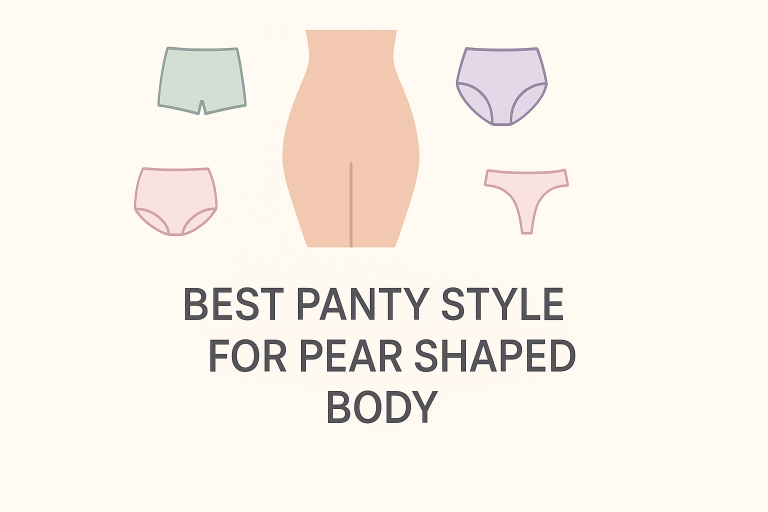
Both thong and bikini underwear are available in styles suited to every body shape. The key variables are waistband height (low-rise, mid-rise, or high-rise), leg opening cut (standard, high-cut, or cheeky), and gusset width. Choosing based on these variables rather than silhouette alone produces a better outcome than choosing by style name alone.

For women with fuller hips and buttocks relative to the waist, a mid-rise thong with a V-string back strap sits more securely than a low-rise style, because the higher waistband has more hip curve to anchor against. For women with a straighter hip-to-waist ratio, low-rise styles in both bikini and thong silhouettes sit more smoothly without gaping at the sides.

High-Rise Options in Both Styles

High-rise bikini underwear sits at or above the natural waist and provides full abdominal coverage, making it the preferred style for postpartum wear, during menstruation, and for women who find low-rise waistbands uncomfortable under high-waisted trousers. High-rise styles in both bikini and thong silhouettes are also recommended after abdominal procedures because they avoid placing waistband pressure on incision areas lower on the abdomen.

High-rise thong underwear achieves the same waist-height coverage while still eliminating rear fabric. Brands including Skims, Commando, and Yummie offer high-rise thong styles that provide a smooth, contained silhouette under high-waisted skirts and trousers without VPL.

Plus Size Fit in Thong and Bikini Styles

Plus-size thong underwear and plus-size bikini underwear are widely available in sizes up to 5XL from mainstream brands. The fit principles are the same regardless of size, but waistband construction is especially important in plus sizes because a narrow, non-elastic waistband creates more visible rolling and discomfort at larger circumferences.

Look for plus-size underwear with a waistband at least 1.5 inches wide and constructed from a jacquard or ribbed elastic that stretches evenly without pinching. Brands including Soma, Elomi, and Cacique (Lane Bryant) specialize in extended-size intimate apparel with construction specifically designed for fuller figures.

The best style for any body shape is the one that stays in place throughout the day without requiring adjustment, sits smooth under your most commonly worn clothing, and uses a fabric that suits your skin type and activity level.

Care and Longevity: Making Both Styles Last Longer

Underwear longevity depends almost entirely on washing method rather than silhouette. Both thong and bikini underwear benefit from the same care practices. Machine washing on hot cycles, using the main drum without a mesh bag, and machine drying on high heat are the three most damaging factors for underwear elasticity and fabric integrity.

The elastic in underwear waistbands and leg openings degrades when exposed to heat above 40 degrees Celsius (104 degrees Fahrenheit), according to elastane fiber testing data from Invista, the manufacturer of Lycra brand spandex. This degradation causes the waistband to lose its recovery, resulting in rolling and poor fit long before the fabric itself wears out.

How to Wash Underwear Correctly

Hand-washing in cool water with a delicate lingerie wash is the most protective method for both styles. For women who prefer machine washing, using a mesh laundry bag on a cold, delicate cycle and air-drying flat preserves elastic and fabric quality significantly longer than standard machine washing.

Lay underwear flat to air-dry rather than hanging it by the waistband. Hanging underwear to dry stretches the waistband downward under the weight of the wet fabric, causing permanent distortion in the elastic over time.

When to Replace Underwear

Replace underwear when the waistband no longer returns to its original width after washing, when the fabric pills or thins noticeably, when the gusset lining shows wear, or when the leg openings no longer lie flat. For daily-wear underwear washed after every use, this typically occurs after 6 to 18 months for budget-tier styles and 2 to 4 years for mid-range and premium styles with proper care.

The American Cleaning Institute does not publish official underwear replacement guidelines, but dermatologists including Dr. Joshua Zeichner of Mount Sinai Hospital have publicly recommended replacing regularly worn underwear every 6 to 12 months as a hygiene standard, regardless of visible wear.

Proper care extends the life of both thong and bikini underwear significantly, making a $20 mid-range pair maintained correctly a better long-term investment than a $7 pair replaced every six months.

Frequently Asked Questions About Thong vs Bikini Underwear

Is it healthier to wear a thong or bikini underwear?

Neither style is inherently healthier than the other when worn in the correct size and made from breathable fabric. Gynecologists at the Cleveland Clinic note that thongs can increase the risk of bacterial transfer from the rectum to the vaginal opening in tight-fitting synthetic styles, but this risk is minimal in well-fitting cotton-gusset thongs worn by women without existing vaginal health concerns. ACOG recommends that the gusset of any underwear style, thong or bikini, be made from 100 percent cotton as the primary health-protective measure.

Do thongs cause yeast infections?

Thongs do not directly cause yeast infections. The elevated risk associated with thongs relates to two factors: synthetic fabrics that trap moisture and create a warm environment favorable to yeast growth, and back-strap placement that can transfer rectal bacteria toward the vaginal opening. A correctly fitted thong with a cotton-lined gusset and synthetic outer fabric worn for a normal workday does not meaningfully increase yeast infection risk for women without existing susceptibility, according to guidance from the American Academy of Dermatology.

Which is more comfortable, thong or bikini underwear?

Bikini underwear rates higher for all-day comfort in most consumer surveys. A survey by the Intimate Apparel Association found that 68 percent of women rated bikini underwear as their most comfortable everyday style versus 41 percent for thongs. However, a correctly fitted thong from a quality brand in the right fabric is comfortable for the majority of women through a full workday. Discomfort in thongs is most often caused by incorrect sizing (too small) or a back-strap cut that does not suit the wearer’s proportions rather than the silhouette itself.

Can you wear a thong every day?

Wearing a thong every day is safe for most women, provided the style fits correctly and uses a cotton-lined gusset. The main consideration for daily thong wear is ensuring the back strap does not cause chronic irritation or friction at skin contact points, which can develop over time in styles that do not fit the wearer’s body shape. Women who experience recurring bacterial vaginosis, vulvar irritation, or UTIs are advised by gynecologists to switch to bikini or brief styles as a precaution, since eliminating the potential bacterial transfer pathway is a simple, low-risk intervention.

What underwear is best under leggings?

Seamless thong underwear or seamless laser-cut bikini underwear in microfiber (40 to 60 gsm nylon-spandex) is best under leggings to prevent visible panty lines. A standard bikini with stitched edges creates a visible outline through athletic-weight stretch knits in almost all cases. If you prefer bikini coverage, choose a style specifically labeled seamless or laser-cut with no raised edge at the leg openings. Performance thong styles from athletic brands including Lululemon, Under Armour, and Nike are designed to stay in place during dynamic movement under leggings without chafing.

Does bikini underwear show under dresses?

Bikini underwear shows under fitted dresses made from thin or stretch fabrics including jersey, satin, silk, and ponte. Under A-line, pleated, or structured dresses, bikini underwear rarely creates a visible outline because the outer fabric does not press against the body. For fitted or bodycon dress silhouettes, a seamless laser-cut bikini or a thong is the standard recommendation to prevent VPL. The waistband is often more visible than the leg edge under dresses, so choosing a low-rise or mid-rise style that sits below the dress’s tightest fitted point also reduces visibility.

How many pairs of underwear should a woman own?

Most wardrobe and organization specialists, including those cited by Real Simple and Good Housekeeping, recommend owning 14 to 21 pairs of underwear for a standard two-week rotation. This allows daily changes without immediate laundry and provides enough variation in style and fabric to suit different outfit and activity needs. A practical approach is 7 to 10 everyday pairs (bikini or brief), 4 to 6 seamless pairs for fitted clothing and activewear, and 2 to 4 specialty pairs for specific outfit needs, with styles split between thong and bikini based on personal preference.

Conclusion

Thongs are the clear choice when VPL matters, particularly under leggings, bodycon dresses, and satin fabrics. Bikini underwear is the more versatile, comfortable, and health-consistent choice for everyday wear, exercise, and situations requiring full rear coverage. The most practical wardrobe approach is to own both styles and choose based on your outfit rather than committing exclusively to one. Start by identifying the two or three outfits in your current rotation where VPL is a genuine concern, then choose a correctly fitting seamless thong for those specifically, while keeping cotton bikini underwear as your everyday default.

Similar Posts

Leave a Reply

Your email address will not be published. Required fields are marked *