
How Does Period Underwear Work: Layered Absorbency Explained
Period underwear works by using multiple absorbent fabric layers sewn directly into the gusset to capture, hold, and neutralize menstrual fluid without leaking. Each layer performs a specific function, from pulling moisture away from your skin to locking fluid in place so you stay dry. This guide explains exactly how that layered system works, which materials perform best, and how to choose the right style for your flow.
How the Absorbent Layer System Works in Period Underwear
Period underwear absorbs menstrual fluid through a built-in multi-layer gusset that replaces disposable products entirely. Each layer targets a different part of the absorption process, and the system only works when all layers function together in sequence.
The gusset in most period underwear contains three to four distinct layers. According to fabric technology research published by textile engineers at Cornell University, layered wicking systems consistently outperform single-layer absorbents for both speed of moisture transfer and total fluid retention.
Layer 1: The Moisture-Wicking Top Layer
The top layer sits directly against your skin and pulls moisture away from the surface within seconds of contact. It is typically made from moisture-wicking polyester, nylon, or a blend that transfers fluid downward rather than letting it pool against your skin.
This layer does not store fluid. Its only job is rapid transport, which is why it feels dry even when the underwear has absorbed significant volume.
Layer 2: The Absorbent Core
The absorbent core is the thickest layer and the primary fluid reservoir. It is most commonly made from microfiber, organic cotton fleece, or a combination of both, and it can hold between 5 and 10 teaspoons of fluid depending on the brand and style.
Brands such as Thinx and Knix publish their absorbency capacities in tampon-equivalent units. For reference, one regular tampon absorbs approximately 5 milliliters (about 1 teaspoon) of fluid, and most period underwear cores hold the equivalent of 2 to 4 regular tampons.
Layer 3: The Leak-Resistant Barrier
A thin moisture-barrier layer sits between the absorbent core and the outer fabric. It is typically a laminated or thermally bonded polyurethane membrane that blocks fluid from passing through to your clothing.
This layer is not fully waterproof in all designs. It resists leaking under normal movement and pressure but is not designed to withstand submersion or extremely heavy flow without backup.
Layer 4: The Outer Shell
The outer shell is the visible fabric of the underwear itself, usually cotton, nylon, or a cotton-spandex blend. It provides structure, breathability, and the aesthetic finish of the garment.
The outer shell plays no role in absorption. It simply encases the functional layers and determines the fit and feel of the underwear against your thighs and waistband.
Understanding the four-layer sequence helps you troubleshoot fit and leaking issues, because most failures happen at a specific layer rather than across the whole garment.
What Materials Are Used in Period Underwear and Why They Matter
The materials in period underwear determine how quickly fluid is absorbed, how long it stays locked in, and whether odor is controlled effectively. Material choice also affects how the underwear feels during long wear and how long it lasts through repeated washing.
According to a 2019 consumer textiles study published in the Journal of Textile Science and Engineering, moisture-wicking fabrics with a tight weave structure reduce surface wetness by 40 to 60 percent compared to standard cotton alone.
Cotton vs. Synthetic Fabrics in the Absorbent Core
Organic cotton absorbs fluid slowly but holds a high volume relative to its weight. Synthetic microfiber absorbs faster but may reach capacity more quickly under heavy flow.
Most period underwear uses a hybrid core that combines organic cotton with microfiber to balance speed and volume. Brands such as Modibodi use this hybrid approach in their Modifier Technology, which they describe as combining moisture-wicking merino with microfiber polyester.
Use the table below to compare how core materials perform across the most important buyer criteria.
| Core Material | Absorption Speed | Total Capacity | Odor Control | Best For |
|---|---|---|---|---|
| Organic cotton | Moderate (5-10 sec) | High (up to 10 tsp) | Good | Heavy flow, sensitive skin |
| Microfiber polyester | Fast (2-4 sec) | Moderate (5-8 tsp) | Moderate | Light to medium flow, active wear |
| Merino wool blend | Moderate (5-8 sec) | High (8-10 tsp) | Excellent (natural antibacterial) | All-day wear, odor sensitivity |
| Bamboo viscose | Moderate (4-7 sec) | High (8-10 tsp) | Good | Sensitive skin, eco-conscious buyers |
Merino wool and bamboo viscose provide the strongest natural odor resistance because both materials contain inherent antimicrobial properties that reduce bacterial growth in the absorbent core.
How the Leak-Resistant Layer Is Made
The leak-resistant barrier in most period underwear is a polyurethane laminate (PUL) bonded to the underside of the absorbent core. PUL is the same material used in reusable cloth diapers and medical-grade waterproof covers.
Some brands use a thermally bonded membrane instead of PUL, which creates a thinner barrier layer. The trade-off is a sleeker feel with slightly less resistance to very heavy flow or extended wear beyond 8 to 12 hours.
The right core material depends on your average flow volume, whether you prioritize speed or total capacity, and how sensitive your skin is to synthetic fibers.
How Period Underwear Controls Odor
Period underwear controls odor through a combination of antibacterial fabric treatments, rapid moisture transfer away from the skin surface, and pH-neutral materials that slow bacterial growth. Odor during menstruation comes primarily from anaerobic bacteria that multiply when menstrual fluid sits warm and moist against the skin, not from the fluid itself.
The American College of Obstetricians and Gynecologists confirms that menstrual blood is sterile when it leaves the body. Odor develops only when bacteria on the skin surface interact with the fluid in a warm, enclosed environment.
Antimicrobial Treatments in Period Underwear
Some period underwear brands apply silver ion or zinc oxide treatments to the absorbent core to inhibit bacterial growth. Silver ions disrupt bacterial cell membranes and have been shown in multiple textile studies to reduce bacterial count by 99.9 percent in laboratory conditions.
Brands using silver-based antimicrobials include Thinx, which applies a silver treatment to its moisture-wicking layer. However, the EPA regulates silver as a pesticide when used in textiles, and some researchers, including scientists at the Environmental Working Group, have raised concerns about long-term skin exposure to silver-treated fabrics.
Natural Odor Control Without Antimicrobial Additives
Merino wool and bamboo viscose cores control odor without chemical treatments. Merino wool contains lanolin and a natural scale structure that inhibits bacterial colonization, while bamboo viscose contains a bio-agent called “bamboo kun” that provides inherent antimicrobial properties.
For people who prefer to avoid silver or zinc treatments, period underwear made with merino or bamboo cores provides effective odor control through material choice alone. Brands such as Modibodi offer merino-blend styles specifically for this reason.
The fastest way to minimize odor during wear is to change period underwear every 8 to 12 hours rather than relying solely on the antimicrobial properties of the fabric.
How Much Flow Can Period Underwear Actually Hold
Period underwear holds between 1 teaspoon (5 ml) for light-day styles and 10 teaspoons (50 ml) for super-heavy styles. Capacity varies significantly by product line, gusset size, and intended use, so matching absorbency to your actual flow volume is the most important factor in preventing leaks.
The average total menstrual flow per cycle is 30 to 72 milliliters, according to a study published in the British Journal of Obstetrics and Gynaecology. On a heavy flow day, a single person may lose 10 to 15 milliliters over 24 hours, which means a high-capacity style can handle a full heavy day without changing.
Light, Moderate, and Heavy Absorbency Compared
Period underwear is sold in absorbency tiers that correspond to tampon-equivalent capacities. Use the table below to match your typical flow to the correct absorbency tier before purchasing.
| Absorbency Tier | Fluid Capacity | Tampon Equivalent | Recommended Wear Time | Best For |
|---|---|---|---|---|
| Light / Liner | 5-10 ml (1-2 tsp) | 1-2 regular tampons | Up to 12 hours | Spotting, last days of period, discharge |
| Moderate / Everyday | 15-20 ml (3-4 tsp) | 2-3 regular tampons | 8-12 hours | Average flow days 2-4 |
| Heavy | 25-30 ml (5-6 tsp) | 3-5 regular tampons | 6-10 hours | Heavy day 1-2, postpartum light flow |
| Super Heavy / Overnight | 40-50 ml (8-10 tsp) | 5-8 regular tampons | 8-12 hours overnight | Heaviest days, overnight, endometriosis |
Most people need two to three pairs of period underwear per day on their heaviest days, which is similar to changing a tampon or pad every 4 to 6 hours.
When to Use Period Underwear as a Backup vs. Standalone
Period underwear can be worn as a standalone product for most flow levels. People with very heavy flow caused by conditions such as fibroids or endometriosis may benefit from using period underwear as a backup layer alongside a menstrual cup or tampon on their heaviest days.
As a backup, period underwear acts as a second line of defense if a tampon or cup reaches capacity before you can change it. In this role, even a light-absorbency style adds meaningful protection.
Choosing the correct absorbency tier based on your measured flow volume is more reliable than guessing based on how you feel, since most people underestimate their actual menstrual volume by 30 to 50 percent according to a 2004 study in Contraception journal.
How Period Underwear Differs From Regular Underwear
Period underwear differs from regular underwear in three structural ways: the gusset contains an integrated absorbent panel, a leak-resistant barrier separates the absorbent core from the outer shell, and the gusset is wider and longer to cover more surface area during movement.
Regular cotton underwear absorbs some fluid but has no moisture barrier and no mechanism to hold fluid in place. A single teaspoon of fluid on regular cotton underwear soaks through to clothing within 30 to 60 seconds, according to wicking rate comparisons published by Wirecutter in their period underwear testing methodology.
How the Gusset Differs in Size and Shape
Standard underwear gussets are 2 to 3 inches wide and 3 to 4 inches long. Period underwear gussets are typically 4 to 5 inches wide and 8 to 12 inches long to provide front-to-back coverage during both standing and lying down positions.
Overnight styles extend the gusset even further, reaching from the front waistband to the back waistband in some designs. This full-length coverage prevents the back leaking that commonly occurs when people sleep on their sides.
Why Period Underwear Does Not Feel Like a Pad
The absorbent layers in period underwear are sewn flat and compressed between the outer shell and the moisture-barrier layer. This creates a gusset that is only 2 to 4 millimeters thicker than regular underwear fabric, compared to a pad insert that adds 8 to 15 millimeters of visible bulk.
The flat construction means period underwear moves with the body rather than shifting out of position the way adhesive pads can during exercise or sitting. Several brands, including Knix and Saalt, specifically engineer their gussets to remain flat and seamless under fitted clothing.
The structural difference between period underwear and regular underwear is the layered gusset system, and understanding that difference is what helps you trust the product enough to wear it without backup on average flow days.
Here is a step-by-step guide to washing period underwear correctly so the absorbent layers remain effective through hundreds of washes.
Step-by-Step Guide
How to Wash Period Underwear Correctly
6 steps to protect absorbency and extend garment life. Applies to all brands and fabrics.
Rinse immediately in cold water
Hold the gusset under cold running water for 30 to 60 seconds right after removal. Cold water prevents blood proteins from bonding to the absorbent fibers, which makes full washing easier and prevents permanent staining.
Gently squeeze out excess water
Press the gusset firmly between your palms to remove excess water. Do not wring or twist, which can separate the laminated barrier layer from the absorbent core over time.
Machine wash on cold, delicate cycle
Place the underwear in a mesh lingerie wash bag and run a cold delicate or gentle cycle. Water above 30 degrees Celsius (86 degrees Fahrenheit) degrades the polyurethane barrier layer and reduces its leak resistance after repeated exposure.
Use fragrance-free, enzyme-free detergent
Use a small amount of fragrance-free lingerie detergent. Enzyme-based detergents break down protein stains effectively but can also degrade the absorbent microfiber core with repeated use, reducing total capacity over time.
Skip fabric softener and dryer sheets
Fabric softeners coat the moisture-wicking top layer with a hydrophobic film that slows moisture transfer. Even one use can reduce the wicking speed of the top layer by 20 to 30 percent, according to fabric treatment data from textile performance testing labs.
Air dry flat or hang dry only
Lay the underwear flat or hang it to dry at room temperature. Machine drying on heat causes the polyurethane barrier to crack and delaminate from the absorbent core, which permanently compromises leak resistance. Most brands guarantee their products for 2 years of correct air-dry care.
How Long Period Underwear Lasts and When to Replace It
Period underwear lasts 2 to 5 years with correct cold-water washing and air drying. The first sign that it needs replacing is when the gusset no longer feels dry against your skin within 60 seconds of fluid contact, which indicates the moisture-wicking top layer has degraded.
A study published in the journal Sustainability in Textile and Fashion found that reusable menstrual products, including period underwear, reduce total menstrual waste by 85 to 95 percent over their lifespan compared to disposable products.
Signs That Period Underwear Needs Replacing
The three most reliable indicators that period underwear has reached the end of its effective life are: the gusset area feels wet against the skin within seconds of fluid contact, the leak-resistant layer allows visible seepage to the outer shell, or the elastic waistband or leg openings have permanently stretched and no longer provide a close seal.
Staining alone does not indicate failure. A gusset can be deeply stained and still function at full capacity, because staining is a surface issue that does not affect the absorbent or barrier layers.
Cost Per Wear Compared to Disposables
A single pair of period underwear costs between $12 and $45 depending on the brand and absorbency level. Over a 2-year lifespan with an average of 12 uses per year, the cost per use ranges from $0.50 to $1.87, compared to $0.25 to $0.50 per tampon or pad.
The per-use cost gap narrows significantly when you account for the fact that most people use 3 to 6 disposable products per day over 3 to 7 days per cycle, which totals $3 to $15 per cycle in disposable costs versus near-zero marginal cost for period underwear after the initial purchase.
Period underwear becomes more cost-effective than disposables within 6 to 12 months for most people, making the initial investment worthwhile even if you start with just two to three pairs.
Are There Any Safety Concerns With Period Underwear
Period underwear is safe for most people to wear, but independent testing has identified specific chemical concerns in some brands that buyers should be aware of before purchasing. The main concerns involve per- and polyfluoroalkyl substances (PFAS), sometimes called “forever chemicals,” which have been detected in the absorbent layers of some period underwear products.
In 2020, Thinx settled a class action lawsuit for $5 million after independent testing by the Sierra Club and the Environmental Working Group found elevated PFAS levels in the gusset fabric of several Thinx styles. Thinx has since stated that it no longer uses PFAS-containing treatments in its products.
What PFAS Are and Why They Matter in Period Underwear
PFAS (per- and polyfluoroalkyl substances) are a group of synthetic chemicals used in some textiles to create water and stain resistance. The U.S. Environmental Protection Agency classifies certain PFAS as likely carcinogens based on animal studies, and the National Institutes of Health has identified associations between PFAS exposure and disrupted hormone function, immune suppression, and increased cancer risk.
PFAS are concerning in period underwear specifically because the gusset is in prolonged contact with the mucous membranes of the vulva, which absorb chemicals more efficiently than skin on other body parts, according to research published in Gynecologic Oncology.
How to Choose PFAS-Free Period Underwear
Look for brands that publish third-party testing certifications confirming PFAS-free construction. The OEKO-TEX Standard 100 certification prohibits the use of harmful substances including PFAS in certified textiles. Brands currently certified include Modibodi (OEKO-TEX certified), Saalt (OEKO-TEX certified), and Knix (which publishes third-party testing results on its website).
Avoid products that do not disclose their fabric composition or cannot provide third-party testing documentation when requested. A legitimate brand making safety claims will have documentation available.
Choosing OEKO-TEX certified period underwear is the single most reliable way to minimize exposure to potentially harmful chemicals in the absorbent layers.
How Period Underwear Compares to Other Menstrual Products
Period underwear sits in a category between reusable menstrual cups and disposable pads in terms of convenience, upfront cost, and environmental impact. The right choice depends on your flow volume, activity level, comfort with internal products, and tolerance for the care routine each product requires.
According to a life cycle assessment published in the journal Environmental Science and Technology, reusable menstrual products including period underwear and menstrual cups generate 85 to 90 percent less plastic waste over a two-year period than disposable tampons and pads.
Use the table below to compare period underwear against the most common alternative menstrual products across the factors that matter most to buyers.
| Product | Upfront Cost | Per-Cycle Cost (After Purchase) | Max Wear Time | Internal or External | Learning Curve | Best For |
|---|---|---|---|---|---|---|
| Period underwear | $12-$45 per pair | Near $0 | 8-12 hours | External | Low | All flow levels, overnight, beginners |
| Menstrual cup | $20-$40 | Near $0 | Up to 12 hours | Internal | High (1-3 cycles) | Active people, heavy flow, swimming |
| Menstrual disc | $15-$30 | Near $0 (reusable) or $1-2 (disposable) | Up to 12 hours | Internal | High (1-2 cycles) | Sex during period, IUD users |
| Disposable pads | $0 | $5-$15 per cycle | 4-8 hours | External | None | Postpartum, overnight, no learning curve |
| Tampons | $0 | $5-$12 per cycle | 4-8 hours max | Internal | Low-Moderate | Swimming, sport, fitted clothing |
Period underwear is the only product in this comparison that combines external placement with reusable construction, which makes it the easiest entry point for people transitioning away from disposables for the first time.
How to Choose the Right Period Underwear for Your Body and Flow
Choosing the right period underwear requires matching three variables: your flow volume to the correct absorbency tier, your body shape to the correct cut and rise height, and your activity level to the correct fabric composition and gusset coverage length.
According to a consumer survey by the period care brand Saalt, 63 percent of first-time period underwear buyers choose the wrong absorbency level for their flow, which is the leading cause of early dissatisfaction with the product category.
Absorbency Selection by Flow Type
Measure your flow before purchasing by weighing a used disposable pad before and after use. One gram of weight gain equals approximately one milliliter of fluid. Most people are surprised to find their heavy days produce 8 to 12 milliliters per 6-hour period, which falls in the moderate-to-heavy absorbency range.
If measuring is not practical, use this general guide: light spotting or last days of your period require a liner-weight style holding 5 to 10 ml, average flow days require a moderate style holding 15 to 20 ml, and heaviest days require a heavy or super-heavy style holding 25 to 50 ml.
Cut and Rise Options for Different Body Types
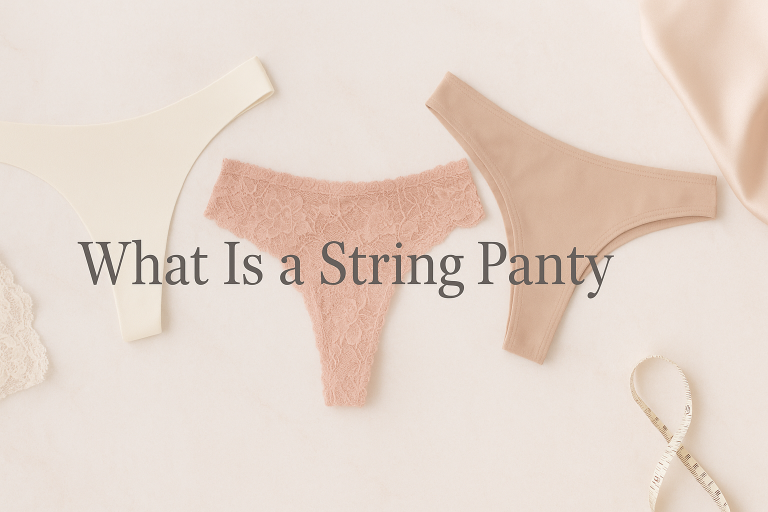
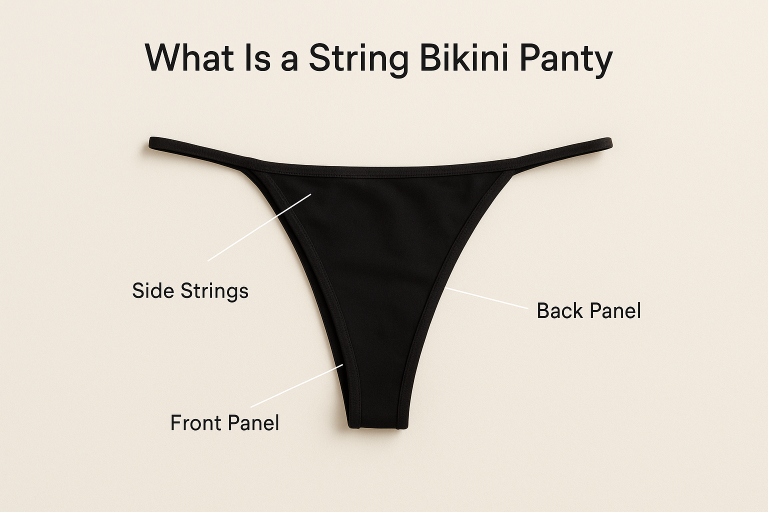
Period underwear is available in the same cuts as regular underwear: bikini, hipster, boyshort, high-waist, thong, and brief. The cut affects both coverage and comfort, but it does not change the gusset’s absorbency level within the same product line.
High-waist styles provide the most secure seal at the waistband and the least risk of gusset shifting during sleep or active movement. Boyshort styles provide the widest leg coverage and are preferred by people who experience leaking at the inner thigh. Thong-cut period underwear, such as those offered by Thinx and Knix, uses a narrower gusset and is best suited to light flow days or as backup protection only.
Starting with a high-waist brief in a moderate absorbency is the most reliable first purchase for new users because it provides the maximum coverage and the most forgiving fit while you learn your personal flow volume.
Here is a tool to help you decide whether period underwear, a menstrual cup, or disposable products are the right starting point for your specific needs.
Decision Tool
Which Menstrual Product Is Right for You?
Answer a few quick questions for a tailored recommendation.
Who Should and Should Not Use Period Underwear
Period underwear is appropriate for most people who menstruate, including teenagers, adults, people with heavy flow from fibroids or endometriosis, and those approaching menopause with irregular periods. It is also widely used for postpartum lochia (postpartum bleeding) and light urinary incontinence as a secondary function.
The American College of Obstetricians and Gynecologists has not issued specific guidance on period underwear but does recommend that people with heavy menstrual bleeding track their product usage frequency as part of diagnosing conditions such as iron-deficiency anemia.
Groups Who Benefit Most From Period Underwear
Teenagers and first-time menstruators benefit significantly because period underwear requires no insertion technique and eliminates the anxiety of tampon placement. A 2021 survey published in the journal BMC Women’s Health found that 74 percent of adolescents who switched to period underwear reported reduced menstrual anxiety compared to disposable products.
People with endometriosis or fibroids who experience unpredictable heavy flow benefit from the overnight and super-heavy styles that can hold 40 to 50 ml, which reduces nighttime leak anxiety. People in perimenopause with irregular or suddenly heavier periods benefit from keeping a pair in their bag as insurance on unpredictable days.
When Period Underwear Alone Is Not Sufficient
Period underwear is not a reliable standalone product for people who soak through a super tampon in under 2 hours, which is the clinical threshold for menorrhagia (abnormally heavy menstrual bleeding) according to the American Academy of Family Physicians. If your flow consistently exceeds the capacity of a super-heavy period underwear style within 4 hours, this is a symptom worth discussing with a gynecologist rather than a sizing problem to solve with a different product.
Period underwear is also not suitable for swimming or full submersion, because the absorbent core saturates with water immediately and the barrier layer does not function as a waterproof seal during immersion.
Period underwear fits into almost every life stage and flow level, but knowing its specific limitations helps you pair it correctly with other products when your flow exceeds what any single product can handle alone.
Frequently Asked Questions About How Period Underwear Works
Does period underwear actually work or does it just leak?
Period underwear works effectively when matched to the correct absorbency level for your flow volume. Independent testing by Wirecutter, which evaluated nine period underwear brands in 2022, found that all tested pairs held their stated fluid capacity without leaking when fluid was added at a realistic rate. Leaking occurs most often when buyers choose an absorbency tier that is too light for their actual flow, or when the gusset shifts out of position due to a poor fit at the waistband or leg opening. Sizing up one absorbency tier from what you estimate you need eliminates most first-time leaking issues.
Can you feel wetness when wearing period underwear?
Most period underwear users report feeling dry against the skin for the first 2 to 4 hours of wear, after which a slight warmth or dampness may become noticeable. This is normal and reflects the absorbent core reaching partial capacity, not a product failure. The moisture-wicking top layer pulls fluid down and away from the skin surface, but it cannot create a completely dry sensation indefinitely the way a disposable pad with a dry-weave top sheet does. Brands with tightly woven polyester or nylon top layers, such as Knix and Thinx, consistently score highest in dryness perception tests.
How many pairs of period underwear do you need for a full cycle?
Most people need 5 to 7 pairs to get through a full menstrual cycle without doing laundry mid-cycle, assuming one pair per 8 to 12 hours on moderate flow days and two pairs per day on the heaviest 1 to 2 days. A minimum functional rotation is 3 pairs if you are willing to rinse and air dry pairs overnight. The optimal starting set for most people is 4 to 5 pairs: two heavy-absorbency styles for days 1 and 2, two moderate-absorbency styles for days 3 and 4, and one light style for spotting days at the end of the cycle.
Can you wear period underwear overnight?
Period underwear designed specifically for overnight use is one of the most reliable overnight menstrual products available, according to consumer testing by Good Housekeeping Institute. Overnight styles feature a full-length gusset that extends from the front waistband to the back waistband, providing coverage in both the front and back positions that occur during side sleeping. These styles hold 40 to 50 ml and are suitable for most users including those with moderate to heavy overnight flow. Change the underwear in the morning within 8 to 12 hours of first putting it on.
Is period underwear hygienic?
Period underwear is hygienic when washed after each use according to the manufacturer’s care instructions. The primary hygiene risk with any reusable menstrual product is inadequate washing that leaves residual fluid in the absorbent core, which creates a warm, moist environment where bacteria can multiply. Cold-water rinsing immediately after removal, followed by a full machine wash on a cold gentle cycle with fragrance-free detergent, eliminates this risk. The World Health Organization classifies reusable menstrual hygiene products as acceptable and hygienic when washing facilities are available.
Do you need to change period underwear throughout the day?
Period underwear should be changed every 8 to 12 hours on average flow days, or sooner if the gusset feels wet against your skin. On heavy flow days, most people change after 6 to 8 hours, which is similar to changing a high-absorbency tampon or pad. Wearing the same pair for longer than 12 hours increases the risk of odor developing in the absorbent core, even if the pair has not reached full capacity. Carrying a spare pair and a small waterproof bag for the used pair allows comfortable all-day wear when changing is needed away from home.
Can you use period underwear if you have a sensitive vulva or skin allergies?
People with vulvar sensitivity or contact dermatitis should choose period underwear with an OEKO-TEX Standard 100 certified organic cotton top layer and a confirmed PFAS-free construction. Synthetic moisture-wicking top layers made from polyester or nylon may cause irritation in people with fabric sensitivities, since the gusset is in prolonged direct contact with the most sensitive skin on the body. Brands offering organic cotton top layers include Saalt (Wear organic line) and Modibodi (Organic Cotton range). Patch test any new period underwear by wearing it for 2 to 3 hours before a full-day trial.
Period underwear works through a reliable four-layer system that wicks, absorbs, contains, and protects, and choosing the right pair comes down to matching your flow volume to the correct absorbency tier and your body to the correct cut. Start with a OEKO-TEX certified, heavy-absorbency high-waist brief for your first pair, verify the gusset coverage reaches both your front and back, and follow the cold-water care routine to keep the layers functioning for two to five years. Replace disposables one product at a time, starting with your overnight pad, to build confidence in the product before committing to a full rotation.


2 Comments