Best Period Underwear for Heavy Flow: Ultimate Guide & Tips
Period underwear for heavy flow holds between 8 and 20 teaspoons of menstrual fluid per pair, making them a reliable alternative to pads or tampons for people who bleed heavily. Heavy flow affects roughly 1 in 5 people with periods, according to the American College of Obstetricians and Gynecologists (ACOG). This guide covers the best options, what to look for, and how to choose the right pair based on your flow volume, body shape, and lifestyle.
What Makes Period Underwear Work for Heavy Flow
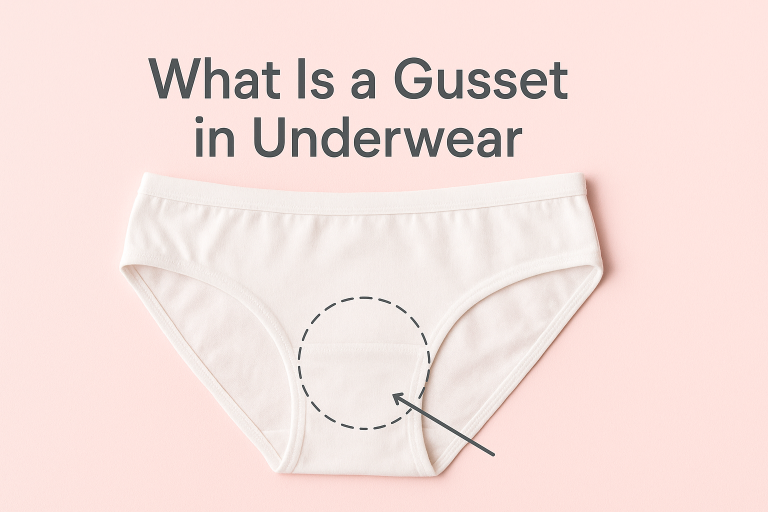
Period underwear designed for heavy flow uses a multi-layer absorbent gusset, typically 3 to 5 layers of moisture-wicking, absorbent, and leak-proof fabric stacked together. The absorbent core in most heavy-flow styles is made from cotton, bamboo, or a blend that pulls fluid away from skin and traps it before it can reach the leak-proof outer shell.
The leak-proof layer is usually a thin laminate, often polyurethane or thermoplastic polyurethane (TPU), bonded to the fabric’s underside without adding bulk. Unlike pads, period underwear distributes absorbency across the entire gusset rather than concentrating it in a single strip, which reduces the risk of side leaks during movement.
How Absorbency Levels Are Measured
Period underwear brands measure absorbency in teaspoons or milliliters of fluid retained. Light styles hold 1 to 2 teaspoons (5 to 10 ml). Heavy-flow styles hold 4 to 6 teaspoons (20 to 30 ml). Extra-heavy or overnight styles hold 8 to 10 teaspoons (40 to 50 ml) or more.
The average total menstrual volume per cycle is 30 to 50 ml, according to a study published in the British Journal of Obstetrics and Gynaecology. Heavy menstrual bleeding (HMB) is clinically defined as more than 80 ml per cycle, which means people with HMB may soak a heavy-absorbency pair within 2 to 4 hours on their heaviest day.
The Role of Fabric Composition in Performance
Cotton inner layers are breathable and soft against skin, making them the most common choice for all-day wear. Bamboo viscose offers similar breathability with naturally moisture-wicking properties. Synthetic blends like nylon and spandex improve stretch and recovery, which matters for a snug, leak-resistant fit during physical activity.
The outer shell is almost always a synthetic blend to maintain the integrity of the leak-proof laminate through repeated washing. A typical heavy-flow period underwear construction includes an inner layer of 95% organic cotton and 5% elastane, a middle absorbent layer of microfiber or bamboo terry, and a TPU leak-proof backing.
Choosing the right fabric depends on your priorities: cotton-heavy constructions breathe better during daytime wear, while synthetic-dominant styles hold their shape and stretch better for active use. The best period underwear for heavy flow combines both in a layered system rather than relying on a single fabric throughout.
Best Period Underwear for Heavy Flow: Top Picks
The following options are selected based on verified absorbency ratings, material composition, size range, and independent user testing. Each addresses a specific need within the heavy-flow category.
Thinx for All Period Underwear (Super Style)
Thinx Super holds up to 4 teaspoons (approximately 20 ml) and uses a proprietary four-layer system with an organic cotton inner, an absorbent layer, an odor-control treatment, and a leak-resistant base. The brief-cut style sits at the natural waist and provides full rear coverage, which reduces leak risk during overnight use.
Key Specifications:
- Absorbency: 4 teaspoons (approximately 20 ml)
- Sizes: XS to 4X
- Fabric: 95% organic cotton inner, 5% elastane outer blend
- Waistband: Soft, non-binding elastic
- Machine washable: Cold water, hang dry
Modibodi Heavy-Overnight Brief
Modibodi’s Heavy-Overnight Brief holds 10 ml in the front and 20 ml in the rear panel, making it specifically engineered for back-sleepers and people who experience overnight flooding. The Modifier Technology uses a patented three-layer system: a merino wool or microfiber top layer for moisture wicking, a highly absorbent middle layer, and a waterproof base.
Key Specifications:
- Absorbency: up to 20 ml total (front plus rear)
- Sizes: 6 to 26 (Australian sizing, converts to US XS to 3X)
- Fabric: Merino wool or recycled microfiber top layer
- Style: Full-coverage high-waist brief
- Machine washable: 30 degrees Celsius, delicate cycle
Knix Super Leakproof Underwear
Knix Super Leakproof holds up to 8 teaspoons (40 ml) per pair, making it one of the highest-absorbency options on the market for daytime wear. The DreamKnit fabric blend is 81% nylon and 19% elastane with a built-in four-layer gusset that spans wider than most competitors, covering from front to back seam.
Key Specifications:
- Absorbency: 8 teaspoons (40 ml)
- Sizes: XS to 5X
- Fabric: 81% nylon, 19% elastane with leak-proof laminate
- Gusset coverage: Full front-to-back span
- Machine washable: Cold water, low tumble dry
Dear Kate Ultra Undies
Dear Kate uses patented Underlux technology, a three-layer moisture-wicking microfiber system bonded without glue or chemicals, which the brand states holds up to 8 teaspoons. The fabrication is 87% nylon, 13% spandex, which gives a smooth, seamless appearance under clothing, and the gusset extends further toward the front than most competitors.
Key Specifications:
- Absorbency: Up to 8 teaspoons
- Sizes: XS to 3X
- Fabric: 87% nylon, 13% spandex (Underlux system)
- Style: Brief, bikini, and hipster cuts available
- Machine washable: Cold, gentle cycle, hang dry
Bambody Absorbent Period Underwear
Bambody uses a bamboo viscose inner layer, which is naturally antibacterial and temperature-regulating, making it a strong option for people with sensitive skin or those who experience night sweats alongside heavy flow. The style holds 4 to 6 teaspoons and is one of the more affordable heavy-flow options, retailing between $15 and $22 per pair.
Key Specifications:
- Absorbency: 4 to 6 teaspoons
- Sizes: XS to 3XL
- Fabric: 95% bamboo viscose, 5% elastane inner layer
- Price range: $15 to $22 per pair
- Machine washable: Cold water, gentle cycle
Selecting the right brand comes down to matching absorbency capacity to your actual flow volume on your heaviest day, then confirming the size range and style work for your body and sleep position. The table below compares these five options side by side to simplify that decision.
Use the table below to compare the top heavy-flow period underwear options across the specifications that matter most for high-absorbency use.
| Brand and Style | Absorbency (ml) | Size Range | Inner Fabric | Price Range | Best For |
|---|---|---|---|---|---|
| Thinx Super Brief | 20 ml | XS to 4X | Organic cotton | $35 to $45 | Everyday heavy flow, sensitive skin |
| Modibodi Heavy-Overnight | 30 ml total | XS to 3X (US) | Merino or microfiber | $28 to $38 | Overnight, back-sleepers, flooding |
| Knix Super Leakproof | 40 ml | XS to 5X | Nylon/elastane blend | $28 to $38 | Highest absorbency daytime use |
| Dear Kate Ultra Undies | 40 ml | XS to 3X | Nylon/spandex blend | $30 to $40 | Seamless look, all-day wear |
| Bambody Absorbent | 20 to 30 ml | XS to 3XL | Bamboo viscose | $15 to $22 | Budget-friendly, sensitive skin |
Knix and Dear Kate lead for maximum single-pair absorbency, while Modibodi’s rear-weighted design is the standout choice for overnight use specifically.
Here is an interactive finder to help match your flow type and priority to the right period underwear style.
Interactive Finder
Find the Right Period Underwear for Your Heavy Flow
Answer 2 questions to get a personalized recommendation based on your flow and priorities.
How to Choose Period Underwear for Heavy Flow
Choosing period underwear for heavy flow requires matching three variables: absorbency capacity to your actual flow volume, fit style to your body shape and sleep position, and fabric composition to your skin sensitivity and activity level. Getting one variable wrong typically causes leaks even if the other two are correct.
Match Absorbency to Your Actual Flow Volume
Tracking flow volume is the most reliable way to choose the right absorbency tier. A fully saturated regular tampon holds approximately 5 ml of fluid. If you soak 2 regular tampons per hour for more than 2 consecutive hours, ACOG classifies this as heavy menstrual bleeding, and you likely need a pair rated at 30 ml or higher for extended wear.
For people who experience flooding (sudden large volume discharge), rear-weighted absorbency designs like Modibodi Heavy-Overnight are more effective than evenly distributed gusset constructions because they account for the physics of lying flat.
Choose the Right Style for Your Body Shape and Sleep Position
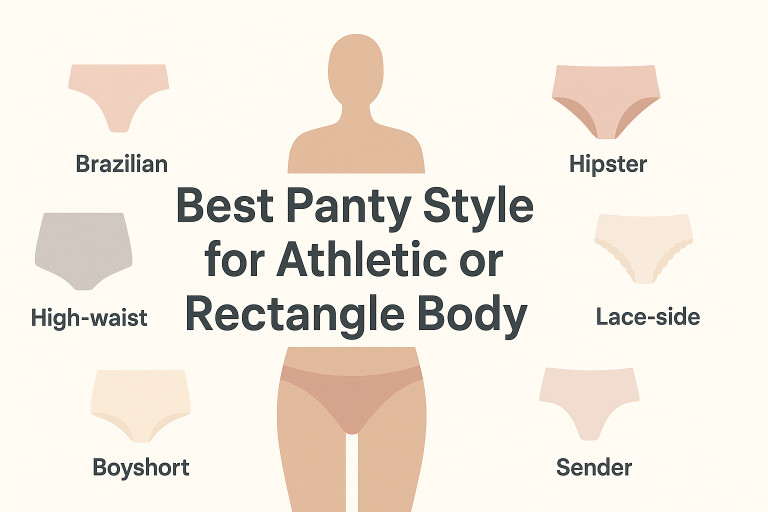
Brief and high-waist styles provide the most gusset coverage front-to-back and are the most reliable choice for heavy daytime and overnight use. Bikini and hipster cuts offer less rear coverage and are better suited to moderate rather than very heavy flow. Boyshort cuts provide extended side coverage, which reduces the risk of lateral leaks during active movement.
Back-sleepers experience higher leak risk at the rear seam. Front-sleepers experience higher leak risk at the front waistband. Side-sleepers benefit most from high-waist styles that extend absorbency upward on both sides.
Consider Waistband and Leg Band Fit
A waistband that digs or rolls compromises the leak-proof seal at the edges of the gusset. The waistband should lie flat against the skin without leaving a red mark after 8 hours of wear. Leg bands that gap at the inner thigh create a direct leak pathway regardless of how absorbent the gusset is.
When sizing, prioritize hip circumference over waist measurement for brief-cut styles, since the widest point of the gusset must sit against the body without pulling. Most brands recommend going up one size if you are between sizes to ensure the leg bands maintain contact with the skin throughout wear.
Getting the fit right matters more than brand selection: a well-fitted pair with moderate absorbency will outperform a poorly fitted pair with maximum absorbency every time.
Period Underwear vs Pads vs Menstrual Cups for Heavy Flow
Period underwear, heavy-flow pads, and menstrual cups each address heavy bleeding differently. Period underwear distributes absorbency across a wide surface area. Pads concentrate absorbency in a narrow strip. Menstrual cups collect fluid internally rather than absorbing it externally.
Use the table below to decide which product type best fits your heavy-flow management needs across the most important practical variables.
| Variable | Period Underwear | Heavy-Flow Pads | Menstrual Cups |
|---|---|---|---|
| Max capacity per use | 20 to 40 ml per pair | 10 to 15 ml per pad | 25 to 35 ml per cup |
| Wear duration (heavy flow) | 3 to 8 hours depending on absorbency | 2 to 4 hours | Up to 12 hours (FDA-cleared limit) |
| Leak coverage | Full gusset, front and rear | Center strip only | Collects internally, no external coverage |
| Reusability | 2 to 5 years with proper care | Single use | Up to 10 years with proper care |
| Best for | Overnight, backup, all-day comfort | Convenience, no learning curve | Active lifestyles, long wear windows |
| Limitations | Requires washing, drying time | Ongoing cost, environmental impact | Insertion learning curve, not suitable for all anatomy |
Period underwear and menstrual cups are the two highest-capacity reusable options, and many people with heavy flow use both: the cup internally during the day and period underwear overnight or as backup.
Using Period Underwear as a Backup
Period underwear works as a backup to a menstrual cup or menstrual disc on the heaviest days of a cycle, catching overflow when the internal product reaches capacity before a bathroom visit is possible. Thinx, Knix, and Dear Kate all manufacture lighter-absorbency styles specifically marketed for this backup use case, typically holding 10 to 15 ml rather than the full 40 ml of a heavy-flow style.
Using a light-absorbency period underwear as backup with a cup is more comfortable than wearing a full heavy-flow pair because the lower-bulk gusset feels closer to regular underwear. This combination approach is recommended by gynecologists as one of the most reliable strategies for managing HMB without medication, according to a review published in the Journal of Minimally Invasive Gynecology.
How to Wash and Care for Period Underwear
Proper washing extends the functional life of period underwear and preserves the integrity of the leak-proof laminate layer. Incorrect care, specifically hot water, fabric softeners, or tumble drying on high heat, degrades the TPU laminate and reduces absorbency over time.
Rinsing Before Washing
Rinse period underwear in cold water immediately after removal, before blood has a chance to set into the absorbent fibers. Cold water causes blood proteins to contract, which makes them easier to rinse out. Hot water causes those same proteins to bond more firmly to fabric, making stains permanent.
Rinse until the water runs clear, then either machine wash immediately or allow to soak in cold water for up to 2 hours. Do not leave saturated period underwear sitting unwashed for more than 12 hours, as this can cause odor-causing bacteria to develop in the absorbent layers.
Machine Washing Guidelines
Machine wash period underwear on a cold or 30-degree Celsius delicate cycle. Place pairs in a mesh laundry bag to protect the elastic waistband and leg bands from friction with other garments. Use a lingerie-specific or gentle detergent without optical brighteners, fabric softeners, or bleach.
Fabric softeners coat the absorbent fibers with a hydrophobic film, which actively repels moisture and reduces absorbency by up to 50% with repeated use. This is the single most common reason period underwear stops absorbing effectively before the end of its stated lifespan.
Drying Period Underwear Correctly
Hang dry or lay flat to dry all period underwear. Tumble drying at any heat setting degrades the TPU laminate over time, causing delamination that creates small gaps in the leak-proof layer. Air drying typically takes 8 to 12 hours in a ventilated room at room temperature, or 4 to 6 hours in direct sunlight.
If tumble drying is necessary, use the lowest possible heat setting and remove the underwear while still slightly damp to finish air drying. Never iron period underwear, as direct heat applied to the laminate layer causes immediate and permanent damage.
Consistent cold-wash and hang-dry care extends the functional lifespan of a quality period underwear pair from 1 to 2 years up to 4 to 5 years based on manufacturer data from Thinx and Modibodi.
How Many Pairs Do You Need for a Full Cycle
The number of pairs needed for a full cycle without daily laundry depends on cycle length, flow heaviness, and how frequently you are willing to wash. A person with a 5-day cycle and heavy flow for days 1 through 3 needs a minimum of 5 pairs to get through one cycle without washing, or 3 pairs with every-other-day washing.
Building a Heavy-Flow Rotation
A practical heavy-flow rotation typically includes 2 to 3 heavy-absorbency pairs (30 to 40 ml) for the first 2 to 3 days, 2 to 3 moderate-absorbency pairs (15 to 20 ml) for days 3 to 5 as flow tapers, and 1 to 2 light-absorbency pairs (5 to 10 ml) for the final day and spotting.
The total cost of a complete rotation using Knix Super (heavy, $33 per pair) and Thinx Hiphugger (moderate, $28 per pair) for a 7-pair rotation is approximately $210 to $250 upfront, compared to an ongoing cost of $8 to $12 per cycle for disposable pads. The break-even point for the reusable rotation occurs at 18 to 26 cycles, or roughly 1.5 to 2 years of use.
Overnight Versus Daytime Pairs
Daytime and overnight pairs serve different needs and should not be used interchangeably. Overnight styles (Modibodi Heavy-Overnight, Thinx Dream Short) have longer gussets, higher rear absorbency, and wider coverage at the hips. Using a daytime brief as an overnight substitute for heavy flow is the most common source of sheet leaks reported by period underwear users.
For a complete rotation, include at least 2 dedicated overnight pairs in your heavy-flow kit. One overnight pair washes while the other is in use, ensuring you always have a clean pair ready before bed. The overnight period underwear category has expanded significantly, with most major brands now offering dedicated overnight styles.
A well-planned rotation of 6 to 8 pairs (mixing heavy, moderate, and overnight styles) gives people with heavy flow full cycle coverage without daily washing or double-layering pairs.
Period Underwear for Specific Heavy-Flow Situations
Heavy flow varies in character across different life stages and health conditions. Postpartum lochia, perimenopause flooding, and conditions like endometriosis or uterine fibroids each produce distinct flow patterns that require different absorbency strategies.
Postpartum and Lochia
Postpartum lochia (the discharge that follows delivery) is typically heaviest in the first 3 to 4 days and gradually tapers over 4 to 6 weeks, according to ACOG. Volume on day 1 to 3 can exceed 80 ml per day, which exceeds the capacity of a single period underwear pair for many people.
During the first week postpartum, most clinicians recommend disposable postpartum underwear or high-absorbency adult underwear alongside pads rather than standard period underwear, because the volume and consistency of early lochia can exceed what TPU laminates are designed to handle. After week 2, as flow reduces to a heavy-period equivalent, period underwear in the 30 to 40 ml range becomes a practical and comfortable option.
Perimenopause and Flooding Episodes
Perimenopause frequently causes irregular cycles with flooding episodes: sudden high-volume discharge that can produce 20 to 30 ml within 30 to 60 minutes. The North American Menopause Society notes that up to 90% of people in perimenopause experience cycle irregularity, with many reporting their heaviest bleeding of their life during this stage.
For perimenopausal flooding, the highest-absorbency pairs available (Knix Super at 40 ml, Dear Kate Ultra at 40 ml) combined with an extra pair carried in a bag provide the most reliable protection. Pairing period underwear with a menstrual disc, which can hold up to 35 ml internally, is a frequently recommended strategy for managing flooding when a bathroom is not immediately accessible.
Endometriosis and Fibroids
Endometriosis and uterine fibroids are among the most common causes of clinically defined heavy menstrual bleeding. A study published in the American Journal of Obstetrics and Gynecology found that 41% of people with uterine fibroids reported soaking through protection within 1 hour on their heaviest day.
For this population, the combination strategy (menstrual cup or disc internally, maximum-absorbency period underwear externally) provides the most reliable coverage. Period underwear alone, even at 40 ml capacity, may not be sufficient for the very heaviest fibroids-related flow without supplementation.
If you are experiencing heavy menstrual bleeding that interferes with daily activities, soaks through a pad or tampon within 1 hour, or requires getting up overnight to change protection, ACOG recommends discussing this with a healthcare provider, as it may indicate an underlying condition that is treatable.
Price Comparison: Period Underwear for Heavy Flow
The following price comparison covers the five top-rated heavy-flow period underwear options reviewed in this guide. Prices are per pair at the standard single-unit retail price and reflect the heavy-absorbency style from each brand.
Price Comparison
Heavy-Flow Period Underwear Price Per Pair
Price per pair for the heavy-absorbency style from each brand. Prices verified at time of publication.
$18
$33
$33
$35
$40
Multi-pair packs and subscription pricing typically reduce per-pair cost by 10 to 20% for Thinx and Knix. Bambody is most frequently available in multi-pack pricing, which can reduce per-pair cost to $12 to $15.
Frequently Asked Questions About Period Underwear for Heavy Flow
How long can you wear period underwear on a heavy flow day?
Period underwear rated at 30 to 40 ml of absorbency can typically be worn for 4 to 8 hours on a heavy flow day before reaching capacity. For context, clinical definitions of heavy menstrual bleeding from ACOG describe soaking through a pad or tampon every hour for 2 consecutive hours, which equals approximately 10 ml per hour. At that rate, a 40 ml pair would be saturated in roughly 4 hours. On moderate-heavy days (5 to 8 ml per hour), the same pair can last 6 to 8 hours.
Can period underwear replace pads entirely for heavy flow?
Period underwear can replace pads for most people with heavy flow during daytime hours when using a 30 to 40 ml absorbency style and changing every 4 to 6 hours on the heaviest days. For people with clinically defined heavy menstrual bleeding exceeding 80 ml per cycle, or those who experience flooding episodes, period underwear paired with an internal device (menstrual cup or disc) provides more reliable protection than period underwear alone. ACOG does not currently issue specific guidance on period underwear as a pad replacement, but the absorbency ratings of high-capacity styles are comparable to overnight pad absorption.
Do period underwear leak at night for heavy flow?
Standard daytime period underwear briefs can leak overnight for heavy bleeders because the gusset is not designed to redirect flow when lying down. Dedicated overnight styles (Modibodi Heavy-Overnight, Thinx Dream Short) address this by extending the absorbent gusset further toward the rear and increasing rear-panel absorbency specifically. Back-sleepers are most at risk with standard brief cuts. Side-sleepers benefit most from high-waist styles that cover the hip area. Sizing up by one in overnight styles provides additional security for people with heavy nocturnal flow.
Are period underwear safe for people with sensitive skin?
Period underwear with organic cotton or bamboo viscose inner layers is generally well-tolerated by people with sensitive skin. A review published in Contact Dermatitis noted that synthetic inner layers (nylon, polyester) can increase moisture retention and friction, which may exacerbate vulvar irritation in sensitive individuals. Brands using certified organic cotton inner layers (Thinx, Bambody) and those certified to Oeko-Tex Standard 100, which tests for 100+ harmful substances, are generally the safest choice for sensitive skin. Avoid styles with fragrance treatments or antimicrobial silver coatings if you have known chemical sensitivities.
How do you know when period underwear needs to be replaced?
Period underwear should be replaced when it shows reduced absorbency (fluid sits on top of the fabric rather than being absorbed), visible delamination of the leak-proof layer, thinning of the gusset fabric, or permanent odor that does not clear after washing. Thinx states a functional lifespan of 2 years with proper care. Modibodi states up to 5 years. The most common cause of early replacement is improper washing: hot water, fabric softener, and high-heat drying accelerate all three failure modes. With cold-wash and air-dry care, most quality heavy-flow pairs outlast the manufacturer’s minimum stated lifespan.
Can you wear period underwear for postpartum bleeding?
Period underwear is generally suitable for postpartum use after the first 3 to 7 days when lochia volume reduces from flooding-level discharge to a heavy-period equivalent. During the first 48 to 72 hours postpartum, lochia volume typically exceeds 60 to 80 ml per day, which surpasses the capacity of even the highest-absorbency period underwear styles without frequent changing. Disposable postpartum underwear or padded postpartum shorts are more appropriate for early lochia. From week 2 onward, a 30 to 40 ml period underwear pair provides comfortable and effective coverage as postpartum discharge tapers to manageable volumes.
Period underwear for heavy flow works best when you match the absorbency rating to your actual flow volume, choose the right style for your sleep position and activity level, and build a rotation with dedicated daytime and overnight pairs. Start with one heavy-absorbency pair to confirm fit and capacity before building a full rotation, and prioritize cold-wash care to protect the leak-proof laminate from day one.