
How to Wash Period Underwear for Odor-Free, Leak-Proof Wear
Period underwear needs a specific washing method to stay leak-proof and odor-free wash after wash. Rinsing in cold water immediately after use, then washing gently with the right detergent, protects the absorbent layers that make period underwear work. This guide covers every step, from the first rinse to drying, so your underwear lasts through hundreds of washes without losing performance.
Why Washing Period Underwear Correctly Matters
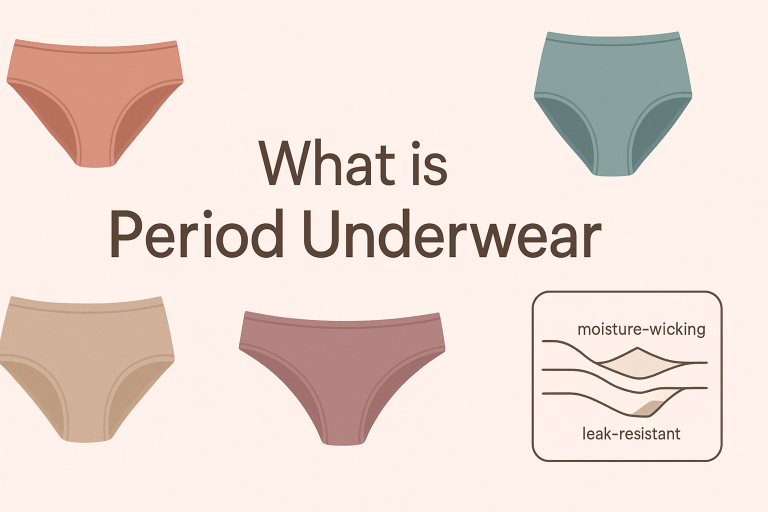
Period underwear contains multiple fabric layers, including a moisture-wicking top layer, an absorbent middle layer, and a leak-resistant base layer. Incorrect washing, such as using hot water, fabric softener, or a dryer on high heat, breaks down these layers and reduces absorbency over time.
According to textile care researchers at the American Cleaning Institute, heat is the primary cause of elastic and absorbent fiber degradation in performance fabrics. Period underwear relies on tightly woven microfiber or meryl jersey blends, and temperatures above 30 degrees Celsius begin to break those fibers down after repeated exposure.
Fabric softener is the second most damaging factor. Softener coats the absorbent fibers with a hydrophobic (water-repelling) film, which directly reduces how much liquid the underwear can hold. Brands including Thinx, Modibodi, and Knix all explicitly state in their care instructions that fabric softener must never be used on period underwear.
Washing period underwear correctly from the very first use extends its functional lifespan from an average of 2 years to 5 or more years, based on care data published by Modibodi, one of the leading period underwear manufacturers.
Treat every wash as maintenance for a technical garment, not basic laundry, and the absorbency, odor resistance, and leak protection will remain intact for years.
Step-by-Step Guide to Washing Period Underwear
The process for washing period underwear has six steps, and each one protects a different function of the garment. Skipping or shortcutting any step risks permanent damage to the absorbent layers.
Here is a visual summary of the full washing process before each step is explained in detail.
Step-by-Step Guide
How to Wash Period Underwear Step by Step
6 steps to protect absorbency and extend garment life. Applies to all period underwear brands.
Cold rinse immediately after removal
Hold the underwear under cold running water and rinse until the water runs clear. This flushes out the bulk of blood before it sets into the absorbent fibers, which takes 1 to 3 minutes depending on flow level.
Soak in cold water (optional for heavy days)
For heavier flow days, soak in cold water for up to 30 minutes before washing. Never use warm or hot water at this stage, as heat sets protein-based stains like blood permanently into fabric.
Hand wash or machine wash on gentle cycle
Hand washing in cold water with a mild detergent is the gentlest option and extends fabric life the most. If machine washing, use a mesh laundry bag, cold water, and the delicate or gentle cycle only.
Use a mild, fragrance-free detergent only
Choose a detergent without fabric softener, bleach, or added fragrance. A small amount (1 teaspoon for hand washing, standard dose for machine) is sufficient to clean without leaving residue on the absorbent layers.
Rinse thoroughly until no soap remains
Detergent residue left in the fabric reduces absorbency in the same way fabric softener does. Rinse with clean cold water until the water runs completely clear and feels slip-free.
Air dry flat or hang dry, never tumble dry
Lay flat or hang to air dry away from direct sunlight or heat sources. Tumble drying, even on low heat, degrades the elastane content and the leak-resistant membrane within 10 to 15 cycles, according to Thinx care guidelines.
Following all six steps after every single use, not just occasionally, is what maintains performance across hundreds of washes.
Hand Washing vs Machine Washing Period Underwear
Both hand washing and machine washing are safe for most period underwear when done correctly. The method you choose affects how long the underwear retains peak absorbency and how much the elastic and leak-resistant layers degrade over time.
How to Hand Wash Period Underwear
Hand washing period underwear is the method recommended by the majority of period underwear brands, including Thinx, Modibodi, and Dear Kate, because it eliminates the mechanical agitation risk from machine drum action. Fill a clean sink or basin with cold water and add 1 teaspoon of a mild, fragrance-free lingerie wash detergent.
Submerge the underwear and gently work the detergent through the fabric using your hands for 2 to 3 minutes, paying particular attention to the absorbent gusset area. Rinse under cold running water until no soap trace remains, then press gently to remove excess water without wringing or twisting, which distorts the gusset seams.
How to Machine Wash Period Underwear
Machine washing is suitable for period underwear when two conditions are met: the underwear is placed inside a mesh laundry bag, and the machine is set to a cold, delicate or gentle cycle. A mesh bag prevents the underwear from snagging on other garments and reduces the mechanical friction that damages the leak-resistant membrane.
Use a standard dose (not extra-large) of a mild detergent without fabric softener or bleach additives. Washing period underwear with heavy denim, towels, or items with zippers increases abrasion damage even inside a mesh bag, so pairing with other delicates or light clothing is preferable.
Which Method Lasts Longer
Hand washing extends garment life measurably longer than machine washing. Modibodi’s care data indicates that consistently hand-washed period underwear maintains full absorbency for 5 or more years, while machine-washed pairs typically show absorbency decline after 2 to 3 years of weekly use.
For most people, a practical compromise is hand washing during the period itself (when the underwear needs immediate attention after removal) and occasional machine washing during lighter use cycles when the underwear is being laundered as part of a regular wardrobe rotation.
Use the table below to compare hand washing and machine washing across the factors that affect long-term performance.
| Factor | Hand Washing | Machine Washing |
|---|---|---|
| Water temperature | Cold only | Cold only, delicate cycle |
| Fabric stress level | Very low (manual agitation) | Low to moderate (drum action) |
| Leak-resistant membrane risk | Minimal | Low with mesh bag |
| Expected lifespan | 5 or more years | 2 to 3 years (weekly use) |
| Time required | 5 to 8 minutes | Full machine cycle |
| Best for | Daily use during period | Routine between-cycle laundry |
Hand washing wins on longevity, but machine washing with a mesh bag is a practical and safe alternative for busy schedules.
What Detergent to Use for Period Underwear
The right detergent for period underwear is mild, fragrance-free, and free from fabric softener, optical brighteners, and bleach. These additives coat or chemically alter the absorbent fibers in ways that reduce performance and can cause skin irritation in a sensitive area.
Detergent Ingredients That Damage Period Underwear
Fabric softener, as noted above, deposits a hydrophobic coating on microfiber absorbent layers that makes them repel moisture rather than absorb it. Optical brighteners, which are common in standard laundry detergents, are UV-reactive chemicals that can accumulate in fabric and irritate the vulval area over time, according to dermatological research published in the journal Contact Dermatitis.
Chlorine bleach breaks down elastane fibers, which are present in virtually all period underwear to provide stretch and recovery. Even diluted bleach use weakens the elastic waistband and gusset within 5 to 10 wash cycles.
Recommended Detergent Types
A gentle, pH-neutral delicate fabric detergent is the standard recommendation from period underwear brands. Brands such as The Laundress Delicate Wash, Thinx’s own rinse, and Soak Wash are specifically formulated without softeners or brighteners and are safe for repeated use on absorbent performance fabrics.
For hand washing, 1 teaspoon of detergent per basin of cold water is sufficient. More detergent does not clean more thoroughly; it increases the residue left behind after rinsing, which itself reduces absorbency.
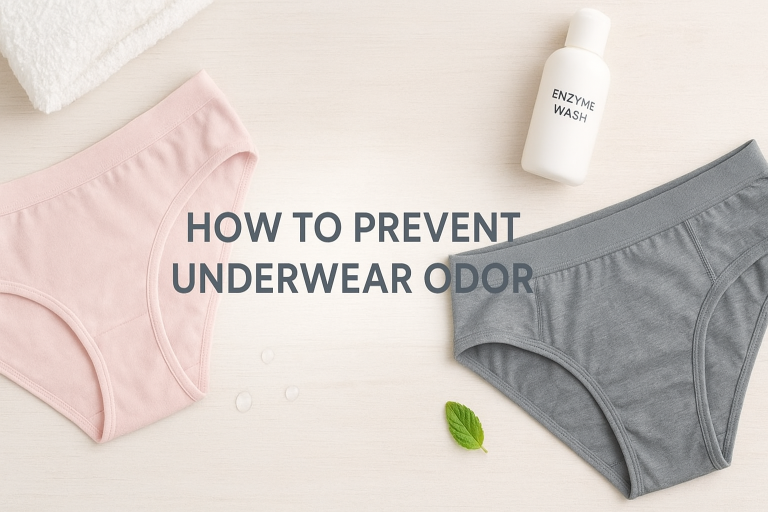
Enzyme-based detergents are safe and can be beneficial for blood-based stains, as enzymes break down protein chains in blood. Look for products containing protease enzymes, which are the specific enzyme type that targets protein-based stains like blood, and confirm the formula is free from softener additives before using.
The single most important detergent rule is to check the label for fabric softener content, which is sometimes listed as “softening agents” or “conditioning agents” rather than the phrase “fabric softener.”
How to Remove Stains from Period Underwear
Blood stains on period underwear respond best to cold water and immediate treatment. The key principle from textile science is that blood is a protein-based stain, and protein coagulates and bonds permanently to fabric fiber when exposed to heat, making cold water the only safe treatment medium.
Cold Water Stain Removal Method
Rinse the stained area under cold running water as soon as possible after removal. Apply a small amount of mild detergent directly to the stained gusset and work it in gently with your fingers using a circular motion for 60 seconds.
Rinse again under cold water and check whether the stain has lifted. For fresh stains, this single treatment is typically sufficient. For stains that have partially set (for example, from overnight wear), repeat the process 2 to 3 times before proceeding to the full wash.
Natural Stain Treatment Options
Hydrogen peroxide (3% concentration, the standard pharmacy concentration) applied directly to a blood stain and left for 5 minutes before rinsing is an effective and fabric-safe stain remover for cotton-based period underwear. Thinx specifically lists 3% hydrogen peroxide as an approved stain treatment in its care FAQ.
Cold salt water soaking (1 tablespoon of table salt dissolved in 1 liter of cold water) is a traditional method supported by textile care research for loosening set blood stains before washing. Soak for 15 to 30 minutes, then rinse and wash as normal.
What Not to Use on Period Underwear Stains
Avoid commercial stain sprays that contain solvents or bleach compounds, including OxiClean (which uses sodium percarbonate, an oxygen bleach), unless the period underwear brand explicitly approves enzyme or oxygen treatments. Hot water, ironing over the stained area, or tumble drying before the stain is fully removed will permanently set the stain into the fabric.
Cold water, mild detergent, and patience are the three reliable tools for blood stain removal from period underwear.
How to Dry Period Underwear
Air drying is the only recommended drying method for period underwear. The heat from a tumble dryer, even on the lowest setting, degrades the thermoplastic polyurethane (TPU) membrane that gives period underwear its leak resistance, and it accelerates elastane breakdown in the waistband and leg openings.
Air Drying Method
After washing, press the underwear gently between two clean towels or squeeze (do not wring) to remove excess water. Lay flat on a clean drying rack or hang over a towel rail in a well-ventilated area.
Allow 4 to 8 hours for complete drying at room temperature, or overnight if the environment is humid. The underwear must be fully dry before wearing or storing, as residual moisture in the absorbent layers creates conditions for bacteria and odor to develop.
What to Avoid When Drying
Direct sunlight degrades elastane fibers over time, so drying outside in full sun should be limited to occasional use, not routine practice. Placing period underwear directly on a heated towel rail or radiator exposes the fabric to temperatures that can reach 60 to 80 degrees Celsius, which is well above the safe threshold for the TPU membrane.
Tumble drying on any heat setting shortens the functional lifespan of period underwear significantly. Thinx care data shows that repeated tumble drying reduces the leak-resistant layer’s effectiveness within 10 to 15 cycles, compared to 200 or more cycles when air dried consistently.
Air drying is a non-negotiable step, not an optional preference, for maintaining the leak protection that makes period underwear worth investing in.
How Often Should You Wash Period Underwear
Period underwear should be washed after every single use. Because period underwear is in direct contact with menstrual blood, vaginal discharge, and skin, wearing it a second time without washing creates a hygiene risk regardless of how long it was worn during the first use.
The question of how often to wash between periods is more nuanced. Period underwear worn as a backup layer on light days or as everyday underwear outside of menstruation should still be washed after each wear, following the same cold rinse and gentle wash process as during period use, to prevent discharge residue from building up in the absorbent layers over time.
According to Modibodi’s care recommendations, washing period underwear too infrequently (skipping washes between lighter uses) is one of the primary causes of persistent odor, which occurs when organic matter accumulates in the absorbent gusset layers between uses. Once odor is fully embedded, it is difficult to remove completely.
One wash per wear, every time, is both the hygiene standard and the care practice that prevents irreversible odor buildup.
Common Mistakes That Damage Period Underwear
The most common errors when caring for period underwear each target a specific functional layer of the garment. Understanding what each mistake damages makes it easier to avoid them consistently.
Use the table below to identify the most common washing mistakes and understand exactly what damage each one causes.
| Mistake | What It Damages | Result |
|---|---|---|
| Using hot water | Absorbent fibers and elastane | Sets stains permanently, degrades stretch |
| Adding fabric softener | Absorbent microfiber layers | Reduces absorbency by coating fibers |
| Tumble drying | TPU leak-resistant membrane, elastane | Leaks develop, waistband loses shape |
| Using bleach or harsh detergents | Elastane and fabric dye | Elastic fails, color fades unevenly |
| Wringing or twisting | Gusset seams and elastic | Seam separation, stretched waistband |
| Skipping the cold rinse after use | Absorbent gusset layers | Blood sets, permanent staining, odor |
| Storing before fully dry | All layers | Mildew, bacteria growth, permanent odor |
Every mistake on this list is avoidable with the same core habit: cold water, gentle detergent, and air drying after every use.
How to Get Rid of Odor in Period Underwear
Persistent odor in period underwear usually means organic residue has built up in the absorbent layers over multiple washes, often as a result of insufficient rinsing, detergent residue accumulation, or storage before fully dry. The approach to eliminating existing odor is different from preventing it in the first place.
The Deep Clean Soak Method
Fill a clean sink or basin with cold water and add 2 tablespoons of white distilled vinegar (5% acidity, the standard grocery store variety). Submerge the period underwear and soak for 30 minutes, then wash as normal with mild detergent and rinse thoroughly.
White vinegar is a mild acid that breaks down the alkaline residues (from detergent buildup and organic matter) responsible for odor without damaging the TPU membrane or absorbent fibers. This method is approved by several period underwear brands including Knix and Dear Kate as a safe deep-clean treatment.
Baking Soda Treatment for Stubborn Odor
Make a paste from 1 teaspoon of baking soda and a small amount of cold water, apply it to the gusset area, and leave for 10 minutes before rinsing and washing normally. Baking soda is an odor neutralizer that works by raising the pH of acidic odor compounds, converting them to odorless salts.
Do not use baking soda and vinegar simultaneously, as the two neutralize each other on contact and produce neither the acidic nor alkaline environment needed for either to work effectively.
Prevention is More Effective Than Treatment
Odor that has been embedded in absorbent fibers for multiple wash cycles may not fully resolve with any treatment. The most reliable approach is prevention: rinse immediately after removal, rinse thoroughly after washing until water runs clear, and always dry completely before storing.
Odor that persists through three consecutive deep-clean treatments is typically a sign that the absorbent layer has reached the end of its functional lifespan and the underwear needs to be replaced.
How to Store Clean Period Underwear
Period underwear must be completely dry before storage. Even slight residual moisture in the absorbent gusset creates anaerobic (low-oxygen) conditions where odor-causing bacteria thrive, and the resulting odor cannot always be washed out once it is fully embedded.
Store clean, dry period underwear flat or loosely folded in a drawer with adequate airflow. Avoid compressing multiple pairs tightly together in a small drawer or vacuum-sealing them, as compressed storage over long periods can cause the TPU membrane to crease in ways that reduce its integrity.
If storing period underwear for several months (between periods, or as backup stock), keep pairs in a breathable fabric pouch or a cotton storage bag rather than a sealed plastic bag, which traps any residual moisture and odor. A breathable cotton lingerie storage bag is the most practical long-term storage option.
Completely dry storage is the final step that determines whether a well-washed pair of period underwear stays fresh until its next use.
Period Underwear Washing by Brand: Key Differences
Most period underwear brands share the same core care principles, but specific guidance varies for certain materials, absorbency levels, and membrane types. Checking the care label of each specific pair overrides general advice where there is a conflict.
Use the table below to compare the official washing guidance from the four most widely purchased period underwear brands.
| Brand | Machine Wash? | Max Temp | Tumble Dry? | Approved Stain Treatment |
|---|---|---|---|---|
| Thinx | Yes, cold delicate | 30°C (86°F) | No | 3% hydrogen peroxide |
| Modibodi | Yes, cold gentle | 30°C (86°F) | No | Cold water rinse only |
| Knix | Yes, cold delicate | Cold only | No | White vinegar soak |
| Dear Kate | Yes, cold gentle | 30°C (86°F) | No | Mild enzyme detergent |
All four brands agree on three points: cold water only, no fabric softener, and no tumble drying; the differences are primarily in stain treatment approvals.
Frequently Asked Questions About Washing Period Underwear
Can you put period underwear in the washing machine?
Period underwear can be machine washed when placed inside a mesh laundry bag and washed on a cold, delicate or gentle cycle. Major brands including Thinx, Modibodi, and Knix all approve machine washing under these conditions. Using a mesh bag reduces mechanical abrasion from drum action, which protects the leak-resistant membrane. The mesh bag requirement is not optional; without it, repeated machine washing accelerates damage to the gusset layers.
What happens if you wash period underwear in hot water?
Hot water causes two distinct types of damage to period underwear. First, heat permanently sets protein-based stains (blood) into the absorbent fabric, making them impossible to remove. Second, temperatures above 30 degrees Celsius (86 degrees Fahrenheit) break down elastane fibers in the waistband and leg openings, causing them to lose stretch and recovery within 10 to 20 wash cycles. The leak-resistant TPU membrane also degrades faster at elevated temperatures, leading to leaks even before the visible fabric shows signs of wear.
Can I use regular laundry detergent on period underwear?
Regular laundry detergent is safe for period underwear only if it does not contain fabric softener, optical brighteners, or bleach. Many standard detergents include at least one of these additives, so checking the ingredient list before use is essential. Detergents labeled “free and clear” or “sensitive skin” are typically the safest choice because they are formulated without softeners, fragrances, or brighteners. A mild, purpose-specific fragrance-free delicate detergent is preferable over standard formulas for regular use on period underwear.
How do you get the smell out of period underwear?
Persistent odor in period underwear is best addressed with a 30-minute cold water soak using 2 tablespoons of white distilled vinegar (5% acidity), followed by a normal cold wash with mild detergent. White vinegar neutralizes alkaline odor residue in the absorbent fibers without damaging the membrane or fabric. If the odor returns within one or two uses after this treatment, the absorbent layer has likely accumulated enough organic residue that the underwear has reached the end of its functional lifespan and needs to be replaced.
How long does period underwear take to dry?
Period underwear air dries in 4 to 8 hours at room temperature in a well-ventilated space, or overnight in humid conditions. Thicker, high-absorbency styles (such as heavy-flow period underwear with 4 to 6 layer gussets) take longer to dry than light-flow styles with thinner gussets. Drying must be complete before wearing or storage. Residual moisture in the gusset, even a small amount, creates conditions for bacteria and odor to develop within 12 to 24 hours of sealed storage.
Can you use fabric softener on period underwear?
Fabric softener must never be used on period underwear. Every major period underwear brand, including Thinx, Modibodi, Knix, and Dear Kate, explicitly prohibits fabric softener in its care instructions. Fabric softener deposits a hydrophobic (water-repelling) coating on the microfiber absorbent layers, which progressively reduces the underwear’s ability to absorb menstrual flow. This damage is cumulative and irreversible; each wash with softener reduces absorbency further until the underwear fails to contain flow reliably.
Should you rinse period underwear before washing?
Cold rinsing period underwear immediately after removal is the most critical step in the entire care process. Rinsing under cold running water until the water runs clear removes the bulk of blood before it can set into the absorbent fibers. Blood is a protein-based substance that bonds permanently to fabric when heat is applied or when it dries and is left unaddressed for extended periods. A 1 to 3 minute cold rinse immediately after removal prevents stain setting, reduces odor risk, and makes the subsequent wash significantly more effective.
Conclusion
Washing period underwear correctly comes down to four non-negotiable habits: cold water at every stage, no fabric softener, no tumble drying, and a thorough rinse both before and after washing. These steps protect the absorbent layers, the leak-resistant membrane, and the elastane that keeps the fit consistent over hundreds of uses.
Start with the cold rinse immediately after every removal, use a mild fragrance-free detergent, and always air dry completely before storing. For a hands-free approach, place your period underwear in a mesh laundry bag with a small amount of lingerie detergent and wash on cold delicate. Follow these steps consistently and well-made period underwear will deliver reliable protection for 5 or more years.


2 Comments