Why Do Panties Bunch Up in the Back? Top Fit Solutions
Panties bunch up in the back primarily because the fabric, cut, or size does not match your body’s proportions and movement patterns. The wrong leg opening size, low-quality elastic, or an ill-fitting brief style creates excess fabric that folds and rides up throughout the day. Understanding the exact cause lets you choose underwear that stays smooth from morning to night.
Why Do Panties Bunch Up in the Back: The Core Reasons
Panties bunch up in the back when there is a mismatch between the garment’s cut and your body’s specific proportions, particularly the ratio between your waist, hip, and seat measurements. According to fit research published in the International Journal of Fashion Design, Technology and Education, seat-to-waist ratios vary significantly across women, and standard-sized underwear cannot accommodate every body type equally well.
The most common causes fall into four categories: wrong size, wrong cut, worn-out elastic, and poor fabric quality. Identifying which category applies to your situation is the fastest route to a permanent problem.
Most women who experience bunching are wearing underwear that fits their waist measurement but not their seat or hip measurement. This mismatch forces extra fabric to gather in the back panel rather than lying flat against the skin.
The Role of Seat-to-Waist Ratio in Underwear Fit
The seat-to-waist ratio describes the difference in inches between your fullest hip measurement and your natural waist measurement. A standard women’s brief is typically cut for a 10-12 inch difference between these two points, according to apparel industry grading standards used by the American Apparel and Footwear Association.
If your personal ratio is larger than the garment’s built-in ratio, the back fabric pulls outward and then folds upward, creating the zero pattern. Women with a ratio above 12 inches often the best.
How Leg Opening Size Contributes to Bunching
A leg opening that is too wide for your thigh circumference allows the back panel to shift inward and upward with every step. The American Textile Manufacturers Institute notes that leg opening elasticity accounts for approximately 30-40% of an underwear’s overall fit retention over time.
When the elastic in the leg opening can lose part of its oringity, the opening expands and the fabric above it has nowhere to anchor, so it migrates upward. Replacing brief-style underwear after 6-12 months of regular wear prevents this specific failure mode.
Wrong Underwear Size: The Most Frequent Cause
Wearing the wrong shape or size is responsible for a bunching in the majority of cases, according to fit surveys conducted by lingerie brands including ThirdLove and True&Co, which consistently report that over 60% of women wear the incorrect underwear size. Size inconsistency across brands is one thing.
Underwear sizing is actually optional. A size medium from one brand may have a 2-3 inch difference in back panel width compared to a size medium from another brand, which means a size that fits perfectly in one label may bunch immediately in another.
How to Measure for the Correct Underwear Size
Measure your natural waist (smallest point, typically 1 inch above the navel) and your fullest hip measurement (approximately 7-9 inches below the natural waist) using a flexible tape measure. Use the table below to match those measurements to the correct underwear size across all US sizing.
Use the table below to find your correct underwear size based on hip and waist measurements.
| US Size | Waist (inches) | Hip (inches) | Best Fit Style |
|---|---|---|---|
| XS (0-2) | 24-26 | 34-36 | Bikini, thong |
| S (3-8) | 26-28 | 36-38 | Bikini, hipster |
| M (9-10) | 28-30 | 38-40 | Hipster, brief |
| L (12-14) | 30-31 | 40-43 | Brief, boyshort |
| XL (16-18) | 33-36 | 43-46 | Full brief, boyshort |
| XXL (20-22) | 36-39 | 46-49 | Full brief, high-waist |
The hip measurement is the more important of the two numbers when selecting underwear size. Sizing up to fit your hip, even if the waist measurement suggests a smaller size, consistently reduces back bunching.
If your waist and hip measurement place you in different size categories, always size the hips your hip and look for a stretchy waistband to accommodate the waistband difference.
Underwear Cut and Style: Why Some Styles Bunch More Than Others
Different underwear cuts interact with body movement in fundamentally different ways, and certain styles are more structurally more prone to bunching regardless of the size. According to apparel. Construction research from the Textile Research Journal, back panel coverage and seam placement are the two strongest predictors of whether a garment will bunch during walking and sitting.
Styles with minimal back coverage, such as the cheeky and some bikini styles, have less fabric anchoring against the skin, which makes them more prone to riding and bunching with movement. Styles with greater back coverage, such as boys of shorts and full briefs, have more contact surface with the skin and therefore stay in place more reliably.
Brief Styles Ranked by Bunching Risk
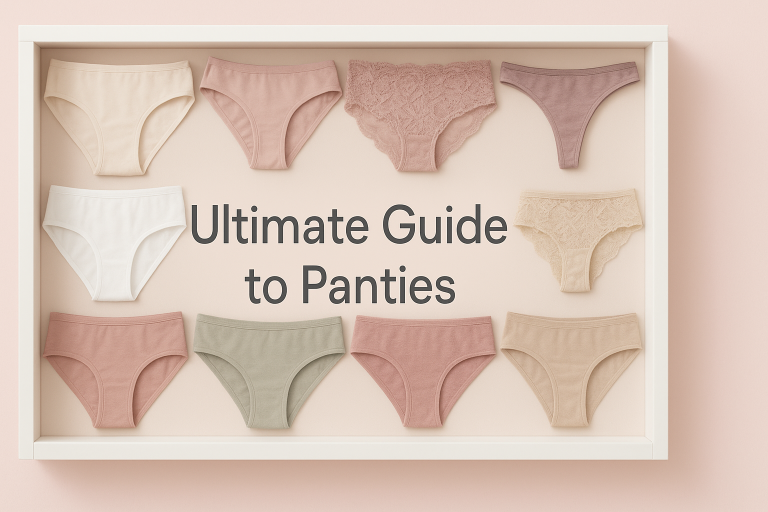
Use the table below to compare underwear styles by typical bunching tendency and body types they fit most reliably.
| Style | Back Coverage | Bunching Risk | Best Body Proportion | Price Range |
|---|---|---|---|---|
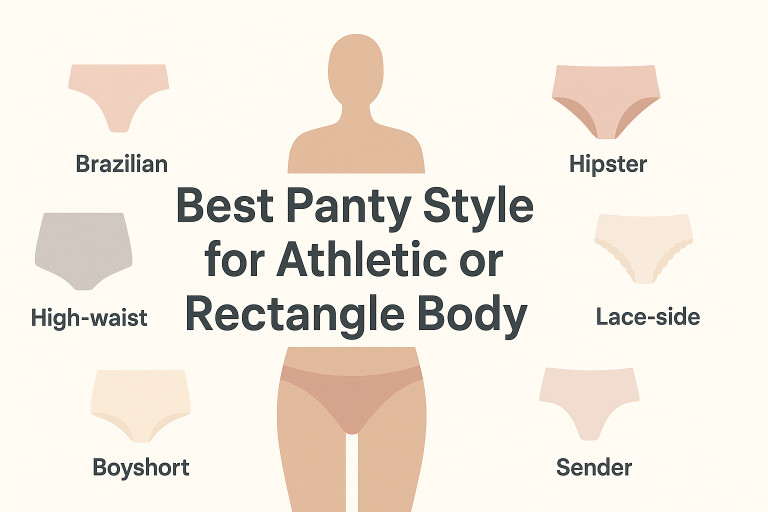
| Boyshort | Full | Very low | Wider hips, athletic build | $8-$20 |
| Full brief | Full | Very low | Most body types | $6-$18 |
| Hipster | Medium-full | Low | Balanced hip-to-waist ratio | $7-$18 |
| Bikini | Medium | Moderate | Narrow hip, low seat | $6-$16 |
| Cheeky | Partial | High | Fuller seat, round shape | $7-$18 |
| Thong | Minimal | N/A (no back panel) | Designed to ride up | $5-$16 |
Boyshorts and full briefs stay in place most reliably because their back panels have enough fabric surface to remain anchored against the edge of the seat during movement. Cheeky and bikini styles with a high leg cut do not prevent upward migration.
Why Cheeky Underwear Bunches Most Often
Cheeky underwear is cut to expose the lower portion of the seat, so the back panel’s lower seam sits above the natural curve of the gluteus. The American Academy of Dermatology notes that fabric edges that sit on curved or rounded body surfaces experience significantly higher friction forces during movement than fabric edges sitting in a flat area.
This friction pulls the fabric upward, and because the cheeky cut has limited fabric below the fold line, back panel and migrates toward the center. Women with rounder or fuller seats experience this most often because the curvature exerts more upward force in the fabric edge.
How High-Waist Styles Reduce Bunching
High-waist underwear reduces back bunching because the longer back panel creates more anchoring surface area between the waistband and the leg opening. A 2019 study in Journal of Textile Science and Engineering found that back panel height correlated directly with stability during walking, with panels above 8 inches demonstrating 40% less displacement than panels under 5 inches.
The extended back panel distributes the forces purpose during movement across a larger area, preventing the concentration of tension at any one point. High-waist styles are particularly effective for women with a longer torso or a full seat edge that is 12 inches or more.
Elastic Quality and Degradation: How Worn-Out Underwear Bunches
Elastic degradation is one of the most overlooked causes of underwear bunching. The elastic in waistband and leg openings lose up to 50% of its original recovery force after 50-100 washes, according to textile test standards from ASTM International (Standard D4964).
When the elastic loses recovery force, it can no longer pull the fabric back into place after the garment stretches during movement. The result is a back panel that moves freely, gathers and more formed.
Signs That Elastic Has Degraded Beyond useful Life
Stow the waistband and leg elastic to about 150% of normal length and release of elastic. Elastic with sufficient recovery force will snap back to its resting position within 1 second.
Elastic that returns slowly or does not return to its original original length, or visible rippling. The Textile Research believes recommends one replacement after 6-18 months, depending on washing, usage and fabric composition.
How Washing Habits Accelerate Elastic Breakdown
Hot water over 104°F (40°C) shortening the elastomer polyurethane chain in spandex and lycra fibers, according to research published in Polymer Degradation and Stability in 2018. Tumble drying on high heat causes a similar effect, reducing elastic lifespan by 30-40% compared to air drying.
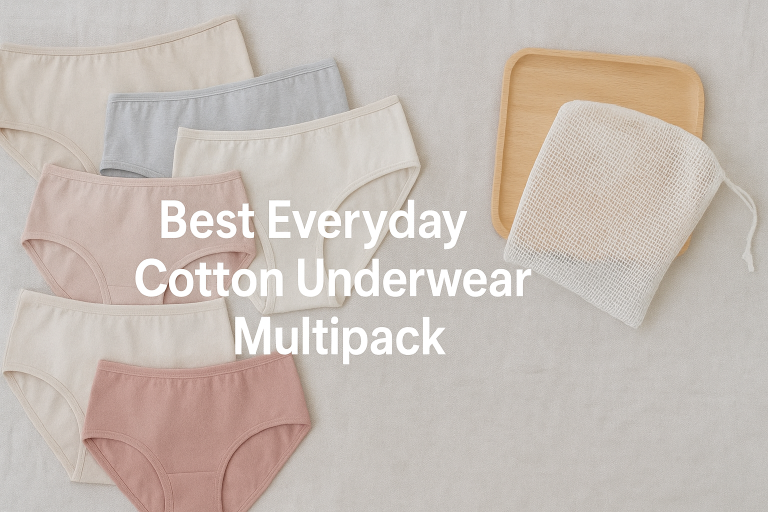
Washing underwear in cold water on a delicate setting and air drying controls life. Using a mesh lingerie wash bag prevents the elastic worn down.
Fabric Type and Its Effect on Bunching
Fabric composition directly determines how well underwear stays in place because different fibers have large friction coefficient, stretch/stylesheet average, and moisture management properties. Fabrics with low friction with skin, such as satin and other polyester blends, slide easily and are prone to bit up.
The American Fiber Manufacturers Association classifies spandex-blend fabrics with at least 8% elastane as the most stable absorb for form-fitting underwear, because the elastane gives return forces to avoid bunching.
Best Fabrics for Preventing Back Bunching
Use the table below to compare underwear fabrics in regards to their bunching tendency and performance.
| Fabric | Spandex Content | Bunching Tendency | Best Use Case |
|---|---|---|---|
| Cotton-spandex | 8-15% | Low | Everyday wear, sensitive skin |
| Nylon-spandex | 10-20% | Very low | Active wear, fitted clothing |
| Microfiber | Variable | Low to moderate | Under tight clothing |
| 100% cotton | 0% | High | Lounging, low-movement settings |
| Lace (nylon base) | 5-10% | Moderate to high | Special occasions, minimal wear time |
| Satin (polyester) | 0-5% | High | Special occasions only |
Nylon-spandex blends are the most stable option, because nylon has high tensile strength (approximately 6-8 grams per denier), and spandex pulls it back into position after each step
.
Why 100% Cotton Underwear Bunches More
Pure cotton has zero elastic recovery, meaning it stretches but never returns without external elastic. Once waistband and leg opening comb in cotton-only garment exposes worn, there is no recovery elsewhere.
Cotton also absorbs moisture, which up to 40% lowers the friction between the fabric and skin if wet. Lower friction means the back panel slides freely, which can become in physical activity.
Seamless Underwear and Bunching Reduction
Seamless underwear is made via circular knit in a tube without side edges or panel–see traditional sewing. According to knit industry, seamless construction reduces spots for fabric displacement by about 60% compared to sewn.
Traditional cut-and-sew underwear has seams where panels meet; that point creates fold points. Seamless styles eliminate that, which is why fit specialists recommend them for those who experience continuous accent.
Key Specifications for seamless underwear: Fabric generally 80-90 percent nylon, 10-20 percent spandex. Construction: circular knit (no side). Leg opening: finished edge without latex waistband. Wash cool delicates; air dry.
Body Movement and Activity Level: Dynamic Causes of Bunching
Underwear that fits well while standing may still bunch ’cause the stretch cannot fully satisfy movement through the range of locomotion. When leg and hip expand right and bend, expand 15 to 25 percent vs standing, according to ergonomic appliance research.
Underwear that cannot stretch to accommodate this expansion will pull against the body; beyond the stretch limit, the fabric folds rather than extends, causing that bunched look.
Why Bunching Gets Worse During the Day
Morning mild bunching that gets worse by afternoon is mostly elastic fatigue from repeated stretch–recovery plus softening. American Textile Institute says elastic stress decreases 5–10% per hour continuous wear.
That means a garment that barely works in morning will fail mid-day. Research indicates tighter or high-resilience fish-taking may compensate for day-long relaxation.
How Sitting Posture Creates Bunching Forces
Sitting increases by 8-12% the actual hip circumference, because the glutes spread of force over the seat. Help research in Applied Ergonomics found there is lots of back panel displacement upon shifting the seated posture if the pattern only works standing.
Choose a vertical back coverage of at least 4 inches across seated movements. Boyshorts and full briefs handle sitting to standing best because their longer back panel expands across the movement without fatiguing.
How to Stop Panties Bunching Up in the Back: Practical Fixes
Permanent stop requires matching cut, cloth, and size to your own proportions and daily loads. There is not a single fix; this step-by-step identifies the correct fix for each cause.
Here is a step-by-step guide to diagnosing and fixing back bunching in underwear.
Step-by-Step Guide
How to Stop Panties Bunching in the Back
6 steps to diagnose the cause and fix it permanently. Takes about 10 minutes to complete.
Check the elastic recovery
Stretch the waistband and leg opening elastic to 1.5x, then release. If it does not snap back within 1 second, replace the garment.
Measure your hip and waist
Measure your fullest hip circumference (7-9 inches below navel) and waist. If difference exceeds 12 inches, size from the hip, choose curve-fit or full-hip.
Switch to a higher-coverage cut
If you wear cheeky or bikini 2, instead get a brief or boyshort with at least 4″ below waist. The coverage anchors and prevents upward slide.
Choose nylon-spandex or seamless construction
Replace cotton or satin with a nylon blend (min 10% spandex) or seamless. It gives constant pulling back over day.
Adjust your washing routine
Wash cold (below 86°F) moderately dense in a mesh laundry bag. Air or low heat. That cuts elastic damage by 30–40%.
Replace underwear on a regular schedule
Everyday panties usually lose tension after 6–12 monthly cycles. Check ripples and snap-back, and accept new ones.
In these six steps you will cover actual ha rather than guessing. Consistency is keyes.
Best Underwear Styles for Women Who Experience Chronic Bunching
If women bunching across stores and brands, often the profile differs from the standard width ratio you need to change silhouette. The styles was built with broader back panel width to match wider seat.
Full seat / curving fit / back panel wider than front panel. 10-15% wider compared to regular same label; hip width kept back correct.
Key Specifications for bunching-resistant underwear: Back height from hem to top: 4 ″ . Spandex ≥8% in fabric. You need ≥0.5 ″ leg elastics and 0.75″ top elastic; flat seaming or seamless.top.
Body could be style was set, but the lower panel height gives you all-day wear. It let you move through sitting, standing, walking.