
How to Prevent Chafing From Underwear: Fabric, Fit & Care
Chafing from underwear happens when fabric rubs repeatedly against skin, breaking down the surface layer and causing redness, rawness, or a burning sensation. The right combination of fabric choice, fit adjustments, and protective products eliminates the problem for most people. This guide covers every evidence-based method to stop underwear chafing before it starts.
Why Underwear Causes Chafing
Underwear chafing is a friction injury. The American Academy of Dermatology defines chafing as repetitive mechanical irritation that damages the stratum corneum, the outermost skin layer, leading to inflammation and pain.
Three variables drive the damage: friction force, moisture levels, and contact duration. Moisture from sweat softens skin and increases the coefficient of friction between fabric and skin by up to 40%, according to a 2013 study published in the journal Skin Research and Technology.
The inner thighs, groin folds, and waistband zone are the highest-risk areas. Skin-on-skin or fabric-on-skin contact in these regions can exceed 1,000 repetitive cycles during a single hour of walking, based on biomechanical gait analysis data from the Journal of Biomechanics.
Underwear that fits incorrectly compounds all three variables simultaneously. A too-loose waistband shifts and rubs. Leg openings that gap pull fabric against the inner thigh with each slide. Understanding this mechanism makes every prevention strategy easier to apply correctly.
The root cause of most underwear chafing is a combination of poor fabric choice and improper fit, and correcting either one alone reduces friction injury significantly over time.
Choosing the Right Fabric to Prevent Chafing
Fabric selection is the single most impactful decision for preventing underwear chafing. The American Academy of Dermatology recommends moisture-wicking, smooth-finish fabrics for anyone prone to skin friction injuries.
Moisture-Wicking Synthetic Fabrics
Nylon and polyester blends with wicking finishes pull sweat away from skin and disperse it across the fabric surface for faster evaporation. This keeps the skin dry and reduces friction by allowing moisture-softened skin to no longer grip against fabric fibers.
Look for underwear labeled at least 80% nylon or 85% polyester combined with 10-20% spandex or elastane for comfort. The spandex component allows the fabric to move with the body rather than dragging against it.
Key Specifications for moisture-wicking underwear:
- Fabric: 80-88% nylon or polyester, 12-20% spandex/elastane
- Finish: moisture-wicking or quick-dry treatment
- Seam type: flatlock or seamless seamless construction preferred
- Leg opening: non-binding elastic or silicone-grip hem
- Care: machine washable, retains wicking properties for 50+ washes
Bamboo and Modal Fabrics
Bamboo-derived viscose and Modal (a beechwood cellulose fiber) are natural-origin options with notably low friction coefficients against skin. A 2018 study in the Journal of Natural Fibers found bamboo fabric produced less friction against human skin than cotton in wear trials.
Modal fabric absorbs moisture 50% better than cotton by weight, according to Lenzing AG, the manufacturer of the fiber. This keeps the skin surface drier than cotton alternatives during moderate activity.
Why Cotton Increases Chafing Risk
Cotton absorbs moisture but holds it against the skin rather than dispersing it. Once saturated, cotton fabric becomes heavy, stays wet, and increases friction force against skin. The Mayo Clinic lists “staying in soaked clothing” as a key chafing risk factor for this reason.
Standard cotton underwear is the most common fabric found in cases of chronic inner-thigh chafing because it retains up to 27 times its weight in water before feeling wet to the touch, which means significant moisture accumulates at the skin surface before the wearer notices.
Switching from 100% cotton underwear to a nylon-spandex or bamboo blend is the fastest single change related to chafing frequency for most people.
Getting the Right Underwear Fit to Eliminate Friction
if errors cause more chafing cases than fabric choice alone. A review of the British Journal of Dermatology identified poorly fitting clothing as the primary mechanical cause in otherwise healthy adults.
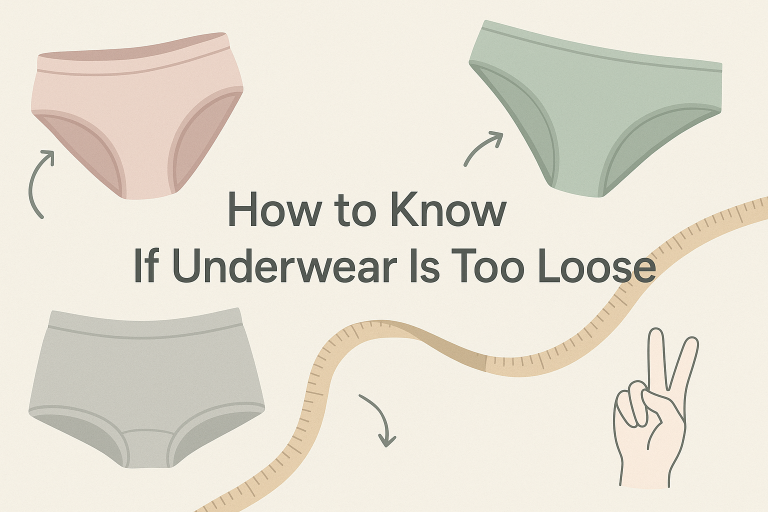
The waistband should sit flat against the skin without rolling, folding, or leaving a red indentation after 0 minutes of wear. A waistband that rolls outward indicates the underwear is too small. A waistband that digs into the skin and leaves marks that last more than 20 minutes indicates the same.
A waistband that shifts position during movement is too large. Movement-related shifting causes surface grinding over the same skin area, which is the mechanical definition of chafing.
Leg Opening Fit
The leg opening should lie flat against the skin at the inner thigh and groin crease without gaping, bunching, or cutting into the skin. A gap between the leg opening and the thigh allows the elastic edge to lift and snap back against the skin with each slide.
Underwear with overly tight leg openings cuts into the leg. This creates a pressure ridge where the elastic sits, and sweat accumulates in the fold, softening the skin and accelerating friction damage.
Coverage and Style Considerations
Boyshort-style and shorty-cut underwear provide the most protection against inner-thigh chafing because they extend fabric coverage past the thigh. The fabric replaces skin-on-skin contact with fabric-on-skin contact, which produces less friction when the fabric is smooth and well-fitted.
Thong and bikini styles leave the inner thigh uncovered, which means skin-on-skin friction is the primary cause of chafing there rather than the underwear itself. For people with inner highs while wearing minimal coverage, the solution is either adding anti-chafe product to the thighs or switching to a higher-coverage style.
Use the table below to match the primary chafing location to the underwear style that addresses it most directly.
| Chafing Location | Best Underwear Style | Key Feature Needed | Fabric Priority |
|---|---|---|---|
| Inner thighs | Boyshort or shorty | Extended leg coverage | Smooth nylon-spandex, flatlock seams |
| Groin crease | Full-cut brief or hipster | Non-binding leg opening | Bamboo or Modal for moisture control |
| Waistband zone | Seamless brief or low-rise | Soft, flat waistband without hard elastic | Seamless knit nylon or modal |
| Under-buttock fold | Full-coverage brief or shorty | Smooth coverage without riding up | Moisture-wicking polyester blend |
| General all-day friction | Seamless boyshort | No seams, full thigh coverage, wicking | Nylon 80% / spandex 20% seamless knit |
As the table shows, the inner thigh benefits most from extended coverage, while groin-crease chafing responds primarily to non-binding leg openings rather than coverage alone.
Matching the underwear style to the specific chafing location removes guesswork from fabric shopping and delivers faster relief.
How to Use Anti-Chafe Products with Underwear
Anti-chafe products create a low-friction barrier between skin surfaces or between skin and fabric. The American Academy of Dermatology recommends barrier products as a first-line prevention method for friction-prone areas, especially in warm or humid conditions.
Balms and Stick Applicators
Solid anti-chafe balms (sometimes called body glide sticks) contain waxes, silicones, or petroleum derivatives that coat the skin surface and reduce friction. Products in this category typically include ingredients such as carnauba wax, dimethicone, or lanolin.
Apply a thin, even layer on the inner thigh, groin crease, and any area where the underwear edge contacts skin. One application lasts 4-6 hours under moderate activity conditions. Reapply after swimming, heavy sweating, or showering.
Powder-Based Products
Talc-free body powders, cornstarch-based powders, and products containing zinc oxide absorb surface moisture and reduce skin-to-fabric friction. The FDA notes that talc-free formulations using cornstarch are not a recommended option for use in body folds and groin area because they carry no respiratory or long-term safety concerns associated with talcum powder.
Powder is most effective in low-to-moderate humidity conditions. In high-humidity environments, powder can clump and create an abrasive paste rather than a smooth barrier. Under those heavy humidity conditions, a silicone-based balm outperforms powder.
Petroleum Jelly and Silicone Options
Plain petroleum jelly (petrolatum) is one of the most studied skin barrier agents. A 2012 paper in the Journal of the American Academy of Dermatology confirmed petrolatum efficacy as a mechanical friction barrier, with a skin-surface friction reduction of 35% compared to untreated skin in standard testing.
Petroleum jelly is inexpensive and widely available, but it can transfer to fabric and is difficult to wash out of lighter-colored underwear. Silicone-based stick products offer similar lubricating action with less fabric staining.
The right anti-chafe product depends primarily on your activity level and humidity exposure, so choosing a silicone-based balm for high-sweat situations and powder for dry conditions gives the most consistent protection.
Seams and Construction Details That Cause Chafing
Seam placement and construction are underestimated contributors to underwear chafing. A seam running along the inner thigh or through the groin crease can produce more localized friction than the base fabric because the seam creates a raised ridge that contacts skin with concentrated pressure.
Flatlock vs. Raised Seams
Flatlock seams are sewn so that the two fabric edges lie flat against each other rather than folding one over the other. This produces a seam without a raised ridge on the skin-contact surface. Sportswear designers use flatlock seaming specifically to eliminate seam-related chafing in high-friction zones.
Raised or overlocked seams fold one fabric edge over the other and stitch through both layers. This creates a raised ridge 1-3mm high on the inside of the garment. During repetitive motion, this ridge acts as a micro-abrader.
Seamless Construction
Seamless underwear is knitted as a single continuous tube with circular knitting machines, eliminating seams entirely at the body. The only structural seam is often a small join at the crotch gusset, which can be placed away from high-friction zones.
Seamless underwear is the most effective construction choice for chronic chafing suffers. Multiple activewear brands including Spanx, Skims, and Nike offer seamless underwear lines that specifically address friction reduction.
Key Specifications for seamless underwear construction:
- Body construction: circular-knit seamless, no side seams
- Gusset: cotton or moisture-wicking liner, flat-stitched edges
- Leg opening: silicone-grip hem or knitted cuff
- Waistband: knitted fold-over or flat elastic panel
- Fabric weight: 160-220 g/m2 for balanced coverage and breathability
Gusset Construction and Placement
The gusset is the small reinforcing panel at the crotch. A poorly placed gusset creates friction at the perineal and groin areas. The gusset should be made of soft cotton or wicking fabric, fully enclosed, wide enough not to bunch.
A gusset that is too narrow bunches and folds during movement, creating a rope-like ridge in the most friction-sensitive area of the garment. The gusset width of at least 3 inches across can prevent this for most body types.
Checking the seam inside an underwear garment before purchasing is one of the fastest ways to filter out styles that are structurally likely to cause chafing.
Managing Moisture to Lower Friction Risk
Moisture is the main amplifier of friction damage. Dry skin requires much higher friction force to sustain abrasion than moisture-softened skin, according to tribology published in Wear in 2015. Controlling moisture at the skin surface is therefore as important as fabric choice.
Moisture-Wicking Underwear Performance
Moisture-wicking fabrics work through capillary action. Tiny channels or hydrophilic fiber surfaces draw liquid away from the skin surface and spread it across a larger fabric area where evaporation occurs faster. This keeps the skin surface measurably drier than cotton retention fabrics.
A consumer study performed by textile laboratory Intertek found that nylon-spandex moisture-wicking underwear reduced skin-surface moisture by 31% compared to standard cotton briefs after 60 minutes walking. Lower moisture levels correlate directly with less friction injury.
Breathability and Ventilation
Breathability refers to the rate at which water vapor passes through the fabric to the outside air. Fabrics with higher moisture transfer rates maintain dryer skin surfaces. According to ASTM, activewear-grade nylon fabrics achieve MVTR ratings of 8,000-15,000 g/m2/24hr, compared with 2,000-4,000 g/m2/24hr for standard cotton.
Loose-fitting outer garments worn over underwear also affect moisture build-up. Tight-fitting pants or leggings that compress underwear against skin trap moisture between layers. Adding a moisture-wicking base layer and less snug outer garments reduces accumulation in high-friction zones.
Changing Out of Wet Underwear
The Mayo Clinic recommends changing out of wet or sweaty clothing as quickly as possible. Sustained moisture exposure for more than 30-45 minutes at body temperature significantly softens the stratum corneum and increases susceptibility to friction damage.
Keeping a dry pair of underwear available during long workdays, travel, or post-exercise is a practical, low-cost prevention step that dermatologists consistently recommend.
Controlling moisture through fabric choice and timely changes removes the largest amplifier of underwear chafing risk.
Adjusting Underwear Choice for Specific Activities
Different activities generate different friction patterns, moisture volumes, and contact times. The American Council on Exercise notes that chafing rates increase significantly during activities exceeding 45 continuous minutes, particularly when core body temperature rises above 100 degrees Fahrenheit and sweat rate increases.
Running and High-Impact Cardio
Running produces repetitive hip-flexion cycles at 150-180 steps per minute, which translates to 9,000-10,800 fabric-to-skin contact cycles per hour. At this cycle rate, even a small friction coefficient difference between fabrics has dramatic impact on outcomes.
Running-specific underwear uses flatlock seaming,and plenty in low-friction zones, and extended coverage in high-friction areas. Popular options in this category include the Runderwear Anti-Chafe Running Briefs (97% merino wool, 3% elastane) and the ExOfficio Give-N-Go briefs (94% nylon, 6% spandex).
Key Specifications for running underwear:
- Fabric: 90%+ nylon or merino wool with spandex
- Seams: flatlock throughout, no raised seams
- Leg length: 2-4 inch inseam
- Waistband: non-roll, low-profile elastic
- Moisture management: MVTR above 8,000 g/m2/24hr
Everyday and Office Wear
Sedentary or moderately active daily wear produces lower friction cycles, but longer contact duration (8-12 hours) means minor fit issues accumulate harm. The groin crease and waistband are the highest areas for work chafing because sitting compresses fabric against these areas continuously.
Seamless everyday underwear in modal or bamboo fabric addresses both friction and moisture for office-wear chafing. Modal fabric maintains its smoothness after repeated washing better than cotton, reducing waistband hardening.
Hot Weather and Summer Conditions
Ambient temperature above 80 degrees Fahrenheit increases sweat rate and moisture accumulation. The combination of heat, sustained moisture, and friction is enough for friction dermatitis to develop into the 2-3 hours of activity, in contrast to 6-8 hours in cooler conditions.
Anti-chafe summer underwear prioritizes moisture dispersal and airflow. Styles with mesh panels at the inner thigh or holes in the groin area increase airflow and evaporative cooling in the highest-risk zones. Applying a balm to powder with fabric selection provides a compounded effect on hot environments.
Matching underwear construction and fabric to each activity gives the most precise way to eliminate chafing across all parts of daily life.
Here is the step-by-step guide to applying anti-chafe products correctly before any activity that causes friction skin irritation.
Step-by-Step Guide
How to Put Anti-Chafe Protection Before Getting Dressed
6 steps, takes under 3 minutes.
Start with clean, completely dry skin
Apply anti-chafe products only to dry skin. Moisture under a barrier product traps sweat and reduces product adhesion by up to 60%.
Identify all three high-risk zones
The inner thighs, groin crease, and skin under waistband. Remove any existing irritated areas before more layers.
Apply balm or powder in a thin, even layer
Use 2-3 passes or a light dusting. A thicker layer does not increase protection and can bunch or pill.
Cover the full contact zone, not just the center
Extend coverage 1-2 inches beyond the visible friction zone. An incomplete barrier leaves the edge exposed.
Allow one minute for balm to set before dressing
Stick balms need brief contact with body warmth to bind. Dressing immediately can transfer product to fabric.
Reapply every 4-6 hours during extended wear
Most balm formulas remain effective until they sweat. For longer activities, carry product for mid-day reapplication.
Treating Chafed Skin and Preventing Recurrence
Active chafing injuries require immediate care to prevent worsening and secondary infection. The National Eczema Association notes that broken skin entry point for bacteria, and untreated friction dermatitis can develop into infected folliculitis within 24-48 hours.
Immediate First Aid for Chafed Skin
Stop the friction source immediately by changing out of wet or offending underwear. Gently clean the area with lukewarm water and mild soap, then pat dry carefully. Rubbing a freshly chafed surface extends it and delays healing.
Apply a thin layer of a barrier healing product such as zinc oxide antiseptic (at least 15% concentration) or petrolatum. Zinc oxide is a zinc-based skin protection. Avoid alcohol-based products and anti-perspirants, as these cause stinging and slow healing.
Healing Timeline and When to See a Doctor
Mild chafing with skin intact has 2-4 days. Moderate chafing with broken skin heals in 5-10 days. Persistent redness, swelling, warmth, or discharge after 48 hours indicates possible infection and requires medical evaluation.
The American College of Foot and Ankle Surgeons recommends evaluating when chafed skin develops pus, shows red streaks, or causes fever above 100.4 degrees Fahrenheit.
Identifying the Root Cause to Prevent Recurrence
Recurring chafing in same location signals a structural problem with waistband or seam, not just moisture. Document which underwear style caused damage and check for tight leg openings, raised seams, or visible wet marks.
Replacing the offending garment with a seamless, moisture-wicking equivalent reduces recurrence. This addresses straight structural and moisture sources simultaneously.
Treating chafed skin and identifying the source turns a painful reactive situation into a solvable problem.
Best Underwear Types for Prevention
The underwear market includes several styles designed around friction reduction. Understanding which features distinguish them helps consumers make better choices.
Seamless Boyshort under Underwear
Seamless boyshort underwear provides the widest coverage of any standard underwear cut, extending from waist to mid-thigh in a single piece. This removes seam and coverage gap simultaneously.
Key Specifications for seamless boyshort underwear:
- Inseam length: 3–5 inches
- Construction: circular-knit seamless body, covered gusset
- Fabric: 85% nylon / 15% elastane or 92% modal / 8% elastane
- Waistband: knitted fold-over or flat 1-inch elastic
- Sizes: typically XS-3X, plus-size to 4X
Compression Short Underwear
Compression short underwear uses graduated compression (15-20 mmHg) to hold fabric firmly.? Compression also holds fabric so it does not move.
Compression shorts are best for runners, cyclists, and people with high body mass index. They are heavier and feel restrictive in lazy, so they are best for high-activity.
Moisture-Wicking Brief and Bikini Styles
Moisture-wicking briefs in nylon-spandex or bamboo blends address groin and size chafing. They are best when chafing is confined to the groin crease or waistband, not the thigh.
The most effective options use a covered elastic waistband rather than exposed elastic, which can degrade with sweat and eventually roughen.
Use the table below to compare the most effective styles.
| Style | Best Chafing Zone | Activity Level Fit | Typical Fabric | Price Range |
|---|---|---|---|---|
| Seamless boyshort | Inner thighs, groin, waistband | Everyday, light activity | 85% nylon / 15% spandex | $12-$35 each |
| Compression short underwear | Inner thighs, full groin | Running, cycling, high impact | 88% polyester / 12% spandex | $20-$55 each |
| Moisture-wicking brief | Groin crease, waist | Everyday, office | 80% bamboo / 20% elastane | $8-$2 each |
| Seamless bikini | Waistband, partial groin | Everyday | 92% modal / 8% elastic | $10-$30 each |
| Anti-chafe thigh band | Inner thighs only | All activity levels | Silicone-grip lace or nylon | $15-$40 /pair |
Compression shorts give the highest protection for intense activity; seamless boyshort covers a wide range of everyday uses at a lower price.
Selecting based on activity and specific friction zone improves outcomes faster than arbitrary switching.
Anti-Chafe Thigh Bands as an Additional Layer
Anti-chafe bands are bands worn around the upper thighs, independent of underwear. They prevent skin-on-skin thigh friction while wearing skirts or minimal underwear.
Anti-chafe thigh bands are particularly useful with skirts/dresses, where boyshort underwear may be visible. Popular options include Bandalettes lace thigh bands and Thigh Society anti-chafe shorts, both of which use silicon-grip interiors to stay in place without cutting elastic.
Key Specifications for anti-chafe thigh bands:
- Stay-up: silicone grip strip
- Coverage: 3-5 inches
- Fabric: nylon-spandex or lace
- Sizing: thigh circumference 18-32 inches
- Care: hand wash cold, air dry flat
Bands address inner-thigh skin-on-skin chafing and complement well-fitted underwear. Visible underwear lines have their own solutions.
Caring for Anti-Chafe Underwear to Maintain Performance
Moisture-wicking and seamless underwear loses its properties faster if washed incorrectly. A study in the International Journal of Clothing Science and Technology found that nylon moisture-wicking fabrics washed hot caused a 42% reduction in MVTR after just 10 wash cycles.
Washing Correctly
Wash moisture-wicking underwear in cold water on a gentle cycle. Hot water breaks down synthetic fibers and makes elastics lose stretch recovery.
Use a mesh lingerie wash bag to protect seamless underwear from abrasion. Protected surface fibers remain smooth and low-friction.
Drying Correctly
Air-dry, do not machine-dry. Dryer heat (125-135°F) accelerates elastic breakdown and deformed knit. A garment that loses recovery will no longer fit correctly.
Lay seamless styles flat. Hanging wet knits can stretch the garment and alter the leg/waist fit.
When to Replace Underwear
Replace underwear when waistband cannot return, fabric thins in thigh, or seams unravel. Worn-out underwear leaves irregular tension and loses moisture management.
Most manufacturers recommend 6-12 month replacement for active-wear with regular use, 12-18 months for everyday. Cotton underwear wears faster than nylon-spandex and gets rougher with repeated wash.
Proper care preserves the fit and smoothness that prevents chafing.
Frequently Asked Questions About How to Prevent Chafing from Underwear
What type of underwear is best for preventing inner-thigh chafing?
Seamless boyshort underwear in nylon-spandex or bamboo elastane is the most effective. The extended 3–5 inch inseam covers the thigh contact area, and seamless construction removes seam abrasion.
Does underwear fabric type really matter for chafing?
Fabric type is one of the largest variables. Nylon and polyester versus reduce skin moisture by ~31% in standardized testing, compared with cotton. Drier skin has a higher friction threshold.
Can anti-chafe products be used with any underwear style?
Yes. Balms, powders, and silicone can be added to any style. They are especially useful where coverage is low, such as thongs or bikinis. Apply to skin first, allow 30 seconds, then dress.
How do I know if my lingerie is causing chafing or something else?
Previous-couple chafing follows the shape of an elastic edge, seam, or fabric boundary. Skin-on-skin chafing appears midway between leg openings. If red line is exactly a seam, the construction is the cause.
Is chafing from underwear a sign that the size is wrong?
Often. Digging at the leg line or a shifting waistband indicates too tight or too loose. A size up, evaluated while moving, corrects most fit cases. Changing body changes also alter fit over time.
What should I do immediately when underwear starts to chafe?
Change out, pat dry, and apply zinc oxide or petrolatum. Do not re-wear the same style until healed. Usually 2–4 days, then correct the fit.
Can underwear cause chafing even if it fits correctly?
Yes. Cotton fabric still retains moisture, a raised seam can still rub, and humidity can increase friction up to 40%. In these conditions, even a good fit is better with a anti-chafe barrier.
Preventing chafing from underwear comes down to three principles: choose smooth, moisture-wicking fabric; wear a style that covers your high-friction zones without slip; and use barrier protection when demands call. Start with the reasons, identify the one or two variables that matter in your case, and address those first. Most people find that one fabric swap plus one correction removes chafing in the first week.


One Comment