What Type Of Bra Is Best For Me? Discover Comfort And Style
Finding the right bra starts with understanding your unique body shape, lifestyle needs, and comfort preferences. With over 30 different bra styles available today, choosing the perfect fit requires evaluating multiple factors including breast shape, activity level, and wardrobe requirements. The right bra enhances your natural silhouette while providing all-day comfort and confidence.
What Makes Your Breast Shape Unique: The Foundation of Perfect Fit
Breast shape varies significantly among women and directly impacts which bra styles provide optimal support and comfort. Understanding your natural breast characteristics helps narrow down the overwhelming number of options available.
According to the American Society of Plastic Surgeons, breast shape is determined by three primary factors: fullness distribution, projection from the chest wall, and spacing between breasts. These characteristics remain consistent regardless of size changes due to weight fluctuations, hormonal cycles, or aging.
Identifying Your Breast Fullness Pattern
Fullness refers to where most of your breast tissue sits relative to your nipple line. Full-on-top breasts have more tissue above the nipple, creating a rounded upper silhouette. Full-on-bottom breasts carry more weight below the nipple line. Even fullness distributes tissue equally above and below.
Full-on-top shapes work best with full-coverage styles and balconette bras that provide lower cup coverage without creating overflow. Full-on-bottom shapes benefit from push-up styles and demi-cups that lift tissue upward. Even fullness adapts well to most bra styles.
Measuring Your Projection Level
Projection measures how far your breasts extend from your ribcage. High projection creates a pronounced silhouette requiring deeper cups with more forward projection. Low projection sits closer to the chest wall and works with shallower cup shapes.
Determine your projection by standing sideways in a mirror while wearing a well-fitting bra. High projection extends noticeably forward from the ribcage, while low projection creates a gentler curve. Medium projection falls between these extremes.
Assessing Breast Spacing and Root Width
Breast spacing refers to the distance between your breasts, while root width measures how much horizontal space each breast occupies on your chest. Wide-set breasts have more than one finger width between them and typically require wider-set straps. Close-set breasts may touch or nearly touch in the center.
Root width determines whether you need wider or narrower underwires. Narrow roots concentrate breast tissue in a smaller area, requiring bras with closer-set wires. Wide roots spread tissue across a broader chest area and need wider wire placement.
How to Determine Your Correct Bra Size
Proper bra sizing combines band measurement, cup volume calculation, and fit verification through trial. Research from the University of Portsmouth shows that 85% of women wear incorrectly sized bras, primarily due to outdated measuring methods and size misconceptions.
Professional bra fitting involves measuring your underbust circumference for band size and calculating the difference between underbust and bust measurements for cup volume. However, sizing varies significantly between brands due to different fit models and manufacturing standards.
Understanding Band Size Requirements
Your band provides 80% of your bra’s support, according to lingerie engineering studies. The band should fit snugly on the loosest hook when new, allowing for stretching over time. A properly fitted band maintains its position without riding up your back during movement.
Measure your underbust while standing straight with arms at your sides using a soft measuring tape. Round to the nearest even number for your starting band size. Sister sizing allows you to adjust band tightness by going up or down one band size while adjusting the cup accordingly.
Cup Volume Calculation and Sister Sizes
Cup size represents volume, not shape or projection. The same cup volume appears different across various band sizes due to the proportional relationship between band and cup measurements. A 34C contains the same cup volume as a 36B or 32D.
Calculate your starting cup size by measuring around the fullest part of your bust while wearing a non-padded bra. Subtract your band measurement from your bust measurement. Each inch of difference represents one cup size, with A=1 inch, B=2 inches, C=3 inches, and so forth.
Recognizing Proper Fit Indicators
A correctly fitted bra shows specific visual and comfort indicators. The center gore sits flat against your sternum, the band remains level around your torso, and the underwire follows your breast’s natural fold without digging or gaping.
Cup fit appears smooth without spillage, wrinkles, or gaps. The apex of each cup aligns with your nipple position. Straps provide light support without digging into your shoulders, and you can slide two fingers comfortably under the band.
Which Bra Styles Work Best for Your Lifestyle
Your daily activities, work environment, and social obligations influence which bra styles provide optimal comfort and function. Different lifestyles require varying levels of support, coverage, and versatility from your bra wardrobe.
According to fashion industry research, the average woman owns 9-11 bras but regularly wears only 3-4 styles. Selecting versatile styles that adapt to multiple situations maximizes your wardrobe efficiency while ensuring appropriate support for each activity level.
Professional and Office Environments
Professional settings require bras that remain invisible under business attire while providing all-day comfort during long sitting periods. T-shirt bras with smooth, molded cups eliminate visible lines under fitted blazers and blouses.
For button-down shirts and shallow necklines, choose bras with higher center gores and full coverage cups. Convertible bras with removable or adjustable straps accommodate various necklines and sleeve styles throughout your work wardrobe.
Active and Athletic Lifestyles
Physical activity increases breast movement up to 15 centimeters in all directions during high-impact exercises, according to sports science research from the University of Wollongong. This movement can cause tissue damage, back pain, and decreased exercise performance without proper support.
Understanding what constitutes effective sports bra design helps you choose appropriate support levels for different activities. Compression styles work well for smaller cup sizes and low-impact activities, while encapsulation designs provide better support for larger busts during high-impact movements.
Casual and Weekend Wear
Relaxed settings allow for more comfortable, less structured bra styles that prioritize ease over formal appearance. Wireless bralettes provide light support and breathable comfort for low-key activities and lounging.
For casual outings requiring moderate support, consider wireless bras with wide bands and soft cups that offer more structure than bralettes while maintaining comfort during extended wear.
How to Match Bras with Different Outfit Types
Specific garments require strategic bra selection to achieve optimal appearance and comfort. Understanding which bra features complement different necklines, fabrics, and silhouettes prevents wardrobe malfunctions and enhances your overall look.
Fashion stylists recommend having at least five different bra styles to accommodate various outfit requirements. These include a nude t-shirt bra, a strapless option, a low-back solution, a plunge style, and a convertible design.
Strapless and Off-Shoulder Garments
Strapless bras require specific engineering features to provide adequate support without shoulder straps. Look for wide bands, silicone grip strips, and underwires that extend higher on the sides for additional security.
For formal events requiring long-term wear, consider comparing strapless versus convertible bra options to determine which style offers better stability and comfort for your specific needs.
Low-Back and Backless Designs
Garments with low or open backs require specialized bra solutions that maintain support while remaining invisible. Low-back bra converters allow you to lower the band position on regular bras, while adhesive options provide support without any back closure.
For backless dresses, consider adhesive bras or built-in support alternatives. These work best for smaller cup sizes and shorter wearing periods due to adhesive limitations.
Fitted and Sheer Clothing
Form-fitting garments reveal every line and seam of your undergarments. Seamless, molded cup bras eliminate ridge lines under clingy fabrics. Choose nude colors that match your skin tone rather than white, which can appear obvious under light-colored clothing.
For sheer fabrics, select bras in colors that complement the garment rather than attempting to hide them. Strategic color coordination can enhance rather than detract from sheer styling.
Understanding Support Requirements by Cup Size
Cup size significantly influences the amount and type of support needed from your bra. Larger cup sizes require more structural engineering, while smaller sizes can often prioritize comfort and shaping over heavy-duty support.
Breast weight increases exponentially with cup size. A D cup breast weighs approximately 1.2 pounds each, while a G cup can weigh over 2 pounds per breast, according to plastic surgery data. This additional weight requires stronger construction and wider distribution of support.
A and B Cup Considerations
Smaller cup sizes have more flexibility in bra style selection due to lower support requirements. Focus on shape enhancement and comfort rather than maximum support. Push-up styles can create additional cleavage, while demi-cups provide natural shaping.
Wireless options work well for A and B cups during casual wear. Bralettes and soft-cup designs provide adequate support for daily activities without the structure needed for larger busts.
C and D Cup Requirements
Medium cup sizes benefit from underwire support during most activities. Look for bras with wider-set straps to distribute weight across your shoulders more effectively. Three-piece cup construction provides better fit and support than single-piece molded cups.
For professional wear, choose bras with full coverage and side support panels that prevent tissue migration throughout long days. Properly fitted underwires should follow your breast’s natural fold without pinching or digging.
DD+ and Full Figure Needs
Larger cup sizes require specialized engineering features for adequate support and comfort. Wide, cushioned straps prevent shoulder indentations, while reinforced band construction provides necessary stability. Look for bras with multiple hook-and-eye closures for adjustability.
Full-figure bras often feature power mesh side panels, inner slings, and higher side wings for enhanced support. Choose bras specifically designed for your size range rather than extended sizes from smaller-bust brands.
Addressing Sensitivity and Comfort Concerns
Physical sensitivity to bra components affects many women and requires careful material and construction consideration. Common sensitivity issues include underwire pressure, strap digging, fabric irritation, and band tightness.
Dermatological research shows that 23% of women experience some form of bra-related skin irritation. Most issues stem from improper fit, synthetic materials, or hardware placement rather than inherent skin sensitivity.
Underwire Tolerance and Alternatives
Underwire discomfort often indicates sizing or shape mismatches rather than true wire intolerance. Properly fitted underwires should follow your breast’s natural fold without extending beyond breast tissue or pressing into your sternum.
If underwires consistently cause discomfort, consider wireless bras with structured bands and side support. Modern wireless designs use advanced fabrics and construction techniques to provide support without metal hardware.
Fabric Sensitivity Solutions
Synthetic fabrics like polyester and nylon can trap moisture and cause irritation for sensitive skin. Natural fiber options include cotton-lined cups, bamboo fabric panels, and modal blend materials that offer breathability and softness.
For severe fabric sensitivities, look for bras labeled hypoallergenic or designed for sensitive skin. Gentle detergents specifically formulated for delicate fabrics can also reduce irritation from cleaning product residues.
Pressure Point Management
Strap digging and band pressure can be alleviated through proper fit adjustments and supportive accessories. Strap cushions distribute weight over a larger shoulder area, while band extenders can provide temporary relief during hormonal fluctuations.
If pressure points persist despite proper sizing, consider bras with different construction features such as wider straps, padded bands, or alternative hook placements that redistribute stress points.
Style Preferences and Personal Taste
Personal aesthetic preferences play a crucial role in bra selection satisfaction. Understanding your style preferences helps narrow choices while ensuring you feel confident and comfortable in your selections.
Consumer preference research indicates that women prioritize fit and comfort over appearance, but aesthetic satisfaction significantly impacts wearing frequency. Bras you find unattractive are less likely to be worn regularly, regardless of their technical performance.
Coverage and Modesty Preferences
Coverage preferences range from full-cup designs that enclose breast tissue completely to demi-cups that reveal the upper portion. Full-coverage styles provide maximum support and modest appearance under clothing.
Demi and balconette styles create lifted, rounded shapes while showing more décolletage. Choose coverage levels based on your comfort with different silhouettes and the necklines you commonly wear.
Color and Pattern Coordination
Building a versatile bra wardrobe requires strategic color selection. Nude shades matching your skin tone work under most light-colored clothing, while black provides invisibility under dark garments.
Colorful and patterned bras serve aesthetic and mood-boosting functions. Research from the University of Hertfordshire shows that wearing colorful undergarments can improve confidence and mood, even when hidden under clothing.
Decorative Elements and Details
Lace, embroidery, and decorative hardware add visual interest but may create texture under fitted clothing. Consider when and where you’ll wear decorated bras to balance aesthetic appeal with practical invisibility.
Seamless construction prioritizes invisibility over decoration, while bras with lace overlays or hardware details emphasize aesthetic appeal. Choose based on whether the bra will be hidden or potentially visible.
Budget Planning for Your Bra Wardrobe
Quality bra construction requires investment in materials, engineering, and fit testing. Understanding price factors helps you make informed decisions about where to invest in premium options versus where budget-friendly alternatives may suffice.
The average well-constructed bra costs between $35-$75, with luxury and specialty sizes ranging from $80-$150. Premium pricing reflects advanced materials, extensive fit testing, and specialized construction techniques that improve longevity and comfort.
Investment Priority Guidelines
Prioritize spending on everyday wear bras that you’ll use most frequently. A high-quality nude t-shirt bra worn three times per week justifies a higher price point than a specialty strapless style worn monthly.
For frequently worn styles, invest in two identical bras to rotate use and extend longevity. Daily wear bras should be replaced every 6-8 months with regular rotation, or every 4-6 months with daily use.
Budget-Friendly vs Premium Features
Budget bras often compromise on strap width, hook quality, and fabric composition while maintaining basic support functions. Premium options typically feature wider straps, multiple hook positions, and advanced fabric blends for improved comfort and durability.
Consider your sensitivity levels when deciding where to economize. Women with sensitive skin or comfort issues may find the additional cost of premium materials worthwhile, while those without sensitivity concerns can often use budget options successfully.
When to Splurge vs Save
Invest in premium options for everyday wear, sports bras for regular exercise, and specialty sizes that require advanced engineering. Save on occasional-wear styles like strapless bras used only for special events.
Nursing bras represent a temporary need during a specific life phase, making budget-friendly options reasonable unless comfort issues warrant premium investment. Similarly, rapidly changing sizes due to weight fluctuations may favor lower-cost options until size stabilizes.
Trial and Testing Process for New Bras
Proper bra evaluation requires systematic testing over multiple wearing occasions. Initial fitting room assessment provides basic fit confirmation, but true comfort and performance evaluation requires extended wear testing.
Lingerie industry standards recommend a 30-day trial period for new bras. This allows for proper break-in of materials and assessment of comfort during various activities and throughout different times of the month when breast size may fluctuate.
Initial Fit Assessment
Begin evaluation by checking basic fit markers in the fitting room. The center gore should lie flat against your sternum, the band should feel snug but not restrictive, and cups should encapsulate breast tissue without spillage or gapping.
Move through basic motions including raising your arms overhead, bending forward, and twisting side to side. The bra should maintain its position and provide consistent support throughout these movements.
Extended Wear Testing
Wear new bras for progressively longer periods during low-stakes situations before relying on them for important occasions. Start with a few hours at home, then progress to half-day wear, and finally full-day testing.
Document comfort levels at different time points throughout wear testing. Note any pressure points, shifting, or support failures that develop over extended periods. These issues may not be apparent during brief fitting room trials.
Performance Evaluation Criteria
Evaluate bras across multiple performance categories including support maintenance, comfort consistency, appearance under clothing, and durability during care cycles. Rate each category to create an overall performance profile.
Consider how the bra performs during your typical activities. A bra that works well for desk work may not provide adequate support during active periods, while exercise-appropriate support may feel excessive during sedentary activities.
Why Multiple Bra Types Are Essential
Wardrobe versatility requires multiple bra styles to accommodate varying outfit requirements, activity levels, and comfort needs. No single bra design can optimally address all wearing situations and garment types.
Fashion consultants recommend a minimum of five different bra types for complete wardrobe coverage. This includes everyday wear, athletic activities, special occasion dressing, professional attire, and comfort-focused casual wear.
Building a Core Bra Wardrobe
Start with a foundation of versatile, frequently worn styles before adding specialty options. A nude t-shirt bra serves most daily wearing needs, while a supportive sports bra addresses athletic activities.
Add a strapless option for shoulderless garments, a plunge style for lower necklines, and a comfortable wireless option for relaxed wear. This five-piece foundation addresses most common wearing scenarios.
Specialty Additions for Specific Needs
Expand your collection based on your lifestyle requirements and wardrobe needs. Professional wardrobes may require additional neutral colors, while active lifestyles benefit from multiple sports bra options for different activity levels.
Special occasion wear may warrant investment in adhesive options, low-back solutions, or push-up styles that create specific silhouettes. Consider the frequency of need when deciding whether to purchase or rent specialty items.
Seasonal and Life Stage Considerations
Body changes due to weight fluctuations, hormonal cycles, pregnancy, or aging may require temporary or permanent wardrobe adjustments. Keep basic fit measurements current and replace bras that no longer provide appropriate support.
For guidance on selecting the most suitable bra style for your specific needs, our comprehensive resource on choosing the right bra style provides detailed comparisons across different body types and lifestyle requirements.
Frequently Asked Questions About Choosing the Right Bra
How often should I get professionally measured for a bra?
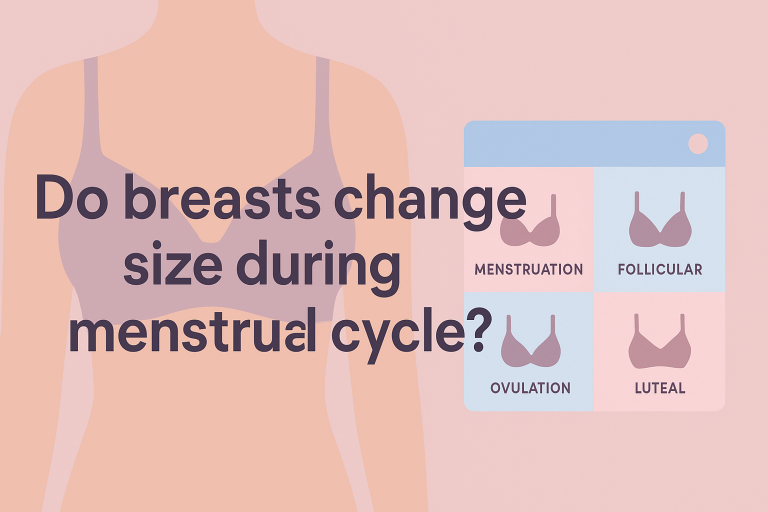
Professional measurements should be updated every 6-12 months or after significant weight changes of 10+ pounds. Breast size fluctuates due to hormonal cycles, weight changes, and aging, making regular assessment important for optimal fit. Many women experience size changes throughout their menstrual cycle, with breasts typically largest just before menstruation begins.
Can I wear the same bra size across different brands?
Bra sizing varies significantly between brands due to different fit models and manufacturing standards. A 34C in one brand may fit like a 36B or 32D in another brand. Always try bras on before purchasing from new brands, and consider ordering multiple sizes online to find the best fit. Premium brands often provide more consistent sizing due to stricter quality control standards.
How many bras do I actually need in my wardrobe?
Most women need 5-7 bras for complete wardrobe coverage, including 2-3 everyday styles for rotation, 1-2 sports bras, one strapless option, and 1-2 specialty styles based on your lifestyle needs. Having multiple bras allows proper rotation and extends the life of each bra by reducing daily wear stress.
Is it worth spending more money on expensive bras?
Premium bras typically offer better construction, advanced materials, and superior fit engineering that justify higher costs for frequently worn styles. Invest in quality for everyday bras you’ll wear 2-3 times per week, but budget options can work well for occasional-wear styles like strapless bras used only for special events.
Why do my bras feel comfortable in the store but uncomfortable after wearing them all day?
Extended wear reveals fit issues not apparent during brief fitting room trials. Your body temperature, posture changes, and daily activities can affect bra comfort over time. Always test new bras for progressively longer periods at home before relying on them for important occasions. Proper break-in time allows materials to adjust to your body shape.
Should I size up or down if I’m between bra sizes?
If between band sizes, choose the smaller size if you prefer firmer support, or the larger size if you’re sensitive to pressure. Adjust cup size accordingly using sister sizing. If between cup sizes, choose the larger cup and use removable padding or inserts to fine-tune fit rather than accepting a too-small cup that causes spillage.
How do I know when it’s time to replace my bras?
Replace bras when the band stretches beyond the tightest hook setting, when underwires poke through fabric, or when cups no longer provide adequate support. Well-maintained bras typically last 6-12 months with rotation, but daily-wear bras may need replacement every 4-6 months. Washing bras in a protective laundry bag extends their lifespan significantly.
Can wearing the wrong bra size cause health problems?
Poorly fitted bras can contribute to shoulder pain, back discomfort, and posture problems due to inadequate support or excessive pressure from too-tight bands and straps. However, there’s no scientific evidence supporting claims that incorrect bras cause serious health issues like cancer or permanent tissue damage. Proper fit primarily affects comfort and appearance.
What’s the difference between molded and non-molded bra cups?
Molded cups are formed from single pieces of fabric using heat and pressure, creating smooth, seamless surfaces ideal for fitted clothing. Non-molded cups use multiple fabric pieces sewn together, providing better customization to breast shape but potentially creating visible seam lines under tight garments. Molded cups work best for round, even fullness, while seamed cups accommodate varied breast shapes more effectively.
How do I prevent my bra straps from falling down?
Falling straps usually indicate that the band is too loose, causing straps to carry too much support weight. Try tightening the band or sizing down. If the band fits correctly, adjust strap positioning closer to your neck or consider bras with different strap placement. Strap grips or cushions can help keep straps in place on sloped shoulders.
Selecting the perfect bra requires understanding your unique body characteristics, lifestyle demands, and personal preferences. Focus on proper sizing, appropriate support levels for your activities, and quality construction that matches your wearing frequency. Start with versatile foundation pieces before adding specialty styles, and remember that the best bra is one that feels so comfortable you forget you’re wearing it while providing the support and appearance you need throughout your day.