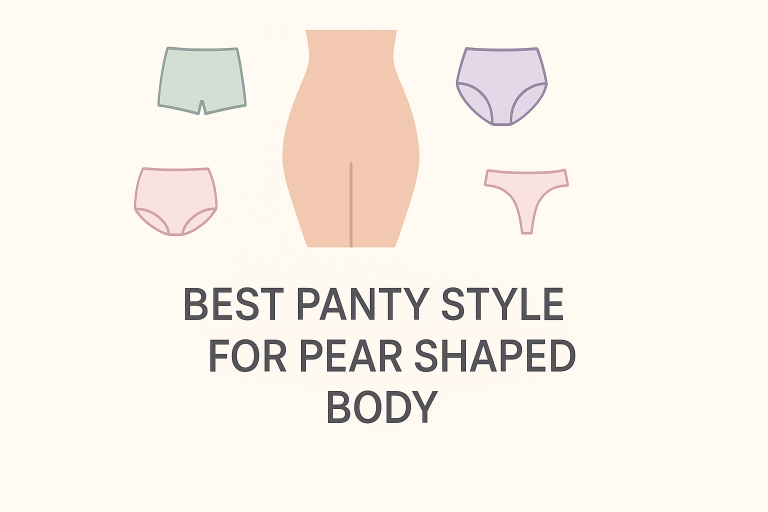
What Is a Tanga Panty? Discover the Perfect Low-Profile Fit
A tanga panty is a minimalist underwear style that sits between a thong and a bikini brief in coverage. It features a narrow waistband, high-cut leg openings, and a small triangular back panel that covers roughly half of the buttocks. Women choose tanga panties for their low-profile fit under fitted clothing and their balance of coverage and minimal fabric.
What Is a Tanga Panty and How Does It Differ from Other Styles
A tanga panty is a type of underwear defined by its triangular front and back panels, narrow side straps, and high-cut leg openings. It originated in Brazil and became widely adopted in European and American lingerie markets as a mid-coverage alternative to full briefs and thongs.
The tanga differs from a thong in one key structural way: the back panel covers approximately 50 percent of the buttocks rather than running as a single strip between the cheeks. This makes it more comfortable for extended wear while still minimizing visible panty lines under clothing.
Use the table below to see exactly how a tanga panty compares to four other common underwear styles across coverage, comfort, and best use case.
| Style | Back Coverage | Visible Panty Line Risk | Comfort for All-Day Wear | Best For |
|---|---|---|---|---|
| Tanga | ~50% | Very low | High | Fitted pants, skirts, everyday wear |
| Thong | ~5% | Eliminated | Moderate | Bodycon dresses, leggings |
| Bikini Brief | ~80% | Moderate | High | Casual wear, loungewear |
| Hipster | ~90% | High | Very high | Low-rise jeans, loungewear |
| G-String | ~2% | Eliminated | Low | Special occasion, activewear |
The tanga sits in a practical middle ground: it eliminates visible panty lines without the discomfort many women associate with thong-style underwear.
The tanga panty is a type of brief underwear within the broader intimate apparel category, positioned specifically between minimal-coverage thongs and full-coverage bikini briefs.
Key Features That Define a Tanga Panty
Tanga panties share four structural features that distinguish them from other low-rise underwear styles. These features work together to create the style’s characteristic low-profile silhouette and moderate coverage.
Triangular Front Panel
The front panel of a tanga panty is cut in a triangular shape that sits low on the hip, typically 1 to 2 inches below the natural waistline. This low-rise positioning prevents the waistband from showing above the top of fitted trousers or low-rise jeans.
Narrow Side Straps
Side straps on a tanga measure between 0.5 inches and 1 inch wide, compared to 1.5 to 2 inches on a standard bikini brief. These narrow straps reduce fabric bulk at the hip and eliminate the visible side-seam line that shows through lightweight fabrics such as jersey or satin.
High-Cut Leg Openings
Leg openings on a tanga are cut higher than a bikini brief, following the natural crease of the hip rather than crossing the thigh. This high cut elongates the appearance of the leg and reduces the chance of fabric bunching under pants or skirts.
Small Triangular Back Panel
The back panel is the defining feature of the tanga style. It covers approximately half the buttocks using a single triangular piece of fabric, rather than the full seat coverage of a bikini brief or the single-strip design of a thong. According to lingerie fit specialists, this back panel design is the primary reason many women prefer the tanga over both the thong and the bikini brief.
These four structural features combine to make the tanga one of the most versatile underwear styles for wear under form-fitting clothing.
Tanga Panty vs Thong: The Most Important Differences
A tanga panty covers roughly 50 percent of the buttocks, while a thong covers less than 10 percent. This single difference makes the tanga a more comfortable choice for women who need panty-line elimination but find thongs uncomfortable for all-day wear.
According to a consumer survey conducted by the Intimate Apparel Association, approximately 38 percent of women who switched from thongs to tanga-style underwear reported improved comfort during long wear periods without a significant increase in visible panty lines under fitted clothing.
Use the table below to decide whether a tanga or thong better fits your primary need.
| Feature | Tanga Panty | Thong |
|---|---|---|
| Back coverage | ~50% of buttocks | Single strip only |
| All-day comfort | Higher rated | Varies by wearer |
| Panty line under clothes | Very low to none | Eliminated |
| Suitable for athletic wear | Yes, with stretch fabric | Yes |
| Price range | $8 to $28 per pair | $6 to $25 per pair |
| Best for | Everyday fitted outfits | Bodycon and sheer fabrics |
Women who prioritize comfort across long workdays but still want a low-profile look under work trousers will generally find the tanga a better fit than a thong.
Common Fabrics Used in Tanga Panties
Tanga panties are made from four primary fabric types, each suited to different body needs and clothing situations. The fabric determines breathability, stretch recovery, durability after washing, and how the panty performs under specific outer garments.
Cotton and Cotton Blend Tangas
Cotton tanga panties use 95 to 100 percent cotton in the main body, sometimes with a 5 percent elastane addition for stretch recovery. The American College of Obstetricians and Gynecologists recommends cotton-lined or all-cotton underwear for women prone to vaginal irritation or yeast infections, as cotton allows greater moisture evaporation than synthetic fabrics.
Cotton tangas are best for everyday wear, warmer climates, and women with sensitive skin. They typically retail between $8 and $18 per pair.
Key Specifications:
- Fabric composition: 95% cotton, 5% elastane (most common blend)
- Moisture evaporation rate: Higher than nylon or polyester
- Machine washable: Yes, cold or warm cycle
- Typical price range: $8 to $18 per pair
- Best for: Daily wear, warm climates, sensitive skin
Microfiber and Nylon Tangas
Microfiber tanga panties use a nylon or polyester microfiber construction, typically 88 percent nylon with 12 percent spandex. This blend creates a smooth, second-skin texture that lies flat under even lightweight fabrics such as jersey wrap dresses or silk blouses.
Microfiber tangas are the most popular choice for office wear and eveningwear because of their near-invisible profile under clothing. They retail between $12 and $28 per pair from mainstream brands.
Key Specifications:
- Fabric composition: 88% nylon, 12% spandex
- Surface texture: Ultra-smooth, flat-lay finish
- Visible panty line: Near-zero under most fabrics
- Care: Hand wash or delicate machine cycle recommended
- Typical price range: $12 to $28 per pair
Lace Tangas
Lace tanga panties use stretch lace fabric, typically 90 percent nylon with 10 percent elastane, for the main body panels. Stretch lace provides moderate compression, minimal show-through due to its textured surface, and significant aesthetic appeal as lingerie.
The textured surface of lace actually reduces visible panty lines under loose fabrics, though it can create texture show-through under very thin jersey. Lace tangas retail between $14 and $35 per pair.
Seamless Tangas
Seamless tanga panties are knitted in a single piece using circular knitting technology, eliminating stitched seams at the leg openings and side straps. This construction removes the most common source of panty-line visibility: the raised seam ridge that shows through tight fabric.
Seamless tangas use a 77 percent nylon, 23 percent elastane blend in most mainstream versions, providing 360-degree stretch with a smooth outer surface. They retail between $10 and $22 per pair.
The fabric you choose affects both comfort and how invisible the tanga sits under different clothing types, making fabric selection as important as style selection for most everyday situations.
How to Choose the Right Tanga Panty Size
Tanga panty sizing follows standard underwear measurements: hip circumference at the fullest point of the buttocks determines your size. Most brands use a consistent sizing scale, though cut differences between styles mean a woman who wears a size medium bikini brief may need a size large in a tanga due to the higher leg cut.
Use the table below to match hip measurement to standard tanga sizing across the most common size ranges.
| US Size | Hip Measurement (inches) | Hip Measurement (cm) | EU Size Equivalent |
|---|---|---|---|
| XS | 32 to 34 | 81 to 86 | 34 to 36 |
| S | 35 to 37 | 89 to 94 | 38 to 40 |
| M | 38 to 40 | 97 to 102 | 42 to 44 |
| L | 41 to 43 | 104 to 109 | 46 to 48 |
| XL | 44 to 47 | 112 to 119 | 50 to 52 |
Sizing based on standard US intimate apparel industry guidelines. Always measure at the fullest point of the hips and buttocks for accurate tanga sizing. Size M highlighted as the most commonly purchased size in women’s intimate apparel according to major retailer data.
If your hip measurement falls between two sizes, size up. The high leg cut of a tanga feels more restrictive when undersized than a standard bikini brief in the same situation.
How to Measure for a Tanga Panty
Measuring for a tanga panty requires one measurement: the circumference of your hips at the fullest point of the buttocks, measured parallel to the floor. Stand with feet together, wrap a soft measuring tape around the widest part of your hips, and note the measurement without pulling the tape tight.
Do not use your waist measurement for tanga sizing. The low-rise waistband sits 1 to 2 inches below the navel, and the fit is determined entirely by hip circumference and leg opening position, not waist circumference.
Getting your hip measurement right before ordering eliminates the most common fit complaint associated with tanga panties: leg openings that cut into the inner thigh when the style is worn in a size too small.
Who Should Wear a Tanga Panty
Tanga panties suit women who want minimal panty lines under fitted clothing without the full coverage removal of a thong. They work especially well for women who find thongs uncomfortable but find bikini briefs too visible under work pants, pencil skirts, or bodycon styles.
This style also works well under athletic clothing. The high leg cut and narrow side straps reduce the fabric overlap that causes chafing during activities such as cycling, running, or yoga. A seamless tanga in a moisture-wicking nylon-spandex blend provides the same low-profile fit as athletic shorts with built-in liners.
The tanga style is less suited to postpartum recovery or post-surgical situations where full seat coverage and a wide, non-compressive waistband provide more comfort. In those cases, a full-coverage brief or a high-waist cotton brief is a better choice.
Use the table below to match your primary reason for buying underwear to the style that fits best.
| If You Need… | Choose This | Because… |
|---|---|---|
| No visible panty line under work trousers | Tanga or seamless tanga | Narrow straps and high cut eliminate side and seat lines |
| Zero panty line under sheer or bodycon dress | Thong | Minimal back fabric eliminates all line visibility |
| All-day comfort with moderate coverage | Cotton tanga | Breathable fabric with partial back coverage reduces all-day discomfort |
| Full coverage and maximum comfort | Hipster or full brief | Full seat coverage with wide waistband for unrestricted comfort |
| Underwear for high-impact athletic activity | Seamless athletic tanga | High leg cut reduces chafing, seamless construction eliminates seam friction |
The tanga panty is the right style choice when your priority is reducing visible panty lines while keeping more coverage and comfort than a thong provides.
How to Care for Tanga Panties to Make Them Last
Proper care extends the lifespan of a tanga panty from an average of 6 to 12 months to 18 to 24 months of regular use. The narrow side straps and elastic leg openings are the most vulnerable components and degrade fastest when exposed to high heat or harsh detergents.
Washing Tanga Panties Correctly
Hand wash lace or microfiber tanga panties in cool water with a lingerie-specific detergent, such as Soak or Eucalan, to prevent elastic degradation. For cotton tangas, a machine wash on the delicate cycle in a mesh laundry bag at 30 degrees Celsius is acceptable.
Never use standard laundry detergents with optical brighteners on lingerie fabrics. According to care label guidelines published by the Textile Care Alliance, optical brightener agents break down elastane fibers in intimate apparel 3 to 4 times faster than lingerie-specific detergents.
Drying Tanga Panties
Always air dry tanga panties flat or on a drying rack. Tumble drying, even on a low heat setting, shrinks elastane fibers and causes the narrow side straps to lose stretch recovery within 5 to 10 wash cycles.
Direct sunlight during drying degrades synthetic fabrics such as nylon and polyester over time. Air drying in a shaded, ventilated area is the standard recommendation from intimate apparel manufacturers including Hanky Panky, Wacoal, and Victoria’s Secret for their tanga and thong styles.
Correct washing and drying habits are the single most impactful factor in how long tanga panties retain their shape and elasticity.
Where to Buy Tanga Panties and What to Expect to Pay
Tanga panties are available across all price tiers, from budget multipacks to premium single-pair lingerie. The price reflects fabric quality, construction method (cut-and-sew versus seamless), and brand positioning rather than coverage or style complexity.
Budget tanga panties in cotton or basic microfiber cost $6 to $12 per pair and are typically sold in multipacks of 3 to 5. Mid-range tanga multipack options from brands such as Calvin Klein, Maidenform, and Hanes retail between $12 and $20 per pair. Premium tanga panties from brands such as Hanky Panky (lace tanga), Wacoal, and La Perla range from $22 to $65 per pair.
Use the table below to match your budget to the tanga style and quality tier most likely to meet your needs.
| Price Tier | Price Per Pair | Typical Fabric | Expected Lifespan | Best For |
|---|---|---|---|---|
| Budget | $6 to $12 | Cotton or basic polyester | 6 to 12 months | Daily rotation, gym wear |
| Mid-range | $12 to $22 | Microfiber nylon-spandex | 12 to 18 months | Office wear, fitted outfits |
| Premium | $22 to $65 | Stretch lace, silk blend | 18 to 30 months | Eveningwear, lingerie sets |
For most women building a practical underwear rotation, mid-range microfiber or seamless tanga panties offer the best balance of longevity, panty-line performance, and everyday comfort at a cost that makes rotating 5 to 7 pairs manageable.
The right tanga panty for your needs depends on your typical outfits, washing habits, and how much you want to spend per pair relative to how long each pair lasts with proper care.
This interactive style finder helps you match your outfit type and comfort priority to the most suitable tanga fabric and construction in seconds.
Interactive Tool
Find the Right Tanga Panty for You
Answer 2 questions to get a personalized recommendation.
Frequently Asked Questions About Tanga Panties
What is the difference between a tanga and a thong?
A tanga panty covers approximately 50 percent of the buttocks with a triangular back panel, while a thong uses a single narrow strip of fabric running between the cheeks that covers less than 10 percent of the buttocks. Both styles minimize visible panty lines, but a tanga provides significantly more back coverage and is rated higher for all-day comfort in consumer surveys. The front panel construction is similar between the two styles; the back panel is the defining difference.
Is a tanga panty the same as a cheeky panty?
A tanga panty and a cheeky panty are different styles with similar coverage levels. A cheeky panty (also called a cheeky brief) uses a wider back panel that sits lower across the buttocks and is typically cut in a curved rather than triangular shape, covering roughly 30 to 40 percent of the buttocks. A tanga uses a narrower triangular back panel and features a higher leg cut. The tanga originated in Brazil and is more common in European lingerie markets; the cheeky brief is a North American adaptation of similar coverage principles.
Can you wear a tanga panty under leggings?
A seamless or microfiber tanga panty is one of the best underwear choices under leggings. The high leg cut reduces the hip and thigh fabric overlap that causes panty-line visibility through thin athletic fabrics, and the narrow side straps eliminate the raised side seam that shows through compression leggings. A cotton tanga is less ideal under leggings because the thicker cotton fabric creates a more visible outline under thin performance fabric than microfiber or seamless nylon constructions.
How do you know if a tanga panty fits correctly?
A correctly fitting tanga panty sits with the waistband flat against the lower abdomen without rolling, digging, or gapping. The leg openings should follow the natural hip crease without cutting into the inner thigh or leaving fabric that folds outward. The back panel should lay smooth and flat against the buttocks without bunching, pulling, or riding up. If the leg openings cause red marks after two hours of wear, size up. If the back panel rides up consistently, the leg cut is too high for your body proportions and a cheeky brief may fit better.
How many tanga panties do you need in a rotation?
Most clothing care and hygiene guidance recommends owning 7 to 10 pairs of underwear for a standard weekly rotation. For a tanga-focused wardrobe, a practical starting point is 5 microfiber or seamless tangas for work and fitted clothing days, 2 cotton tangas for casual or warm-weather days, and 1 to 2 lace tangas for eveningwear. This 8 to 9 pair rotation allows for regular washing while keeping pairs from being overworn, which degrades elastic faster than washing does.
Are tanga panties comfortable for plus-size women?
Tanga panties are available in plus sizes from XL through 3X from mainstream brands including Cacique by Lane Bryant, Torrid, and Elomi. The key fit consideration for plus-size tanga panties is leg opening construction: look for a wide, soft elastic leg opening without a hard seam that digs into the inner thigh. A plus-size seamless tanga with 4-way stretch in a 77% nylon and 23% elastane blend generally receives the highest comfort ratings from plus-size buyers due to the absence of seam pressure points at the leg openings.
The tanga panty is a practical, versatile underwear style that fills the gap between full-coverage briefs and minimal-coverage thongs, making it a useful addition to most women’s underwear rotation.