What Is a Padded Panty: Ultimate Guide to Flattering Curves
A padded panty is a type of underwear designed with foam, silicone, or fabric padding sewn into the buttock and hip areas to create a fuller, rounder appearance. These undergarments add shape and volume without surgery or shapewear compression. This guide covers every key aspect of padded panties, from how they work to which styles suit different body types and clothing.
What Is a Padded Panty and How Does It Work
A padded panty is a women’s undergarment with built-in cushioning panels positioned at the buttocks, hips, or both zones to enhance natural curves. The padding increases the visible projection and roundness of the backside by an average of half an inch to one inch, depending on pad thickness, according to lingerie manufacturers including Bubbles Bodywear and Booty Pop.
The padding sits inside sewn pockets or is bonded directly to the fabric panels. Most designs use removable inserts so the wearer can adjust the level of enhancement or launder the panty shell separately.
Padded panties work through volume displacement: the added material pushes outward against clothing to create a curved silhouette. This differs from push-up bras, which use underwire and padding to lift; padded panties rely entirely on outward padding rather than structural support.
The garment functions as an undergarment worn directly against the skin, sitting flush with the body so the padding appears as part of the natural figure rather than a visible external layer. Seamless outer edges and skin-toned colorways help the panty remain invisible under fitted clothing like leggings, skirts, and dresses.
Padded panties are a type of body-shaping intimate apparel, placing them in the same product category as shapewear panties and enhancing bodysuits, though their mechanism is volume addition rather than compression.
Types of Padded Panties by Coverage and Style
Padded panties fall into four primary silhouette categories, each covering a different combination of body zones. Understanding each type helps match the undergarment to the outfit and the specific enhancement goal.
Butt-Only Padded Panties
Butt-only padded panties concentrate all padding in two rear crescent-shaped pockets positioned over the lower buttocks. These are the most common style, representing the majority of padded panty products available at major retailers. The padding adds projection directly to the seat without altering hip width, making these the best choice for jeans and straight-cut trousers where extra hip volume would distort the fit.
Hip and Butt Padded Panties
Hip and butt padded panties include padding in four zones: two hip pads on the outer thighs and two rear pads over the buttocks. This combination creates an hourglass silhouette by widening the hips in proportion to the waist. These are well suited to bodycon dresses and pencil skirts where full-figure shaping is the goal. The additional hip pads add approximately a quarter inch to half an inch of width per side, according to product specifications from Fredericks of Hollywood.
Thigh-Filling Padded Panties
Thigh-filling padded panties extend padding down to the inner or outer thigh region to smooth gaps and add volume along the upper leg. These address a gap between the thighs that some women prefer to minimize. The design is longer in cut, typically resembling a boyshort or mid-thigh brief, and the padding tapers from the buttock downward to avoid a visible edge line under clothing.
Full-Coverage Shaping Panties with Padding
Full-coverage styles combine padding at the rear with a higher waistband, sometimes incorporating light compression fabric at the abdomen. These serve a dual purpose: adding volume at the back while smoothing the front. The waistband typically reaches two to three inches above the natural waist, making these compatible with high-waisted skirts and pants.
Choosing the right type depends primarily on which clothing the panty will be worn under, because each style creates a different external profile that interacts differently with garment construction.
Materials Used in Padded Panties
The performance of a padded panty depends on two material systems: the shell fabric and the padding insert. Each uses distinct materials optimized for different functional requirements.
Shell Fabric Compositions
Most padded panty shells use nylon-spandex blends, typically in the range of 80 to 88 percent nylon and 12 to 20 percent spandex. Nylon provides durability and a smooth surface that resists snagging on clothing. Spandex (also called elastane or Lycra) delivers the four-way stretch needed for the shell to conform to the body and return to shape after wear.
Some manufacturers use polyester-spandex blends at a lower price point. Polyester is less breathable than nylon but offers higher color retention after repeated washing. Cotton-blend shells appear in everyday comfort styles but are less common in padded designs because cotton does not stretch as uniformly around the padding pockets.
Padding Insert Materials
Padding inserts use one of three primary materials, each with distinct feel and durability characteristics.
Foam padding is the most common type, made from polyurethane foam cut into crescent or oval shapes. Foam padding is lightweight, washable, and holds its shape well for 50 to 100 wash cycles under normal use, according to manufacturer care guidelines. Density ranges from soft (0.5 lb per cubic foot) to medium-firm (1.2 lb per cubic foot), with softer densities feeling more realistic under touch.
Silicone padding mimics the density and movement of natural tissue more closely than foam. Medical-grade silicone inserts weigh between 50 and 150 grams per pad depending on thickness. Silicone is durable, washable, and does not compress with body heat. The trade-off is weight: silicone padded panties feel noticeably heavier during extended wear compared to foam alternatives.
Fiberfill padding uses polyester fiberfill similar to that in pillows and stuffed garments. Fiberfill creates a softer, more diffuse shape and is the lightest option, but it shifts position more easily than foam or silicone and may require repositioning during the day.
Understanding these material differences helps buyers match the padding type to their intended use, whether daily wear, special occasions, or athletic activities.
How to Choose the Right Padded Panty for Your Body Type
Selecting a padded panty involves matching three variables: the padding zone, the thickness level, and the size fit of the shell. Each variable affects both comfort and how realistic the enhancement appears under clothing.
Matching Padding Zone to Your Natural Shape
Women with a naturally narrow hip-to-waist ratio benefit most from hip-and-butt styles because the hip pads restore proportion between the upper and lower body. Women with wider natural hips relative to the waist typically achieve more balanced results from butt-only styles, where the rear padding projects without adding lateral width that could create an exaggerated silhouette.
Petite women, generally defined as 5 feet 3 inches and under, typically find that thinner padding inserts (half-inch to three-quarter-inch thickness) produce a proportionate result. Taller women (5 feet 7 inches and above) can wear one-inch or thicker inserts without the padding appearing disproportionate to overall body scale.
Selecting the Correct Shell Size
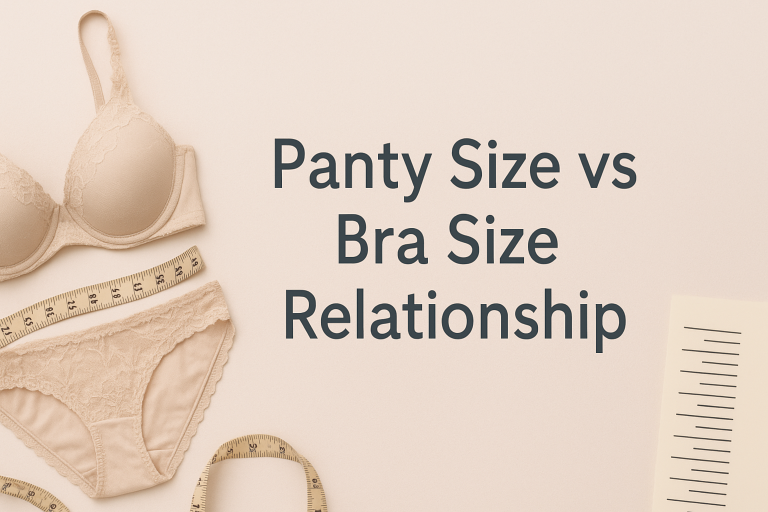
Padded panties size like standard briefs: by waist and hip measurement in inches or centimeters. The critical sizing rule is to use hip measurement as the primary fit anchor, not waist measurement alone. A panty shell that is too small in the hip will compress the padding insert and flatten its shape, defeating the purpose of the padding. Conversely, a shell that is too large will allow the pockets to shift out of alignment with the buttocks during movement.
Use the table below to match your hip measurement to the correct padded panty size range across standard US sizing.
| US Size | Hip Measurement | Waist Measurement | Best Fit For |
|---|---|---|---|
| Small | 35 to 37 inches | 25 to 27 inches | Slim to average build, petite to medium height |
| Medium | 37 to 39 inches | 27 to 29 inches | Average to athletic build |
| Large | 39 to 41 inches | 29 to 31 inches | Athletic or curvy build |
| X-Large | 41 to 43 inches | 31 to 33 inches | Fuller hip or curvy figure |
| 2X | 43 to 46 inches | 33 to 36 inches | Plus-size, wide hip frame |
When hip and waist measurements fall into different size categories, always size up to accommodate the larger measurement and adjust fit with waistband tension rather than undersizing the hip.
Choosing Padding Thickness by Clothing Type
Padding thickness directly affects which outer garments will conceal the panty effectively. Thicker pads (above one inch) are visible as a slight bulge under thin knit fabrics like jersey dresses and fitted leggings. Thinner pads (half inch or less) remain undetectable under these fabrics but produce less dramatic enhancement.
Use the table below to match padding thickness to the outer garment type for a seamless result.
| Clothing Type | Recommended Padding Thickness | Shell Style to Use |
|---|---|---|
| Fitted leggings or yoga pants | Half inch or less | Seamless, no-show cut |
| Bodycon dress or pencil skirt | Half to three-quarter inch | Seamless, full brief or boyshort |
| Jeans or structured trousers | Three-quarter to one inch | Full brief or bikini cut |
| Loose skirts or flared dresses | One inch or more | Any cut; padding fully concealed by volume of fabric |
| Swimwear cover-up | Silicone insert, half inch | Waterproof shell recommended |
Matching padding thickness to fabric weight is the single most reliable way to ensure a padded panty remains invisible under outer clothing, which is the foundation of its effectiveness.
Benefits of Wearing a Padded Panty
Padded panties offer several measurable functional and aesthetic benefits beyond simple appearance enhancement. Understanding each benefit helps clarify whether this garment type fits a specific need.
Non-Surgical Curve Enhancement
Padded panties provide immediate visual enhancement with no recovery period, surgical risk, or permanent alteration to the body. According to the American Society of Plastic Surgeons, buttock augmentation procedures carry risks including implant displacement, infection, and fat embolism in fat-transfer procedures. A padded panty achieves a comparable visual effect for everyday social situations at a fraction of the cost and with zero medical risk.
Clothing Fit Improvement
Many women find that garments designed for curvier silhouettes, including certain cut jeans, tailored trousers, and wrap dresses, fit better with the additional volume a padded panty provides. Women who are lean through the hip and seat often experience gapping at the waistband of pants cut for a curvier figure. Padding fills that structural gap and allows the waistband to lie flat, improving overall garment drape.
Postpartum Body Confidence Support
Postpartum body changes frequently include loss of volume in the buttocks and hips as weight redistributes. A padded panty allows women to wear pre-pregnancy clothing with a better fit during the transition period before the body fully stabilizes. The American College of Obstetricians and Gynecologists notes that postpartum body composition continues to change for up to 12 months after delivery, making temporary shaping solutions practically useful during this window.
Scar and Pressure Distribution
Women who have undergone procedures such as coccyx surgery, tailbone fractures, or posterior hip replacement sometimes use lightly padded undergarments to distribute seating pressure away from sensitive tissue. In these applications, thin foam padding functions as protective cushioning rather than purely cosmetic enhancement. Medical-grade coccyx cushion panties serve this purpose and are a distinct subcategory within padded underwear.
Each benefit is grounded in a functional outcome rather than a purely cosmetic one, which positions padded panties as practical undergarments with broader applications than appearance alone.
Padded Panty vs Shapewear: Key Differences
Padded panties and shapewear are both worn under clothing to modify appearance, but they work through opposite mechanisms and serve different purposes. Understanding the distinction helps buyers avoid purchasing the wrong product type.
Use the table below to compare padded panties and compression shapewear across the features that matter most for buying decisions.
| Feature | Padded Panty | Compression Shapewear |
|---|---|---|
| Mechanism | Adds volume outward | Compresses inward |
| Primary effect | Fuller, rounder backside and hips | Smoother, slimmer silhouette |
| Fabric weight | Lightweight shell plus padding inserts | Heavy-duty power mesh or nylon-spandex |
| Comfort under long wear | High: no compression on body | Moderate to low: compression increases fatigue |
| Best outer garment match | Fitted jeans, bodycon dresses | Draped dresses, formal gowns, structured pants |
| Visible under thin fabrics | Possible with thick pads | Seam edges visible under thin knits |
| Typical price range | $15 to $60 | $20 to $80 |
| Washability | Hand wash or delicate cycle; remove inserts | Hand wash or delicate cycle |
A padded panty and a shapewear panty address opposite shaping goals and are not interchangeable: wearing shapewear when you want more volume, or a padded panty when you want compression, will not produce the desired result.
How to Wear a Padded Panty So It Looks Natural
The success of a padded panty depends on correct positioning, clothing selection, and movement testing before leaving the house. Three specific practices determine whether the enhancement appears natural or detectable.
Correct Pad Positioning
The padding pockets must align with the fullest part of the natural buttocks, not the lower back or upper thigh. Put on the panty and stand in front of a mirror. The crescent-shaped pads should sit centered over each buttock cheek, with the upper edge of the pad resting no higher than the lower back dimples and the lower edge sitting no lower than the gluteal fold (the crease where the buttock meets the thigh).
If the pads appear to sit too high, the shell size is likely too large. If the pads sit too low, the shell is pulling down due to insufficient waistband tension and may need to be sized down.
Outfit Testing Before Wearing Publicly
Always test the padded panty under the specific outfit before wearing it outside. Put on the outer garment and perform three movements: sitting down on a hard chair, bending forward at the waist 45 degrees, and walking briskly for 30 seconds. These three actions reveal whether the padding shifts, creates a visible bulge under fabric, or produces an asymmetrical silhouette from behind.
Fitted leggings and bodycon skirts are the most revealing test garments. If the padding passes the mirror check in these fabrics, it will remain natural-looking under less fitted clothing.
Seamless Shell Selection for Thin Fabrics
Standard padded panties with hemmed edges create a visible panty line under thin or stretch fabrics. Laser-cut or seamless-edge shells eliminate this issue by tapering to near zero thickness at the leg openings and waistband. When wearing a padded panty under leggings, dresses, or any fabric that clings, choose a seamless padded panty specifically rather than a standard-hem style.
The combination of correct pad positioning, pre-wear outfit testing, and seamless shell construction produces an enhancement that is genuinely undetectable under most clothing types.
Here is a guide to help you find the padded panty style that best fits your body and wardrobe needs based on two simple questions.
Interactive Tool
Find the Right Padded Panty Style for You
Answer 2 questions to get a personalized recommendation.
How to Care for a Padded Panty
Padded panties require specific care to preserve both the shell fabric and the padding inserts. Incorrect laundering is the leading cause of early degradation in these garments, particularly foam flattening and elastic breakdown.
Washing the Shell
Always remove padding inserts before washing the shell. Machine washing with inserts in place compresses foam under agitation and permanently reduces its thickness. Wash the shell in a mesh lingerie bag on the delicate cycle in cold water. Hot water degrades spandex fibers faster, reducing elasticity after fewer wash cycles. The International Fabricare Institute recommends washing intimate apparel at temperatures below 86 degrees Fahrenheit (30 degrees Celsius) to preserve elastic integrity.
Cleaning Foam and Silicone Inserts
Foam inserts should be hand washed in lukewarm water with a small amount of lingerie-specific detergent and rinsed thoroughly. Wring gently rather than twisting, which can tear foam at the center. Lay flat to air dry rather than hanging, which causes foam pads to distort under their own weight while wet. Silicone inserts can be wiped clean with a damp cloth or rinsed under lukewarm water and patted dry.
Drying and Storage
Never machine dry a padded panty shell or foam inserts. Dryer heat melts the adhesive bonding between foam layers and shrinks nylon-spandex shells by up to 15 percent in one cycle, according to lingerie care guidelines from the Intimate Apparel Council. Store inserts flat in a drawer or in the original packaging rather than folding them, which creates permanent creases in foam that show through clothing.
Proper care routines more than double the functional lifespan of a padded panty compared to machine washing with inserts in place, making care practices a genuine investment in the garment’s value.
Where to Buy Padded Panties
Padded panties are available through a range of retail channels, and the channel affects both the selection available and the return policy, which matters when buying a fit-dependent garment for the first time.
Online retailers offer the widest selection of styles, sizes, and padding thicknesses. Major options include butt-enhancing padded panties, hip and butt padded panties, and silicone-insert padded underwear across a broad size range. Specialty lingerie retailers including Fredericks of Hollywood, Bubbles Bodywear, and Curvy Sensations focus specifically on body-enhancing undergarments and offer detailed fit guidance on their product pages.
Brick-and-mortar lingerie stores allow in-person sizing, but most do not permit returns on underwear once tried on, making it important to take accurate hip measurements before purchasing in a physical store. Department store intimates sections carry a more limited padded panty selection, typically stocking only the most popular butt-only brief styles in standard sizing.
When buying a first padded panty, choose a retailer with a clear return or exchange policy on unworn garments in original packaging so that sizing issues can be corrected without financial loss.
Frequently Asked Questions About Padded Panties
Are padded panties comfortable to wear all day?
Padded panties are comfortable for all-day wear because the padding adds volume without applying compression to the body. Unlike shapewear, which restricts circulation and causes fatigue in extended wear, padded panties exert no inward pressure. Comfort over long periods depends primarily on shell fabric quality: nylon-spandex shells with a minimum 12 percent spandex content stretch and recover consistently throughout the day without rolling or digging. Most wearers report no discomfort after the first hour of wear, according to verified buyer reviews aggregated by major lingerie retailers.
Can you see a padded panty through clothes?
A padded panty is invisible under most clothing when the padding thickness is matched to the fabric weight. Padding half an inch thick or less is undetectable under leggings, bodycon dresses, and jersey knits. Padding above one inch may create a faint edge line under very thin stretch fabrics. Choosing a seamless-cut shell eliminates visible panty lines entirely. The most reliable test is performing the sit-and-bend movement check in the specific outer garment before wearing it publicly.
Do padded panties work for plus sizes?
Padded panties work effectively for plus sizes, and most major brands offer sizing through 3X and 4X. Plus-size padded panties are designed with wider hip and waist bands to prevent rolling and with proportionally larger padding pockets to create results that are visually proportionate to a fuller frame. Brands including Bubbles Bodywear, Fullness, and Fredericks of Hollywood offer dedicated plus-size padded panty lines with size-specific padding placement rather than simply scaling up a standard-size design.
How long do padded panties last?
With correct care, foam-insert padded panties maintain their shape and elasticity for 12 to 18 months of regular wear (three to four times per week). Silicone-insert styles last longer, typically two to three years, because silicone does not compress or flatten with repeated use the way polyurethane foam does. Shell fabric longevity depends on wash practices: hand washing in cold water with inserts removed preserves elastic recovery significantly longer than machine washing on standard cycles. Replacing foam inserts independently (when available from the manufacturer) extends shell life further without replacing the entire garment.
What is the difference between a padded panty and a butt lifter?
A padded panty adds volume through inserted padding material, while a butt lifter uses compression panels and strategic seaming to push existing tissue upward and outward without adding material. Butt lifters are a type of shapewear that reshapes what is already there; padded panties add volume where there is less natural fullness. A butt lifter works best for women who have natural volume but want more projection and lift. A padded panty works best for women who want to increase the apparent size of the buttocks regardless of natural tissue. Both categories are available as butt lifter panties and padded butt panties through most major intimate apparel retailers.
Can padded panties be worn during exercise?
Padded panties are not recommended for high-impact exercise because the padding shifts during vigorous movement and the shell fabric is not designed for moisture management during sustained activity. For low-impact activity such as walking, light yoga, or casual cycling, a seamless padded boyshort with foam inserts can remain in place adequately. For structured athletic use, a padded workout short designed specifically for exercise with secured padding pockets and moisture-wicking fabric is a better choice than a standard intimate apparel padded panty.
Padded panties provide immediate, non-surgical volume enhancement through foam, silicone, or fiberfill inserts in a standard underwear shell, offering a practical and reversible alternative to cosmetic procedures for women seeking a fuller backside or hip silhouette. Start by measuring your hips and selecting the correct shell size, then match padding thickness to the clothing you plan to wear, and the result will appear natural under the vast majority of outfits.