
What Is the Waistband on Underwear Made Of – Comfort & Care
The waistband on underwear is made from a combination of elastic materials, most commonly a core of rubber or spandex wrapped in nylon, polyester, or cotton fabric. This layered construction gives the waistband its ability to stretch, recover, and hold its shape through repeated wear and washing. Understanding exactly what goes into a waistband helps you choose underwear that fits comfortably, lasts longer, and suits your body’s specific needs.
What Materials Make Up an Underwear Waistband
An underwear waistband consists of two primary components: an elastic core and a fabric covering. The elastic core provides stretch and recovery, while the outer fabric covering determines how the waistband feels against your skin.
The elastic core is typically made from one of three materials. Natural rubber latex delivers the strongest snap-back recovery but causes reactions in people with latex allergies. Spandex (also called elastane or Lycra, which is a trademarked brand name for elastane fiber) offers comparable stretch without the allergy risk and now appears in the majority of mass-market underwear. Polyester-based elastic provides a firmer, less stretchy alternative used in waistbands designed for light compression.
The fabric covering wraps around the elastic core and is woven or knitted from nylon, polyester, cotton, or a blend of these fibers. Nylon coverings feel smooth and resist pilling. Polyester coverings are more affordable and hold color well. Cotton coverings absorb moisture and feel soft directly against skin, which is why cotton-covered waistbands appear frequently in everyday cotton underwear and basics.
The specific ratio of materials in the elastic itself varies by brand and underwear type. A standard everyday waistband uses approximately 60-80% polyester or nylon with 20-40% spandex in the elastic yarn, according to manufacturer fabric disclosures from brands including Hanes, Fruit of the Loom, and Calvin Klein.
Knowing what your waistband is made of directly tells you how it will perform over time and whether it suits your skin type.
Types of Elastic Used in Underwear Waistbands
Not all underwear waistbands use the same type of elastic construction. The manufacturing method changes how the waistband stretches, how wide it can be made, and how it behaves at the edges.
Woven Elastic
Woven elastic is constructed by interlacing rubber or spandex threads with nylon or polyester yarns on a loom. This creates a firm, stable band that maintains its width under tension. Woven elastic is common in structured waistbands on briefs, boyshorts, and boxers where a defined, non-roll edge is needed.
Key Specifications: Width range: 0.5 to 3 inches. Stretch recovery: high. Feel: firm, slightly rigid. Common in: everyday briefs and boyshorts. Machine washable: yes.
Knitted Elastic
Knitted elastic is formed by looping yarn around rubber or spandex threads, producing a softer, more pliable band than woven elastic. Knitted elastic stretches more easily in multiple directions, making it the preferred choice for seamless underwear and softer everyday styles.
Key Specifications: Width range: 0.25 to 2 inches. Stretch recovery: moderate to high. Feel: soft, flexible. Common in: seamless styles and hipster cuts. Machine washable: yes.
Braided Elastic
Braided elastic uses a crossing-thread construction that causes the band to narrow when stretched. This narrowing action can cause a cutting sensation if the waistband sits tightly against the skin. Braided elastic appears primarily in lower-cost underwear and is less common in premium intimate apparel brands.
Key Specifications: Width range: 0.25 to 1 inch. Stretch recovery: moderate. Feel: can feel stiff or cutting. Common in: budget basics. Machine washable: yes, but degrades faster with heat.
Fold-Over Elastic
Fold-over elastic (abbreviated FOE) is a single strip of soft elastic fabric folded in half over the waistband edge. It creates a clean, flat finish and eliminates the need for a separate fabric casing. Fold-over elastic is widely used in activewear, yoga-style underwear, and handmade or boutique intimate apparel.
Key Specifications: Width range: 0.5 to 1 inch folded. Stretch recovery: high. Feel: very soft, flat against skin. Common in: activewear and low-rise styles. Machine washable: yes.
The type of elastic construction determines whether a waistband will roll, cut in, or stay flat after repeated wear, so identifying which type your underwear uses helps explain any comfort issues you experience.
How the Fabric Covering Affects Waistband Comfort
The fabric layer covering the elastic core has a direct impact on how the waistband feels against your skin, how much it breathes, and how it holds up after washing.
Nylon-Covered Waistbands
Nylon-covered waistbands feel silky and smooth, which reduces friction against the skin. Nylon resists pilling and holds its shape through more wash cycles than cotton-covered alternatives. Most nylon underwear styles, including thongs and seamless bikinis, use nylon-covered elastic for a sleek, low-profile look under fitted clothing.
Cotton-Covered Waistbands
Cotton-covered waistbands absorb sweat and moisture more effectively than nylon or polyester alternatives. The American Academy of Dermatology recommends cotton fabrics in the underwear gusset and waistband area for people prone to contact dermatitis or skin irritation, citing cotton’s breathability and low chemical treatment compared to synthetic fibers. Cotton-covered waistbands soften with washing but may show wear sooner than nylon-covered versions.
Polyester-Covered Waistbands
Polyester-covered waistbands offer a middle ground between the softness of cotton and the durability of nylon. Polyester retains color well and dries faster than cotton, making it a common choice in athletic and moisture-wicking underwear styles such as moisture-wicking underwear.
The fabric covering is the part of the waistband that contacts your skin directly, so prioritizing softness, breathability, or moisture management in this layer will have the greatest impact on all-day comfort.
Specialty Waistband Materials and Constructions
Beyond standard elastic, several specialty constructions address specific comfort, medical, and performance needs.
Silicone-Grip Waistbands
Silicone-grip waistbands have small strips or dots of medical-grade silicone bonded to the inner edge of the waistband. The silicone grips the skin or clothing lightly without adhesive, preventing the waistband from rolling or slipping down. This construction is common in thigh-high stockings, shapewear shorts, and no-show underwear designed to stay in place under dresses and skirts.
Latex-Free Waistbands
Latex-free waistbands replace natural rubber latex with 100% synthetic spandex or thermoplastic rubber (TPR) elastic. The American Contact Dermatitis Society identifies natural rubber latex as a common allergen, with sensitization rates estimated at 1-6% in the general population and significantly higher in healthcare workers. Brands including Jockey, Vanity Fair, and Hanky Panky offer latex-free waistband options for sensitive skin.
Seamless Waistbands
Seamless waistbands are created through circular knitting machines that produce a continuous tube of fabric with elastane integrated directly into the knit structure. There is no separate elastic piece sewn in. The result is a waistband with no stitched edge, no visible seam, and no single pressure point. Seamless no-show underwear uses this construction to eliminate panty lines under fitted clothing.
Jacquard-Woven Logo Waistbands
Premium underwear brands including Calvin Klein, Tommy Hilfiger, and SKIMS use jacquard-woven waistbands where the brand logo is woven directly into the elastic structure rather than printed on top. Jacquard weaving creates a textured pattern in the elastic yarn itself, so the logo does not fade with washing. The base elastic in jacquard waistbands is typically a nylon or polyester warp knit with 20-30% spandex content.
Specialty waistband constructions address specific fit problems, and identifying the right construction for your body and clothing needs eliminates most common waistband complaints before you buy.
How Waistband Materials Affect Durability
Elastic waistbands lose stretch recovery over time due to a combination of mechanical stress from wearing, heat from washing and drying, and chemical breakdown from body oils, sweat, and detergents. Understanding which materials degrade faster helps you extend the life of your underwear.
Natural rubber latex degrades faster when exposed to heat and chlorine bleach than spandex alternatives. According to research published in the journal Polymer Degradation and Stability, natural rubber loses approximately 30% of its tensile strength after 50 wash cycles at 104 degrees Fahrenheit (40 degrees Celsius), compared to a 10-15% loss for polyurethane-based spandex under the same conditions.
Spandex (elastane) is more heat-tolerant than natural rubber but still degrades when machine-dried repeatedly at high temperatures. The fiber manufacturers Invista (makers of Lycra) and Hyosung (makers of Creora) both recommend washing spandex-containing underwear in cool or warm water and air-drying or tumble-drying on low heat to preserve elastic recovery.
Body oils and sweat break down elastic fibers at the molecular level, regardless of material. Washing underwear after each wear rather than wearing it multiple times before washing significantly slows this breakdown process.
Use the table below to compare waistband material durability, heat tolerance, and allergy risk across the four most common elastic types.
| Elastic Type | Primary Material | Stretch Recovery | Heat Tolerance | Allergy Risk | Typical Lifespan |
|---|---|---|---|---|---|
| Natural Rubber Latex | Natural rubber | Excellent | Low (avoid heat) | High (latex allergy) | 6-12 months with regular wear |
| Spandex (Elastane) | Polyurethane polymer | Excellent | Moderate (low-heat dry) | Very low | 12-24 months with regular wear |
| Polyester Elastic | Polyester fiber | Good | High | Very low | 18-30 months with regular wear |
| Thermoplastic Rubber (TPR) | Synthetic rubber polymer | Good | Moderate | Very low (latex-free) | 12-18 months with regular wear |
As the table shows, spandex and polyester elastic offer the best combination of durability and low allergy risk for everyday wear. Natural rubber latex provides superior snap-back but carries higher allergy potential and degrades faster with heat exposure.
Choosing spandex-based elastic and washing in cool water on a delicate cycle gives you the longest waistband lifespan regardless of brand.
Here is a breakdown of what each common underwear waistband material does to your comfort and fit over time, from the softest to the most structured options.
Tabbed Guide
Underwear Waistband Materials by Skin and Wear Preference
Select your priority to see which waistband material and construction suits you best.
Best waistband for sensitive or reactive skin
Choose a 100% latex-free spandex elastic core with a soft cotton or modal fabric covering. Latex-free construction eliminates the most common waistband allergen. A cotton-covered waistband reduces friction and absorbs moisture that can aggravate skin irritation. Look for underwear labeled “latex-free” and made from certified organic cotton or OEKO-TEX certified fabric, such as latex-free cotton underwear, to ensure no harmful chemical residues are present in the fabric treatment.
Avoid braided elastic, which narrows under tension and creates a cutting edge. Avoid printed waistbands where ink sits on top of the fabric, as ink solvents can cause contact dermatitis in reactive skin types.
How Waistband Width and Construction Affect Fit
Waistband width directly determines how pressure is distributed across the abdomen. A narrower waistband concentrates elastic tension in a smaller area, which creates a higher pressure per square inch against the skin. A wider waistband spreads the same tension over more surface area, reducing pressure points.
Standard everyday underwear waistbands range from 0.5 to 1.5 inches wide. Waistbands on briefs and hipsters typically fall in the 0.75-to-1-inch range. Boxer brief and boyshort waistbands are generally wider, from 1 to 2 inches, to support the longer leg cut and prevent rolling.
Shapewear and high-waisted underwear use waistbands from 2 to 4 inches wide. The wider band distributes compression more evenly across the midsection, which is why high-waisted shapewear underwear feels less cutting than a narrow waistband at the same compression level.
Waistband construction also determines whether the band rolls. Woven elastic resists rolling because its interlaced structure maintains stiffness at the edges. Knitted elastic rolls more easily, which is why seamless underwear styles with knitted elastic waistbands often incorporate a small amount of stitch bonding at the top edge to prevent fold-over during wear.
Matching waistband width to your activity level and clothing fit solves most waistband comfort problems without needing a larger size or different brand.
Use the table below to match underwear style to its typical waistband material and construction type.
| Underwear Style | Typical Waistband Width | Elastic Type | Fabric Covering | Primary Use Case |
|---|---|---|---|---|
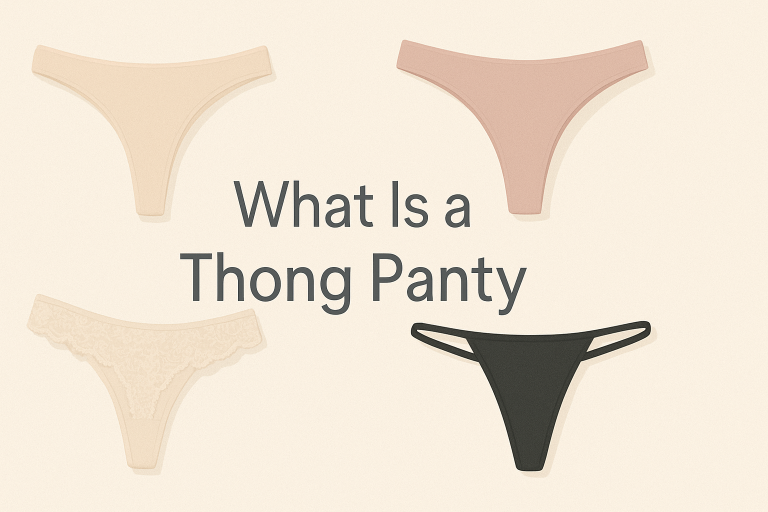
| Thong | 0.5 to 0.75 inch | Knitted or fold-over | Nylon or microfiber | Eliminating visible lines under fitted clothing |
| Bikini | 0.75 to 1 inch | Woven or knitted | Nylon, polyester, or cotton | Everyday moderate coverage |
| Hipster | 1 to 1.5 inches | Woven | Cotton or cotton-blend | Full hip coverage, everyday comfort |
| Boyshort | 1 to 2 inches | Woven or jacquard | Cotton, nylon, or polyester | Maximum coverage with leg coverage |
| High-waist brief | 1.5 to 3 inches | Wide woven or seamless knit | Nylon, cotton, or microfiber | Tummy smoothing, postpartum support |
| Seamless bikini or brief | 0.75 to 1.5 inches integrated | Integrated seamless knit | No separate covering (knit is the waistband) | No-show under fitted garments |
As the table shows, seamless styles are unique in that the waistband is not a separate sewn-in piece but rather a continuation of the same circular-knit fabric structure, which is why seamless underwear produces no visible edge under clothing.
Matching the waistband construction to the specific underwear style you need ensures you get both the fit and the finish that works best for your body and wardrobe.
How to Read an Underwear Care Label to Identify Waistband Materials
The care label sewn into underwear is required by the Federal Trade Commission (FTC) in the United States to list the fiber content of all fabric components that make up 5% or more of the total product weight. This label identifies the primary waistband materials, though the label lists the garment as a whole rather than separately identifying each component.
Common care label entries that indicate waistband material type include the following combinations.
- 95% cotton, 5% spandex: Cotton-dominant fabric with a spandex-integrated knit waistband. Common in everyday cotton hipster underwear.
- 90% nylon, 10% spandex: Nylon-covered elastic waistband construction. Common in thongs and seamless styles.
- 85% polyester, 15% spandex: Polyester-covered elastic waistband. Common in athletic and moisture-wicking styles.
- 78% nylon, 12% spandex, 10% cotton: Blended construction where cotton is used in the gusset and waistband covering while nylon and spandex form the main body and elastic core.
The FTC’s Care Labeling Rule, established under 16 CFR Part 423, requires all garments sold in the United States to include fiber content, country of manufacture, and care instructions. If the label does not list a fiber you are allergic to, you can request a full material disclosure from the brand directly, as some elastic components including rubber and adhesives may be present below the 5% threshold and thus not listed.
Reading the care label before buying gives you the clearest picture of what the waistband is made of and whether it is safe for your skin type.
Why Waistbands Lose Elasticity Over Time and When to Replace Underwear
Elastic fibers in waistbands degrade through three mechanisms: mechanical fatigue from repeated stretching, thermal breakdown from washing and drying heat, and chemical degradation from body oils, sweat, detergents, and chlorine bleach.
Spandex fibers, which form the elastic core of most modern underwear waistbands, begin to lose measurable tensile strength after approximately 30-50 wash cycles under normal conditions, according to textile testing standards from ASTM International (ASTM D2594, Standard Test Method for Stretch Properties of Knitted Fabrics). At 100 wash cycles, spandex elastic retains approximately 60-70% of its original stretch force, which most wearers experience as a noticeably looser waistband that no longer sits flat.
The American Cleaning Institute recommends washing underwear in cool or warm water (below 104 degrees Fahrenheit or 40 degrees Celsius) on a delicate or gentle cycle and avoiding tumble-drying on high heat to extend elastic lifespan. Using gentle lingerie-specific detergent instead of standard laundry detergent further reduces chemical stress on elastic fibers.
Signs that a waistband has reached end-of-life include visible kinking or bunching of the elastic inside the fabric casing, a waistband that rolls inward or folds over during wear, permanent stretching where the band no longer returns to its original width after washing, and visible fraying or separation at the point where the waistband meets the body of the underwear.
Most textile experts and underwear brands, including ThirdLove and Soma, recommend replacing everyday underwear every 6-12 months with regular wear, which translates to approximately 150-300 wash cycles for underwear worn 2-3 times per week.
A waistband that no longer recovers its shape after washing has exceeded its mechanical lifespan and will not improve, so replacement at this point gives better comfort and hygiene outcomes than continued wear.
Waistband Materials in Different Underwear Styles
Different underwear cuts use different waistband constructions based on the support requirements, coverage area, and intended wear occasion of each style.
Use the table below to match underwear style to its typical waistband material and construction type.
| Underwear Style | Typical Waistband Width | Elastic Type | Fabric Covering | Primary Use Case |
|---|---|---|---|---|
| Thong | 0.5 to 0.75 inch | Knitted or fold-over | Nylon or microfiber | Eliminating visible lines under fitted clothing |
| Bikini | 0.75 to 1 inch | Woven or knitted | Nylon, polyester, or cotton | Everyday moderate coverage |
| Hipster | 1 to 1.5 inches | Woven | Cotton or cotton-blend | Full hip coverage, everyday comfort |
| Boyshort | 1 to 2 inches | Woven or jacquard | Cotton, nylon, or polyester | Maximum coverage with leg coverage |
| High-waist brief | 1.5 to 3 inches | Wide woven or seamless knit | Nylon, cotton, or microfiber | Tummy smoothing, postpartum support |
| Seamless bikini or brief | 0.75 to 1.5 inches integrated | Integrated seamless knit | No separate covering (knit is the waistband) | No-show under fitted garments |
As the table shows, seamless styles are unique in that the waistband is not a separate sewn-in piece but rather a continuation of the same circular-knit fabric structure, which is why seamless underwear produces no visible edge under clothing.
Matching the waistband construction to the specific underwear style you need ensures you get both the fit and the finish that works best for your body and wardrobe.
Frequently Asked Questions About Underwear Waistbands
What is the elastic waistband on underwear made of?
The elastic waistband on underwear is made of a rubber or spandex (elastane) core wrapped in a nylon, polyester, or cotton fabric covering. Spandex is the most common elastic core material in modern underwear waistbands because it provides strong stretch recovery without the latex allergy risk of natural rubber. The outer fabric covering is most often nylon for smooth styles and cotton for everyday basics.
Why does my underwear waistband roll down?
An underwear waistband rolls down when the elastic core has lost sufficient tension to hold the band flat against the body, when the waistband width is too narrow to resist folding under movement, or when the elastic type is a knitted or braided construction rather than woven construction. Woven elastic resists rolling better than knitted elastic because its interlaced structure maintains stiffness at the edges. Replacing underwear with a degraded waistband or switching to a wider woven elastic waistband style resolves rolling in most cases.
Is the underwear waistband bad for my skin if I am allergic to latex?
Natural rubber latex waistbands can cause contact dermatitis or allergic reactions in people with latex sensitivity, including itching, redness, and hives at the waistband contact area. The American Contact Dermatitis Society identifies latex as a significant contact allergen. Choosing underwear labeled “latex-free” with spandex or thermoplastic rubber (TPR) elastic eliminates this risk. Brands including Jockey, Hanky Panky, and SKIMS offer latex-free waistband options. Always check the care label fiber content and contact the brand directly if latex content is not listed but reactions occur.
How do I stop my underwear waistband from leaving marks on my skin?
Underwear waistbands leave marks when the elastic tension is too tight relative to your body circumference, when the waistband is too narrow and concentrates pressure in a small area, or when a braided elastic construction narrows and cuts in under tension. Switching to a wider waistband (1.5 inches or more) distributes pressure over a larger area. Choosing a seamless style with an integrated knit waistband eliminates the stitched edge that causes the deepest marks. Going up one band size in your underwear sizing also reduces waistband pressure without affecting overall fit significantly.
How often should I replace underwear because of the waistband?
Underwear waistbands reach functional end-of-life after approximately 150-300 wash cycles, which translates to 6-12 months of regular wear for underwear washed weekly. Visual signs of waistband failure include visible kinking or bunching of the elastic inside the fabric casing, a band that rolls over or folds during wear, and a waistband that remains stretched out after washing rather than returning to its original width. The American Cleaning Institute’s care guidelines recommend washing underwear in cool water on a delicate cycle to extend elastic lifespan to the higher end of this range.
What is a jacquard waistband on underwear?
A jacquard waistband on underwear is an elastic waistband where the pattern or brand logo is woven directly into the structure of the elastic yarn using a jacquard loom, rather than being printed on top of the fabric. Jacquard weaving creates a raised or textured pattern in the elastic itself using different-colored threads, so the design does not fade or crack with washing the way printed logos do. Calvin Klein, Tommy Hilfiger, and SKIMS use jacquard waistbands on their signature logo underwear. The base elastic in a jacquard waistband is typically a nylon or polyester warp-knit structure with 20-30% spandex content.
Understanding what your underwear waistband is made of and how each material performs helps you choose styles that stay comfortable through a full day of wear, hold up through repeated washing, and work safely for your skin type. Look for spandex-core elastic with a nylon or cotton fabric covering for the best balance of durability, softness, and low allergy risk. Wash in cool water on a delicate cycle, and replace waistbands that roll, kink, or fail to recover their shape after washing.



3 Comments