Best Panty Style For Athletic Or Rectangle Body Guide
The best panties for an athletic or rectangle body type are styles that add visual curves, create the illusion of a more defined waist, and complement your naturally straight, balanced proportions. This body shape, characterized by shoulders and hips of roughly equal width with a less defined waist, responds beautifully to specific cuts and silhouettes that work with your frame. In this guide, you will discover the most flattering panty styles, fabrics, and features chosen specifically for athletic and rectangle body types.
Understanding the Athletic and Rectangle Body Shape
The athletic or rectangle body type features shoulders, waist, and hips that measure within approximately 5 percent of each other, creating a straight vertical line from shoulders to hips. According to research published in the International Journal of Fashion Design, Technology and Education, the rectangle is one of the five most common female body shapes, representing roughly 46 percent of women studied.
Unlike hourglass shaped bodies, the rectangle silhouette has minimal natural waist indentation. The goal when choosing intimate apparel is to select styles that visually create curves, add definition at the hips, and balance the overall figure rather than emphasizing the straight line.
The athletic variation of this body type often features more visible muscle definition, particularly in the glutes, thighs, and core. This means fit and coverage matter just as much as silhouette, since form-fitting panty styles will highlight muscle tone while styles with less coverage can create contrast at the hips.
Understanding your body shape is the foundation for choosing panties that feel as good as they look, so every recommendation in this guide starts from that specific rectangle or athletic silhouette.
Best Panty Styles for Athletic and Rectangle Body Types
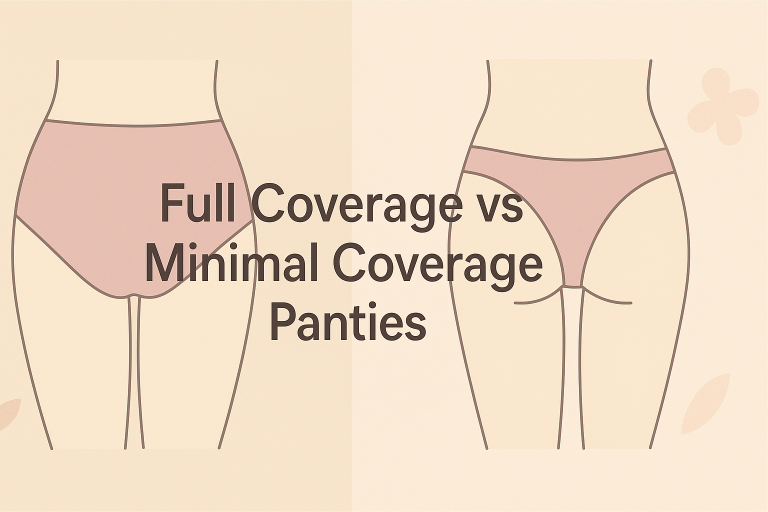
The most flattering panties for rectangle and athletic body types are styles that add volume or definition at the hips and rear, visually creating the curve difference that the natural silhouette minimizes. The six styles below all serve this purpose in different ways depending on your comfort and coverage preferences.
Cheeky Panties
Cheeky panties are the single most recommended style for athletic and rectangle body types, and for good reason. The cut sits higher on the rear than a classic brief, exposing the lower portion of the buttocks and creating a rounder, fuller visual effect that adds curve to a flat or straight silhouette.
The side panels on cheeky styles typically sit at mid-hip, which visually widens the hip line without adding bulk at the waistband. According to lingerie fit specialists at ThirdLove, the cheeky cut is specifically engineered to enhance the appearance of the backside, making it the top pick for women who want more shape in that area.
Key Specifications:
- Coverage: 30 to 40 percent rear coverage
- Side panel width: 1 to 2 inches at hip
- Waistband placement: sits at natural hipbone level
- Fabric: typically 85 to 92 percent nylon, 8 to 15 percent spandex
- Best for: adding visual curve to flat rear profiles
The cheeky cut works particularly well for athletic body types because the exposed lower curve of a toned glute is visually flattering rather than something to minimize.
Brazilian Cut Panties
Brazilian cut panties offer even less rear coverage than cheeky styles, with a V-shaped back panel that exposes most of the rear. This extreme coverage reduction creates maximum visual emphasis on the shape of the buttocks, making it highly effective for rectangle and athletic silhouettes that benefit from added visual curve at the rear.
The Brazilian cut also tends to feature a slightly higher cut at the hip, which visually lengthens the leg. According to lingerie designer guidelines published by Wacoal, a higher leg opening creates an optical illusion of a longer, leaner leg line, which is particularly effective for straight body proportions.
Key Specifications:
- Rear coverage: 10 to 20 percent
- Leg opening: high-cut, typically 2 to 3 inches above the natural crease
- Waistband: low-rise to mid-rise
- Fabric: 88 to 92 percent nylon, 8 to 12 percent spandex
- Best for: maximum rear curve emphasis and longer leg illusion
Brazilian cut panties are best worn under clothing with minimal fabric at the rear, such as form-fitting trousers, leggings, or fitted dresses, where the silhouette-enhancing effect is most visible.
High-Waist Briefs
High-waist briefs are a powerful option for rectangle body types because the wide waistband visually defines and cinches the waist, creating the illusion of an hourglass indentation that the natural rectangle silhouette lacks. The band typically sits 2 to 3 inches above the navel, compressing slightly and framing the midsection.
High-waist styles with lace or decorative edges at the top add further visual weight to the waistline, directing the eye inward and creating a curve contrast between the waist and the hip. Brands including Hanky Panky and Calvin Klein produce high-waist styles specifically designed for this waist-defining effect.
Key Specifications:
- Waistband height: 2 to 3 inches above navel
- Rear coverage: 80 to 100 percent
- Compression level: light to moderate
- Fabric: 70 to 85 percent nylon or cotton, 15 to 30 percent spandex
- Best for: waist definition, smooth silhouette under high-waisted trousers
High-waist briefs also serve a practical function for athletic body types, as the wider waistband stays in place during movement and does not roll or dig at the hip during physical activity.
Boyshorts
Boyshorts provide full rear coverage with a horizontal lower hemline that sits across the upper thigh. For rectangle and athletic body types, this hemline placement creates a visual hip shelf that adds apparent width to the hip area, effectively widening the silhouette below the waist and improving curve contrast.
The full coverage of boyshorts also suits athletic builds well because the style contains and shapes the rear without the gapping or shifting that narrower cuts can produce on more muscular glutes. According to fit notes from Soma Intimates, boyshorts are specifically recommended for athletic builds because the structured panel construction accommodates greater glute muscle volume than thong or bikini cuts.
Key Specifications:
- Rear coverage: 95 to 100 percent
- Leg hemline: sits 1 to 2 inches below the natural gluteal fold
- Fabric: 85 to 95 percent nylon or microfiber, 5 to 15 percent spandex
- Waistband: flat, typically 0.75 to 1.5 inches wide
- Best for: full coverage, athletic builds with developed glutes
Boyshorts work best under looser trousers, shorts, or skirts where the full cut does not create visible lines through lighter fabrics.
Hipster Panties
Hipster panties sit lower on the hip than a traditional brief but higher than a bikini cut, with the waistband landing at or just below the widest point of the hip. This placement is specifically advantageous for rectangle and athletic body types because it frames the natural hip measurement rather than sitting above it, visually reinforcing the widest part of the lower body.
The moderate rear coverage of hipster styles, typically 50 to 70 percent, creates a balanced look that is neither as revealing as cheeky or Brazilian cuts nor as conservative as a full brief. This makes hipsters a versatile everyday choice for rectangle body types who want subtle shaping without dramatic exposure.
Key Specifications:
- Waistband placement: at or just below the natural hip point
- Rear coverage: 50 to 70 percent
- Fabric: 88 percent nylon, 12 percent spandex (typical construction)
- Side panel width: 1.5 to 2.5 inches
- Best for: everyday wear, reinforcing natural hip width
Hipsters are one of the most widely available panty styles across all price points, making them an accessible starting point for rectangle body types exploring style adjustments.
Lace Panties with Wide Side Panels
Lace panties with wide side panels, typically measuring 2 to 3 inches in width, add visual texture and weight at the hip that creates the appearance of greater width. For rectangle body types, this textural width is one of the most effective optical tools available, since lace carries more visual weight than plain microfiber and draws the eye outward at the hip.
According to lingerie styling guidance from Intimissimi, lace at the hip acts as a visual anchor that broadens the perceived width of the hip area by 10 to 15 percent compared to a smooth fabric in the same cut. This makes lace side panels particularly valuable for the straight rectangle silhouette where natural hip width is minimal.
Key Specifications:
- Side panel width: 2 to 3 inches of lace
- Fabric: lace overlay on nylon or microfiber base
- Coverage: varies by cut (bikini, hipster, or brief base)
- Care: hand wash or delicate machine cycle recommended
- Best for: adding visual hip width through texture contrast
Lace side panels work best in darker colors or high-contrast combinations where the texture difference between the lace and center panel is visually pronounced.
Use this table to match your body shape priority to the panty style that best achieves it.
| Priority | Best Style | Key Effect | Coverage Level | Price Range |
|---|---|---|---|---|
| Add rear curve | Cheeky | Exposes lower glute, rounds silhouette | 30 to 40% | $10 to $35 |
| Maximum curve emphasis | Brazilian cut | V-back exposes most of rear | 10 to 20% | $12 to $40 |
| Define waist | High-waist brief | Wide band cinches midsection | 80 to 100% | $15 to $55 |
| Full coverage + shape | Boyshorts | Hip shelf hemline widens hip profile | 95 to 100% | $10 to $30 |
| Everyday versatility | Hipster | Frames natural hip point | 50 to 70% | $8 to $28 |
| Visual hip width | Wide lace side panel | Texture adds apparent width | Varies by cut | $12 to $45 |
As shown above, cheeky and Brazilian cut styles offer the strongest rear-curve effect, while high-waist briefs address the waist definition that rectangle body types often want most.
Choosing the right cut is the first decision, and it should be guided by which specific visual goal matters most to you today.
Panty Styles to Avoid for Rectangle Body Types
Certain panty styles work against the visual goals of rectangle and athletic body types by either minimizing the hips further or creating unflattering proportional effects at the waist or thigh. Knowing which styles to skip is just as important as knowing which to choose.
Classic Full Briefs with Straight Leg Openings
Traditional full briefs with a straight horizontal leg opening that sits across the mid-thigh create a boxy silhouette that echoes the straight lines of the rectangle body shape rather than countering them. This hemline placement draws a flat horizontal line across the widest part of the thigh, which visually shortens the leg and reduces the hip curve contrast further.
The waistband on classic full briefs also typically sits at the natural waist rather than above it, missing the opportunity to create the waist-defining cinch effect that high-waist styles deliver. For rectangle body types, the full brief’s geometry compounds rather than corrects the straight-line silhouette.
Bikini Panties with Thin Side Strings
Bikini panties with very thin side panels, particularly string bikinis where the side connection is a 0.25 to 0.5 inch string, provide virtually no visual width at the hip. For rectangle body types, this creates the optical effect of an even narrower hip profile because the thin string draws the eye to the center rather than outward to the hip point.
Bikini styles with wider side panels of 1.5 inches or more are acceptable alternatives. The issue is specifically with the narrow string construction rather than the bikini category as a whole.
Low-Rise Styles That Sit Below the Hip Curve
Panties with a waistband that sits more than 1 inch below the natural hipbone place the visual frame of the underwear below the widest hip point. This effectively removes the hip as a reference point for the garment and makes the overall silhouette appear straighter and more cylindrical rather than curved. Rectangle body types benefit from waistband placement at or above the hip curve, not below it.
Avoiding these three cuts does not mean eliminating them permanently. It means recognizing that they work best for other body shapes and that the styles in the section above will consistently produce better visual results for athletic and rectangle silhouettes.
Best Fabrics and Features for Athletic Body Types
Fabric choice matters as much as cut for athletic body types, where clothing must accommodate muscle definition, active movement, and, in many cases, sweat and physical activity. The right fabric enhances fit, reduces shifting during movement, and maintains the intended silhouette throughout the day.
Moisture-Wicking Microfiber
Moisture-wicking microfiber, typically constructed from 88 to 92 percent nylon and 8 to 12 percent spandex, is the top fabric choice for athletic body types who remain physically active throughout the day. According to the American College of Sports Medicine, moisture management in intimate apparel reduces skin friction, chafing, and bacterial growth during physical activity.
Microfiber also has a smooth texture that lies flat under fitted athletic wear such as leggings or compression shorts, making it the most practical choice for workouts or active days. Moisture-wicking underwear is widely available in all flattering cut styles including cheeky, hipster, and high-waist designs.
Seamless Construction
Seamless panties eliminate stitched edges at the leg and waist openings, which prevents the panty line and edge-digging that occurs when seamed styles are worn under form-fitting clothing. For athletic body types who frequently wear tight-fitting activewear or structured workwear, seamless construction is nearly essential.
Seamless styles are knitted in a single piece using circular knitting technology, with edges finished by bonding or laser-cutting rather than stitching. This construction also allows for better stretch recovery, meaning the panty returns to its original shape after stretching to accommodate athletic movement.
Cotton Gusset with Synthetic Shell
Panties that combine a synthetic outer shell with a 100 percent cotton gusset provide the best of both worlds for active women. The nylon or microfiber shell delivers the smooth, curve-defining silhouette that works for rectangle body types, while the cotton gusset provides the breathability and moisture absorption that gynecological health guidelines recommend for the sensitive area.
The American College of Obstetricians and Gynecologists recommends cotton or moisture-wicking fabrics in the gusset area specifically to reduce moisture buildup that can contribute to bacterial imbalance. This feature is available across all flattering cut styles and should be considered a non-negotiable health feature rather than an optional upgrade.
Light Compression Fabrics
Light compression fabrics with a spandex content of 15 to 25 percent provide gentle muscle support and maintain their shape over the glute area during movement. For athletic body types with more developed glute muscles, a higher spandex content ensures the panty does not gap, sag, or shift position during exercise.
High-stretch compression construction is particularly important in cheeky and Brazilian cut styles, where a lower spandex content can cause the fabric to roll or ride up on a muscular posterior. Look for a minimum of 12 percent spandex in any panty style intended for active use.
The right fabric is what keeps a flattering cut looking flattering all day, so prioritizing moisture-wicking, seamless, or compression construction alongside the visual cut choice produces the best overall result.
How Color and Print Choices Affect the Rectangle Silhouette
Color and print selection in panties affects the visual perception of body shape in the same way that color and print choices in outerwear do. For rectangle and athletic body types, strategic color use can amplify the curve-enhancing effect of the right cut.
Use Darker Center Panels with Lighter or Patterned Sides
A panty design with a darker center panel and lighter or more textured side panels creates an optical narrowing at the center while visually expanding the hips outward. This color-blocking effect mimics the visual principle of vertical dark stripes narrowing a silhouette, applied specifically to the waist and hip zone.
Brands including Natori and La Perla produce panty styles with deliberate color-contrast panel construction. The effect is most visible in cheeky and hipster styles where the side panel is large enough to register as a distinct visual element.
Avoid All-Over Horizontal Stripes
All-over horizontal stripes on panties reinforce the horizontal line of the rectangle silhouette by drawing the eye across the body at the hip rather than around the curve of the hip. For rectangle body types, this is one of the most counterproductive print choices available.
Vertical stripes, diagonal prints, or irregular patterns that do not create a clear horizontal line are all more favorable. Solid colors in any of the flattering cut styles described above are always a safe choice when the pattern options available are horizontal.
High-Contrast Lace on a Solid Base
Lace overlay in a color that contrasts with the base fabric, such as black lace over nude fabric or ivory lace over blush fabric, adds visual complexity to the hip area that plain single-color styles do not provide. This complexity draws the eye to the hip and increases the perceived visual weight of the hip area, which is exactly the effect rectangle body types benefit from.
Color and print strategy is one of the easiest adjustments to make when building a lingerie wardrobe for rectangle or athletic proportions, and it costs nothing extra when applied at the point of purchase.
Here is an interactive finder to help match your specific priorities and activity level to the panty style that fits both.
Interactive Tool
Find the Best Panty Style for Your Athletic or Rectangle Body
Answer 2 questions to get a personalized panty style recommendation.
Building a Panty Wardrobe for Athletic and Rectangle Bodies
A functional panty wardrobe for an athletic or rectangle body type covers at minimum four use cases: everyday wear, active use, formal or fitted clothing, and special occasions. Each use case calls for a slightly different combination of cut, fabric, and coverage.
Everyday Rotation
For daily wear, a combination of hipster and cheeky styles in moisture-wicking microfiber covers the widest range of situations. The American Apparel and Footwear Association recommends owning at least seven pairs of everyday underwear to allow for laundering cycles without rewearing. For rectangle body types, seven pairs across two flattering cuts in neutral and darker colors provides adequate rotation without relying on unflattering styles.
A practical everyday rotation for athletic and rectangle body types includes three hipster pairs in neutral microfiber for work or school, three cheeky pairs in cotton or microfiber for casual days, and one seamless style for fitted clothing days.
Active and Athletic Use
Athletic use requires at minimum three to four pairs of moisture-wicking seamless underwear specifically designated for workouts. These should rotate through laundry cycles independently of everyday pairs to avoid over-wearing any single pair before washing.
For rectangle and athletic body types who train five or more days per week, four to five active-specific pairs in a cheeky or boyshort cut with moisture-wicking construction is the standard recommendation from athletic apparel specialists at Under Armour and Lululemon.
Fitted and Formal Occasions
Fitted clothing such as bodycon dresses, tailored trousers, or pencil skirts requires seamless construction in all panty styles to prevent visible lines. Two to three seamless pairs in nude or skin-matching tones cover most formal occasions. Seamless nude underwear in the wearer’s specific skin tone provides the most invisible result under sheer or light fabrics.
High-waist seamless briefs are the top choice specifically for high-waisted trousers or skirts, where the overlap of the waistband with the garment waist requires a smooth profile to prevent visible ridging.
Special Occasions
For special occasions, lace styles in cheeky, Brazilian, or high-waist cuts provide the visual impact that everyday microfiber styles do not. Two to three lace cheeky or lace high-waist panties in coordinating sets with matching bras cover most special occasion needs.
For rectangle body types specifically, choosing lace styles with wide side panels in contrasting colors adds the maximum visual curve effect to special occasion lingerie.
A well-built panty wardrobe requires as few as 12 to 14 total pairs to cover all four categories with proper rotation, which means replacing the entire wardrobe takes a modest investment when the right styles are chosen from the start.
Sizing Tips to Ensure the Most Flattering Fit
Even the most visually appropriate panty style will not deliver its intended effect if the fit is incorrect. For athletic and rectangle body types, two sizing pitfalls are particularly common: undersizing at the hip due to muscular glutes, and oversizing at the waist due to the narrower natural waist measurement.
Measure Hips and Waist Separately
The most accurate panty size is determined by measuring both the fullest part of the hips and the natural waist separately, then sizing to the hip measurement when the two fall in different size categories. According to the Intimate Apparel Square Circle sizing standards, hip circumference is the primary determining measurement for panty fit, since the hip is the widest point the garment must pass over during dressing.
Use a flexible measuring tape and measure the fullest part of the hips while standing with feet together. For athletic builds, this measurement often falls one to two sizes larger than the waist would suggest, so always size to the hip first and adjust the waistband through style choice if needed.
Account for Muscular Glutes in Rear Coverage Styles
Cheeky and Brazilian cut styles in the standard size may provide less rear coverage than intended on muscular athletic builds because the additional glute volume reduces the effective coverage area. This is not a fit failure. It is a normal sizing consideration for athletic body types.
If a cheeky style rides up or sits too high on a well-developed rear, moving up one size in the same cut usually restores the intended coverage level without affecting the waistband fit significantly. Alternatively, choosing a moderate cheeky style rather than a minimal cheeky provides more rear fabric within the same visual cut category.
Check Waistband Elastic Quality Before Buying
Rectangle body types with a naturally smaller waist relative to their hip measurement benefit from waistbands with higher spandex content, typically 20 percent or more, to prevent the band from slipping down during wear. A waistband that sits correctly on the hip may not grip the smaller waist above it without sufficient elastic recovery.
Test the waistband by stretching it to roughly double its resting circumference and releasing it. High-quality elastic returns to its original shape within one second. Slow recovery indicates lower quality elastic that will sag and shift throughout the day.
Getting the size right from the start prevents the most common fit complaints and ensures the curve-enhancing visual effects of the recommended styles actually work as intended on your specific body.
Frequently Asked Questions About Best Panty Style for Athletic or Rectangle Body
What panty style is most flattering for a rectangle body type?
The cheeky cut is the most universally flattering panty style for rectangle and athletic body types because it exposes the lower portion of the rear, creating a rounder, fuller visual effect that adds curve to a straight silhouette. Brazilian cut panties achieve a similar but more pronounced effect. High-waist briefs are the best choice when waist definition is the primary goal rather than rear curve.
Should athletic body types avoid thong panties?
Thongs are not harmful or counterproductive for athletic body types, but they are neutral in terms of shaping benefit rather than actively flattering. A thong provides no hip-widening or waist-defining effect, so it does not work against the rectangle silhouette but also does not enhance it. Thongs are appropriate choices for situations where no visible panty line is the priority, such as under fitted activewear, with the understanding that cheeky or hipster styles in seamless construction achieve the same no-VPL goal while also adding visual curve.
What is the best panty fabric for athletic women who work out daily?
Moisture-wicking microfiber in a 88 to 92 percent nylon and 8 to 12 percent spandex construction is the best fabric for daily active use. According to the American College of Sports Medicine, moisture management in intimate apparel reduces friction, chafing, and bacterial growth during physical activity. Seamless construction in this fabric eliminates the stitched edges that cause chafing under compression leggings or fitted activewear. A cotton gusset within a synthetic shell provides the ventilation that gynecological health guidelines recommend for the sensitive area.
How do I prevent cheeky panties from riding up during workouts?
Cheeky panties ride up during workouts primarily when the spandex content is too low to maintain the intended coverage level against an athletic build. Choose cheeky styles with a minimum of 12 percent spandex content, and size up one size if the glute muscle volume is reducing the effective coverage area. Seamless construction also reduces the edge grip that causes riding, since there is no stitched hem for the clothing layer above to catch and pull. Brands including Lululemon, Athleta, and Soma produce cheeky-cut styles specifically engineered for active use with high spandex retention.
Do boyshorts work for rectangle body types?
Boyshorts are a strong option for rectangle body types specifically because the horizontal lower hemline that crosses the upper thigh creates a visual hip shelf that adds apparent width to the hip area. This hip-widening effect makes boyshorts one of the most effective panty cuts for improving curve contrast in a straight silhouette. Full-coverage boyshorts also accommodate athletic builds with more developed glute muscle volume better than narrower cuts, since the wider rear panel does not gap or shift during movement the way smaller cuts can.
What waist-to-hip ratio defines an athletic or rectangle body type?
The rectangle body type is generally defined as a waist measurement that is less than 25 percent narrower than the bust or hip measurement. According to a body shape classification study published in the International Journal of Fashion Design, Technology and Education, women with a waist-to-hip ratio between 0.75 and 0.85 and minimal difference between shoulder and hip width fall into the rectangle classification. The athletic body type shares this basic rectangular structure but features greater overall muscle definition, particularly in the core, glutes, and thighs, without fundamentally changing the shoulder-waist-hip proportional relationship.
What colors work best in panties for rectangle body types?
Darker solid colors or color-blocked styles with a darker center panel and lighter side panels create the most flattering effect for rectangle body types. The darker center visually narrows the waist while lighter or textured side panels draw the eye outward to the hip, creating perceived curve contrast. High-contrast lace over a solid base fabric adds visual weight to the hip area by introducing texture where the eye is drawn. All-over horizontal stripes are the least flattering print choice for rectangle silhouettes because they reinforce the horizontal straight lines of the body shape rather than creating the illusion of curves.
Choosing the right panty style for an athletic or rectangle body type comes down to three decisions: select a cut that adds rear curve or waist definition, choose a fabric that performs through your daily activity level, and get the size right by measuring at the hip first. Start with one cheeky pair and one high-waist brief in moisture-wicking microfiber, wear them for one week, and use that experience to build the rest of your rotation around the styles and features that work best for your specific build.