Is It Healthy to Not Wear Underwear? Expert Insights & Tips
Going without underwear is not inherently unhealthy, and for many women it is completely safe. Gynecologists including those at the Cleveland Clinic note that the vulvar area benefits from airflow, and skipping cotton underwear overnight or during low-activity hours reduces moisture buildup that can encourage yeast and bacterial growth. This guide covers the real health benefits, the genuine risks, and exactly when going commando makes sense for your body.
What Happens to Your Body When You Stop Wearing Underwear
Going without underwear reduces the warm, moist microclimate that forms between fabric and skin. Dermatologist Dr. Joshua Zeichner, Director of Cosmetic and Clinical Research in Dermatology at Mount Sinai Hospital, notes that trapped heat and moisture are primary triggers for vulvar irritation, chafing, and fungal overgrowth.
The vaginal environment is self-regulating. The American College of Obstetricians and Gynecologists (ACOG) confirms that a healthy vagina maintains its own pH between 3.8 and 4.5 without external intervention, meaning the absence of underwear does not destabilize internal vaginal flora on its own.
How Airflow Affects Skin and pH Balance
Increased airflow to the vulvar area lowers surface skin temperature by 1 to 2 degrees Fahrenheit, which directly reduces the warm-moist conditions that Candida albicans (the fungus responsible for yeast infections) requires to proliferate. A 2017 study published in PLOS ONE found that skin surface temperature and occlusion are the two strongest predictors of fungal skin infection risk.
Cotton fabric absorbs moisture but holds it against the skin. Synthetic fabrics do the same at higher rates. Removing that layer entirely eliminates the occlusion variable rather than simply moderating it.
Changes in Vaginal Discharge Patterns
Normal vaginal discharge ranges from 1 to 4 milliliters per day, according to research published in the Journal of Lower Genital Tract Disease. Without underwear to absorb this discharge, some women notice greater awareness of it, but the discharge itself does not increase in volume or change in character. Discharge that becomes yellow, green, chunky, or foul-smelling regardless of underwear status signals a possible infection and warrants a medical evaluation.
Wearing panty liners on days with heavier discharge provides an alternative that preserves airflow while managing output.
Health Benefits of Not Wearing Underwear
The primary documented benefit is reduced moisture-driven irritation. Dermatology research consistently identifies occlusion as a co-factor in contact dermatitis, folliculitis, and intertrigo, all of which are conditions that occur more frequently in skin that stays damp and covered for extended periods.
Reduced Risk of Yeast Infections and Bacterial Vaginosis
Yeast infections affect approximately 75% of women at least once in their lifetime, according to the Centers for Disease Control and Prevention (CDC). Recurrent infections affect 5 to 8% of women annually. Tight, synthetic underwear increases local humidity, which raises infection risk. A 2019 study published in Sexually Transmitted Infections found that women who wore breathable or no underwear overnight reported lower rates of recurrent vulvovaginal candidiasis compared to those who wore synthetic underwear to bed.
Bacterial vaginosis (BV) is the most common vaginal condition in women ages 15 to 44, affecting approximately 21.2 million women in the United States according to CDC data. While BV is primarily linked to disruption of the vaginal microbiome rather than external fabric, reducing perianal moisture may lower the transfer rate of anaerobic bacteria from the rectum to the vaginal area.
Less Chafing and Skin Irritation
Fabric edges, elastic waistbands, and leg openings create repetitive friction points during movement. The American Academy of Dermatology (AAD) classifies friction-induced dermatitis as a form of irritant contact dermatitis, noting that it responds to eliminating the friction source rather than topical treatment alone.
Women who exercise without underwear under moisture-wicking activewear report reduced inner-thigh chafing, particularly during running and cycling where leg movement is repetitive. Athletic shorts and leggings with built-in gusset linings are designed to function without a separate underwear layer.
Better Sleep Quality and Overnight Comfort
Core body temperature drops by 1 to 2 degrees Fahrenheit during sleep onset, a process linked to melatonin release and sleep depth, according to the National Sleep Foundation. Removing tight elastic bands and occlusive fabric around the hip and groin area supports this temperature drop. Sleep researchers at the University of Amsterdam found in a 2012 study published in Brain that lower skin temperature at the extremities correlates with faster sleep onset.
Sleeping without underwear is the single most consistently recommended behavior change for women with recurrent yeast infections, appearing in clinical guidance from gynecologists at Mayo Clinic, Cleveland Clinic, and Johns Hopkins Medicine.
Risks and Situations Where Underwear Genuinely Protects You
Going without underwear is not universally beneficial. Several specific contexts create real risks that protective underwear addresses more effectively than going commando.
Risk of Infection During Menstruation
During menstruation, the cervical opening widens slightly and vaginal pH rises above its normal acidic range, temporarily increasing vulnerability to bacterial entry. The Mayo Clinic recommends wearing secure, absorbent underwear during menstruation to contain flow and reduce skin contact with menstrual blood, which becomes a bacterial growth medium if left on skin for extended periods.
Period underwear with antimicrobial inner linings provides both containment and hygiene control without the added bulk of a pad. Switching to period underwear maintains more airflow than traditional pad-plus-underwear layering while still protecting against leakage.
Friction Risk in Rough Denim and Synthetic Clothing
Denim fabric has a thread count ranging from 100 to 250, making it significantly rougher than the 300 to 600 thread count of most underwear fabrics. Wearing rough-textured clothing directly against vulvar skin creates abrasion risk during walking, particularly at the inner-thigh seam zone. Dermatologists at the Cleveland Clinic recommend a thin cotton or seamless layer under denim if going commando causes visible redness or skin breakdown.
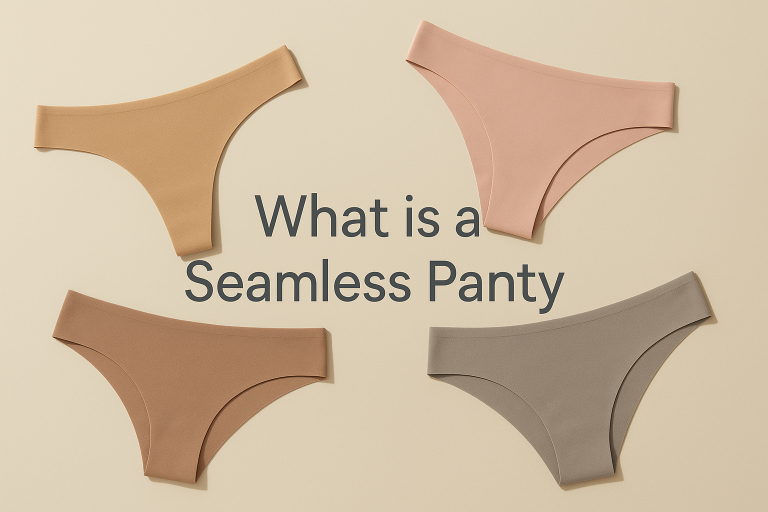
Seamless underwear provides a protective barrier without adding visible panty lines under fitted clothing.
Postpartum Perineal Recovery
After vaginal delivery, the perineal tissue is bruised, sutured, or torn in approximately 85% of first-time vaginal births, according to the Royal College of Obstetricians and Gynaecologists. During the first two to six weeks of postpartum recovery, wearing supportive underwear that holds an ice pack or maternity pad against the perineum actively promotes healing and reduces swelling.
Postpartum disposable underwear and high-waisted recovery underwear are the clinically appropriate options during this stage, not commando.
Who Benefits Most From Going Without Underwear
Certain health profiles and lifestyle patterns make going commando a genuinely advantageous choice rather than a neutral one.
Women With Recurrent Yeast Infections or Contact Dermatitis
Women who experience three or more yeast infections per year are classified as having recurrent vulvovaginal candidiasis (RVVC). ACOG clinical guidelines for RVVC management consistently include the behavioral recommendation to sleep without underwear and avoid tight-fitting synthetic fabrics during the day. For women in this category, going without underwear during sleep and low-activity hours is a first-line preventive measure, not merely a comfort preference.
Women with vulvar contact dermatitis, which affects an estimated 20 to 30% of women who present to dermatologists with chronic vulvar symptoms according to a review in the Journal of the American Academy of Dermatology, often find that removing fabric entirely resolves symptoms that topical steroids only partially controlled.
Women in Hot or Humid Climates
Ambient temperature above 77 degrees Fahrenheit (25 degrees Celsius) measurably increases skin surface moisture production in the groin area. The American Journal of Tropical Medicine and Hygiene notes that fungal skin infections are 2 to 3 times more prevalent in tropical and subtropical climates compared to temperate zones. In these environments, skipping underwear during sleep or while wearing loose clothing meaningfully reduces cumulative moisture exposure over a 24-hour period.
Women Who Exercise Daily
Women who engage in 45 to 60 minutes or more of moderate-to-vigorous exercise daily accumulate significant groin moisture across multiple sweat cycles per week. Wearing moisture-wicking underwear helps during the workout itself, but changing out of damp underwear within 30 minutes post-exercise is equally important. For activities with built-in liner gussets such as yoga pants, running shorts, and cycling shorts, no additional underwear layer is necessary or recommended by most activewear manufacturers.
Fabric Matters as Much as Whether You Wear Underwear at All
If going without underwear is not practical for a given situation, the fabric of the underwear you choose has a measurable impact on vulvar health outcomes. Choosing the right fabric addresses most of the same moisture and irritation concerns that going commando resolves.
Cotton vs. Synthetic Fabric: Health Comparison
Use the table below to compare how cotton and synthetic fabrics differ across the health factors most relevant to vulvar comfort.
| Factor | Cotton | Synthetic (Nylon, Polyester, Spandex) |
|---|---|---|
| Moisture absorption | Absorbs up to 27 times its weight in moisture | Wicks moisture but holds it in fabric layer |
| Breathability (air permeability) | High (120 to 150 cm/s air permeability) | Low to moderate (20 to 80 cm/s depending on weave) |
| pH neutrality | pH 7.0 (neutral, no chemical irritants) | Varies by dye and finish treatment |
| Yeast infection association | Lower risk (confirmed in multiple dermatology reviews) | Higher risk when worn for extended periods |
| Best suited for | All-day wear, sleep, recovery periods | Short-duration athletic use with prompt change |
Cotton underwear with a cotton gusset (the reinforced inner panel) provides the closest health profile to going without underwear while still offering protection and coverage. The ACOG specifically identifies cotton gusset construction as a preferred feature for women prone to vulvar irritation.
Key Specifications for a standard cotton gusset brief: Gusset fabric: 100% cotton. Outer fabric: 95% cotton, 5% elastane. Waistband: non-folded, smooth elastic. Sizing: XS to 3X. Machine washable, cold water, gentle cycle.
Here is the relevant widget for readers who want to identify the right underwear choice for their specific health situation and lifestyle:
Interactive Tool
Find the Right Underwear Approach for Your Health Needs
Answer 2 questions to get a personalized recommendation based on your body and lifestyle.
The Cotton Gusset Rule
Not all underwear labeled “cotton” provides the same protection. The gusset, which is the reinforced panel sewn into the crotch area, must be 100% cotton for the breathability benefit to apply. Underwear with a nylon or polyester outer shell and a synthetic gusset lining provides no meaningful advantage over fully synthetic styles in terms of vulvar moisture management.
When shopping for cotton underwear, look specifically for “100% cotton gusset” in the product description rather than relying on the outer fabric label alone.
Practical Guidelines for Going Commando Safely
Going without underwear safely depends on clothing type, activity level, and basic hygiene. The following guidelines reflect clinical recommendations from gynecologists and dermatologists rather than general advice.
Clothing Types That Are Safe Without Underwear
Use the table below to match clothing type to commando suitability based on fabric texture and fit.
| Clothing Type | Commando Suitability | Key Consideration |
|---|---|---|
| Soft jersey or modal leggings with gusset lining | High | Built-in liner eliminates friction and provides minimal coverage |
| Loose linen or cotton trousers | High | Breathable fabric, minimal contact with vulvar skin during movement |
| Athletic shorts with built-in brief liner | High | Designed specifically for underwear-free wear |
| Loose cotton skirts or dresses | High | Maximum airflow, no direct friction contact |
| Fitted denim jeans | Low | Rough fiber surface creates abrasion against vulvar skin |
| Tight synthetic leggings without liner | Low | Occlusion without protection, defeats the purpose of going commando |
| Wool or rough tweed trousers | Low | Fiber texture creates friction equivalent to denim |
Clothing with a gusset lining functions as a built-in underwear layer, making additional underwear redundant and potentially counterproductive by adding another layer of occlusion.
Hygiene Practices That Reduce Risk When Going Commando
Going without underwear requires no additional hygiene practices beyond standard vulvar care. The American College of Obstetricians and Gynecologists recommends washing the external vulvar area with warm water only, or a fragrance-free soap at most. Douching, scented sprays, and medicated wipes alter the vaginal pH and increase infection risk regardless of underwear status.
Changing out of damp clothing promptly after exercise or swimming remains the single most important hygiene behavior for vulvar health, whether or not underwear is worn. Skin that stays damp for more than 30 minutes post-exercise accumulates the moisture load that drives irritation and infection risk.
When to Wear Underwear Rather Than Going Commando
Specific situations call for underwear as the clinically appropriate choice. These include: active menstruation (days 1 through 3 in particular when flow is heaviest), the first six weeks of postpartum recovery, any situation involving wound care or vulvar skin conditions under active treatment, and any clothing type with rough or abrasive inner fabric.
Women undergoing chemotherapy or immunosuppressive treatment should consult their oncology team before going without underwear, as reduced immune function may alter the infection risk calculus that applies to healthy women.
Common Questions About Underwear and Vaginal Health
The questions below represent the most frequently searched topics related to underwear and vaginal health, answered with specific clinical data.
Does going commando prevent yeast infections?
Going without underwear reduces one contributing factor to yeast infection risk, specifically the warm, moist microclimate that occlusive fabric creates around the vulva. It does not eliminate yeast infection risk entirely, because Candida albicans is a normal commensal organism present in 20 to 30% of healthy women, according to the CDC. Factors including antibiotic use, hormonal contraceptives, high dietary sugar intake, and immune suppression have larger effects on yeast infection incidence than underwear choice alone. Going commando overnight is a recommended adjunct measure in clinical guidelines for recurrent yeast infections, not a standalone cure.
Is it safe to go without underwear every day?
For healthy women outside of menstruation and postpartum recovery, going without underwear daily is considered safe by gynecologists at major academic medical centers including Mayo Clinic and Johns Hopkins. The key variable is clothing type. Daily commando is safe under soft, smooth-lined clothing and unsafe under rough-textured fabrics like denim or wool without a protective layer. There is no established medical literature indicating that daily underwear-free wear causes harm to healthy vaginal or vulvar tissue when clothing texture is appropriate.
Should you sleep without underwear?
Sleeping without underwear is the most universally recommended behavioral change for women with recurrent vulvovaginal infections, appearing in clinical guidance from ACOG, Mayo Clinic, and Cleveland Clinic. During sleep, the body produces less vaginal discharge than during waking hours, reducing the practical need for an absorbent layer. Removing underwear during sleep gives vulvar skin a consistent 7 to 9 hour daily window of full airflow, which research in PLOS ONE (2017) identifies as sufficient to meaningfully reduce fungal skin colonization risk over time.
What underwear is healthiest if you do wear it?
Gynecologists and dermatologists consistently recommend underwear with a 100% cotton gusset as the healthiest option for all-day wear. The gusset must be fully cotton, not merely the outer fabric. Beyond the gusset, a loose fit with non-binding elastic, a tagless waistband, and no synthetic lace trim against the vulvar skin reduces friction and chemical irritation. Full-coverage cotton briefs and high-waisted cotton styles score consistently well in dermatology guidance for women with chronic vulvar sensitivity.
Does underwear fabric affect vaginal odor?
Vaginal odor is primarily driven by the bacterial composition of the vaginal microbiome, not by underwear fabric. However, synthetic fabrics trap sweat and discharge against the skin for longer periods, creating a substrate for bacterial activity on the skin surface that produces external odor. A 2021 review in Frontiers in Cellular and Infection Microbiology confirmed that external vulvar bacterial populations are distinct from internal vaginal flora and are more directly influenced by moisture, temperature, and occlusion. Breathable fabrics or going without underwear reduce the external bacterial load that contributes to noticeable odor.
Is going commando safe during pregnancy?
Going without underwear during pregnancy is generally safe, but the increased vaginal discharge associated with pregnancy (leukorrhea) makes many pregnant women prefer a protective layer. The most common clinical recommendation is to wear soft, cotton underwear during pregnancy rather than going fully commando, particularly because the volume of discharge often increases to 2 to 4 times the non-pregnant baseline by the third trimester according to ACOG prenatal guidelines. Maternity underwear with a cotton gusset and a soft expandable waistband provides both comfort and hygiene management throughout pregnancy.
Can going without underwear cause a UTI?
Urinary tract infections (UTIs) are caused by bacteria, most commonly Escherichia coli, entering the urethra. The National Institute of Diabetes and Digestive and Kidney Diseases (NIDDK) states that UTI risk is primarily related to bathroom hygiene, sexual activity, and hydration, not to underwear status. There is no peer-reviewed evidence that going without underwear increases UTI incidence in healthy women. Wiping front to back after using the toilet remains the most effective single behavioral prevention measure, regardless of underwear choice.
Frequently Asked Questions About Going Without Underwear
Is it unhealthy to never wear underwear?
No, going without underwear is not inherently unhealthy for women who are not menstruating, not postpartum, and not wearing rough or abrasive fabric directly against vulvar skin. Gynecologists at Mayo Clinic and Cleveland Clinic affirm that the vulva is not harmed by direct air exposure and that reduced occlusion is generally beneficial rather than harmful. The only health contexts where consistent underwear wear is clinically recommended are active menstruation, postpartum recovery, and situations involving vulvar wound care or active dermatological treatment.
Does going commando help with vaginal dryness?
Vaginal dryness is an internal condition driven by estrogen levels, hydration, and vaginal wall tissue health. It is not caused by or resolved by external fabric choices. Going without underwear does not increase internal vaginal lubrication. However, reducing external skin friction by removing tight elastic bands and abrasive fabric can reduce the sensation of surface dryness or skin tightness in the vulvar area, which is sometimes confused with internal vaginal dryness. Women experiencing genuine vaginal dryness, particularly during perimenopause or after childbirth, should consult a gynecologist about topical estrogen or lubricant options.
How often should you replace underwear for hygiene reasons?
The American Cleaning Institute recommends replacing underwear every 6 to 12 months for regularly worn pieces, or sooner if elastic has stretched, fabric has thinned, or pilling indicates fiber breakdown. A 2011 microbiological study published in Primary Care: Clinics in Office Practice found that even freshly laundered underwear retains approximately 10,000 bacteria per square centimeter on average, with E. coli and fecal coliforms detectable in up to 83% of samples. Replacing worn underwear regularly reduces cumulative bacterial load regardless of how thorough your laundering routine is. Rotating a wardrobe of 7 to 14 pairs of cotton underwear reduces per-pair wear frequency and extends usable lifespan while maintaining hygiene standards.
What type of underwear should you wear to the gym?
For gym and high-activity use, moisture-wicking underwear made from polyester-spandex or nylon-spandex blends performs better than cotton during the workout itself because it moves moisture away from the skin surface rather than absorbing and holding it. The critical hygiene rule is to change out of damp workout underwear within 30 minutes of finishing exercise. For yoga, cycling, and running in purpose-built activewear with built-in liners, skipping underwear entirely is the manufacturer-intended and dermatologist-supported approach.
Is it better to wear a thong or go commando?
Thongs present a specific anatomical risk that neither full-coverage underwear nor going commando shares. The narrow strip of fabric running between the buttocks can transfer bacteria from the anal region to the vaginal opening during normal movement, according to research published in the Journal of Women’s Health. Gynecologist Dr. Alyssa Dweck notes in clinical commentary that women prone to UTIs or BV may benefit from switching away from thongs entirely. For women in this category, going commando under appropriate clothing is a safer choice than wearing a thong. Women without a history of recurrent infections may wear thongs without clinically significant risk if they choose cotton-gusset styles and change them promptly after any activity that generates moisture.
Going without underwear is a safe, health-supportive choice for most women in most daily situations. Pair that decision with clothing that does not create direct friction against skin, maintain standard vulvar hygiene with water only, and reserve supportive underwear for menstruation, postpartum recovery, and rough-fabric clothing. For women with recurrent yeast infections or contact dermatitis, removing underwear overnight is one of the most consistently effective and zero-cost interventions in gynecological self-care.