
Best Underwear After C-Section: Comfort & Support Guide
After a cesarean section, choosing the right underwear is one of the most important comfort decisions you will make during recovery. The wrong style can press directly on your incision, cause irritation, and slow healing. This guide covers every underwear type, fabric, fit consideration, and brand option that works with a c-section incision, so you can make a confident choice from day one postpartum.
Why Underwear Choice Matters After a C-Section
A c-section incision sits approximately 4 to 6 inches above the pubic bone, running horizontally just inside the bikini line. Any waistband that falls at or below this point creates direct pressure on healing tissue, sutures, and the surrounding skin that remains sensitive for 6 to 8 weeks postoperatively.
The American College of Obstetricians and Gynecologists (ACOG) notes that c-section recovery involves healing through multiple layers of tissue, including skin, fascia, and uterine wall. Pressure, friction, and moisture on the incision site can increase the risk of infection, delayed wound closure, and pain during the early postpartum weeks.
Beyond the incision itself, postpartum bodies experience significant changes in fluid retention, abdominal swelling, and tissue sensitivity. Underwear that fits pre-pregnancy measurements will often compress areas that are actively recovering. Proper fit supports healing rather than working against it.
The right postpartum underwear for a c-section serves three functions: it keeps fabric away from or gently above the incision, it manages postpartum bleeding (lochia), and it accommodates body changes without creating pressure points elsewhere.
The Two Main Options: High-Waist vs Low-Rise Underwear After C-Section
The underwear debate after a c-section centers on a single anatomical question: should the waistband sit above the incision or below it. Both approaches work, but they require different product categories and suit different recovery stages.
High-Waist Underwear That Sits Above the Incision
High-waist or “over-the-bump” style high-waist postpartum underwear rises to the natural waist or lower abdomen, completely clearing the incision line. The waistband contacts only healthy, uncompromised tissue, which most women find far more comfortable than any style that touches the incision directly.
A 2020 patient survey published in the Journal of Obstetric, Gynecologic, and Neonatal Nursing found that 71% of c-section patients who wore high-waist postpartum underwear reported less incision discomfort compared to those wearing standard bikini-cut styles. The fabric covering the incision from above provides a soft barrier that protects the area from waistband irritation from lower-rise styles without applying direct downward pressure.
Key Specifications for high-waist postpartum underwear:
- Waistband height: rises 6 to 9 inches above crotch seam
- Fabric: 95% cotton or cotton-modal blend recommended
- Waistband style: flat or no-roll elastic only
- Coverage: full back coverage preferred for early recovery
- Sizing: size up one to two sizes from pre-pregnancy measurements
Low-Rise Underwear That Sits Below the Incision
Low-rise or bikini-cut styles position the waistband below the pubic bone, which means the waistband sits below the incision entirely. This approach avoids the incision from the opposite direction and works well for women who find any abdominal compression uncomfortable, including those with significant swelling in the lower abdomen.
The critical measurement for low-rise styles is waistband placement relative to the incision. The waistband must fall at least 1 inch below the incision to avoid riding up and creating contact during movement. Many women find this difficult to maintain through the first 2 to 3 weeks, when swelling shifts the incision position and waistbands migrate upward with activity.
Use the table below to decide which waistband placement suits your recovery stage and comfort level.
| Factor | High-Waist Style | Low-Rise Style |
|---|---|---|
| Waistband position | Above incision (natural waist) | Below pubic bone |
| Incision contact | Soft fabric drapes over incision, no waistband pressure | No contact if waistband stays below incision |
| Best recovery stage | Day 1 through 8 weeks postpartum | Weeks 2 through 8 when swelling reduces |
| Risk factor | Compression if waistband pulls down toward incision | Waistband migrates up into incision with movement |
| Lochia management | Excellent, full coverage holds pads securely | Good, but pad placement is more limited |
| Best for | Early recovery, active movement, hospital stay | Later recovery, women with lower swelling levels |
Most maternal-fetal medicine nurses and postpartum care specialists recommend starting with high-waist styles in the hospital and transitioning to low-rise options only after swelling has clearly reduced, typically between weeks 2 and 4 of recovery.
The simplest rule for c-section underwear waistband placement is this: whichever direction you choose, the waistband must not touch the incision line at any point during movement, sitting, or lying down.
Best Fabric Types for C-Section Recovery Underwear
Fabric choice directly affects incision moisture management, skin sensitivity, and comfort during the 6 to 8 week recovery period. The skin around a c-section incision is more permeable and reactive than healthy skin, making breathability and softness non-negotiable rather than preferences.
Cotton and Cotton-Modal Blends
Pure cotton (95% to 100% cotton) remains the most widely recommended fabric for c-section recovery underwear because it is breathable, moisture-absorbing, and minimally reactive on sensitive skin. Cotton wicks moisture away from the incision area, reducing the warm, damp environment that can promote bacterial growth near healing sutures.
Cotton-modal blends (typically 50% cotton, 50% modal) offer a softer hand feel than pure cotton while maintaining similar breathability. Modal is derived from beechwood pulp and is 50% more moisture-absorbent than cotton, according to the Textile Research Journal. This combination works well for women who find pure cotton slightly rough against freshly healed incision edges.
Key Specifications for cotton postpartum underwear:
- Fabric composition: minimum 90% cotton or cotton-modal blend
- Thread count equivalent: 180 to 220 for softness without stiffness
- Shrinkage allowance: pre-wash before wearing, cotton shrinks 3 to 5%
- Dye standard: OEKO-TEX Standard 100 certification preferred for chemical safety
Seamless and Microfiber Fabrics
Seamless underwear constructed from nylon-spandex or polyester-spandex blends eliminates the interior seams that can create friction against incision edges. Brands such as Knix and Skims produce seamless postpartum underwear specifically designed to eliminate this friction point.
Microfiber fabrics provide a smooth, second-skin fit that reduces mechanical irritation, but they trap more heat than cotton and are less moisture-absorbent. For women in the first 3 weeks of recovery with active wound healing, cotton remains the better choice. Microfiber becomes appropriate once the incision has closed and the primary concern shifts from moisture management to comfort under clothing.
Fabrics to Avoid After C-Section
Lace trim directly against the incision creates abrasion on healing tissue. Any lace element on the interior of the garment (rather than decorative exterior lace) should be avoided for the full 6 to 8 week recovery period. Synthetic elastic bands without fabric coverage (bare elastic touching skin) can also cause irritation in the swollen tissue around the incision.
The fabric that protects a healing c-section incision best is breathable, soft, and moisture-wicking, with no seams or rough elements positioned where the incision sits.
Best Underwear Styles Specifically for C-Section Recovery
Several underwear styles are consistently recommended by postpartum care providers for c-section recovery. Each addresses a different combination of incision clearance, bleeding management, and abdominal comfort.
Disposable Postpartum Underwear
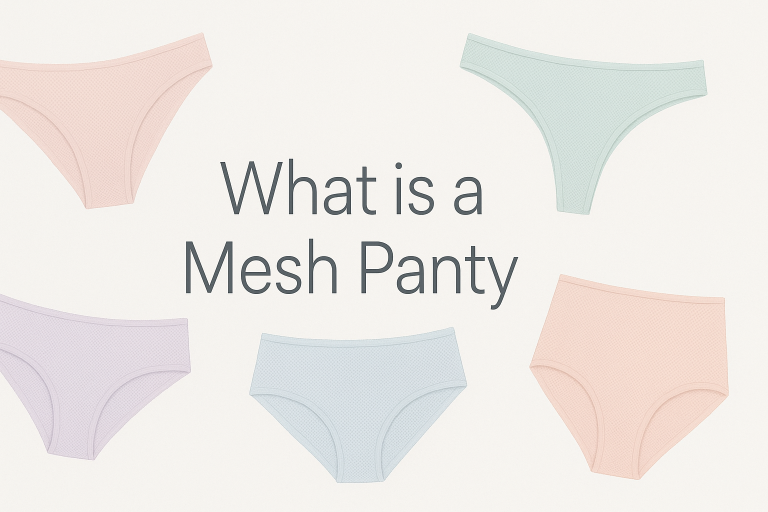
Disposable disposable postpartum underwear is designed for the first 3 to 7 days postpartum when lochia (postpartum bleeding) is heaviest and incision wound care is most active. These are most commonly mesh-style or non-woven fabric underwear provided by hospitals or purchased specifically for the postoperative period.
The primary advantage of disposable styles is eliminates laundering concerns during heavy bleeding, allows incision inspection without worrying about staining permanent garments, and the soft, non-elastic mesh construction avoids the compression and friction that waistbands in regular underwear create. Frida Mom and Kindred Bravely both produce widely reviewed disposable postpartum underwear in high-waist styles designed specifically for c-section incision clearance.
Key Specifications for disposable postpartum underwear:
- Material: non-woven breathable mesh
- Waistband height: high-waist, rises to navel
- Pack size: typically 8 to 20 per pack
- Size range: XS through 3XL with true-to-size fit
- Use period: days 1 through 7, or until lochia slows significantly
Postpartum Recovery Shorts
Postpartum recovery shorts extend coverage from the waist to mid-thigh. This style distributes gentle compression across a wider surface area, which many postpartum providers recommend for managing postpartum swelling and providing incision support without concentrated waistband pressure on the incision site.
Dr. Sherry Ross, OB-GYN at Providence Saint John’s Health Center, has stated in clinical interviews that mild graduated compression around the abdomen and hips after a c-section can reduce postoperative edema and improve comfort during early mobility. Recovery shorts with a wide, soft waistband above the incision are particularly effective for this purpose.
Postpartum recovery shorts from brands such as Belly Bandit and SRC Recovery provide this wider distribution with compression levels between 15 and 20 mmHg, which falls within the range considered appropriate for postpartum abdominal support according to the British Journal of Midwifery.
Boyshort Underwear for Later Recovery
Cotton boyshort underwear becomes appropriate from approximately week 3 to 4 onward, when the incision has closed and primary healing is complete. The wider leg opening and fuller back coverage reduce the likelihood of waistband migration, and the flat construction avoids the rolled-waistband issue common in bikini-cut styles.
The waistband on a boyshort typically falls 2 to 3 inches above the pubic bone, which places it slightly above or at the incision line depending on individual anatomy. Women with a higher incision placement relative to the pubic bone may find boyshort styles clear the incision comfortably. Women with a lower incision placement may need to size up to allow the waistband to sit above it.
Brief-Cut Cotton Underwear
Full-coverage full-coverage cotton briefs with a mid-rise or high-rise waistband provide reliable incision clearance throughout the recovery period. The key differentiator between a brief that works and one that does not is whether the waistband lies flat at all movement positions, including sitting, bending, and walking.
Hanes, Fruit of the Loom, and Jockey all produce high-waist cotton briefs that retail between $6 and $12 per pair, making them practical for the 6 to 8 week period when daily laundering or disposable use is necessary. Sizing up by one to two sizes from pre-pregnancy measurements accommodates swelling and ensures the waistband does not constrict recovering tissue.
The best postpartum underwear style for c-section recovery is the one that stays above your incision at all times without applying pressure, in a fabric that keeps the area clean and dry throughout the healing process.
Best Postpartum Underwear Brands for C-Section Recovery
Several brands design underwear specifically for postpartum and c-section recovery, addressing incision clearance, fabric safety, and postpartum bleeding management in ways that general underwear brands do not.
Frida Mom
Frida Mom produces the most widely purchased hospital-bag postpartum underwear in the United States, with over 50,000 verified reviews on Amazon as of the most recent product listing data. Their Disposable Postpartum Underwear uses a high-waist mesh construction that rises to the navel, placing the waistband well above the c-section incision line.
Key Specifications for Frida Mom Disposable Postpartum Underwear:
- Waistband height: rises to navel (approximately 7 to 8 inches above pubic bone)
- Material: breathable non-woven mesh
- Pack size: 8 pairs per pack
- Sizes: XS/S, M/L, XL/XXL
- Price: approximately $14 to $16 per 8-pack
Kindred Bravely
Kindred Bravely’s Simply Sublime Seamless Postpartum Underwear is a reusable high-waist style constructed from 89% nylon and 11% spandex. The waistband rises 8 inches above the crotch seam, placing it consistently above c-section incision placement for most body proportions. The seamless construction eliminates interior friction points throughout.
Key Specifications for Kindred Bravely Simply Sublime:
- Waistband height: 8 inches above crotch seam
- Fabric: 89% nylon, 11% spandex
- Seam type: seamless throughout
- Sizes: XS through 3XL
- Price: approximately $18 to $22 per pair
Belly Bandit
Belly Bandit’s postpartum underwear and recovery shorts line focuses on graduated compression for postpartum swelling reduction. Their B.F.F. Postpartum Underwear uses a high-waist design with a soft cotton-spandex blend and rises to sit 2 to 3 inches above the belly button, providing clear incision coverage while supporting the recovering abdomen.
Key Specifications for Belly Bandit B.F.F. Postpartum Underwear:
- Waistband height: 2 to 3 inches above navel
- Fabric: 68% cotton, 27% polyamide, 5% elastane
- Compression level: light to moderate (non-medical grade)
- Sizes: XS through 3XL
- Price: approximately $30 to $38 per pair
Hanes and Basic High-Waist Options
For women prioritizing budget over specialized design, Hanes high-waist cotton briefs and similar value-brand equivalents provide reliable incision clearance at $6 to $12 per pair. The Hanes Comfort Period Underwear in high-waist brief cut uses a double-layer cotton gusset that absorbs postpartum bleeding without requiring a pad, which reduces the friction and bulk near the incision that pad edges can create.
Use the table below to compare the top postpartum underwear brands across the factors that matter most during c-section recovery.
| Brand and Style | Waistband Height | Fabric | Type | Price per Pair | Best For |
|---|---|---|---|---|---|
| Frida Mom Disposable | To navel (7 to 8 inches) | Non-woven mesh | Disposable | $1.75 to $2.00 | Hospital days 1 to 7, heavy lochia |
| Kindred Bravely Simply Sublime | 8 inches above crotch | 89% nylon, 11% spandex | Reusable, seamless | $18 to $22 | Weeks 1 through 8, all-day wear |
| Belly Bandit B.F.F. | Above navel | 68% cotton, 27% polyamide, 5% elastane | Reusable, compression | $30 to $38 | Swelling reduction, active recovery |
| Hanes High-Waist Cotton Brief | Mid-rise to high (varies by size) | 100% cotton body | Reusable, basic | $6 to $12 | Budget recovery, weeks 2 through 8 |
| SRC Recovery Shorts | Full abdominal coverage | Compression fabric, medical-grade | Reusable, therapeutic | $80 to $120 | Clinically supported recovery shorts |
The brand that serves a c-section recovery best is the one whose waistband placement you can verify on your own body before leaving the hospital or within the first 48 hours postpartum.
How to Find the Right Size After a C-Section
Pre-pregnancy sizing is rarely accurate for postpartum underwear after a c-section. The abdomen, hips, and thighs retain significant fluid for 1 to 4 weeks postpartum, and a waistband sized to pre-pregnancy measurements will compress recovering tissue and the incision area throughout this period.
Sizing Up for the First 6 Weeks
Most postpartum care specialists recommend sizing up one to two full sizes from pre-pregnancy underwear measurements for the first 6 weeks. If you wore a medium pre-pregnancy, begin with a large or extra-large in postpartum styles. This extra room ensures the waistband does not create pressure on the incision or the swollen tissue surrounding it.
The Cleveland Clinic recommends measuring hips and abdomen at their widest point approximately 3 days postpartum for the most accurate postpartum size. Most brand size charts list hip circumference rather than waist measurement for high-waist postpartum styles because hip measurement better predicts fit at the waistband clearance point above the incision.
How Sizing Differs by Underwear Type
Disposable mesh underwear sizing runs approximately one size larger than labeled, meaning a “medium” disposable style often fits hip measurements up to 42 to 44 inches. Reusable seamless styles in nylon-spandex blends offer 2 to 4 inches of stretch beyond labeled measurements, providing more flexibility for women whose swelling fluctuates day to day in early recovery. Cotton briefs have minimal stretch and require accurate hip measurement plus a 1 to 2 inch ease allowance to avoid compression.
Sizing down prematurely, before 6 weeks postpartum, is a common mistake that increases incision irritation and discomfort, so build in enough room to accommodate the full recovery arc even if swelling seems to reduce quickly.
When to Transition to Regular Underwear After C-Section
The standard postpartum recovery timeline before transitioning to regular underwear is 6 to 8 weeks, which aligns with the typical postoperative follow-up appointment with an OB-GYN where wound healing is assessed. However, specific criteria determine readiness more accurately than a fixed calendar timeline.
Signs Your Incision Is Ready for Regular Underwear
The incision is ready for regular underwear contact when: the wound edges are fully closed with no open areas or crusting, the surrounding skin has returned to normal sensitivity without acute tenderness, postpartum swelling has reduced to a level where pre-pregnancy or close-to-pre-pregnancy measurements apply, and lochia has stopped or reduced to spotting only. These criteria typically align at 6 to 8 weeks postpartum for uncomplicated c-section recoveries, according to the Royal College of Obstetricians and Gynaecologists clinical guidelines.
How to Test Comfort Before Fully Transitioning
Before committing to regular underwear styles, wear the chosen style for 2 to 3 hours and check the incision site for redness, indentation marks from the waistband, or increased tenderness afterward. If any of these signs appear, the incision is not yet tolerating waistband contact at that position and you should return to postpartum styles for another 1 to 2 weeks before retesting.
The goal of the transition test is to verify that the incision site looks and feels the same after wearing the underwear as it did before, with no evidence of friction, compression, or reactive irritation that would indicate the tissue is not fully healed.
Most women can return to their preferred pre-pregnancy underwear style at the 8-week mark, but there is no penalty for continuing with high-waist postpartum styles longer if they remain more comfortable.
Here is a helpful tool to identify the right postpartum underwear type based on your current recovery stage and primary concern.
Interactive Finder
Find the Right Postpartum Underwear for Your C-Section Recovery
Answer 2 questions to get a personalized recommendation based on your recovery stage and comfort priority.
What to Pack in Your Hospital Bag for C-Section Underwear
Packing for a planned c-section or preparing for a possible unplanned cesarean requires different underwear choices than vaginal delivery preparation. The incision, postoperative catheter, and the transition from hospital to home each create specific underwear needs.
Hospital Stay Essentials (Days 1 to 4)
Pack 6 to 8 pairs of disposable high-waist postpartum underwear for the hospital stay. Many hospitals provide one or two pairs, but supplies are limited and sizes are often inconsistent. Bringing your own ensures the waistband height and size are appropriate for your body from the first day.
Avoid packing thongs, bikini-cut, or low-rise underwear for the hospital stay regardless of your usual preference. The Foley catheter used during c-section surgery is removed at approximately 12 to 24 hours postoperatively, and higher-waist styles accommodate the catheter tube routing without the waistband creating pressure during the catheterized period.
First Week Home (Days 4 to 14)
Prepare 10 to 14 pairs of high-waist cotton or seamless postpartum underwear for the first two weeks at home. This quantity accommodates daily changes without requiring laundry every 1 to 2 days during a period when moving around is restricted. Split between 4 to 6 pairs of remaining disposable styles for the heaviest lochia days and 6 to 8 reusable high-waist cotton briefs for lighter days.
Packing the right underwear before your c-section delivery prevents the need to make decisions or send family members shopping during the most physically demanding recovery days.
C-Section Underwear and Incision Care: What Your Provider Wants You to Know
Postpartum care providers consistently cite underwear as an underappreciated factor in c-section incision recovery. The interaction between waistband placement, fabric moisture management, and incision environment directly affects healing speed and infection risk.
Keeping the Incision Dry and Clean
The area underneath a c-section incision, particularly the skin fold above the pubic area, traps moisture and heat, creating conditions where bacteria multiply more rapidly. The Centers for Disease Control and Prevention (CDC) identifies surgical site infections as one of the most common hospital-acquired complications, with abdominal incisions particularly vulnerable in warm, moist environments.
Underwear that covers the incision in breathable cotton fabric rather than synthetic material reduces moisture buildup at the wound site. Some providers recommend placing a clean, dry gauze pad between the incision and any overlying fabric for the first 1 to 2 weeks to maintain a dry interface. This is especially important for women with a prominent skin fold above the pubic area where the incision may be obscured.
When to Call Your Provider About Incision and Underwear Concerns
Contact your OB-GYN or midwife immediately if your incision shows increased redness or warmth beyond what was present the previous day, discharge that is not clear or light pink (green, yellow, or foul-smelling discharge indicates possible infection), wound edges that appear to be separating, or pain that increases rather than gradually decreases each day. These signs indicate a possible surgical site complication that requires medical evaluation regardless of how your underwear fits.
Underwear that causes visible indentation marks, persistent redness along the incision, or a noticeable increase in incision tenderness after wearing should be discontinued immediately and replaced with a style that provides greater clearance from the wound.
Your underwear is part of your incision care, not separate from it, and your postpartum provider can offer specific guidance if standard high-waist styles are not working for your anatomy or recovery timeline.
Underwear for Postpartum Body Changes Beyond the Incision
A c-section recovery involves more than incision healing. The broader postpartum body changes that affect underwear fit and comfort include lochia management, postpartum fluid retention, the return of menstruation, and longer-term changes in hip and abdominal measurements.
Managing Postpartum Bleeding with the Right Underwear
Lochia (postpartum uterine discharge) typically lasts 4 to 6 weeks postpartum, with the heaviest flow in the first 7 to 10 days. Wearing underwear large enough to hold a maternity pad securely is essential during this period. A maternity pad that shifts position can cause pad edges to contact the incision, creating the same friction and irritation as a misplaced waistband.
High-waist postpartum postpartum underwear for bleeding with a reinforced gusset holds maternity pads in place better than regular underwear. Alternatively, period underwear designed for heavy flow eliminates the pad entirely, reducing the number of elements that need to be managed in relation to the incision site.
Postpartum Hip and Waist Measurement Changes
The American Journal of Obstetrics and Gynecology published a cohort study finding that postpartum hip circumference remains on average 1 to 2 cm larger than pre-pregnancy measurements at 6 months postpartum across all delivery types. Waist circumference returns to within 2 to 3 cm of pre-pregnancy measurements for most women by 12 weeks postpartum, depending on individual factors including breastfeeding status, activity level, and pre-pregnancy body composition.
Purchasing postpartum underwear in one to two sizes above pre-pregnancy measurements and reassessing fit at the 6-week mark ensures the sizing reflects actual postpartum body measurements rather than assumptions based on pre-pregnancy numbers.
The postpartum body change timeline means that underwear sizing will likely need to be adjusted at least once between delivery and 12 weeks postpartum, and building flexibility into your underwear wardrobe during this period reduces the frustration and discomfort of outgrowing recovery sizing prematurely.
Frequently Asked Questions About C-Section Recovery Underwear
Can I wear thong underwear after a c-section?
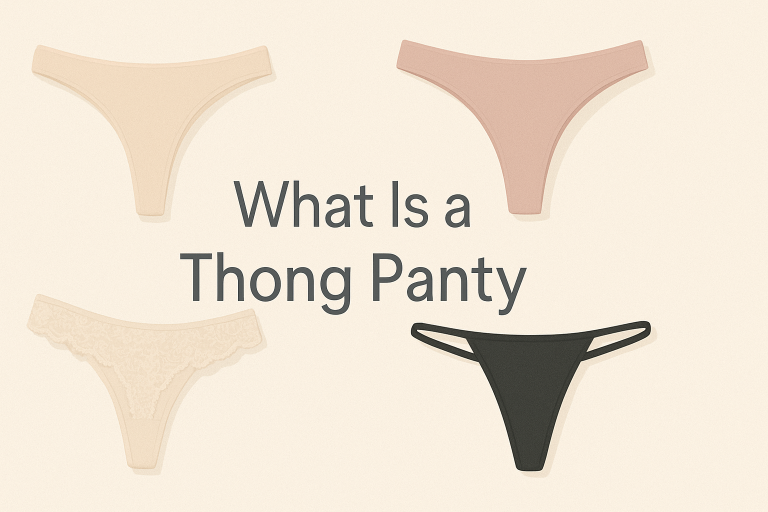
Thong underwear is not appropriate for c-section recovery during the first 6 to 8 weeks. The narrow waistband sits directly at or below the incision line, applying concentrated pressure to healing tissue. The minimal back coverage also reduces the surface area available for holding postpartum pads securely during lochia. Most postpartum care providers recommend full-coverage high-waist styles for the entire postoperative recovery period before reintroducing thong styles.
How many pairs of postpartum underwear do I need after a c-section?
For the first 6 to 8 weeks of c-section recovery, plan for 14 to 20 pairs total: 6 to 8 disposable pairs for the first week and 8 to 12 reusable high-waist cotton or seamless pairs for weeks 2 through 8. This quantity allows daily changes with a 2-day laundry cycle during a period when physical activity, including laundry tasks, is restricted. Many women find that having more than adequate underwear on hand reduces a significant source of stress during early recovery.
What size postpartum underwear should I buy before my c-section?
Purchase postpartum underwear one to two sizes above your pre-pregnancy underwear size for the hospital stay and first 4 weeks of recovery. If you wore a size medium pre-pregnancy, purchase large and extra-large in postpartum styles. Postpartum swelling from IV fluids, anesthesia, and the body’s natural inflammatory response to surgery means that pre-pregnancy sizing will be uncomfortably tight immediately postoperatively. Most women return to close to pre-pregnancy measurements by 6 to 12 weeks postpartum.
Can I wear shapewear after a c-section?
Shapewear is generally not recommended for the first 6 weeks after a c-section without explicit approval from your OB-GYN. Standard shapewear applies compression levels that can restrict blood flow to healing tissue and create pressure on sutures that have not yet reached full tensile strength. After the 6-week postoperative appointment and with provider clearance, light compression shapewear (15 to 20 mmHg) that sits above the incision may be appropriate. Medical-grade postpartum recovery garments designed specifically for c-section recovery, such as SRC Recovery shorts, differ from fashion shapewear in their compression distribution and are considered appropriate by many providers from week 2 onward with guidance.
Is it normal for underwear to irritate a c-section scar long after recovery?
Some women experience ongoing scar sensitivity to waistband pressure for 6 to 18 months after a c-section. This is a known phenomenon related to scar tissue formation, nerve regeneration around the incision, and the physical characteristics of the healed keloid or hypertrophic scar tissue. The British Journal of Dermatology notes that surgical scars continue active remodeling for up to 2 years postoperatively. High-waist underwear styles, silicone scar strips worn under the waistband, and scar massage as directed by a physiotherapist can reduce long-term waistband sensitivity at the incision site.
What is the best underwear to wear in the hospital after a c-section?
Disposable high-waist mesh postpartum underwear is the best choice for the hospital stay after a c-section. Frida Mom and the hospital-issued mesh styles both rise above the incision, accommodate catheter tube routing, manage heavy postpartum bleeding, and require no laundering. Pack 6 to 8 pairs before delivery. Avoid bringing regular underwear, bikini-cut styles, or thongs to the hospital, as none of these clear the incision adequately during the first 72 hours when the incision is most vulnerable and tissue is most swollen.
Choosing the right underwear after a c-section is one of the most directly impactful comfort decisions of your entire postpartum recovery. Start with high-waist disposable styles in the hospital, transition to reusable high-waist cotton or seamless briefs for weeks 1 through 6, size up one to two sizes to accommodate swelling, and prioritize fabrics that keep the incision area dry and free from friction. Check with your provider at the 6-week postoperative appointment before transitioning to your pre-pregnancy underwear styles, and give your body the full recovery window it needs before returning to styles that contact or compress the incision site.


One Comment