
How Long to Wear Postpartum Underwear After Birth | Guide
Postpartum underwear should be worn for a minimum of 6 weeks after vaginal delivery and up to 8 to 12 weeks after a cesarean section. The exact duration depends on your delivery type, wound healing progress, and how quickly postpartum bleeding (lochia) subsides. This guide covers every stage of postpartum recovery so you know exactly when to switch, what to look for, and which options work best at each phase.
How Long to Wear Postpartum Underwear After a Vaginal Birth
After a vaginal delivery, most women wear specialized postpartum disposable underwear or high-absorbency recovery underwear for 4 to 6 weeks. This window aligns directly with the lochia timeline, the post-birth uterine discharge that passes through three distinct stages.
Lochia rubra (bright red bleeding) typically lasts 3 to 5 days after delivery, according to the American College of Obstetricians and Gynecologists (ACOG). Lochia serosa (pink or brown discharge) follows from approximately days 5 through 10. Lochia alba (yellowish-white discharge) can continue until week 6 postpartum.
During the first 2 weeks, high-absorbency or disposable styles are most practical because flow is heaviest. From weeks 3 through 6, many women transition to high-waisted recovery underwear with moderate absorbency. After week 6, standard underwear with a pantyliner is sufficient for most women once lochia stops completely.
Perineal tears or episiotomies (surgical cuts made to widen the vaginal opening during delivery) add another consideration. The Royal College of Obstetricians and Gynaecologists notes that perineal wounds typically heal within 2 to 4 weeks, but soft, non-constricting underwear remains important for comfort throughout this period. Wearing tight styles before the perineum heals can cause irritation and slow tissue recovery.
The clearest signal that you can move away from postpartum-specific underwear after vaginal birth is the complete cessation of lochia combined with full perineal comfort, which for most women arrives between weeks 5 and 7.
How Long to Wear Postpartum Underwear After a C-Section
After a cesarean section, postpartum underwear serves a second critical function beyond managing lochia: protecting the surgical incision site from friction and pressure. Most OB-GYNs recommend wearing high-waisted or C-section-specific underwear for 8 to 12 weeks following surgery.
The incision, typically 10 to 15 centimeters long and placed just above the pubic hairline, requires protection from waistband pressure during the entire healing period. A 2019 review published in the Journal of Clinical Nursing found that incision site irritation from ill-fitting clothing was one of the most commonly reported post-cesarean comfort issues in the first 6 weeks. C-section recovery underwear with a panel that sits above the incision or folds down below it eliminates this friction entirely.
During weeks 1 through 3, disposable or high-absorbency styles remain essential for managing lochia. From weeks 4 through 8, the priority shifts to incision protection, and a soft, seamless high-waist brief without a tight elastic band directly over the scar is ideal. From weeks 8 through 12, most women can transition to regular underwear once the scar tissue has fully closed and no longer feels sensitive to contact.
Your healthcare provider will assess incision healing at your 6-week postpartum appointment. If the scar remains hypersensitive or shows signs of delayed healing, continuing with protective underwear past 12 weeks is appropriate. Never transition to low-rise styles that sit directly on the scar until the incision is fully closed and the surrounding skin is no longer tender.
After a cesarean, the combination of lochia timeline and incision healing determines your transition point, and most women are comfortable returning to regular underwear between weeks 10 and 12.
Postpartum Underwear Timeline by Recovery Stage
Understanding each recovery stage removes guesswork from the transition. The timeline below reflects clinical guidance from ACOG and the American Pregnancy Association combined with the physical realities of postpartum tissue healing.
Use the table below to match your recovery stage and delivery type to the right underwear choice.
| Recovery Stage | Time After Birth | Vaginal Delivery | C-Section | Primary Need |
|---|---|---|---|---|
| Acute recovery | Days 1 to 5 | Disposable or heavy-absorbency postpartum underwear | Disposable high-waist or above-incision style | Maximum absorbency, zero friction on wound |
| Early healing | Weeks 1 to 3 | High-waisted soft brief with moderate absorbency | High-waist or fold-down-panel brief | Wound protection, perineal comfort |
| Mid recovery | Weeks 3 to 6 | High-waisted brief or seamless panty with pantyliner | High-waist brief protecting incision | Light absorbency, continued soft coverage |
| Late recovery | Weeks 6 to 12 | Regular underwear (lochia resolved) | Continued high-waist or above-scar styles | Scar protection, everyday comfort |
| Full transition | Week 6+ (vaginal) / Week 10 to 12+ (C-section) | Any preferred style | Any style that clears the scar | Personal preference |
The acute recovery stage is when postpartum-specific underwear provides the most measurable benefit, and skipping it to return to regular underwear too quickly is the most common mistake new mothers make.
What Type of Postpartum Underwear to Wear at Each Stage
Not all postpartum underwear is built for the same stage of recovery. Wearing a heavy-duty disposable at week 8 is as mismatched as wearing a light seamless brief at day 3.
Days 1 to 5: Disposable Postpartum Underwear
Disposable postpartum underwear is designed for the first days after birth when lochia flow is at its heaviest (comparable to or heavier than a heavy period). Hospital-grade or retail disposable styles feature full-seat coverage, a moisture-wicking inner layer, and a stretchy mesh or knit exterior that accommodates postpartum abdominal swelling. The average new mother uses 4 to 6 disposable pairs per day during the first 48 hours.
Key Specifications:
- Sizes: typically S/M through XL/XXL (check brand chart by hip measurement)
- Fabric: mesh or knit nylon-spandex blend exterior, cellulose absorbent core
- Absorbency: heavy to extra-heavy flow
- Rise: high-waisted, sits above navel
- Disposable after single use
Weeks 1 to 6: Reusable High-Waisted Postpartum Briefs
Reusable high-waisted postpartum briefs transition well once lochia becomes lighter (lochia serosa phase, typically starting around day 5). These provide continued abdominal coverage, soft non-banded waistbands that do not dig into tender tissue, and enough stretch to accommodate a postpartum belly still contracting back toward pre-pregnancy size. The uterus takes approximately 6 weeks to fully involute (return to its pre-pregnancy size), according to a review published in the Journal of Midwifery and Women’s Health.
Key Specifications:
- Sizes: XS through 3X (size up if swelling persists)
- Fabric: 95% cotton or modal blend for breathability
- Rise: high-waisted, typically 4 to 6 inches above the hip bone
- Waistband: wide, soft, non-elastic or lightly elasticized
- Machine washable on delicate cycle
C-Section Specific: Fold-Down Panel Briefs
C-section underwear with a fold-down panel allows the waistband to sit either above the incision or folded below it, depending on which position is more comfortable as scar sensitivity changes week by week. This flexibility makes them the most practical choice for weeks 2 through 10 after cesarean delivery. A rigid waistband that sits directly on the scar line is the single most common source of post-cesarean clothing discomfort reported in postpartum surveys.
Key Specifications:
- Sizes: XS through 3X
- Fabric: soft cotton or bamboo blend
- Panel design: foldable waistband, adjustable to above or below incision
- Rise: high-waisted with 5 to 7 inch front panel
- Flat seams to minimize scar friction
Matching the underwear type to your exact recovery stage is the single most practical way to manage comfort and avoid complications throughout the postpartum period.
Here is the postpartum underwear wear-duration guide organized by delivery type and recovery stage to help you track exactly where you are in your recovery.
Care Schedule
Postpartum Underwear Wear Duration by Recovery Stage
What to wear and when to transition at each postpartum milestone. Based on ACOG lochia and wound-healing guidelines.
Routine maintenance stage
Signs You Are Ready to Stop Wearing Postpartum Underwear
Transitioning away from postpartum-specific underwear is a physical readiness decision, not a fixed date on a calendar. The following signs indicate your body has progressed sufficiently to make the switch safely.
Lochia Has Completely Stopped
The complete absence of lochia (all three stages: rubra, serosa, and alba) is the primary green light for vaginal delivery recovery. Lochia typically resolves by week 6, though up to 15% of women experience light lochia alba until week 8, according to data published in the Journal of Obstetrics and Gynaecology Research. If you notice a return of heavier bleeding after activity, your body is signaling that you need to rest and continue wearing postpartum-appropriate protection.
Perineal Discomfort Has Resolved (Vaginal Birth)
Full perineal comfort during sitting, walking, and light activity indicates the perineum has healed sufficiently to tolerate regular underwear fabrics and waistband styles. Women who experienced a third or fourth degree perineal laceration (tears extending into the anal sphincter or rectal lining) may require 6 to 8 weeks before this comfort is reached, compared to 2 to 4 weeks for minor first or second degree tears. The Perineal Clinic at King’s College London recommends that women with significant perineal trauma continue wearing soft, non-compressive underwear until pain at the repair site is fully absent.
C-Section Incision Is Fully Closed and Non-Tender
A fully healed cesarean incision presents as a flat, non-inflamed scar line with no sensitivity to light touch. If pressing gently on the scar area through fabric still produces discomfort, the underlying tissue is still actively healing and benefit from continued protection. Most women reach this point between weeks 8 and 10, though women with keloid-prone skin or complications may take up to 16 weeks.
No Urinary Leakage Requiring Extra Protection
Stress urinary incontinence (leaking with coughing, sneezing, or physical activity) affects up to 33% of women in the first 3 months postpartum, according to a meta-analysis published in BJOG: An International Journal of Obstetrics and Gynaecology. If light leakage continues beyond week 6, staying in leak-proof underwear or pairing regular underwear with a protective liner remains practical until pelvic floor strength recovers.
When all four of these markers are met, your body is physically ready for regular underwear, regardless of whether you have reached the 6-week or 12-week marks on the calendar.
Signs You Should Keep Wearing Postpartum Underwear Longer
Some women need postpartum underwear for longer than the standard timeline, and recognizing the signs prevents premature transitions that can cause discomfort or hygiene issues.
Continued or increased lochia after physical activity is one of the clearest indicators that recovery is not yet complete. ACOG notes that resuming too much physical activity in the early weeks can cause a temporary increase in lochia, which signals the need for continued protection and reduced activity. If lochia increases in volume or returns to a brighter red color after you believed it had stopped, return to higher-absorbency postpartum underwear and consult your healthcare provider.
Persistent perineal soreness during everyday activities indicates that the wound has not yet fully healed and that regular underwear fabrics, especially synthetic lace or tight-cut styles, may cause irritation. Any ongoing incision sensitivity after cesarean section, particularly hypersensitivity where even light fabric contact is uncomfortable, warrants continued use of fold-down or above-incision underwear styles.
Ongoing postpartum urinary or bowel incontinence is another reason to remain in protective styles. Pelvic floor dysfunction affecting bladder or bowel control can persist for 3 to 6 months postpartum in some women, according to the International Urogynecological Association. Using incontinence-protective underwear during this period is a practical and medically appropriate choice, not a setback.
There is no clinical downside to wearing postpartum or recovery-style underwear longer than the minimum timeline. The only reason to transition is physical readiness.
How Many Pairs of Postpartum Underwear You Need
Having the right quantity of postpartum underwear eliminates daily laundry stress during an already demanding recovery period. The practical number depends on your delivery type and how long each phase lasts.
For the first week after a vaginal delivery, plan for 10 to 15 disposable pairs total (4 to 6 per day for the first 2 to 3 days, reducing to 2 to 3 per day by day 5). For a c-section, the same volume applies for the first week, with the additional need for at least 5 to 7 pairs of reusable high-waist or fold-down styles for weeks 2 through 6.
Use the table below to estimate your complete postpartum underwear needs by delivery type.
| Underwear Type | Vaginal Delivery Need | C-Section Need | When Used | Estimated Cost |
|---|---|---|---|---|
| Disposable postpartum | 10 to 15 pairs | 10 to 15 pairs | Days 1 to 7 | $15 to $25 per pack of 8 to 10 |
| Reusable high-waist brief | 5 to 7 pairs | 3 to 5 pairs | Weeks 1 to 6 | $8 to $18 per pair |
| C-section fold-down brief | Not required | 5 to 7 pairs | Weeks 2 to 12 | $12 to $22 per pair |
| Leak-proof or period-style underwear | 2 to 4 pairs (if incontinence present) | 2 to 4 pairs (if incontinence present) | Weeks 4 to 12 | $18 to $35 per pair |
Buying in slightly higher quantities than you think you will need prevents the frustration of running out during the heavy-flow first days when laundry is the last thing you want to manage.
What to Look for in Postpartum Underwear at Each Stage
The features that matter most shift as recovery progresses. Choosing underwear based on your current stage rather than general marketing descriptions makes a meaningful difference in daily comfort.
Absorbency Level
Absorbency is the most important feature in the first 2 weeks. Heavy-duty postpartum disposables absorb 2 to 4 times more fluid than a standard overnight period pad and are sized to prevent leaking during the first days when flow is unpredictable. From week 3 onward, moderate absorbency or a reusable brief paired with a separately worn pantyliner provides sufficient coverage for lochia serosa and alba stages.
Waistband Style and Rise Height
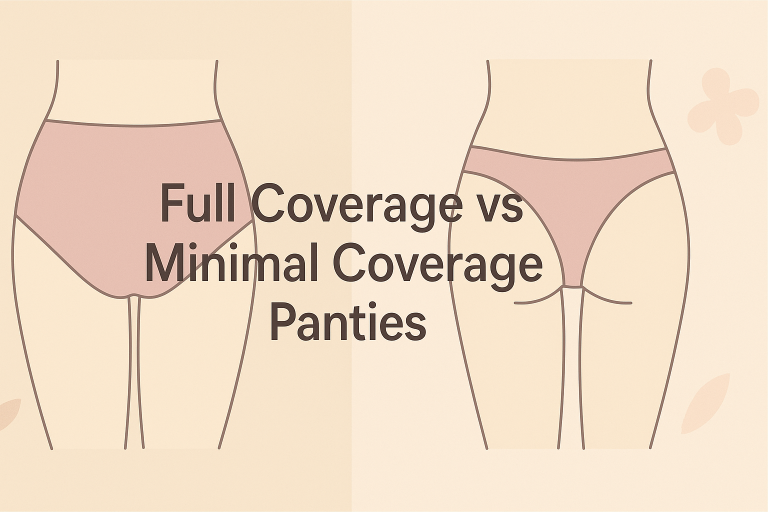
High-rise underwear that sits at or above the navel provides the most coverage and avoids contact with perineal repair sites or cesarean incisions. A rise height of at least 4 to 5 inches above the hip bone is the practical minimum for full postpartum coverage. High-rise underwear with a soft, non-elasticized waistband is consistently rated more comfortable by postpartum women than styles with a narrow elastic band, which can dig into swollen abdominal tissue.
Fabric Breathability
The postpartum perineum and incision area are vulnerable to moisture-related complications. Cotton and bamboo-blend fabrics have superior moisture-wicking and breathability compared to synthetic-only materials. The Centers for Disease Control and Prevention (CDC) includes wound-site air circulation in general surgical wound care guidelines, and the same principle applies to perineal and cesarean incision healing. Avoid synthetic satin or heavily treated fabrics against wound sites during the first 6 weeks.
Stretch and Size Accommodation
Postpartum abdominal size is typically larger than pre-pregnancy size for the first 4 to 8 weeks as the uterus involutes and retained fluid resolves. Sizing up by one size from your pre-pregnancy underwear size is standard practice for the first 4 to 6 weeks. Most postpartum-specific styles include generous four-way stretch to accommodate this transition without requiring multiple size purchases.
Prioritizing absorbency in the early weeks and breathability and fit in the later weeks ensures your underwear matches the actual demands of each recovery stage rather than a generic one-size-fits-all approach.
Postpartum Underwear vs. Regular Underwear: Key Differences
Understanding what makes postpartum underwear physically different from regular underwear clarifies why the transition timeline matters and what you are actually giving up if you switch too early.
Use the table below to compare postpartum and regular underwear across the features most relevant to recovery.
| Feature | Postpartum Underwear | Regular Underwear |
|---|---|---|
| Absorbency | Heavy to moderate (built-in absorbent layer) | None (requires separate liner or pad) |
| Rise height | High-rise: 4 to 7 inches above hip bone | Varies: low-rise to high-rise |
| Waistband construction | Wide, soft, non-compressive | Standard narrow elastic (varies by style) |
| Incision protection | Yes (fold-down or above-incision panel) | No (waistband position not optimized) |
| Fabric stretch | 4-way stretch for postpartum size changes | Standard stretch (designed for stable sizing) |
| Perineal coverage | Full seat, wider gusset construction | Standard gusset (not sized for postpartum tissue) |
| Typical price per pair | $8 to $22 (reusable), $1.50 to $2.50 (disposable) | $5 to $30+ |
The primary functional advantage of postpartum underwear is not a marketing feature. It is the structural combination of high-absorbency, high-rise coverage, and non-compressive construction that standard underwear is not designed to provide.
Can You Wear Regular Underwear Too Soon After Birth
Switching to regular underwear before your body is physically ready creates several specific problems that are avoidable with a few additional weeks of postpartum-appropriate coverage.
The most immediate risk is inadequate absorbency for ongoing lochia. Standard cotton underwear absorbs only 1 to 3 tablespoons of fluid before saturation, while postpartum flow in the first week can exceed 6 tablespoons per hour during periods of activity, according to clinical estimates from midwifery practice guidelines. Using regular underwear with a maternity pad is a partial solution, but the pad is more prone to shifting without the full-seat coverage of postpartum styles.
Low-rise regular underwear that sits at or below the hip creates friction directly against perineal sutures or cesarean incision edges. This friction does not prevent healing but does cause pain and increases the risk of skin irritation around wound edges. Certified nurse midwife Amanda Olson, author of several postpartum pelvic health guides, notes that women who transition too early to regular underwear consistently report higher rates of perineal discomfort in the first 6 weeks.
Narrow elastic waistbands on standard underwear styles can also compress tender postpartum abdominal tissue, which remains sensitive to pressure for up to 8 weeks after both vaginal and cesarean delivery. This does not cause medical harm but contributes to ongoing discomfort that disrupts sleep and daily movement.
Returning to regular underwear before week 6 after vaginal delivery, or before week 10 after cesarean, is not recommended unless all physical readiness signs have been clearly met.
Postpartum Underwear for Specific Situations
Some postpartum situations require underwear adjustments beyond the standard timeline or style recommendations.
Postpartum Hemorrhage Recovery
Postpartum hemorrhage (defined as blood loss exceeding 500 mL after vaginal birth or 1,000 mL after cesarean, according to the World Health Organization) results in more prolonged lochia and greater fatigue during recovery. Women recovering from postpartum hemorrhage may need higher-absorbency styles for an additional 1 to 2 weeks beyond the standard timeline and should not rush the transition to lighter coverage. Blood-thinning medications sometimes prescribed after hemorrhage can also prolong lochia duration.
Multiple Birth Recovery
Women recovering from twin or multiple births experience a higher degree of uterine overdistension (stretching beyond single-pregnancy dimensions), which extends the uterine involution timeline. The uterus may take up to 8 weeks to fully contract after a multiple pregnancy, according to guidelines from the Society for Maternal-Fetal Medicine. Extended high-absorbency postpartum underwear use through weeks 7 to 8 is appropriate in this context.
Postpartum with Active Urinary Incontinence
Women managing postpartum stress urinary incontinence benefit from postpartum incontinence underwear that combines light pad-level absorbency with everyday styling for comfort beyond the lochia period. Pelvic floor physical therapy, which 85% of postpartum incontinence cases respond to within 6 to 8 weeks of treatment according to a Cochrane Review on pelvic floor muscle training, is the primary clinical recommendation alongside supportive underwear choices during recovery.
Breastfeeding and Night Sweats
Hormonal shifts in the first 8 weeks postpartum cause significant night sweats in many women, driven by falling estrogen levels as the body adjusts to postpartum physiology. Breathable, moisture-wicking postpartum underwear made from cotton or bamboo blends is especially valuable during this period to prevent skin irritation from prolonged moisture contact against healing tissue. Change underwear more frequently during periods of heavy night sweating to maintain hygiene around wound sites.
Adjusting your postpartum underwear approach to your specific recovery situation rather than following only the standard timeline ensures your comfort needs are met at every stage.
How to Wash and Care for Reusable Postpartum Underwear
Proper laundering extends the life of reusable postpartum underwear and maintains hygiene during recovery, when wound sites require clean fabrics at every change.
Rinse reusable pairs in cold water immediately after removal to prevent lochia staining from setting in the fabric. A gentle lingerie-specific detergent removes organic matter effectively without degrading elastic or specialty fabrics. Hot water above 40 degrees Celsius breaks down elastic fibers and can shrink cotton-blend fabrics, reducing the effective lifespan of the underwear by up to 40% compared to cold or cool washes.
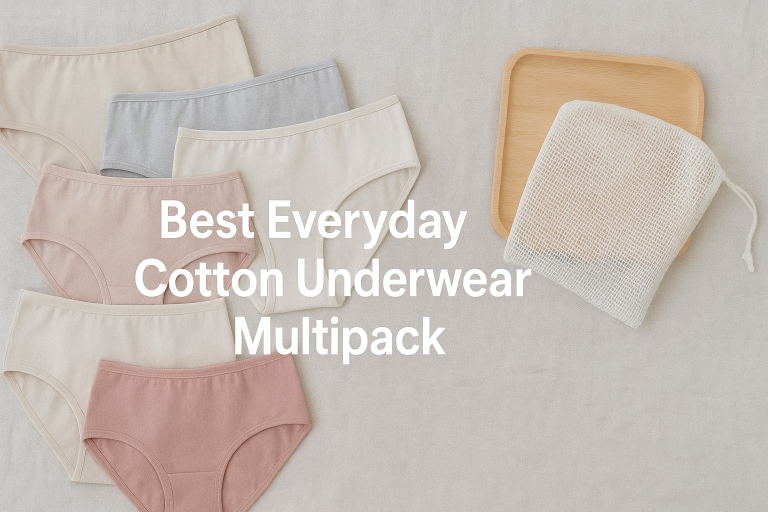
Machine washing in a mesh laundry bag on a delicate cycle protects stitching and panel construction. Air drying is preferable to tumble drying for any postpartum style with absorbent inner layers, as heat degrades the cellulose or microfiber materials used in absorbent gussets over repeated cycles. Most reusable postpartum briefs maintain full function for 30 to 50 wash cycles when cared for correctly.
For stain removal on cotton or modal blends, an enzyme-based stain remover applied before washing removes lochia staining reliably without bleaching, which can weaken fabric fibers around wound-adjacent areas where fabric integrity matters most.
Treating reusable postpartum underwear with the same care routine as other delicate intimate apparel keeps them fully functional throughout your entire recovery timeline without needing to replace pairs prematurely.
Frequently Asked Questions About How Long to Wear Postpartum Underwear
Is it okay to use regular pads with regular underwear instead of postpartum underwear?
Regular maternity or overnight pads used with regular underwear can substitute for disposable postpartum underwear from around week 2 onward, once the heaviest lochia phase has passed. In the first 3 to 5 days after birth, flow rates can exceed what even overnight pads manage safely without shifting, making full-seat disposable postpartum styles more reliable. After week 2, a pad paired with a high-waisted soft brief is a practical and widely used combination. The key limitation of pads-only is the absence of full perineal coverage and the risk of pad shifting during sleep or movement.
Can postpartum underwear cause infection?
Postpartum underwear does not cause infection when changed regularly and kept clean. Changing postpartum underwear every 3 to 4 hours during the first week, or whenever saturated, prevents bacterial overgrowth from moisture against healing wound sites. The Royal College of Midwives recommends changing perineal protection frequently and washing hands before and after changes as standard postpartum wound hygiene. Leaving saturated postpartum underwear in place for extended periods creates the moisture conditions that increase wound infection risk, regardless of underwear type.
Should I size up in postpartum underwear compared to my regular size?
Sizing up by one size from your pre-pregnancy underwear size is the standard recommendation for the first 4 to 6 weeks postpartum. Postpartum abdominal swelling, retained fluid, and uterine involution keep the lower abdomen and hip area temporarily larger than pre-pregnancy dimensions. Most postpartum-specific styles also include generous four-way stretch that accommodates sizing variation, but starting one size up prevents waistband pressure against a still-recovering abdomen. Return to your standard size once postpartum swelling has fully resolved, typically between weeks 6 and 10.
Can I wear compression underwear or shapewear after birth instead of postpartum underwear?
Compression underwear and shapewear are not appropriate substitutes for postpartum-specific underwear in the first 6 to 8 weeks. Compression garments apply sustained pressure to abdominal and pelvic structures that are actively healing, and ACOG advises against wearing constrictive waist garments in the early postpartum period without medical supervision. Some healthcare providers recommend graduated compression garments for specific postpartum conditions (such as diastasis recti management), but these are different from general shapewear and are prescribed with clinical guidance. After week 8, gentle-compression recovery underwear designed for postpartum use is appropriate for most women without complications.
What if lochia stops and then starts again?
A return of lochia after it appeared to stop, particularly brighter red bleeding, indicates that physical activity has been excessive or that the uterus needs more time to fully involute. This rebound lochia is a well-documented phenomenon described in clinical midwifery texts and is most common between weeks 3 and 5. Return to higher-absorbency postpartum underwear, reduce activity levels, and contact your healthcare provider if the rebound bleeding is heavier than a normal period or accompanied by clots larger than a golf ball, fever, or foul odor. Do not interpret the resumption of lochia as a setback requiring alarm unless accompanied by those specific warning signs.
How long should I wear postpartum underwear if I had a perineal tear?
The duration depends on the degree of the tear. First-degree tears (skin only) typically heal within 2 to 3 weeks and require soft, non-compressive coverage during that period. Second-degree tears (involving perineal muscle) take 3 to 4 weeks for surface healing and up to 6 weeks for full tissue remodeling. Third and fourth degree tears (involving anal sphincter or rectal tissue) are managed under direct obstetric follow-up, and the Perineal Clinic guidance from King’s College Hospital recommends continued soft, non-restrictive coverage until the repair site is fully pain-free, which may take 6 to 10 weeks. Always follow the specific guidance from your healthcare provider for complex perineal repairs.
Postpartum underwear worn for the right duration at each recovery stage protects healing tissue, manages lochia reliably, and prevents the discomfort that comes from returning to regular underwear before the body is ready. Start with disposable heavy-absorbency styles in the first days, transition to reusable high-waist briefs as flow lightens, and let physical readiness (not a calendar date) guide your switch back to regular underwear. Your 6-week postpartum appointment is the ideal time to confirm with your provider that you have met the readiness markers and can transition with confidence.


3 Comments