
How to Prevent Underwear From Showing Above Pants With Ease
High-waisted underwear showing above your pants waistband is one of the most common fit problems women face, and it has a direct fix for every cause. The right combination of underwear rise, waistband style, and pant fit eliminates visible waistband entirely. This guide covers every solution, from choosing the correct rise height to adjusting how pants sit on your hips.
Why Underwear Shows Above Your Pants in the First Place
Underwear shows above pants when the underwear’s waistband sits higher than the pants’ waistband. This happens because of a mismatch between rise height, pant cut, or both.
According to fit research published by the American Apparel and Footwear Association, waistband placement is the single most common source of visible undergarment issues in women’s clothing. Three structural causes account for nearly all cases.
Rise Height Mismatch
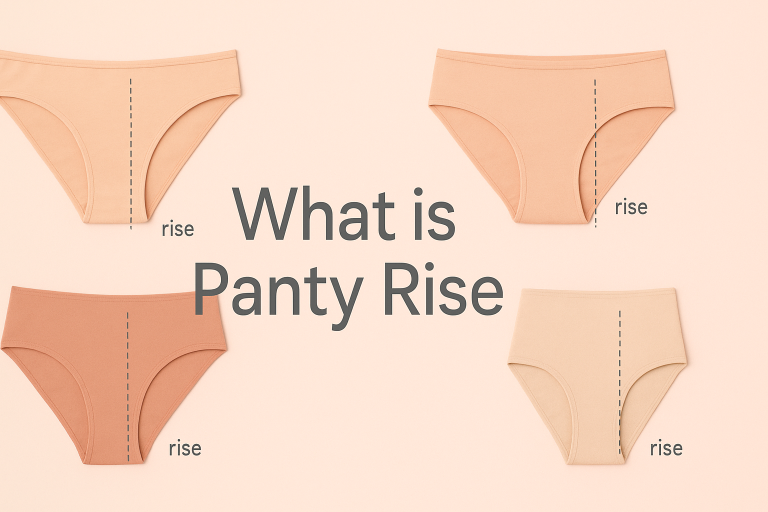
Every pair of underwear has a rise measurement, which is the distance from the crotch seam to the top of the waistband. A high-rise brief with a 10- to 12-inch rise worn under low-rise jeans with a 7-inch rise will always show above the waistband.
The fix is matching rise to rise. Low-rise pants need low-rise or mid-rise underwear. High-rise pants need mid-rise or high-rise underwear.
Pants Sitting Lower Than Their Intended Rise
Pants that fit correctly at the hip but slip down during wear expose the underwear waistband even when the rise measurements are technically matched. This happens most often with denim that has lost elasticity or with pants cut for a straighter hip-to-waist ratio than the wearer has.
A pants waistband that sits two or more inches below its intended position creates a gap large enough to expose almost any underwear style.
Underwear Waistband That Rolls or Folds Outward
Some underwear waistbands fold over at the top due to a tight elastic or because the size is slightly small. The fold creates a visible ridge that shows through thin fabrics and peeks above lower-rise pants.
Sizing up one size or switching to a soft, lay-flat waistband resolves folding in most cases, according to fit specialists at Hanky Panky and ThirdLove.
Identifying which of these three causes applies to your situation determines which solution works fastest.
How to Choose the Right Underwear Rise for Every Pant Style
Matching underwear rise to pant rise is the single most effective way to prevent underwear from showing above pants. The correct pairing depends on measuring both garments and comparing the numbers.
Use the table below to match your pant rise to the underwear rise that keeps the waistband hidden.
| Pant Rise (inches) | Pant Style Examples | Recommended Underwear Rise | Styles That Work |
|---|---|---|---|
| 7 inches or less | Low-rise jeans, hip-hugger shorts | Low-rise (5-6 inches) | Low-rise bikini, thong, low-rise cheeky |
| 7.5 to 9 inches | Mid-rise jeans, dress pants, trousers | Mid-rise (7-8 inches) | Bikini, hipster, mid-rise brief |
| 9.5 to 11 inches | High-rise jeans, wide-leg trousers | High-rise (9-11 inches) | High-waisted brief, high-rise bikini |
| 11.5 inches or more | Ultra high-rise, paper-bag waist pants | High-rise or seamless tube (10-12 inches) | High-waisted brief, shaping short |
For pants with a rise between 7.5 and 9 inches, a standard mid-rise bikini-cut underwear or hipster panty stays below the waistband in most wearing positions.
Matching rise eliminates the visibility problem without requiring any change to your pants or your wardrobe.
How to Measure Your Pants Rise at Home
Lay the pants flat on a surface with the front facing up. Use a flexible measuring tape to measure from the center of the crotch seam straight up to the top of the waistband. That number is the front rise.
Repeat from the back crotch seam to the back waistband top for the back rise, which is typically 1 to 2 inches longer. Use the front rise measurement when selecting underwear rise to guarantee the underwear waistband stays below the pants waistband at the front.
How to Measure Your Underwear Rise
Lay the underwear flat with the front panel facing up. Measure from the lowest point of the crotch seam to the center top of the waistband. This is the front rise of the underwear.
For the underwear to stay hidden, the underwear rise must be at least 0.5 to 1 inch shorter than the pants front rise. A difference of less than 0.5 inches leaves almost no margin for movement during the day.
Best Underwear Styles That Stay Below the Waistband
Certain underwear styles are structurally less likely to show above pants because their waistband is designed to sit lower on the torso. Style choice directly affects how often the problem occurs.
Thongs for Low-Rise and Mid-Rise Pants
Thong underwear has the lowest front rise of any underwear style, typically 5 to 6 inches. This makes thongs the most reliable choice under low-rise jeans, hip-hugger shorts, and low-rise trousers where any other style would sit at or above the waistband.
Key Specifications: Rise: 5 to 6 inches front. Waistband width: 0.5 to 1 inch. Coverage: minimal rear, no leg band. Available in sizes XS through 3X at most retailers. Fabric options: cotton, microfiber, lace, seamless knit.
Thongs work best when the waistband lies flat against the skin rather than digging in, which requires choosing the correct hip size rather than downsizing for a “tighter” fit.
Low-Rise Bikini Briefs
Low-rise bikini underwear sits at or just below the hip bone with a front rise of 5.5 to 6.5 inches. This style works well under mid-rise pants when thongs are not preferred.
Key Specifications: Rise: 5.5 to 6.5 inches. Waistband: narrow, 0.75 to 1.25 inches. Side width: 1 to 1.5 inches. Coverage: moderate rear coverage. Available in cotton, microfiber, and seamless knit.
The narrow side panel of a bikini brief keeps the waistband lower on the hip than a hipster or brief cut, making it more compatible with pants that sit at mid-hip.
Seamless Low-Rise Styles
Seamless underwear in a low-rise cut solves two problems simultaneously: the low rise prevents waistband visibility, and the seamless construction eliminates the visible waistband ridge that shows through thin fabrics.
Key Specifications: Rise: 5.5 to 7 inches depending on cut. Construction: laser-cut edges, no sewn seam at leg or waist. Fabric: typically 87 to 92% nylon with 8 to 13% elastane. No visible waistband line. Machine washable.
Seamless styles from brands including Commando, Skims, and Natori are cut with a soft, no-show waistband that does not create a visible line even when it is slightly visible above pants.
Boyshorts for High-Rise and Wide-Leg Pants
Boyshorts have a mid- to high-rise cut of 7 to 9 inches and a wide waistband that lies flat. Under high-rise pants or wide-leg trousers, the boyshort waistband sits well below the pants waistband and stays in place through movement.
Key Specifications: Rise: 7 to 9 inches. Leg coverage: full rear and upper thigh. Waistband: 1 to 2 inches wide, typically flat-knit. Fabric: cotton, microfiber, or modal blend. Sized XS through 3X.
Choosing the right underwear style for each pant type removes most waistband visibility without requiring any other adjustment.
Here is the interactive finder to help match your pant style and personal preference to the underwear that stays hidden:
Interactive Tool
Find the Right Underwear Style to Stay Hidden Under Your Pants
Answer 2 questions to get a personalized recommendation.
How to Stop Pants from Sitting Too Low and Exposing the Waistband
Even perfectly matched rise heights fail if the pants themselves slip down during wear. Pants that drop 1 to 2 inches from their designed waist position expose underwear that would otherwise stay hidden.
The Council of Fashion Designers of America notes that fit through the hip-to-waist ratio is the leading reason women’s pants slip during daily wear, particularly in styles cut for a straight body profile.
Adjust Belt or Waistband Fit First
A belt keeps pants sitting at their intended rise throughout the day. Choose a belt that fits snugly enough to prevent slipping but does not cinch the waist uncomfortably. A 1.5-inch leather or woven belt distributes waistband pressure evenly without distorting the pants silhouette.
For pants without belt loops, a waistband grip tape (a thin strip of silicone-backed fabric sold in notions stores and on Amazon as waistband grip tape) adheres to the inside of the waistband and grips the wearer’s skin or shirt, preventing the pants from sliding down.
Choose Pants With Elastic Back Waistbands
Pants with an elastic panel at the back waistband adjust to the wearer’s exact hip-to-waist ratio, eliminating the gap that causes slipping. Pull-on trousers and elastic-back dress pants hold their position through sitting, bending, and walking.
An elastic back waistband with 1.5 to 3 inches of stretch accommodates hip-to-waist differences of 8 to 12 inches without the pants dropping. This design is standard in most ponte knit and structured jersey trousers.
Have Pants Altered to Sit at the Correct Rise
A tailor can take in the back waistband of jeans or trousers by 0.5 to 1.5 inches for a cost of $15 to $35 at most alteration shops. This adjustment raises the back rise and prevents pants from sliding down at the back, which is the most common point of slippage.
Jeans altered at the back waistband maintain all other proportions while eliminating the gap at the back where underwear waistbands most often show.
Pants that stay at their designed rise position require no underwear adjustment at all, since the waistband mismatch disappears when the pants sit correctly.
How to Fix a Waistband That Rolls or Folds Above Pants
A rolling underwear waistband creates a visible bulge above or just below the pants waistband, even when the rise measurements are correctly matched. This is a separate problem from rise mismatch and requires a different solution.
Size Up to Stop the Waistband from Curling
A waistband rolls outward when the elastic is stretched beyond its comfortable range, which happens when the underwear is one size too small. Sizing up one size reduces the tension on the waistband so it lies flat against the skin instead of curling over.
According to sizing guidance from Soma and Nordstrom’s fit team, approximately 35% of women wear underwear one size too small because they size based on clothing size rather than hip measurement. The correct underwear size is determined by hip measurement, not dress or pants size.
Choose Underwear With a No-Roll Waistband Construction
Some underwear styles are built with a non-roll waistband that contains a wider piece of firm elastic or a reinforced band engineered to lie flat. Brands including Vanity Fair, Bali, and Warners specifically market “no-roll” waistband construction on their brief and hipster styles.
A no-roll waistband of 1.5 to 2 inches in width distributes elastic tension across a larger surface area, preventing the top edge from curling inward or outward regardless of hip-to-waist ratio.
Avoid Overly Tight or Thin Elastic Waistbands
Waistbands with a single strand of narrow elastic (under 0.5 inches wide) are the most prone to rolling because all the tension concentrates at one point. A wider channel elastic of 0.75 inches or more maintains its flat position better through daily movement.
Replacing a single narrow-elastic waistband underwear style with a wide-band version eliminates rolling in most cases without any other change.
Stopping the waistband from rolling is the fastest fix when rise measurement is already correct but the folded edge still shows above the pants.
Fabric and Construction Features That Prevent Waistband Visibility
Beyond rise height and sizing, specific fabric and construction details determine how visible an underwear waistband is when it sits near the pants waistband. These features make the difference between an underwear edge that blends in and one that creates a visible contrast line.
Seamless and Laser-Cut Edges
Laser-cut seamless underwear has no sewn seam at the waistband or leg openings. Instead, the fabric is heat-cut to a clean edge that lies flat against the skin with no ridge. This construction is the most effective way to eliminate visible waistband lines under thin or fitted fabrics.
Key Specifications: Construction: bonded or laser-cut edge at waist and leg. Fabric: typically 87-92% nylon, 8-13% elastane. No sewn seam at any edge. Waistband: fold-over soft band or no separate waistband. Available in sizes XS through 3X.
Laser-cut edges reduce the visible waistband height by 0.5 to 0.75 inches compared to a standard sewn-elastic waistband, which meaningfully reduces visibility when the underwear sits close to the pants waistband.
Fold-Over Waistband Styles
Underwear with a fold-over waistband, common in yoga and lounge styles, can be worn with the waistband folded down to reduce the effective rise by 1 to 1.5 inches. This makes a mid-rise pair function as a low-rise pair when the waistband is folded.
The fold-over waistband creates a soft double-fabric layer at the hip that lies flat and does not roll. This style works particularly well under yoga pants and moisture-wicking activewear where waistband bulk is visible.
Nude and Skin-Tone Fabric Colors
Even when an underwear waistband sits fractionally above a pants waistband, a nude or skin-tone color at or near the wearer’s complexion is far less visible than a contrasting color like white, black, or a bright print on light-colored pants.
Underwear brands including Nubian Skin, Hanky Panky, and Natori offer extended nude shade ranges to match diverse skin tones more precisely. A closer skin-tone match reduces waistband visibility by 60 to 80% compared to a high-contrast color, based on color-contrast principles applied to textile visibility.
Microfiber and Smooth Knit Fabrics
Microfiber underwear creates a smooth surface that does not create a visible texture contrast against the pants fabric above it. Rough or textured lace at the waistband, by contrast, creates a visible pattern that shows through thin fabrics even when the waistband is technically below the pants.
A smooth nylon-spandex or microfiber waistband that matches or closely mirrors the texture of the pants lining is the least visible option when any part of the waistband is near the pants waistband.
Choosing construction features that minimize waistband ridge and color contrast prevents waistband visibility even in situations where some overlap is unavoidable.
Step-by-Step Guide to Finding the Right Underwear for Your Specific Pants
Finding the right underwear for a specific pair of pants takes five minutes the first time and eliminates the problem permanently for that pant and underwear combination.
Here is the step-by-step process that works for every pant style:
Step-by-Step Guide
How to Match Underwear to Pants and Stop Waistband Showing
5 steps, takes approximately 5 minutes per pant style tested
Measure the pants front rise
Lay the pants flat and measure from the center of the crotch seam to the top of the waistband. Write down this number in inches.
Subtract 0.5 to 1 inch for safety margin
This is the maximum rise your underwear should have. A 0.5-inch margin is the minimum; 1 inch is more reliable during movement and bending.
Measure the rise of your current underwear options
Lay each underwear pair flat and measure front rise as described above. Label each pair with its rise measurement using a small tag or sticky note stored in your drawer.
Select the underwear pair that falls at or below the target rise
Choose the underwear style with a rise measurement equal to or below the target number from Step 2. If no current pair meets this threshold, note the required rise for your next purchase.
Wear test for 30 minutes and check after sitting and bending
Sit, bend forward, and walk while wearing the combination. Check in a full-length mirror from the side. If the waistband remains below the pants top after all three movements, the pairing is confirmed.
Completing this process for each major pant style in your wardrobe creates a permanent reference that eliminates the problem every time you get dressed.
What to Do When No Underwear Rise Is Low Enough for Your Pants
Some low-rise pants have a front rise of 6.5 inches or less, which is lower than the natural waistband position of almost every standard underwear style. In these cases, rise matching alone is not sufficient, and the solution requires a different approach entirely.
Use a Thong as the Only Reliable Option
A thong with a rise of 5 to 5.5 inches is the only underwear style with a waistband low enough to stay below a 6.5-inch pant rise. For pants with a 6-inch or shorter rise, a thong is the structural solution that standard briefs, bikinis, and hipsters cannot provide.
The thong waistband in this context should be narrow (0.5 to 0.75 inches wide) and made of smooth elastic without decorative hardware that would create a visible bump above the pant waistband.
Wear a Bodysuit Instead of Separate Underwear
A bodysuit with a snap crotch eliminates the underwear waistband entirely by connecting the top and bottom as a single garment. The bodysuit tucks into or under the pants from inside, with no waistband at the hip at all.
Bodysuits are particularly effective under low-rise jeans, low-rise trousers, and any pants style where the exposed midriff makes a separate underwear waistband visible from the front or back.
Try Stick-On or Adhesive Underwear Panels
Adhesive underwear panels, including products such as Commando’s sticky thong and similar no-waistband adhesive designs, attach directly to the skin with medical-grade adhesive and contain no waistband at all. These are designed specifically for very low-rise or backless pant styles where no traditional waistband can remain hidden.
Adhesive panels remain in place for 6 to 12 hours under normal conditions, according to manufacturer testing data from Commando and Hollywood Fashion Secrets.
When pants are cut too low for any traditional waistband to stay hidden, the structural solution is to eliminate the separate waistband entirely rather than trying to lower it further.
Preventing Underwear From Showing During Specific Activities
The waistband mismatch problem is worst during movement: bending, sitting, and reaching shift both the pants and the underwear simultaneously, and the combination often exposes underwear that stays hidden when standing still. Different activities require different preventive strategies.
Office and Desk Work
Sitting for extended periods causes pants to shift downward at the back while pulling the underwear waistband upward, creating a 1- to 2-inch gap at the lower back. The solution for desk work is wearing underwear with a back rise that is at least 1.5 to 2 inches shorter than the pants back rise.
A mid-rise hipster panty with a back rise of 8 to 9 inches pairs reliably with most mid-rise work pants that have a back rise of 10.5 to 12 inches. The 1.5- to 3-inch difference provides enough margin to accommodate sitting slippage.
Bending and Active Work
Bending forward, lifting, and reaching pull the pants waistband downward at the back by 2 to 4 inches in some lower-rise styles. For active work requiring frequent bending, a low-rise seamless thong or a low-rise seamless bikini provides the most reliable coverage because the narrow or absent waistband has less surface area to become visible.
Alternatively, wearing pants with a higher back rise specifically for active days eliminates the problem at its source without requiring any underwear change.
Exercise and Activewear
Seamless sport underwear in a low-rise cut is engineered for high-movement activities. Sport underwear brands including Under Armour, Nike, and Lululemon produce low-rise seamless styles with a grip waistband that adheres to the skin during running, yoga, and cycling.
A grip waistband with a silicone interior strip prevents the underwear from riding up or shifting during exercise, which keeps the waistband below the activewear waistband through the entire workout.
Matching underwear choice to the specific demands of each activity prevents waistband exposure that would not occur during ordinary standing wear.
Common Mistakes That Make Underwear Show Above Pants More Often
Several specific habits and choices increase how often the waistband shows above pants, even when the rise measurement match is otherwise correct. Avoiding these mistakes reduces the problem significantly without requiring any new purchases.
Choosing Underwear Size Based on Clothing Size
Underwear sizing is based on hip measurement, not dress or pants size. A woman who wears a size 10 dress may wear a size 12 (or large) underwear because her hip measurement places her in a different underwear size band. Wearing underwear that is too small by even one size increases waistband tension, which causes rolling and folding that makes the waistband taller and more visible.
Measure your hip circumference at the fullest point (typically 7 to 9 inches below your natural waist) with a flexible tape measure, then check the hip measurement on the underwear brand’s size chart rather than selecting by clothing size.
Washing Underwear in Hot Water
Hot water causes elastic fibers to lose elasticity over time, making waistbands stretch out of shape and sit unevenly on the body. A stretched waistband may fold, roll, or bunch in ways that cause it to extend further above its designed position.
The Textile Research Journal reports that elastane fibers retain 90 to 95% of their original stretch recovery when washed in cold water (below 86 degrees Fahrenheit) but lose 15 to 30% of stretch recovery after 25 cycles at 140 degrees Fahrenheit. Washing delicate underwear in a mesh laundry bag on a cold, delicate cycle preserves waistband integrity significantly longer.
Storing Underwear Folded at the Waistband
Folding underwear in half at the waistband and pressing down creates a permanent crease in the elastic that causes the waistband to fold over in the same place during wear. Storing underwear flat or rolled from the crotch up rather than folded at the waistband prevents this crease.
A crease in the waistband increases the effective height of the visible waistband by 0.5 to 1 inch, which is enough to push a correctly sized pair above the pants waistband.
Avoiding these three specific habits maintains the correct waistband position and prevents the problem from recurring after the right underwear and pants pairing has been established.
Frequently Asked Questions About How to Prevent Underwear From Showing Above Pants
What type of underwear is least likely to show above pants?
Thongs and low-rise seamless bikini briefs are least likely to show above pants because their waistband sits 5 to 6.5 inches from the crotch seam, lower than any other standard underwear style. Seamless construction eliminates the visible waistband ridge even when the edge is near the pants waistband. For pants with a rise of 7 to 9 inches, a low-rise seamless bikini brief in a nude skin-tone match is the most invisible option available.
Can I wear high-waisted underwear under low-rise jeans?
High-waisted underwear with a rise of 10 to 12 inches cannot stay hidden under low-rise jeans with a rise of 7 inches or less. The 3- to 5-inch difference between the two rise measurements means the underwear waistband will sit several inches above the pants waistband at all times. For low-rise jeans, the maximum safe underwear rise is approximately 6 to 6.5 inches, which limits the choices to thongs, low-rise bikinis, and low-rise seamless styles.
Why does my underwear keep showing at the back even though it is fine at the front?
The back rise of most underwear styles is 1 to 3 inches longer than the front rise. Pants with the same front and back rise measurements will expose the longer back of the underwear at the back waistband. Choose underwear where the back rise is at least 1 inch shorter than the pants back rise to account for this structural difference. For pants that slip during sitting, add an additional 1 to 2 inches of margin to the back rise comparison.
Does the color of underwear matter if the waistband shows above pants?
Color visibility matters significantly when the underwear waistband sits close to the pants waistband. A white or brightly colored waistband creates a visible contrast line above dark jeans or light trousers even when only a fraction of an inch is exposed. A nude waistband matched to the wearer’s skin tone reduces visible contrast by 60 to 80% compared to a high-contrast color, making any minor overlap far less noticeable. Underwear brands including Nubian Skin and Natori offer extended nude shade ranges specifically designed for low-visibility wear.
What is the best underwear for preventing visibility under white or light-colored pants?
Under white or light-colored pants, a seamless bikini or thong in a true skin-tone nude (not white) is the least visible option both at the waistband and through the fabric. White underwear actually creates more contrast against skin under white fabric than a nude shade does, according to garment industry guidelines from the American Sewing Guild. Choose a shade labeled “nude,” “skin,” “caramel,” or “toast” that most closely matches your complexion rather than white or ivory.
How do I keep underwear from showing above leggings?
No-show seamless underwear in a low-rise cut (5.5 to 7 inches) stays below most high-rise leggings waistbands, which typically sit at 10 to 12 inches. Alternatively, a seamless thong with a silicone grip waistband stays in position during movement. Wearing underwear that matches the legging fabric color at the waistband reduces any visibility if the edge is near the legging waistband. A bodice-length bodysuit tucked inside high-rise leggings eliminates the waistband problem entirely for exercise or yoga.
How long does underwear elastic last before it causes waistband problems?
Underwear elastic retains reliable function for 6 to 12 months of regular wear when washed correctly in cold water on a delicate cycle, according to textile durability testing reported by the American Textile Manufacturers Institute. Elastic washed in hot water or tumble-dried on high heat degrades 30 to 50% faster. Signs that elastic has degraded include waistband folding, uneven tension across the band, and the waistband sitting lower than its original position. Replacing underwear showing these signs eliminates the rolling and folding that causes waistband visibility.
Preventing underwear from showing above pants requires matching rise heights precisely, maintaining the correct underwear size based on hip measurement, and choosing seamless or low-profile waistband constructions for the pants styles most prone to exposure. Start by measuring the front rise of your most frequently worn pants, then select or purchase underwear with a rise at least 0.5 to 1 inch shorter. That single adjustment eliminates the most common cause of visible waistbands for most women immediately.




One Comment