Is Cotton Underwear Better Than Synthetic? Discover Why

Cotton underwear is better than synthetic for everyday wear, breathability, and vaginal health in most situations. Cotton absorbs moisture, allows airflow, and rarely causes skin irritation, making it the preferred fabric for gynecologists and dermatologists for daily use. Synthetic fabrics outperform cotton in specific situations, including high-intensity workouts and moisture-wicking needs, but they are not the better default choice for most women throughout a typical day.

What Makes Cotton Underwear Different from Synthetic Fabrics

Cotton is a natural cellulose fiber that absorbs up to 27 times its own weight in moisture, according to the Cotton Incorporated Fiber Competition data. Synthetic fabrics such as nylon, polyester, and spandex are petroleum-derived polymers that wick moisture away from the skin rather than absorbing it.

The structural difference matters for underwear specifically because the vulvar and vaginal area maintains a naturally warm, moist microclimate. Cotton allows that moisture to evaporate rather than stay trapped against the skin.

Synthetic blends trap heat and moisture more readily, creating conditions that gynecologists associate with increased yeast and bacterial growth. The American College of Obstetricians and Gynecologists (ACOG) recommends wearing breathable, cotton-crotch underwear to reduce the risk of vulvar irritation and recurrent infections.

Key differences between cotton and synthetic underwear fabrics break down across four measurable properties: moisture absorption, breathability, bacterial resistance, and skin pH compatibility. Cotton scores higher on all four for everyday, non-athletic wear.

The choice between these two fabric categories is not absolute. It depends on the activity, duration of wear, and individual skin sensitivity, all of which the sections below address in detail.

Understanding the structural difference between these two fabric types is the foundation for every fabric decision covered in this guide.

Is Cotton Underwear Better for Vaginal Health

Cotton underwear supports vaginal health better than synthetic fabrics for daily wear because it does not trap moisture against the skin. The vaginal environment maintains a pH between 3.8 and 4.5, and disrupting that balance through excess heat and moisture increases the risk of bacterial vaginosis and yeast infections, according to research published in the Journal of Lower Genital Tract Disease.

A 2017 study in the Journal of Women’s Health found that women who wore tight-fitting synthetic underwear reported higher rates of recurrent vulvovaginal candidiasis compared to women wearing loose-fitting cotton styles. The study controlled for hygiene habits and antibiotic use.

Synthetic fabrics retain heat more effectively than cotton, raising the local skin temperature at the vulva by 1 to 2 degrees Celsius during sedentary wear. That temperature increase is enough to accelerate the growth of Candida albicans, the fungus responsible for most yeast infections.

Cotton also maintains a more neutral surface pH than many synthetic blends. Nylon, in particular, has a slightly acidic surface profile that can interfere with the skin’s natural acid mantle when worn continuously for 8 or more hours.

Gynecologists at the Mayo Clinic specifically list synthetic underwear as a contributing factor to recurrent yeast infections in their patient care guidance. Their recommendation is consistent with ACOG’s position: cotton-crotch underwear for daily wear reduces vulvar irritation risk.

For women who prefer synthetic styles for aesthetic or fit reasons, most manufacturers now offer hybrid versions with a cotton gusset liner sewn into an otherwise synthetic shell. That cotton gusset is the minimum standard for vaginal health compatibility.

Cotton underwear is the clinically supported choice for vaginal health in everyday wear situations, and no synthetic fabric currently matches its breathability and moisture-absorption profile for that specific use case.

When Synthetic Underwear Outperforms Cotton

Synthetic underwear performs better than cotton in high-sweat, high-movement situations because it wicks moisture away from the skin rather than holding it. During activities where sweat volume exceeds what cotton can absorb before becoming saturated, synthetic moisture-wicking fabrics reduce chafing and skin friction more effectively.

Moisture-Wicking Performance During Exercise

Moisture-wicking underwear made from polyester or nylon microfiber moves sweat from the skin surface to the outer fabric layer, where it evaporates faster than it would in cotton. Cotton becomes saturated at roughly 65% of its absorption capacity and begins to feel wet and heavy at that point, according to textile performance data from Cotton Incorporated.

For workouts lasting 30 minutes or longer, moisture-wicking synthetic underwear reduces the risk of chafing-related skin breakdown, particularly in the inner thigh and groin area where friction is highest during running and cycling.

Fit Under Fitted Clothing

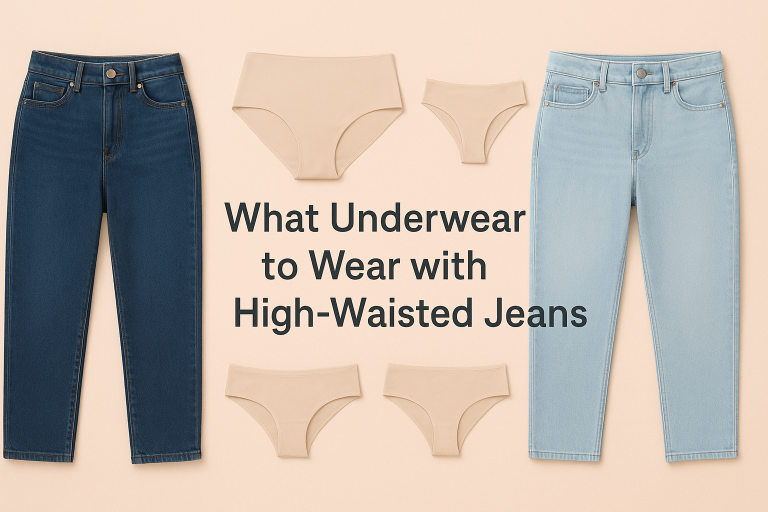
Seamless panties made from nylon-spandex blends provide a smoother silhouette under fitted dresses, leggings, and trousers than most cotton styles. Cotton does not stretch and recover with the same precision as nylon-elastane blends, which means cotton edges are more likely to show a visible panty line under thin fabrics.

Nylon-spandex blends typically contain 80 to 92% nylon and 8 to 20% spandex, giving them a four-way stretch that conforms to body contours without creating ridges. This is the primary reason most shapewear and no-show underwear uses synthetic fabrics rather than cotton.

Durability and Wash Resilience

Synthetic fabrics retain their shape, elasticity, and color through more wash cycles than cotton. A standard cotton brief loses 15 to 20% of its original stretch after 50 machine wash cycles, according to textile durability testing published by the American Association of Textile Chemists and Colorists (AATCC).

Nylon-spandex blends retain over 90% of their original stretch after the same number of wash cycles when laundered in cold water. For women who buy fewer pairs and wash frequently, synthetic underwear lasts measurably longer per pair.

Synthetic underwear wins on performance metrics in athletic, fitted, and durability contexts, but those advantages do not translate into health or comfort benefits for the 14 to 16 hours of everyday wear that most women average per day.

Cotton vs Synthetic Underwear: Side-by-Side Comparison

Use the table below to compare cotton and synthetic underwear across the attributes that matter most for daily wear, athletic use, and long-term value.

FeatureCottonSynthetic (Nylon/Polyester)
BreathabilityHigh, allows full airflowLow to moderate, traps heat
Moisture AbsorptionAbsorbs up to 27x its weightWicks away but does not absorb
Vaginal HealthACOG recommended for daily wearHigher yeast/bacterial risk
Skin Irritation RiskLow, hypoallergenicModerate, especially for sensitive skin
Athletic PerformanceSaturates quickly under high sweatWicks sweat, reduces chafing
No-Show Under Fitted ClothesLimited, edges may showExcellent with seamless cuts
Durability After 50 WashesLoses 15-20% stretch (AATCC data)Retains 90%+ stretch in cold wash
Price Range (per pair)$4 to $18$6 to $35
Best ForEveryday wear, vaginal health, sensitive skinExercise, fitted clothing, durability

Cotton leads on health and comfort metrics for daily wear, while synthetic leads on performance and fit metrics for specific use cases. The ideal underwear wardrobe contains both rather than choosing one exclusively.

Which Fabric Is Better for Sensitive Skin and Allergies

Cotton is better for sensitive skin and contact allergies because it contains no synthetic polymers, chemical binders, or petroleum-derived compounds. The American Academy of Dermatology (AAD) lists nylon and polyester as common contact allergen carriers, particularly when they contain formaldehyde-based wrinkle-resistance finishes or synthetic dye fixatives.

Contact dermatitis from underwear fabrics most commonly presents as redness, itching, and small blisters along the panty line, inner thigh, and waistband contact zones. A patch test study published in Dermatitis journal found that approximately 11% of women referred for contact dermatitis testing showed positive reactions to textile dye components, most of which appeared in synthetic blends rather than natural cotton.

Organic cotton underwear reduces the allergen risk further by eliminating pesticide residues and chemical finishing agents used in conventional cotton processing. The Global Organic Textile Standard (GOTS) certifies organic cotton products that meet strict limits on chemical processing agents throughout the entire production chain.

Key Specifications for organic cotton underwear: Fabric: 100% GOTS-certified organic cotton. Dyes: OEKO-TEX Standard 100 certified, free of azo dyes and heavy metals. Finish: no formaldehyde-based wrinkle or shrink treatments. Machine washable, gentle cycle, cold water.

Women with vulvar conditions such as lichen sclerosus or vulvar dermatitis are specifically advised by dermatologists at the Cleveland Clinic to avoid synthetic fabrics entirely and choose unbleached or undyed cotton whenever possible. The dye-free recommendation applies to both conventional and organic cotton styles.

For sensitive skin, cotton is the lower-risk default fabric, and organic or OEKO-TEX certified cotton reduces that risk even further by removing chemical processing residues from the equation.

How to Choose Between Cotton and Synthetic for Different Situations

The best fabric for your underwear depends on what you are doing, how long you will wear it, and what your skin reacts to. No single fabric is optimal for every situation throughout a full day.

Everyday and Office Wear

Cotton briefs or cotton hipster panties are the best choice for 8 to 16 hours of sedentary or lightly active daily wear. Cotton maintains a stable microclimate around the vulva by allowing airflow and absorbing ambient moisture without trapping it.

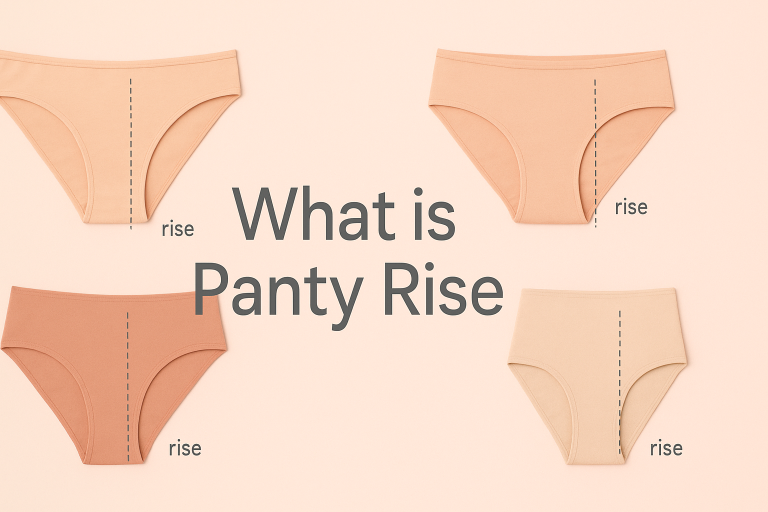
Key Specifications for everyday cotton briefs: Fabric: 95 to 100% cotton (95% cotton, 5% spandex at minimum for stretch). Rise: mid-rise or high-rise for full coverage. Waistband: flat or foldover, no elastic digging. Machine washable, cold water cycle.

Athletic and High-Sweat Activities

Moisture-wicking underwear in a nylon-spandex or polyester-spandex blend performs better during workouts longer than 30 minutes. The wicking action prevents the saturated-fabric chafing that cotton causes during sustained exercise.

Key Specifications for athletic synthetic underwear: Fabric: 80 to 92% nylon or polyester, 8 to 20% spandex. Construction: flatlock seams to prevent chafing. Gusset: moisture-wicking liner. Size range: XS to 3X. Machine washable, cold water.

Sleeping

Cotton underwear or no underwear is the recommendation from gynecologists for overnight wear. During sleep, the body temperature naturally rises, and breathable cotton or no fabric at all allows the vulvar area to air out after a full day of wear.

The National Sleep Foundation notes that skin temperature regulation during sleep is tied to sleep quality, and breathable fabrics support that process better than heat-trapping synthetics.

Under Fitted or Sheer Clothing

Seamless panties or laser-cut seamless underwear in nylon-spandex are the practical choice for fitted dresses, pencil skirts, or thin-fabric trousers. For these occasions, limiting synthetic wear to a few hours rather than a full day reduces the cumulative moisture-trapping effect.

Choosing the right fabric for each situation, rather than wearing one type all day every day, is the most effective approach for both comfort and vaginal health.

Cotton Underwear Styles and How to Pick the Right One

Cotton underwear comes in every cut available in synthetic fabrics, so choosing cotton does not mean sacrificing fit or style options. The cut determines coverage, rise, and visibility under clothing, all of which are independent of the fabric choice.

Cotton Briefs

Cotton full-coverage briefs provide the most surface area for moisture absorption and the most complete coverage of the vulvar and perianal area. They are the style most commonly recommended for women who experience recurrent yeast infections or bacterial vaginosis because the full cotton coverage maximizes airflow across the widest skin area.

Key Specifications: Fabric: 95 to 100% cotton. Rise: high-rise, waistband sits at or above the navel. Coverage: full back and front. Best for: everyday wear, postpartum recovery, women prone to vaginal infections.

Cotton Bikini-Cut Underwear

Cotton bikini-cut underwear sits at the hip with mid-level front coverage and a low-cut leg line. It is the most popular everyday cotton style because it works under most clothing types while maintaining full cotton coverage at the gusset.

Key Specifications: Fabric: 95 to 100% cotton or 92% cotton, 8% spandex. Rise: mid-rise, waistband sits 2 to 3 inches below the navel. Coverage: moderate front, moderate back. Best for: everyday casual and office wear.

Cotton Boyshorts

Cotton boyshorts extend the leg coverage to the upper thigh, making them a good choice for women who experience inner-thigh chafing or who wear skirts and dresses frequently. The extended coverage provides more cotton-to-skin contact area than briefs or bikini cuts.

Key Specifications: Fabric: 95% cotton, 5% spandex. Rise: mid-rise. Coverage: full front, full back, extended thigh coverage. Best for: skirts, dresses, inner-thigh chafing prevention.

Cotton Thongs

Cotton thongs with a full cotton gusset provide the no-show benefits of a thong while maintaining cotton contact at the vulva. Gynecologists caution against thong styles for women already prone to urinary tract infections because the back string can transfer bacteria from the anal area forward, but the cotton fabric itself is not the source of that risk.

Key Specifications: Fabric: 95% cotton gusset, cotton or nylon-cotton blend sides. Rise: low to mid-rise. Best for: fitted trousers and dresses when visible panty lines are a concern.

Every cotton style delivers the health and breathability benefits of natural fiber, so the right cut is determined by fit preference, clothing style, and coverage need rather than fabric performance differences.

How Cotton and Synthetic Underwear Affect Odor

Cotton underwear produces less odor over the course of a day than synthetic underwear under normal non-athletic conditions. Odor from underwear is primarily caused by bacterial breakdown of sweat and skin secretions, and synthetic fabrics provide a more hospitable surface for odor-causing bacteria than cotton does.

A 2014 study published in Applied and Environmental Microbiology found that polyester fabric retained significantly more odor-causing Micrococcus bacteria after a single day of wear compared to cotton fabric worn under identical conditions. The researchers attributed this to the hydrophobic surface of synthetic fibers, which allows bacterial biofilm to develop more readily than on cotton’s more hydrophilic surface.

Synthetic fabrics also tend to retain odor molecules more stubbornly through washing. Standard detergent removes odor compounds more completely from cotton than from polyester or nylon, which is why athletic synthetic clothing often requires enzyme-based sports detergents to fully deodorize after heavy use.

For women who work in environments where they cannot change underwear mid-day, cotton’s natural odor resistance is a practical advantage beyond its health benefits.

Cotton’s structural resistance to bacterial biofilm formation directly translates into less odor accumulation throughout a normal wear day compared to polyester or nylon alternatives.

Does Cotton Underwear Last as Long as Synthetic

Cotton underwear typically lasts 6 to 12 months with daily wear and regular washing before elastic degradation and fabric thinning become noticeable, compared to 12 to 18 months for comparable synthetic styles. The lifespan gap narrows significantly when cotton is laundered correctly.

Cotton degrades faster than synthetic fabrics through a combination of mechanical friction during machine washing, alkaline damage from high-pH detergents, and heat damage from hot water and high-temperature dryers. The AATCC notes that hot-water washing (above 60 degrees Celsius) reduces cotton fabric strength by up to 25% per wash cycle compared to cold water washing.

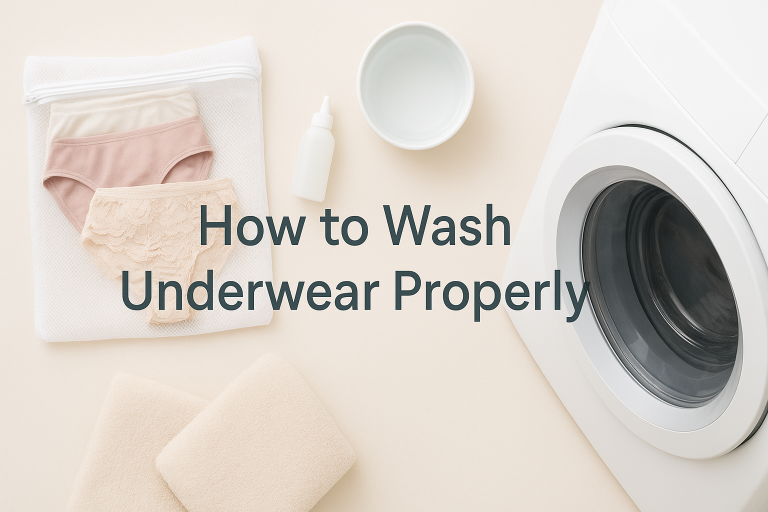
Proper laundering extends cotton underwear lifespan considerably. Washing in cold water on a gentle cycle using a pH-neutral detergent, then air-drying rather than using a tumble dryer, reduces fabric stress and elastic degradation significantly. A mesh laundry bag further protects cotton underwear by preventing mechanical friction against other garments during the wash cycle.

Use lingerie-specific detergent for cotton underwear washed by hand or on a delicate machine cycle. Standard laundry detergent contains enzymes optimized for removing stains from cotton, but the alkaline pH of many standard formulas accelerates fiber breakdown with repeated use.

The cost-per-wear comparison between cotton and synthetic underwear is closer than the lifespan difference suggests, since cotton styles are generally priced 20 to 40% lower per pair than equivalent synthetic styles from the same brands.

With correct cold-water laundering and air drying, cotton underwear’s lifespan gap versus synthetic narrows to the point where the health and comfort advantages of cotton make it the higher-value choice for most buyers.

What Gynecologists and Dermatologists Actually Recommend

Gynecologists and dermatologists consistently recommend cotton underwear for daily wear across all major clinical guidelines, making it the medically supported fabric choice for the average healthy woman. That recommendation is specific, not general.

ACOG’s patient FAQ on vaginal health states: “Wear cotton underwear or underwear with a cotton crotch.” This recommendation appears in their published guidance on preventing vaginal infections and reducing vulvar irritation.

The AAD’s guidance on contact dermatitis identifies synthetic textiles as one of the top five clothing-related contact allergen sources. Their recommendation for women with skin conditions affecting the groin and inner thigh area is to choose cotton fabrics with minimal dye processing.

Dr. Jennifer Gunter, a board-certified OB-GYN and author of The Vagina Bible, states that the vaginal microbiome benefits from the lower-heat, lower-moisture environment that cotton provides compared to synthetic fabrics worn for extended daily periods.

The Cleveland Clinic’s women’s health resource explicitly lists synthetic underwear as a risk factor for recurrent yeast infections, alongside tight-fitting clothing and extended tampon use.

No major gynecological or dermatological organization currently recommends synthetic underwear as the preferred daily-wear choice. Their recommendations uniformly point to cotton, with the exception of athletic contexts where moisture-wicking performance is the primary need.

The clinical consensus from gynecology and dermatology is unambiguous: cotton is the medically supported fabric for everyday underwear wear, and no synthetic fabric currently has an equivalent evidence base for that specific use context.

Product Comparison

Cotton vs Synthetic Underwear: Head to Head

Detailed comparison to help you choose the right fabric for your daily needs.

FeatureCottonSynthetic
Recommended by ACOGYes, for daily wearNot for daily wear
Odor resistanceHigher (less bacterial biofilm)Lower (retains bacteria more)
Contact allergy riskLowModerate (dye/finish reactions)
Athletic performanceSaturates during intense sweatWicks effectively during workouts
Our verdictBest for everyday and healthBest for exercise and fitted clothes

Based on published clinical guidelines from ACOG and AAD, and textile performance data from AATCC and Cotton Incorporated.

This decision-flow tool helps you identify which fabric is right for your specific situation right now.

Decision Tool

Cotton or Synthetic? Find the Right Fabric for Your Situation

Answer a few quick questions for a tailored fabric recommendation.

Cotton Underwear Care: How to Make It Last Longer

Cotton underwear lasts longest when washed in cold water on a gentle cycle and air-dried rather than tumble-dried. Hot water and high dryer heat are the two fastest ways to degrade cotton fiber strength and elastic recovery.

The AATCC recommends washing cotton underwear at 30 degrees Celsius (86 degrees Fahrenheit) or lower to preserve fiber integrity. Temperatures above 60 degrees Celsius reduce cotton tensile strength by up to 25% per wash, causing premature pilling, thinning, and elastic breakdown around waistbands and leg openings.

Place cotton underwear in a mesh lingerie wash bag before machine washing to prevent mechanical friction against heavier garments like jeans or towels. Use a pH-neutral lingerie detergent or a gentle detergent with a pH between 6 and 8 to minimize alkaline fiber damage.

Air drying preserves elastic more effectively than tumble drying. The heat inside a standard tumble dryer reaches 50 to 60 degrees Celsius on a medium setting, which breaks down the latex and spandex elastic threads in cotton-blend waistbands approximately 30% faster than air drying does, according to textile industry longevity data from the Hohenstein Institute.

Replace cotton underwear when the fabric becomes thin enough to see through when held to light, when the waistband no longer returns to its original width after stretching, or when the gusset lining shows visible wear or pilling. For daily wearers laundering every 1 to 2 days, this typically occurs at 6 to 12 months per pair.

Correct cold-water laundering and air drying closes the lifespan gap between cotton and synthetic underwear substantially, making cotton the better long-term value at its lower per-pair price point.

Frequently Asked Questions About Cotton vs Synthetic Underwear

Is it okay to wear synthetic underwear every day?

Wearing synthetic underwear every day increases the risk of yeast infections, bacterial vaginosis, and vulvar irritation for most women, according to ACOG guidelines. Synthetic fabrics trap heat and moisture against the vulvar skin, creating conditions favorable to Candida albicans and Gardnerella vaginalis overgrowth. For women with no current vaginal health issues, occasional synthetic wear is not harmful, but daily all-day synthetic wear is not the clinically supported choice.

Can I wear cotton underwear to the gym?

Cotton underwear is acceptable for gym sessions under 30 minutes but becomes problematic during longer or higher-intensity workouts. Cotton absorbs sweat rather than wicking it, meaning it becomes saturated and heavy during sustained exercise, which increases friction and chafing risk at the inner thigh and groin. For workouts lasting 30 minutes or longer, moisture-wicking synthetic or synthetic-blend underwear prevents saturation-related chafing more effectively than cotton.

What is a cotton gusset and why does it matter?

A cotton gusset is a small panel of cotton fabric sewn into the crotch area of otherwise synthetic underwear. It matters because the gusset is the area of underwear with the most direct contact with the vulvar skin, and cotton’s breathability and moisture absorption at that specific contact point provides the primary health benefit associated with cotton underwear. ACOG’s recommendation is specifically for “cotton or cotton-crotch underwear,” meaning a cotton gusset in an otherwise synthetic style satisfies the clinical recommendation for vaginal health purposes.

Does organic cotton underwear make a real difference?

Organic cotton underwear reduces exposure to pesticide residues and chemical finishing agents compared to conventionally grown and processed cotton. The difference is most relevant for women with contact dermatitis, chemical sensitivities, or vulvar skin conditions such as lichen sclerosus. For women without these conditions, GOTS-certified organic cotton or OEKO-TEX Standard 100 certified cotton provides additional safety margins, but conventionally grown cotton already delivers the breathability and absorption benefits that make it superior to synthetic for daily wear.

Is modal fabric as good as cotton for underwear?

Modal is a semi-synthetic fabric made from beech tree cellulose, and it performs similarly to cotton for breathability and moisture absorption while offering a softer, drapier texture with better retention of shape after washing. Modal retains approximately 50% more moisture than cotton before feeling wet, and it resists shrinkage better across repeated wash cycles. It is a reasonable alternative to cotton for women who find standard cotton too stiff or rough, though it is not as widely recommended in clinical guidelines as cotton specifically.

How often should I replace cotton underwear?

Cotton underwear should be replaced every 6 to 12 months for daily wearers who launder every 1 to 2 days. Signs that replacement is needed include visible fabric thinning when held to light, waistband that no longer recovers its original width after stretching, elastic that rolls or folds, and gusset lining that shows pilling or wear. The American Cleaning Institute recommends replacing underwear at least annually regardless of visible wear, since microscopic fabric degradation reduces hygiene performance before visible damage appears.

Can cotton underwear cause yeast infections?

Cotton underwear does not cause yeast infections. The opposite relationship is supported by clinical evidence: synthetic underwear worn daily is associated with higher rates of recurrent vaginal yeast infections, while cotton underwear is associated with lower rates, according to research published in the Journal of Women’s Health in 2017. Yeast infections are caused by Candida albicans overgrowth, which is promoted by warm, moist environments, and cotton reduces those environmental conditions better than synthetic fabrics do.

Cotton is the clinically supported, dermatologist-recommended fabric for everyday underwear wear, and the evidence base for that recommendation is consistent across gynecology, dermatology, and textile science research. Wear cotton for daily use, switch to moisture-wicking synthetic for workouts lasting more than 30 minutes, and choose seamless synthetic styles for specific fitted-clothing occasions while keeping total daily synthetic wear time under 4 to 6 hours. Start by replacing your most-worn everyday synthetic pairs with cotton briefs or cotton hipster panties and build from there, using the fabric-matching guide above to fill the rest of your rotation with the right tool for each situation.

Similar Posts

Leave a Reply

Your email address will not be published. Required fields are marked *