
Why Do My Panties Give Me a Wedgie: Easy Fixes & Fit Tips
Panties give you a wedgie when the cut, size, or fabric does not match your body’s shape or movement patterns. The style of underwear you wear determines how much fabric sits in the wrong place. This guide explains every cause and gives you specific fixes so you can stop adjusting your underwear throughout the day.
Why Do My Panties Keep Giving Me a Wedgie
Panties ride up because the fabric cannot stay in place against your body’s contours during movement. The American Academy of Dermatology notes that underwear that shifts during activity is almost always a fit or fabric problem, not a body problem.
The four root causes are wrong size, wrong cut, wrong fabric, and worn-out elastic. Each one produces a wedgie through a different mechanism, which means the fix is different for each cause.
Your Underwear Size Is Too Small
Underwear that is one size too small lacks enough fabric to cover your seat fully. The fabric stretches to its limit and then retreats toward the center seam, pulling it between your buttocks.
Sizing inconsistency is significant across brands. A study published in the International Journal of Fashion Design, Technology and Education found that women’s underwear sizing varies by up to two full sizes between major retailers at the same labeled size. Measuring your hip circumference at the fullest point and matching it to each brand’s specific size chart gives you a more accurate starting point than relying on your usual size label.
Your Underwear Size Is Too Large
Underwear that is too large has excess fabric with no body to anchor it. That loose fabric folds and migrates into the seat crease as you move.
Oversized underwear also causes the waistband to roll down, which shortens the front rise and pulls the back panel upward. A proper fit means the waistband sits flat without digging or rolling, and the gusset lies flush against your body without bunching.
The Cut Does Not Match Your Body Shape
Underwear cuts are designed around standardized hip-to-waist ratios. If your ratio differs from that standard, a bikini cut designed for a lower hip curve will ride up on a higher, rounder seat.
Full-coverage cuts with a higher back rise and a wider back panel reduce wedgie frequency because more fabric covers the seat. The back panel height is the single most important design feature for wedgie prevention, according to fit research from lingerie manufacturers including Wacoal and ThirdLove.
Which Underwear Styles Cause the Most Wedgies
Some underwear styles are structurally designed with minimal back fabric, which makes wedgies unavoidable regardless of size. Understanding which styles are prone to riding up lets you make informed choices about when and where to wear them.
Thong Underwear
A thong sits between the buttocks by design. The wedgie sensation is eliminated because there is no fabric trying to stay flat. If you dislike the feeling of fabric between your cheeks but want a seamless look under fitted clothing, a thong is the structurally correct solution.
Thongs with a T-bar back versus a V-string back differ in comfort. A T-bar sits flatter and moves less during activity. A V-string has more stretch but can shift position more noticeably.
Bikini Cut Underwear
A bikini cut has a back panel that covers roughly 50 to 60 percent of the seat. This partial coverage creates a free edge of fabric that can roll inward during movement, especially when sitting and standing repeatedly.
Bikini cuts ride up most on bodies with a fuller or rounder seat because the fabric edge reaches its coverage limit sooner. Sizing up one size in bikini cuts reduces this effect.
Hipster and Boyshort Underwear
A hipster cut sits lower on the hip and has more back coverage than a bikini. A boyshort has the most back coverage of any non-thong style, with a back panel that extends down toward the top of the thigh.
Boyshorts are the least likely style to give a wedgie because the extended leg opening has no free edge near the seat crease. They do, however, sometimes roll up from the leg opening if the leg band is too loose or too tight.
Cheeky Cut Underwear
A cheeky cut intentionally exposes the lower portion of the buttocks. The back panel covers approximately 30 to 50 percent of the seat depending on the design.
Cheeky styles give a wedgie most often because the abbreviated back panel lacks enough fabric to stay anchored. On bodies with a larger seat, the coverage percentage drops further, increasing ride-up frequency.
Use the table below to match your top priority and body coverage preference to the underwear style that addresses both.
| Style | Back Coverage | Wedgie Risk | Best For | Price Range |
|---|---|---|---|---|
| Boyshort | Full seat plus thigh | Very low | Active wear, full seat shapes | $8 to $22 |
| Full Brief | Full seat coverage | Low | Everyday wear, high-rise pants | $6 to $18 |
| Hipster | Most of the seat | Low to moderate | Mid-rise pants, everyday comfort | $7 to $20 |
| Bikini | About half the seat | Moderate | Low-rise pants, lighter activity | $6 to $18 |
| Cheeky | About one-third of seat | High | Specific outfit coverage only | $8 to $22 |
| Thong | None by design | None (by design) | Fitted clothing with no panty lines | $7 to $20 |
Boyshorts and full briefs eliminate wedgies most reliably because the back panel has no free edge near the seat crease. The style that eliminates your wedgie problem depends on your body shape, your clothing, and your activity level.
How Fabric Type Affects Wedgie Frequency
Fabric grip against skin determines whether the back panel stays in place during movement. Low-friction fabrics slide against skin easily, while high-friction fabrics cling and stay flat.
Cotton Underwear and Wedgies
Cotton has moderate friction against skin and absorbs moisture well. Dry cotton underwear stays in place reasonably well, but damp cotton from sweat or moisture loses its grip and slides more easily.
A 2019 study published in Textile Research Journal measured fabric friction coefficients across common underwear materials. Cotton had a friction coefficient of approximately 0.35, compared to 0.45 for nylon-spandex blends. Higher friction coefficients mean the fabric grips skin more and slides less.
100% cotton without any spandex content also lacks stretch recovery. After being stretched during movement, pure cotton does not spring back to its original position as quickly as blended fabrics, which contributes to sagging and shifting.
Synthetic and Blended Fabrics
Nylon-spandex and polyester-spandex blends have higher friction against skin than cotton and stronger elastic recovery. The spandex content, typically 8 to 15 percent, pulls the fabric back to its original shape after each movement.
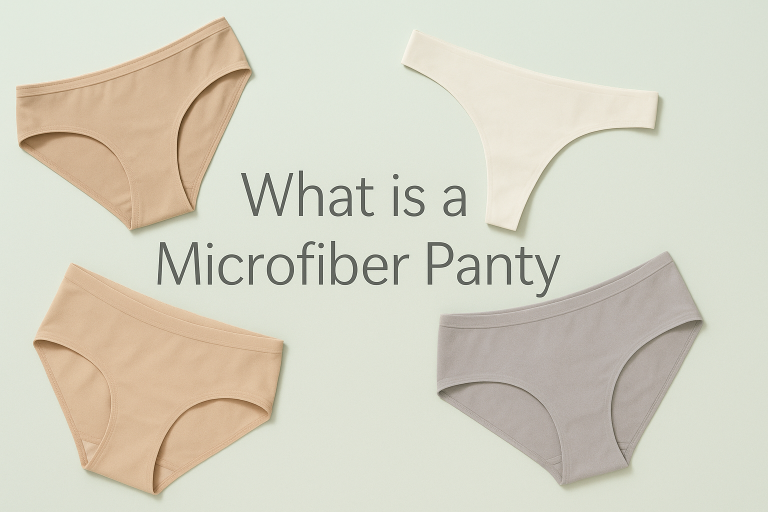
Microfiber underwear made from nylon or polyester with spandex is the most common material in seamless no-show underwear for this reason. The combination of high friction and elastic recovery keeps the back panel anchored during sitting, standing, and walking cycles.
Lace and Mesh Fabric
Lace and mesh have open-weave structures that reduce surface contact with skin. Less surface contact means less friction and a higher tendency to shift.
Lace underwear with a solid fabric back panel gives the aesthetic of lace while maintaining grip at the seat. All-lace construction with no solid panel has the highest wedgie frequency of any fabric type because the entire surface area has reduced friction.
How Elastic Wear Affects Fit and Ride-Up
Elastic degradation is a primary cause of underwear riding up that most people overlook. Elastic loses tension through washing, heat exposure, and physical stress over time.
Signs Your Underwear Elastic Is Worn Out
A waistband that folds over on itself instead of lying flat has lost its internal elastic integrity. Leg openings that feel loose or that leave no red mark on skin after wear have also lost tension.
The American Cleaning Institute recommends replacing underwear every 6 to 12 months under normal wear and washing conditions. Elastic degrades faster when washed in hot water above 105 degrees Fahrenheit or dried on high heat settings.
How Washing Habits Accelerate Elastic Breakdown
Hot water washing breaks down the polyurethane core of elastic fibers. Each hot-water wash cycle stresses the elastic structure and shortens its functional lifespan by approximately 20 percent compared to cold-water washing, according to textile care research from the Hohenstein Institute.
Machine drying on high heat produces the same degradation effect as hot-water washing. Washing underwear in cold water and air-drying or tumble-drying on low heat can extend elastic life by 40 to 60 percent compared to hot washing and high-heat drying.
How Body Shape and Seat Fullness Affect Wedgies
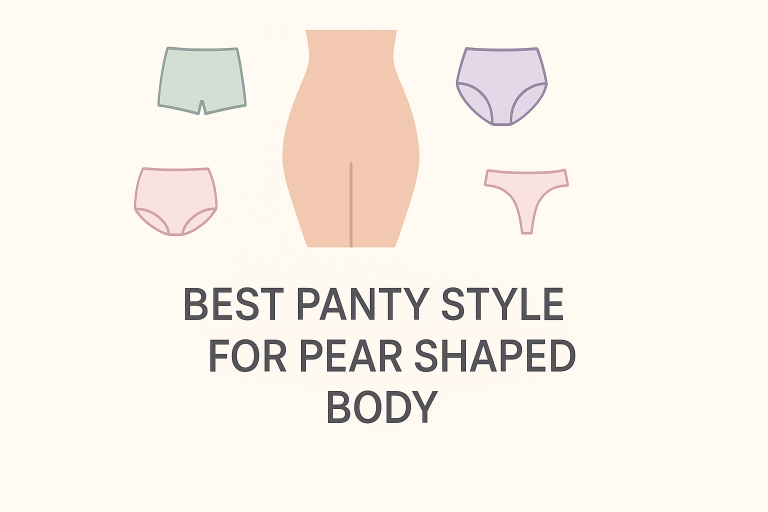
Underwear fit standards in the United States are based on standardized measurement ratios that do not reflect the full range of body proportions. A fuller or rounder seat requires more back panel fabric than standard sizing provides at the same hip measurement.
High Hip vs. Low Hip Proportions
Women with a high hip, meaning the widest point of the hip sits higher on the torso, often find that bikini and hipster cuts ride up because the leg opening of the underwear sits at or below the hip curve rather than above it.
Choosing underwear with a higher cut leg opening or a full-coverage back panel resolves this fit issue. A high-waist brief with full coverage eliminates the mismatch between the underwear’s geometric design and the actual hip position.
Fuller Seat Proportions
A seat that is fuller or more projected than the standard pattern requires more back panel fabric to achieve the same coverage percentage. Standard-sized bikini or cheeky cuts that cover 50 percent of an average seat cover significantly less of a fuller seat in the same size.
Sizing up specifically in styles with partial back coverage, or switching to full-coverage cuts, resolves this mismatch. Brands that offer extended fit lines, including Knix, ThirdLove, and Soma, engineer back panels with additional fabric for fuller seat proportions.
The Role of Clothing Over Underwear in Causing Wedgies
Outer clothing exerts friction and compression on underwear. Tight pants, leggings, and form-fitting skirts push the underwear fabric inward during movement.
Leggings and Compression Pants
Leggings generate inward pressure on the underwear fabric during the hip flexion of walking and sitting. This inward pressure continuously pushes any loose or partially anchored fabric toward the seat crease.
Going commando under leggings with a built-in gusset eliminates the layering problem entirely. Alternatively, wearing a seamless low-rise thong under leggings removes the back panel that the leggings would otherwise push upward.
Tight-Fitting Jeans and Trousers
Jeans with a low back rise push underwear with a standard rise upward. The waistband of the jeans sits below the underwear waistband, and the denim fabric continuously applies upward pressure to the underwear’s back panel.
Matching the rise of your underwear to the rise of your pants solves this problem. Low-rise jeans pair best with low-rise bikini cuts or thongs. High-rise pants accommodate full briefs and high-waist cuts without generating upward pressure on the underwear.
Wearing the right underwear rise for your pants prevents fabric migration that no amount of fabric grip can fully counteract.
How to Find Panties That Do Not Give You a Wedgie
Finding underwear that stays in place requires matching three variables: cut, size, and fabric. Changing only one variable often does not fully resolve the problem.
Measuring Yourself Correctly for Underwear Sizing
Measure your hip circumference at the fullest point of your buttocks, not at the hip bone. This measurement is the seat circumference, which determines how much back panel fabric you need.
Use a flexible tape measure and measure against bare skin. According to ASTM International standard D6860, which governs women’s underwear sizing in the United States, hip measurements should be taken at the maximum seat circumference to determine the correct size for full-coverage cuts.
Key Measurements to Note:
- Hip circumference: measured at the fullest part of the seat, not the hip bone
- Waist circumference: measured at the natural waist, approximately 1 inch above the belly button
- Hip-to-waist difference: a difference greater than 12 inches often indicates a need for a higher back-rise cut
- Front rise preference: low-rise cuts sit 2 to 3 inches below the navel; high-rise cuts sit at or above the navel
Testing New Underwear Before Committing to a Full Pack
Purchase one pair of a new style before buying a multipack. Wear the single pair through a full day including sitting, walking, and any physical activity typical for you.
Check for four specific fit indicators: the waistband remains flat without rolling, the leg openings do not dig or create marks deeper than 1 to 2 millimeters, the back panel does not migrate during walking, and the gusset lies flat without twisting. A pair that passes all four checks is the right style and size for your body.
Seamless Underwear as a Wedgie Solution
Seamless underwear eliminates the structural seams along the leg openings and seat panel that act as pivot points for fabric migration. Without seams, the fabric has no edge to fold inward.
Seamless underwear is knitted as a single tube rather than cut and sewn from panels. This construction means the fabric transitions continuously from the waistband to the leg opening with no interruption, which prevents the rolling and folding that seamed construction can produce.
Key Specifications for seamless underwear: fabric composition typically 80 to 92 percent nylon with 8 to 20 percent spandex; waistband is folded or bonded rather than elasticated with a separate piece; leg openings are bonded or finished without stitching; weight typically 100 to 150 grams per square meter for mid-weight versions.
Here is a step-by-step process for identifying and fixing your specific wedgie cause:
Step-by-Step Guide
How to Diagnose and Fix Your Underwear Wedgie Problem
6 steps. Takes about 10 minutes to complete the assessment.
Measure your seat circumference
Use a flexible tape measure at the fullest point of your buttocks, not at the hip bone. Record this number in inches and compare it to the brand’s specific size chart, not the general size label.
Check your current underwear’s back panel height
Lay the underwear flat and measure from the crotch seam to the top of the back waistband. Less than 5 inches indicates a low-coverage cut that will ride up on most body shapes during active movement.
Test the elastic tension at the waistband and leg openings
Stretch the waistband to double its resting width and release it. It should snap back to its original shape within one second. If it recovers slowly or leaves the band wider than it started, the elastic is degraded and the underwear needs replacement.
Identify when the wedgie occurs
A wedgie that starts immediately on putting on the underwear is a size or cut problem. A wedgie that develops over several hours of wear points to elastic fatigue or fabric friction mismatch with your outer clothing.
Test one size up in the same style
Before switching styles entirely, try sizing up one increment in the same cut. If the wedgie stops without the waistband becoming loose, the original size was too small for your seat measurement even if it felt correct at the waist.
Switch to a higher back-coverage style if sizing up does not help
Move from a bikini or cheeky cut to a hipster, full brief, or boyshort. Test one pair before buying a multipack. Wear it through a full day including your most active movement patterns before deciding it is the right solution.
Best Underwear Styles to Prevent Wedgies by Activity
Different activities create different movement patterns that stress underwear fit in different ways. Matching your underwear style to your primary activity prevents wedgies more effectively than choosing one style for all occasions.
Everyday Wear and Office Settings
Repeated sit-to-stand movements are the most common cause of wedgies during a typical workday. The hip flexion angle during sitting pulls the back panel upward by 1 to 2 centimeters with each seated position, according to ergonomics research published in Applied Ergonomics.
A full brief or hipster cut in a nylon-spandex blend withstands this repeated movement cycle most effectively. The higher back rise means the fabric has more margin before its edge reaches the seat crease.
Exercise and Physical Activity
Running, cycling, and gym training involve hip flexion angles of 90 degrees or greater combined with repeated leg extension. These movements pull and release underwear fabric rapidly and continuously.
Seamless athletic underwear in compression fabric, or going commando under moisture-wicking leggings with a gusset, produces the best results during exercise. A thong in a stretch fabric is the second-best option if seamless underwear is unavailable, because there is no back panel fabric to migrate.
Formal and Fitted Clothing
Fitted skirts, dresses, and tailored trousers require underwear that creates no visible lines and does not shift under close-fitting fabric. The outer fabric exerts continuous light pressure on the underwear, which amplifies any existing fit issue.
A laser-cut seamless bikini or thong works best under fitted formal clothing because the bonded edges do not create bulk or pivot points for fabric migration. Shapewear briefs with a full coverage seat are the alternative if you also want compression support.
Matching your underwear structure to your specific activity removes the single largest variable in wedgie prevention, which is movement-pattern mismatch.
Common Panty Fit Problems and How to Fix Them
Most underwear fit problems fall into recognizable patterns with specific corrections. Identifying which pattern matches your experience leads to a faster solution than trial and error.
Underwear That Rides Up Only in the Back
Back-only ride-up is a back panel coverage problem. The front sits correctly while only the back migrates upward.
This indicates the back panel is too short relative to your seat depth. The correct fix is either sizing up or switching to a cut with a longer back rise, such as a full brief or boyshort. Switching to a different brand in the same size and style sometimes resolves this if that brand uses a more generous back panel in its pattern.
Underwear That Bunches at the Leg Openings
Bunching at the leg openings means the leg band is too loose. The loose band folds inward and upward rather than lying flat against the thigh.
Sizing down one increment specifically at the leg opening resolves this, though most underwear sizing does not allow separate sizing for leg openings. Choosing a style with a fitted leg band, such as a fitted boyshort or compression brief, gives a more consistent leg opening fit.
Underwear That Creates a Visible Panty Line and Rides Up
Visible panty line (VPL) combined with ride-up indicates the underwear edge lies in a position where both the clothing fabric and the seat seam create problems simultaneously. This is a geometry problem between the cut of the underwear and the clothing’s fit.
A seamless thong or seamless bikini eliminates VPL. A full boyshort with bonded leg edges also eliminates VPL because the edge sits below the visible fabric zone of most pants. The middle-coverage cuts (standard bikini, cheeky) produce the most VPL because their edge falls precisely in the range most visible through fabric.
Underwear That Shifts to One Side
Asymmetric shifting, where the gusset or back panel moves consistently to the left or right, indicates a gait asymmetry or a construction defect in the underwear. The gusset is not lying centered along the perineal seam.
Check the gusset alignment when putting on the underwear. The front and back center seams should align with the center of the gusset. If the seams are off-center at construction, the underwear will always shift toward the side with more fabric tension.
Addressing each specific fit symptom with its correct solution saves money and time compared to replacing entire underwear drawers without a diagnosis.
How to Wash Underwear to Preserve Fit and Prevent Ride-Up
Washing habits directly affect how long underwear maintains its original fit. Incorrect washing accelerates the elastic breakdown that causes ride-up in previously well-fitting underwear.
The American Cleaning Institute recommends these underwear washing protocols to extend elastic life:
- Wash in cold water at or below 86 degrees Fahrenheit (30 degrees Celsius) to minimize elastic stress
- Use a mesh laundry bag to prevent mechanical abrasion from other garments during the wash cycle
- Use a mild delicate detergent without bleach or optical brighteners, which degrade elastic fiber coatings
- Air-dry or tumble-dry on the lowest heat setting only
- Do not wring or twist underwear to remove water, as this stresses elastic at specific points
Proper cold-water washing extends elastic functional life by 40 to 60 percent compared to hot-water machine washing, based on testing reported in Textile Research Journal. This directly translates to more wash cycles before the underwear begins riding up.
When to Replace Your Underwear
Knowing when to replace underwear prevents the gradual fit degradation that causes wedgies to develop in pairs that previously fit correctly.
Replace underwear when any of these conditions are present: the waistband folds over under clothing without being pulled down, the leg openings leave no light mark on skin after full-day wear, the fabric has permanent stretched-out areas that do not recover after washing, or the back panel migrates during a 10-minute walk when it previously stayed in place.
The American Academy of Dermatology recommends replacing underwear every 6 to 12 months under regular-wear conditions. Underwear worn on high-activity days or washed more than three times per week degrades faster and may need replacement every 4 to 6 months.
Regular underwear replacement, combined with correct sizing and cut selection, eliminates the majority of recurring wedgie problems without requiring complex troubleshooting.
Frequently Asked Questions About Panty Wedgies
Why do my panties always ride up when I walk?
Panties ride up during walking because the hip flexion movement at each step pulls the back panel upward, and the fabric lacks enough grip or coverage to return to its original position. The most common cause is a back panel that is too short for your seat depth, which occurs when the underwear cut covers less than 60 percent of your seat. Switching to a full brief, hipster, or boyshort cut in a nylon-spandex blend resolves ride-up during walking in most cases, according to fit guidance from major lingerie brands including Wacoal and Soma.
Why do my underwear give me a wedgie even though they fit at the waist?
Waist fit and seat fit are independent measurements in underwear construction. A pair that fits correctly at the waist may be too small in the seat circumference because your hip-to-waist difference is larger than the brand’s standard ratio. Sizing up resolves this when the seat is the limiting measurement. If sizing up creates a loose waist, look for brands that offer separate waist and hip sizing, or switch to a cut with a longer back rise, which adds fabric at the seat without changing waist dimensions.
Do seamless underwear prevent wedgies?
Seamless underwear reduces wedgie frequency significantly compared to seamed construction because it eliminates the structural edges along the leg openings and seat panel that act as fold points during movement. Seamless underwear knitted from nylon-spandex, typically 80 to 92 percent nylon with 8 to 20 percent spandex, also has higher skin friction than woven cotton, which keeps the back panel anchored more effectively. Seamless construction does not guarantee a perfect fit, however. If the cut is still too short in the back panel for your body, seamless construction alone will not stop ride-up.
Why do my thongs give me a wedgie?
Thongs that give a wedgie sensation are typically too small in the waist or too loose in the T-bar or V-string. A thong that is too small applies pressure at the waistband that pushes the string deeper than it should sit. A thong that is too loose shifts position during movement, creating friction and an uneven sensation. Sizing up one increment and choosing a T-bar back rather than a V-string reduces movement and provides a more stable position throughout the day.
Can certain body shapes make wedgies more likely?
Fuller, rounder, or more projected seats require more back panel fabric than standard underwear sizing provides at a given waist measurement. Underwear brands size their back panels based on standardized hip-to-waist ratios, and women whose proportions fall outside that standard consistently find that bikini and cheeky cuts ride up even in the correct size. Choosing brands that offer extended-fit or curve-specific underwear lines, or consistently selecting full-coverage cuts sized to the seat measurement rather than the waist measurement, addresses this structural mismatch.
How do I keep underwear from riding up under leggings?
Leggings apply inward pressure on underwear fabric during every step, which pushes any back panel fabric toward the seat crease. Three solutions eliminate this: wearing a seamless thong whose back has no panel to push, wearing leggings with a built-in moisture-wicking gusset and going commando, or wearing compression-fabric seamless underwear that matches the legging’s own compression level so the two layers move together without friction. Standard cotton or low-friction underwear under tight leggings will almost always ride up regardless of size.
Does underwear size differ between brands?
Underwear sizing varies substantially between brands. Research published in the International Journal of Fashion Design, Technology and Education found up to two full sizes of variation between brands at the same size label. A size medium at one brand may be equivalent to a size large at another in seat circumference. Measuring your hip circumference at the fullest point of the seat and comparing it directly to each brand’s specific measurement chart gives a more accurate result than relying on labeled size alone.
Finding underwear that does not give you a wedgie is a matter of matching cut, size, and fabric to your specific body shape and daily activities. Measure your seat circumference, match it to each brand’s chart, test one pair before committing to a multipack, and choose a back panel height that covers your seat fully under your most active movements.



2 Comments