Can Thongs Cause Infections? Key Risks & Hygiene Tips
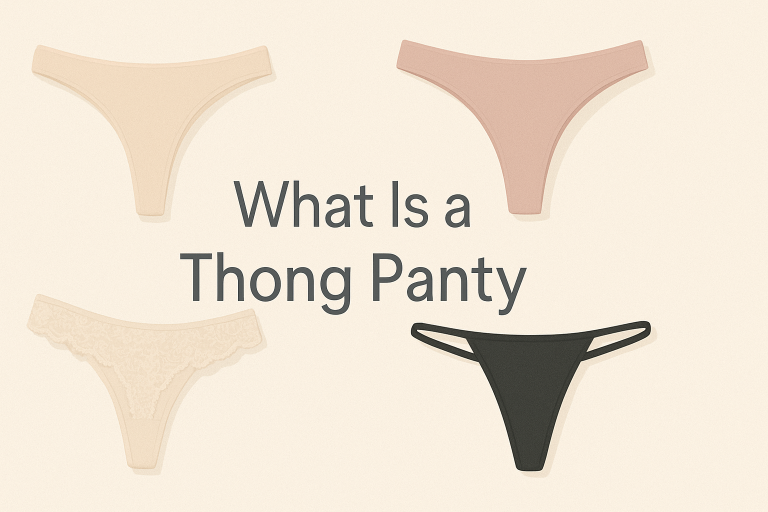
Thongs can contribute to infections in some women, but they do not cause infections on their own. The narrow fabric strip at the back of a thong can transfer bacteria from the anal region toward the vaginal and urethral openings, increasing the risk of bacterial vaginosis, yeast infections, and urinary tract infections (UTIs) in women who are already prone to these conditions. This guide covers exactly how that transfer happens, which women are most at risk, and what you can do to wear thongs comfortably without compromising your vaginal health.
How Thongs Can Contribute to Vaginal Infections
Thongs do not directly cause infections, but the design creates conditions that can disrupt the vaginal microbiome in susceptible women. The thin back strip moves throughout the day, acting as a physical bridge that can carry Escherichia coli and other intestinal bacteria from the perianal area toward the vagina and urethra.
A study published in the American Journal of Obstetrics and Gynecology found that thong wearers had higher rates of bacterial vaginosis compared to women who wore bikini-cut or full-coverage underwear. The constant friction from a narrow gusset also irritates the delicate perineal skin, creating microscopic abrasions that make it easier for pathogens to enter.
The gusset fabric matters as much as the style itself. A thong made from synthetic lace or polyester traps moisture and heat close to the vulva, which accelerates the growth of Candida albicans, the fungus responsible for yeast infections. A cotton thong with a full cotton gusset reduces but does not eliminate this risk because the back strip still moves during wear.
Understanding the mechanics of bacterial transfer is the foundation for reducing infection risk without giving up your preferred underwear style entirely.
Types of Infections Linked to Thong Wearing
Bacterial Vaginosis and Thongs
Bacterial vaginosis (BV) occurs when the natural balance of vaginal bacteria shifts, with harmful bacteria outnumbering the protective Lactobacillus strains. Thong movement throughout the day introduces fecal bacteria into the vaginal environment, which disrupts this balance. The Centers for Disease Control and Prevention (CDC) identifies BV as the most common vaginal condition in women aged 15 to 44, affecting approximately 21.2 million women in the United States annually.
Women who already have a low Lactobacillus count are more vulnerable to BV from thong wear. Symptoms include a thin gray or white discharge and a fishy odor, particularly after sex.
Yeast Infections and Thong Fabric
Yeast infections occur when Candida albicans overgrows in the warm, moist environment of the vulva and vagina. Synthetic thong fabrics, including nylon lace and microfiber polyester, trap heat and reduce airflow, creating exactly the conditions Candida thrives in. The Infectious Diseases Society of America notes that approximately 75% of women will experience at least one vaginal yeast infection in their lifetime.
Wearing a cotton-lined thong reduces moisture retention at the gusset. Tight thongs that compress the labia and perineum further restrict airflow, compounding the risk.
Urinary Tract Infections and Bacterial Transfer
Urinary tract infections (UTIs) result from bacteria, most commonly E. coli, entering the urethra. The urethra in women is approximately 1.5 inches long, which means bacteria from the perianal region need to travel only a short distance to reach the bladder. The thong’s back strip provides a direct physical pathway for this transfer during movement.
The National Institutes of Health (NIH) reports that women are 30 times more likely than men to develop UTIs due to anatomical differences. Thong wear does not guarantee a UTI, but it increases exposure for women who are already prone to recurrent infections.
Skin Irritation and Contact Dermatitis
The narrow strip of a thong creates continuous friction against the perianal skin and labia minora. This friction can cause contact dermatitis, characterized by redness, itching, and skin breakdown. Dermatologist Dr. Mona Gohara, a clinical associate professor at Yale School of Medicine, notes that synthetic fabrics and fabric dyes in underwear are common triggers for vulvar contact dermatitis. Broken skin from dermatitis significantly lowers the barrier against secondary bacterial infection.
Each of these infection types shares a common thread: the combination of mechanical friction, bacterial transfer, and moisture retention specific to thong design.
Who Is Most at Risk
Not every woman who wears thongs will develop an infection. Risk is concentrated among women with specific health profiles and wearing habits. The following groups face the highest risk from regular thong wear.
- Women with recurrent BV or yeast infections: An existing imbalance in vaginal flora means any additional bacterial introduction from a thong can trigger a full episode.
- Women prone to UTIs: A history of two or more UTIs per year signals anatomical susceptibility, and thong wear adds a bacterial transfer mechanism that compounds that risk.
- Perimenopausal and postmenopausal women: Lower estrogen thins vaginal and vulvar tissue, reduces natural lubrication, and lowers the Lactobacillus population, making the vaginal environment less resilient against disruption. The North American Menopause Society confirms that genitourinary changes after menopause significantly increase infection vulnerability.
- Women who wear thongs during exercise: Sweat increases moisture in the gusset area, and movement during exercise accelerates the back-strip migration that transfers bacteria.
- Women with sensitive skin or eczema: Chronic skin conditions reduce the integrity of the perineal barrier, making friction from thong wear more likely to cause breakdown and secondary infection.
- Women who wear thongs for 8 or more consecutive hours: Duration directly correlates with cumulative bacterial transfer and moisture exposure.
Women outside these risk groups can often wear thongs regularly without developing infections, provided they choose the right fabric and practice basic hygiene habits.
The Role of Fabric in Infection Risk
Fabric is the single most controllable variable in thong-related infection risk. The gusset, which is the small panel that sits directly against the vulva, determines how much moisture is absorbed versus trapped against the skin. A gusset made from 100% cotton wicks moisture away from the skin and allows airflow, while a synthetic gusset holds heat and moisture in place.
Use the table below to compare how common thong fabrics perform across the four factors most relevant to infection risk.
| Fabric Type | Moisture Wicking | Breathability | Bacterial Growth Risk | Best Use Case |
|---|---|---|---|---|
| 100% Cotton | Good | High | Low | Everyday wear, all-day use |
| Cotton-lined gusset (nylon outer) | Good at gusset | Moderate | Low to moderate | Everyday wear with some style variety |
| Microfiber polyester | Poor | Low | High | Short-wear occasions only |
| Nylon lace (no cotton lining) | Very poor | Very low | High | Special occasion, limited hours |
| Bamboo or modal | Good | Moderate to high | Low to moderate | Everyday wear, sensitive skin |
| Silk (natural) | Moderate | Moderate | Moderate | Short-wear, special occasion |
The most protective choice for daily thong wear is a 100% cotton thong or a thong with a full cotton-lined gusset. Synthetic thongs should be treated as occasional wear rather than everyday essentials, particularly for women in the higher-risk groups identified above.
Choosing breathable fabric reduces but does not fully eliminate infection risk, because the back strip still moves regardless of material.
How to Reduce Infection Risk While Wearing Thongs
Women who prefer thongs can take several evidence-based steps to minimize infection risk without switching underwear styles entirely. These steps address the three main infection drivers: bacterial transfer, moisture, and skin irritation.
Here is a step-by-step guide to safer thong wear habits that reduce your exposure to infection-triggering conditions.
Step-by-Step Guide
How to Wear Thongs While Reducing Infection Risk
7 steps to reduce bacterial transfer, moisture buildup, and skin irritation from daily thong wear
Choose a cotton or cotton-lined gusset thong
Look for thongs where the gusset panel is labeled 100% cotton or has a sewn-in cotton liner. This single feature reduces moisture retention at the vulva more than any other design element.
Avoid thongs during exercise
Sweat combined with back-strip movement during high-intensity activity dramatically increases bacterial transfer. Switch to seamless sport underwear or moisture-wicking underwear for workouts.
Limit consecutive wear to 8 hours or fewer
Duration of wear correlates directly with cumulative bacterial transfer. Switch to cotton briefs or cotton hipster panties for sleep and rest periods.
Wash thongs after every single wear
Bacteria from one wear cycle accumulates in the gusset and back strip. Re-wearing an unwashed thong reintroduces a concentrated bacterial load. Use lingerie-safe detergent and a mesh laundry bag to protect fabric.
Ensure proper fit (not too tight)
A thong that is too small pulls the back strip tighter against the perineum, increasing friction and bacterial transfer speed. The back strip should sit comfortably without digging into the skin or pulling forward when you stand.
Use a panty liner if you experience regular discharge
Panty liners placed in the gusset absorb moisture and can be changed mid-day, reducing the cumulative microbial load against the vulva. Choose unscented liners, as fragranced products disrupt vaginal pH.
Rotate thongs with full-coverage styles on high-risk days
During menstruation, illness, antibiotic use, or hormonal shifts, the vaginal microbiome is more vulnerable. Switching to high-waisted cotton underwear or full-coverage cotton briefs on these days reduces total infection pressure.
Following all seven of these steps together significantly lowers infection risk, even for women who wear thongs five or more days per week.
When to Choose a Different Underwear Style Instead
Thongs are not the right choice for every body, every day, or every health circumstance. Several situations call for a switch to a different underwear style to protect vaginal health and allow healing.
Use the table below to match your current health situation to the underwear style most protective for that condition.
| Situation | Recommended Style | Why |
|---|---|---|
| Active BV or yeast infection | Loose cotton briefs | Minimizes friction, allows maximum airflow for healing |
| Active UTI or UTI recovery | Cotton hipster panties | Eliminates back-strip bacterial transfer pathway during vulnerable period |
| During or after antibiotic use | Breathable cotton underwear | Antibiotics disrupt vaginal flora; reduced friction lowers risk of opportunistic infection |
| Menstruation | Period underwear or full-coverage cotton | Menstrual blood alters vaginal pH; adding bacterial transfer risk compounds vulnerability |
| Perimenopausal or postmenopausal | Soft cotton briefs | Thinned vaginal tissue is more prone to friction damage and infection from thong wear |
| Pregnancy | Maternity cotton underwear | Hormonal shifts increase BV and yeast infection susceptibility; reduced bacterial transfer protects fetal health |
| Postpartum recovery | Postpartum disposable underwear or high-waisted recovery briefs | Perineal healing tissue requires zero friction and maximum airflow |
| Skin conditions (eczema, psoriasis) | Seamless cotton underwear | Eliminates seams and friction that trigger flares on sensitive vulvar skin |
Switching styles during these periods is temporary and protective, not permanent. Many women return to thongs once their health condition resolves.
Thongs vs. Other Underwear Styles: Infection Risk Compared
Thongs are not the only underwear style linked to infection risk. Every underwear type creates its own microenvironment at the vulva, and infection risk depends on fabric, fit, and wear duration across all styles. Thongs carry a specific bacterial transfer risk that most other styles do not, but tight synthetic underwear of any cut can cause yeast infections through moisture retention alone.
Use the table below to compare infection-related characteristics across the five most common underwear styles.
| Style | Bacterial Transfer Risk | Moisture Retention Risk | Friction Risk | Best Fabric Choice |
|---|---|---|---|---|
| Thong | High (back strip moves) | Moderate to high (synthetic) | High (narrow back strip) | 100% cotton |
| Bikini cut | Low | Low to moderate | Low | Cotton or modal |
| Full brief | Very low | Low (breathable coverage) | Very low | Cotton |
| Boyshort | Low | Moderate (thigh coverage) | Low to moderate | Cotton or bamboo |
| G-string | Very high (minimal back coverage) | High | Very high | Cotton (if available) |
G-strings carry the highest infection risk of all common styles due to even less back coverage than a standard thong. Bikini-cut underwear and full briefs consistently show the lowest infection-related risk profile across all three categories. Boyshorts offer moderate protection but can trap heat at the inner thighs during warm weather or exercise.
Style choice alone does not determine infection risk, but thongs and G-strings present a combination of risks that no other common underwear style matches.
What Gynecologists Recommend About Thong Wear
Most gynecologists do not advise all women to stop wearing thongs permanently. The clinical guidance is more nuanced and focuses on individual health history, fabric choice, and behavioral habits rather than a blanket prohibition.
Dr. Alyssa Dweck, a board-certified gynecologist and co-author of “The Complete A to Z for Your V,” states that healthy women with no history of recurrent infections can wear thongs regularly without significant added risk, provided they choose cotton fabric and change underwear daily. She recommends against thongs during known infection episodes and for women with chronic vulvar conditions.
The American College of Obstetricians and Gynecologists (ACOG) does not issue a specific thong prohibition but consistently advises patients to wear breathable, natural-fiber underwear and to avoid tight-fitting synthetic garments as part of routine vulvovaginal health maintenance.
Dr. Jen Gunter, a board-certified obstetrician and gynecologist, notes in her published work on vaginal health that the vagina does not require special cleansing products, and that unnecessary products like scented liners, flavored lubricants, and deodorizing sprays used alongside any underwear style actually increase infection risk more than the underwear style itself. The takeaway from current gynecological consensus is that fabric quality and hygiene habits outweigh style choice in determining infection risk.
The unified clinical message is that thongs are not banned by gynecologists, but they require more attention to fabric and hygiene than other underwear styles.
Signs That Thong Wearing May Be Causing Your Infections
Identifying a pattern between thong wear and recurrent infections requires tracking symptoms against wearing habits over several weeks. The following signs suggest that thong design is a contributing factor worth addressing.
- UTIs or BV episodes that consistently follow periods of daily thong wear: If infections clear during weeks you wear briefs and return during thong weeks, the pattern suggests a direct contribution.
- Vulvar irritation that develops mid-day on days you wear synthetic thongs: Burning, itching, or redness that worsens as the day progresses and resolves after removing the thong points to fabric-related friction or moisture irritation.
- Recurrent yeast infections without antibiotic use or other known triggers: If you experience three or more yeast infections per year without a clear antibiotic history, and you wear synthetic thongs daily, fabric moisture retention is a likely contributing factor.
- Perineal skin breakdown or small abrasions visible after thong wear: This indicates that the back strip is creating enough friction to breach the skin barrier, which directly raises infection risk.
- No improvement in recurrent BV despite treatment, with continued daily thong use: BV treatment without removing the source of bacterial reintroduction often leads to rapid relapse. Gynecologist-prescribed treatment combined with switching to cotton briefs for 4 to 6 weeks is the standard approach for breaking this cycle.
Women who notice any of these patterns should discuss them with a gynecologist, who can confirm whether thong wear is a contributing factor through symptom history and vaginal pH testing.
Frequently Asked Questions About Thongs and Infections
Can wearing a thong every day cause a UTI?
Daily thong wear increases the risk of UTIs in women who are already anatomically prone to them, but does not cause UTIs in all women. The narrow back strip of a thong moves during activity and can carry E. coli from the anal region toward the urethra. Women with a history of two or more UTIs per year, a short urethra-to-anus distance, or weakened immune function face the highest additional risk from daily thong wear. The NIH reports that women who switch from daily thong wear to full-coverage cotton underwear during UTI-prone periods report fewer recurrent episodes.
Are thongs bad for vaginal health?
Thongs are not inherently bad for vaginal health, but they present specific mechanical risks that most other underwear styles do not. The bacterial transfer pathway created by the back strip, combined with the moisture-trapping properties of synthetic fabrics, can disrupt vaginal pH and Lactobacillus balance in susceptible women. Healthy women who wear 100% cotton thongs, change them daily, and avoid thong wear during exercise or infection episodes can maintain good vaginal health without switching styles. The American College of Obstetricians and Gynecologists focuses its underwear guidance on fabric breathability rather than style.
Is it safe to sleep in a thong?
Sleeping in a thong is not recommended by most gynecologists. During sleep, the body is horizontal and the back strip stays in contact with the perineum for 7 to 9 consecutive hours with no movement to redistribute bacterial load. Combined with reduced airflow under bedding, this creates an extended period of moisture and bacterial contact at the vulva. Many gynecologists recommend sleeping without underwear entirely, or in loose cotton sleep underwear, to allow the vulvar skin to air out overnight.
Can thongs cause BV?
Thongs can contribute to bacterial vaginosis in women who are susceptible to it, but they are not the sole cause. A study published in the American Journal of Obstetrics and Gynecology found that thong wearers showed higher rates of BV compared to women who wore other styles. The back strip introduces intestinal bacteria into the vaginal environment, and if the Lactobacillus population is already low due to hormonal changes, stress, or recent antibiotic use, this bacterial addition can tip the balance toward BV. Switching to cotton underwear with full coverage during periods of high vulnerability reduces the risk of thong-related BV.
What type of thong is safest for vaginal health?
A thong with a 100% cotton gusset or a full cotton-lined gusset is the safest option for vaginal health. Cotton absorbs moisture rather than trapping it, reduces the temperature at the vulva, and does not contain synthetic dyes or coatings that irritate sensitive skin. The back strip material matters less than the gusset material, since the gusset sits directly against the vulva. A seamless cotton thong without decorative lace overlay on the gusset provides the best combination of minimal bacterial transfer risk and maximum breathability. Avoid thongs with synthetic gussets, fragrance-treated fabric, or tight elastic that compresses the labia.
Do thongs cause infections during pregnancy?
Thong wear during pregnancy carries a higher infection risk than at other times because pregnancy hormones alter vaginal pH, increase glycogen in vaginal secretions (which feeds Candida), and reduce the body’s tolerance for bacterial disruption. The American College of Obstetricians and Gynecologists recommends avoiding tight-fitting or synthetic underwear during pregnancy to reduce vaginal infection risk. Most obstetric providers suggest switching to maternity cotton underwear or full-coverage breathable briefs for the duration of pregnancy. Recurrent BV or yeast infections during pregnancy require prompt treatment, as both conditions are associated with preterm labor risk according to published obstetric literature.
Can a thong cause a yeast infection if I am healthy?
A single day of thong wear is very unlikely to cause a yeast infection in a woman with a healthy vaginal microbiome and no predisposing factors. Yeast infections develop when Candida albicans overgrows, which requires a sustained warm, moist environment. A cotton thong worn for one day and changed that evening creates minimal conditions for yeast overgrowth. The risk compounds with daily synthetic thong wear over multiple consecutive days, particularly during high-heat weather, during the luteal phase of the menstrual cycle (when Candida populations naturally rise), or during antibiotic use. The Infectious Diseases Society of America notes that antibiotic use is the single strongest modifiable risk factor for yeast infections, outweighing underwear choice.
Thongs present a real but manageable infection risk that depends far more on fabric choice, fit, duration of wear, and individual health status than on the style itself. Choosing a cotton thong, limiting wear to daytime hours, washing after every use, and switching to cotton briefs during high-vulnerability periods gives most women the coverage they want without compromising vaginal health. Women with recurrent infections should discuss thong wear specifically with their gynecologist to identify whether fabric and style changes alone are sufficient or whether additional treatment is needed.