How To Prevent Yeast Infections With Underwear Choices
Your underwear fabric and fit directly affect the moisture and airflow around your vulva, and those two factors are the primary environmental triggers for Candida albicans overgrowth, the fungus responsible for most yeast infections. According to the Centers for Disease Control and Prevention (CDC), Candida thrives in warm, moist environments, and the wrong underwear creates exactly those conditions. This guide covers every underwear choice that reduces your yeast infection risk, from fabric and cut to washing habits and fit adjustments that dermatologists and gynecologists consistently recommend.
Why Underwear Fabric Is the Most Important Factor in Yeast Infection Prevention
The fabric touching your skin directly controls moisture retention, airflow, and pH balance in the vulvar area. A 2017 review published in the Journal of Lower Genital Tract Disease confirmed that prolonged moisture exposure alters the vaginal microenvironment in ways that favor Candida overgrowth over protective Lactobacillus bacteria.
Synthetic fabrics such as polyester, nylon, and rayon trap heat and moisture against the skin because their fibers do not absorb sweat. Cotton absorbs moisture and releases it through evaporation, keeping the skin surface drier between the fiber and your skin.
Cotton Underwear and Yeast Infection Prevention
Cotton is the fabric gynecologists most consistently recommend for yeast infection prevention because it absorbs up to 27 times its own weight in moisture, according to textile science data from Cotton Incorporated. The Mayo Clinic specifically advises wearing loose-fitting, cotton underwear as a primary preventive measure against recurrent vulvovaginal candidiasis.
The cotton crotch liner (gusset) found in most underwear styles serves a specific function: it creates a breathable barrier between the vulva and the outer fabric layer. Look for underwear labeled “100% cotton gusset” rather than “cotton blend gusset,” since blend gussets often contain 40-60% synthetic fibers that reduce moisture-wicking performance.
100% cotton underwear remains the single most supported fabric choice for women with recurrent yeast infections or those prone to vulvar irritation.
Why Synthetic Fabrics Increase Yeast Infection Risk
Polyester and nylon fabrics raise the local skin temperature by 1-2 degrees Celsius compared to cotton, according to a study published in Skin Research and Technology. That temperature increase, combined with reduced evaporation, creates the warm, moist surface where Candida albicans colonizes most aggressively.
Lace underwear presents a dual problem: the open weave pattern of decorative lace provides no moisture absorption, and the synthetic thread used in most lace fabrics causes friction microabrasions on vulvar skin that compromise the natural skin barrier. Dr. Alyssa Dweck, a board-certified gynecologist and co-author of The Complete A to Z for Your V, advises reserving synthetic lace styles for short-term wear rather than all-day use.
Choosing the right fabric is the single highest-impact underwear change a woman can make to reduce yeast infection frequency, so that choice should come before any adjustment to cut or fit.
The Best Underwear Cuts for Reducing Yeast Infection Risk
Underwear cut determines how much fabric contacts the vulva, how much airflow reaches the perineal area, and how much friction occurs during daily movement. Gynecologists at the Cleveland Clinic recommend cuts that minimize fabric-to-skin contact in the vulvar region while maintaining a secure, non-compressive fit.
Full-Coverage Briefs and Boyshorts for Breathability
Full-coverage cotton briefs are the most recommended cut for yeast infection prevention because they cover the entire vulvar area with a single, breathable cotton panel rather than layering multiple fabric pieces. The wide leg openings allow passive air circulation without exposing skin to external irritants.
Key Specifications for full-coverage cotton briefs:
- Fabric: 95-100% cotton body with 100% cotton gusset
- Rise: mid-rise to high-rise, sitting at or above the hip bone
- Leg opening: wide cut, non-binding elastic
- Waistband: flat or seamless, no tight elastic that restricts airflow
- Sizing: should feel loose enough to slide a finger under the waistband comfortably
Cotton boyshorts offer similar full-panel coverage and add the benefit of reducing inner-thigh friction, which can otherwise trap sweat and create secondary moisture pockets near the perineum.
Thongs and Their Impact on Yeast Infection Risk
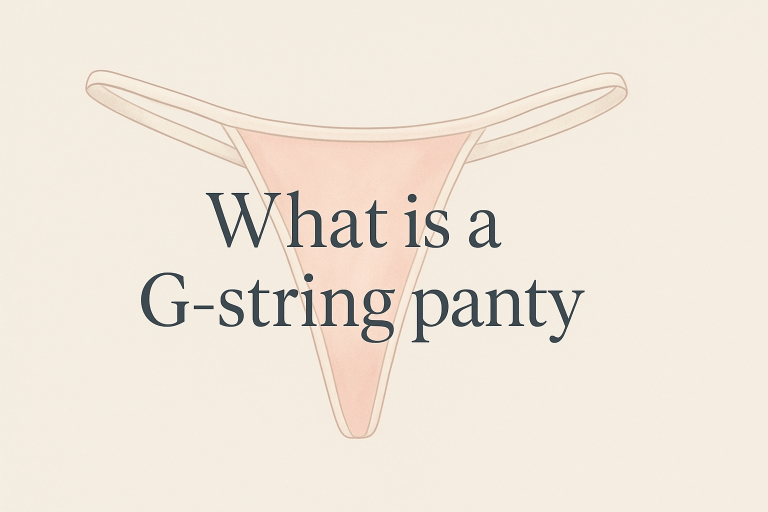
Thong underwear transfers bacteria from the rectal area toward the vaginal opening with normal daily movement because the narrow fabric strip acts as a conduit between the two regions. A study published in Sexually Transmitted Infections found that women who wore thongs daily had higher rates of bacterial vaginosis, a condition that shares many risk factors with vulvovaginal candidiasis.
Thongs also provide no gusset coverage for the vulva, meaning the front fabric panel does not create the moisture-absorbing barrier that full-cut styles provide. Women prone to recurrent yeast infections are advised by the American College of Obstetricians and Gynecologists (ACOG) to limit thong wear and choose styles with a full cotton gusset for everyday use.
Use the table below to compare underwear cuts by their yeast infection risk profile and best-use scenarios.
| Underwear Cut | Vulvar Coverage | Airflow Level | Moisture Risk | Best For |
|---|---|---|---|---|
| Full-coverage brief | Full | High (wide leg openings) | Low with cotton fabric | Everyday wear, yeast infection prevention |
| Boyshort | Full | Moderate | Low with cotton fabric | Active days, inner-thigh friction reduction |
| Hipster panty | Moderate | Moderate | Low to moderate | Everyday casual wear |
| Bikini cut | Moderate | Moderate | Moderate | Warm weather with 100% cotton fabric |
| Thong | Minimal | Low | High (no gusset coverage) | Short-term, special occasion only |
Women with a history of recurrent yeast infections (defined as four or more episodes per year by the CDC) benefit most from full-coverage cuts in 100% cotton as their primary everyday style.
How Underwear Fit Affects Your Yeast Infection Risk
Tight underwear creates sustained pressure and friction against the vulvar skin, which raises local skin temperature and reduces air circulation in the perineal area. Dr. Jennifer Gunter, a board-certified OB/GYN and author of The Vagina Bible, specifically identifies tight-fitting underwear as a mechanical contributor to vulvar irritation that predisposes the area to opportunistic yeast overgrowth.
Signs Your Underwear Fits Too Tightly
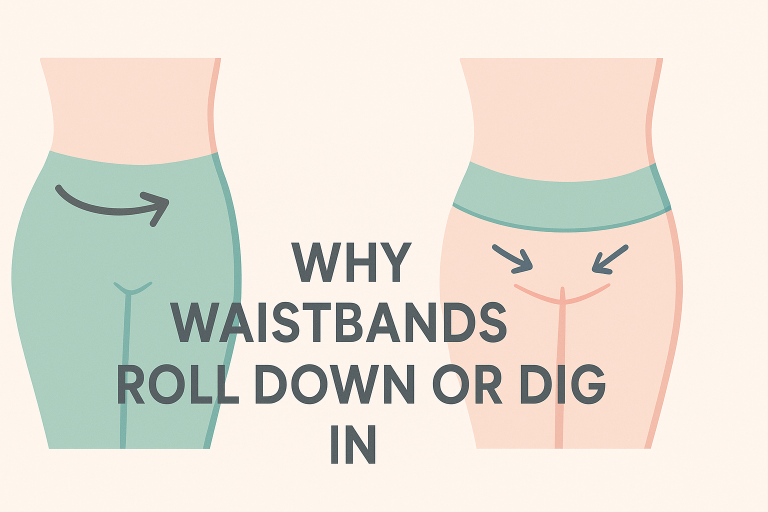
Underwear that leaves visible indentation marks in your skin after removal fits too tightly and has been compressing vulvar tissue throughout the day. The elastic waistband, leg openings, and crotch panel each carry this risk independently.
Specific fit warning signs include:
- Red marks or skin creases along waistband or leg edges after 2-3 hours of wear
- Fabric that pulls taut across the vulvar mound when standing or walking
- A gusset that shifts out of position during normal movement, leaving skin without coverage
- Difficulty sliding a finger under the waistband without effort
- Chafing or soreness in the inner labia area after a full day of wear
How to Find the Right Underwear Size for Yeast Infection Prevention
Panty sizing in the United States is based primarily on hip measurement, not waist measurement, according to manufacturer sizing standards from brands including Hanes, Fruit of the Loom, and Calvin Klein. Measure around the fullest part of your hips while standing with feet together, then match that number to the brand’s specific size chart rather than defaulting to your clothing size.
Sizing up by one size in underwear is a common gynecologist recommendation for women with recurrent yeast infections, since the slightly looser fit improves passive ventilation without changing the style or fabric. The interactive tool below lets you match your hip measurement to your recommended US letter and numeric size instantly.
Sizing Tool
Panty Size Calculator by Hip Measurement
Enter your hip measurement to find your recommended letter and numeric size. Sizing reflects general US standards; always check the specific brand’s size chart.
For yeast infection prevention, consider sizing up one size from your calculated size to improve passive ventilation and reduce compression against vulvar tissue.
Measure around the fullest part of your hips while standing with feet together. Panty sizing is based primarily on hip measurement, not waist measurement.
Getting the right fit is as important as getting the right fabric: a cotton brief that fits too tightly delivers almost none of the moisture-management benefit that loose-fitting cotton provides.
Moisture-Wicking and Antimicrobial Underwear: Do They Actually Help?
Moisture-wicking synthetic underwear marketed for athletic use moves sweat away from the skin surface but does not absorb or eliminate moisture the way cotton does. These fabrics disperse moisture laterally through the fabric structure and rely on evaporation from the outer fabric surface, which is less efficient in the enclosed, low-airflow environment of the vulvar region.
What Moisture-Wicking Fabrics Can and Cannot Do
Moisture-wicking underwear reduces the perception of wetness during high-activity periods, such as workouts lasting 30-60 minutes, by moving sweat to the outer fabric layer where it evaporates faster. The American Academy of Dermatology notes that moisture-wicking athletic fabric performs well during active movement when sweat volume is high and evaporation conditions are favorable.
The limitation is duration. After exercise, moisture-wicking synthetics retain residual moisture in the fabric structure near the skin surface once evaporation slows, which recreates the warm, moist conditions that favor Candida growth. Gynecologists recommend changing out of moisture-wicking athletic underwear within 30 minutes of completing a workout rather than wearing it through a rest-of-day period.
Antimicrobial Silver-Infused Underwear and Yeast Infections
Silver-infused antimicrobial fabrics demonstrate antifungal activity against Candida albicans in laboratory settings, according to a 2019 study published in Textile Research Journal. However, the silver concentration in commercially available antimicrobial underwear is substantially lower than the concentrations tested in laboratory conditions.
No randomized controlled trial has established that silver-infused underwear reduces clinical yeast infection rates in otherwise healthy women. Antimicrobial underwear may serve as a supplemental choice for women with very active lifestyles, but it does not replace a 100% cotton fabric choice for everyday yeast infection prevention.
For workouts specifically, the best strategy is to wear cotton-lined athletic underwear during exercise and change promptly afterward, which removes the post-workout moisture environment entirely rather than trying to manage it through fabric technology.
How Washing Your Underwear Affects Yeast Infection Risk
Residual laundry detergent, fabric softener, and bleach left in underwear fabric after washing directly irritate vulvar skin and disrupt the natural skin barrier, according to the National Eczema Association. A compromised skin barrier allows Candida to colonize more easily because the acid mantle (the skin's natural pH-protective film) is stripped by detergent residue.
The Right Way to Wash Underwear to Prevent Yeast Infections
Use the table below to match your washing concern to the recommended practice for reducing yeast infection risk through laundry habits.
| Washing Variable | Yeast-Safe Practice | What to Avoid | Why It Matters |
|---|---|---|---|
| Detergent type | Fragrance-free, dye-free detergent | Scented detergents, "fresh" formulas | Fragrance chemicals disrupt vulvar skin pH and barrier function |
| Rinse cycle | Double rinse cycle | Single rinse with heavy detergent load | Removes detergent residue that remains after one rinse |
| Fabric softener | Skip entirely for underwear | Liquid softener or dryer sheets on underwear | Softener coats cotton fibers and reduces moisture absorption by up to 30% |
| Water temperature | Warm (104°F / 40°C) or hot (140°F / 60°C) | Cold wash only for reusable period underwear with active infection | Hot water reduces Candida viable cell count on fabric surfaces |
| Bleach use | Skip or use oxygen bleach only | Chlorine bleach on cotton underwear | Chlorine bleach residue is a primary vulvar chemical irritant |
| Drying method | Machine dry on medium heat or air dry in sunlight | Storing damp underwear in a laundry bag | UV light and heat both reduce residual Candida on fabric |
Dr. Cheryl Iglesia, a board-certified urogynecologist at Georgetown University, recommends fragrance-free detergent and skipping fabric softener as the two highest-impact washing habit changes for women with vulvar sensitivity or recurrent yeast infections.
Should You Wash New Underwear Before Wearing It?
New underwear contains manufacturing residues including sizing agents (starch-based fabric stiffeners), formaldehyde-based wrinkle-resistant finishes, and dye fixatives that irritate vulvar skin on first wear. The American Academy of Dermatology recommends washing all new clothing, including underwear, before the first wear to remove these residues.
Wash new cotton underwear once with a fragrance-free detergent on a warm cycle with a double rinse before wearing. A single pre-wear wash removes the majority of surface chemicals without requiring multiple cycles.
Proper washing habits extend the protective benefit of your fabric choice and prevent laundry chemicals from undoing the moisture-management advantage that 100% cotton provides.
Sleeping Without Underwear vs. Wearing Cotton Overnight
Sleeping without underwear allows maximum passive ventilation to the vulvar area for 6-8 hours, which is the longest continuous recovery period available during a 24-hour day. The American College of Obstetricians and Gynecologists acknowledges that nighttime airflow to the vulva supports the natural microbiome balance by reducing the moisture accumulation that occurs under fabric during sleep.
Who Benefits Most from Sleeping Without Underwear
Women with recurrent yeast infections (four or more episodes per year) and women currently completing antifungal treatment benefit most from sleeping without underwear, since the extended ventilation period allows the vulvar environment to reset toward the drier conditions that favor protective Lactobacillus bacteria over Candida.
Women who prefer wearing underwear at night achieve a similar benefit by choosing a loose-fitting 100% cotton sleep underwear style in a size up from their daytime size. The additional looseness creates passive air gaps between fabric and skin throughout the night.
Underwear Choices During Menstruation and Their Yeast Infection Impact
Menstrual blood raises vaginal pH from the normal acidic range (3.8-4.5) toward a more alkaline range (up to 7.4), according to research published in PLOS ONE in 2019. This pH shift temporarily reduces the acidity that protects against Candida overgrowth, making fabric and moisture management more important during menstruation than at other cycle phases.
Period underwear with a cotton inner layer and an absorbent core reduces the need for additional pads or liners, which themselves introduce synthetic materials against the vulvar skin. Heavy-flow period underwear absorbs 1-8 teaspoons of fluid depending on brand and style, allowing fewer changes and less frequent skin contact with saturated materials.
Key Specifications for period underwear for yeast infection prevention:
- Inner layer: 100% cotton or certified OEKO-TEX cotton blend
- Absorbent core: leak-proof without polyurethane laminate contacting skin
- Outer layer: moisture-barrier fabric facing away from skin
- Wash care: rinse cold after each use, machine wash warm, no fabric softener
- Replacement cycle: every 6-12 months with regular use, per manufacturer guidance
Overnight sleep without underwear or in loose cotton styles provides the longest daily ventilation window available, making it one of the most consistent preventive habits for women managing recurrent yeast infections.
Underwear Choices During Pregnancy and Yeast Infection Risk
Pregnancy increases yeast infection risk through three concurrent mechanisms: elevated estrogen levels promote vaginal glycogen production that feeds Candida, immune suppression reduces the body's ability to control fungal colonization, and increased vaginal discharge raises ambient moisture levels around the vulva. The CDC reports that pregnant women are significantly more susceptible to vulvovaginal candidiasis than non-pregnant women of the same age.
Best Underwear Fabric and Cut During Pregnancy
Maternity cotton underwear with a full over-the-bump or under-the-bump panel addresses two pregnancy-specific challenges simultaneously: it accommodates the growing abdomen without waistband compression, and the cotton panel prevents synthetic fabric from sitting directly against the vulvar area during a high-risk period for yeast infections.
Key Specifications for maternity underwear for yeast infection prevention:
- Gusset: 100% cotton, full-panel coverage (not a narrow strip)
- Waistband: non-compressive, soft elastic or fold-over style
- Rise: over-the-bump panel recommended in second and third trimester
- Sizing: size up as pregnancy progresses; compressed waistbands raise local skin temperature
- Wash care: fragrance-free detergent, warm water, no fabric softener
ACOG recommends that pregnant women avoid tight-fitting underwear, thong styles, and synthetic fabrics as part of general vulvovaginal health maintenance throughout all three trimesters, not only after a yeast infection has been diagnosed.
Postpartum Underwear and Yeast Infection Prevention
The postpartum period introduces surgical wound care requirements (for cesarean incisions or perineal repairs) alongside the same hormonal and immune factors that elevated infection risk during pregnancy. Postpartum disposable underwear used in the first 1-2 weeks is typically synthetic, which is a necessary trade-off for sterile wound management.
Transitioning to high-waisted cotton underwear as soon as wound care allows reduces the moisture exposure risk during the weeks when residual hormonal changes continue to suppress immune function. The Cleveland Clinic recommends transitioning to breathable cotton underwear no later than 4-6 weeks postpartum as part of routine perineal recovery care.
Pregnancy and the postpartum period represent the highest-risk windows for yeast infections, making cotton fabric and loose fit more important during these stages than at any other time.
Additional Underwear Habits That Reduce Yeast Infection Frequency
Beyond fabric, cut, and washing method, several daily underwear habits independently affect yeast infection recurrence rates. A 2016 study in the European Journal of Obstetrics and Gynecology and Reproductive Biology identified prolonged underwear wear time and damp underwear exposure as modifiable behavioral risk factors for recurrent vulvovaginal candidiasis.
How Often to Change Your Underwear
Changing underwear every 24 hours is the baseline recommendation from the Cleveland Clinic for general vulvovaginal health. Women who experience significant vaginal discharge, sweat heavily in the perineal area during work or exercise, or are currently managing a yeast infection should change underwear twice daily (morning and after any activity that causes significant moisture buildup).
Never rewear unwashed underwear, including underwear worn for only a few hours, because Candida can survive on cotton fabric surfaces for up to 48 hours at room temperature, according to Mycoses journal research published in 2021.
How Many Pairs of Underwear You Need to Rotate
Rotating a minimum of 7 pairs for a weekly wash cycle and ideally 10-14 pairs prevents the temptation to rewear lightly used underwear or delay laundering. Women in warmer climates or with physically demanding jobs benefit from a 14-pair rotation that supports twice-daily changes without requiring mid-week washing.
Use the table below to find the right rotation size based on your activity level and climate.
| Activity Level | Climate | Recommended Rotation Size | Wash Frequency |
|---|---|---|---|
| Sedentary / office work | Temperate | 7 pairs | Weekly |
| Moderate activity | Temperate | 10 pairs | Weekly, with 1 mid-week change day |
| Active / daily exercise | Any climate | 14 pairs | Twice per week |
| Any activity level | Hot and humid | 14 pairs minimum | Twice per week |
| Pregnancy (second/third trimester) | Any climate | 14 pairs | Twice per week |
A proper rotation also extends individual underwear lifespan by reducing washing frequency per pair, which preserves the cotton fiber integrity that makes the fabric effective at moisture absorption.
When to Replace Your Underwear
Cotton underwear that has been washed more than 50-75 times has lost a measurable portion of its original fiber density and moisture-absorption capacity, based on textile durability data from Cotton Incorporated. Thinning fabric, stretched elastic, and pilling are visible signs that a pair has passed the point of effective moisture management.
Replacing the entire underwear rotation annually is a common gynecologist recommendation for women with recurrent yeast infections, since older elastic waistbands also compress more variably than new elastic, creating unpredictable pressure points against vulvar tissue.
Building a consistent underwear rotation with prompt changes after moisture exposure addresses the behavioral risk factors that underwear fabric alone cannot correct.
The Before and After: What Switching to the Right Underwear Actually Changes
Women who switch from synthetic or lace-primary underwear rotations to 100% cotton full-coverage styles report consistent changes in vulvar comfort and yeast infection frequency within 4-8 weeks, according to patient survey data compiled by the National Vulvodynia Association.
Here is the before/after comparison of what a gynecologist-recommended underwear switch typically changes for women with recurrent yeast infections.
Results
What Changes When You Switch to Gynecologist-Recommended Underwear
Comparing common experiences before and after switching to 100% cotton, properly fitted, fragrance-free-washed underwear. Based on National Vulvodynia Association patient survey data and clinical gynecology recommendations.
Before
- xSynthetic gusset traps moisture against vulvar skin all day
- xTight elastic leaves red marks and restricts air circulation
- xLace fabric causes friction microabrasions on vulvar skin
- xScented detergent residue disrupts vulvar skin pH daily
- xRecurrent yeast infections requiring repeated antifungal treatment
After
- +Cotton gusset absorbs moisture and allows evaporation throughout the day
- +Loose-fitting waistband allows passive air circulation with no skin compression
- +Smooth cotton surface eliminates friction-related skin barrier breakdown
- +Fragrance-free wash preserves natural vulvar pH and acid mantle
- +Reduced yeast infection frequency within 4-8 weeks of consistent change
Underwear fabric and fit changes address the environmental conditions that allow Candida to overgrow, making them a first-line preventive tool alongside any medical treatment.
The switch to properly fitted, 100% cotton underwear washed without fragrance products is one of the few yeast infection prevention measures that costs nothing extra and delivers measurable environmental change to the vulvar microbiome every single day.
Frequently Asked Questions About Preventing Yeast Infections With Underwear Choices
Does wearing no underwear prevent yeast infections?
Going without underwear eliminates all fabric-related moisture and friction from the vulvar area, which removes one of the primary environmental contributors to Candida overgrowth. The American College of Obstetricians and Gynecologists notes that nighttime airflow to the vulva is beneficial for women with recurrent yeast infections. Wearing no underwear during sleep is the most commonly recommended application of this strategy, while daytime situations require individual assessment of comfort, hygiene, and clothing fabric choices.
Can wearing the same underwear two days in a row cause a yeast infection?
Rewearing unwashed underwear reintroduces Candida cells, residual discharge, and accumulated moisture to the vulvar surface, which can contribute to overgrowth conditions. Research published in Mycoses in 2021 confirmed that Candida albicans remains viable on cotton fabric surfaces for up to 48 hours at room temperature. The Cleveland Clinic recommends changing underwear every 24 hours as a baseline, with twice-daily changes during exercise or high-discharge periods.
Is seamless underwear good or bad for yeast infection prevention?
Seamless underwear eliminates the friction points created by sewn seam lines, which reduces vulvar skin irritation. The key variable is fabric, not construction: seamless styles made from synthetic microfiber do not provide the moisture-absorption benefit of cotton, while seamless styles with a 100% cotton gusset combine both benefits. Laser-cut seamless underwear in cotton-blend fabrics with a pure cotton gusset represents the best combination of reduced friction and effective moisture management.
Does the color of underwear affect yeast infection risk?
Deeply dyed underwear fabric, particularly dark colors using reactive dyes, contains higher concentrations of dye chemicals that remain in the fabric after washing and contact vulvar skin. The American Academy of Dermatology identifies textile dyes as a recognized cause of vulvar contact dermatitis, and a disrupted skin barrier from dye irritation can predispose the area to secondary yeast colonization. White or light-colored cotton underwear uses significantly lower dye loads and is the safest choice for women with vulvar sensitivity or recurrent yeast infections.
Can wearing tight jeans over cotton underwear still cause a yeast infection?
Tight outer clothing compresses even properly fitted cotton underwear against vulvar tissue, recreating the heat and reduced-airflow conditions that cotton underwear is designed to prevent. A 2020 study in the Journal of Women's Health identified tight-fitting clothing as an independent risk factor for vulvovaginal candidiasis separate from underwear fabric choice. Wearing loose-fitting trousers or skirts over cotton underwear maximizes the moisture-management benefit of the underwear fabric by allowing passive air circulation through the outer garment layer.
What kind of underwear should I wear during a yeast infection treatment?
During active yeast infection treatment with antifungal cream or suppositories, 100% cotton full-coverage briefs in a loose fit are the only underwear category gynecologists recommend. Synthetic fabric retains antifungal medication residue against skin, which can cause secondary chemical irritation, and tight-fitting styles maintain the warm, moist conditions that antifungal treatment is attempting to reverse. Wearing loose cotton briefs during treatment supports the therapeutic environment that antifungal medications require to be maximally effective.
How long after switching underwear will I notice fewer yeast infections?
Most women who switch from synthetic fabric and tight-fitting styles to properly fitted 100% cotton underwear washed with fragrance-free detergent report a reduction in yeast infection frequency within one full menstrual cycle, approximately 4 weeks. The National Vulvodynia Association's patient survey data shows the full benefit of consistent underwear habit changes accumulates over 8-12 weeks as the vulvar skin barrier repairs from previous irritation and the local microbiome stabilizes. Women with chronic recurrent candidiasis (four or more episodes per year) typically require concurrent medical evaluation alongside underwear changes to achieve lasting relief.
Conclusion
Preventing yeast infections through underwear choices comes down to three decisions made consistently: choose 100% cotton fabric with a full cotton gusset, wear a loose fit that does not compress vulvar tissue, and wash with fragrance-free detergent on a warm cycle with no fabric softener. These three changes directly address the moisture, friction, and chemical irritation factors that allow Candida albicans to overgrow in the vulvar environment. Start by replacing your most-worn synthetic pairs with 100% cotton underwear in a size that leaves passive air circulation room, add a fragrance-free lingerie detergent to your next laundry order, and give the changes 8 weeks to show their full effect on your infection frequency.