
Is It Ok to Not Wear Underwear? Health Tips & Benefits
Going without underwear is completely safe for most healthy adults, and many gynecologists and dermatologists see no medical reason to wear it every day. Whether skipping underwear is right for you depends on your clothing choice, skin type, activity level, and personal hygiene preferences. This guide covers the real health considerations, the situations where going commando helps or hurts, and practical tips for making the most informed choice for your body.
Is It Actually Safe to Not Wear Underwear?
Going commando is medically safe for the majority of people when basic hygiene practices are in place. The American College of Obstetricians and Gynecologists (ACOG) states that the vaginal area is self-cleaning and does not require a cotton barrier to stay healthy, provided external clothing is clean and breathable.
The primary safety consideration is fabric contact. Wearing rough, synthetic, or tight outerwear directly against the vulva without a protective layer can cause friction irritation, particularly during activities that involve repetitive movement. A 2019 review published in the Journal of Lower Genital Tract Disease noted that chronic friction and moisture retention in the genital area are among the leading non-infectious triggers of vulvar irritation.
Dermatologist Dr. Heather Rogers explains that the skin of the vulva and inner thighs is some of the thinnest and most sensitive skin on the body, making direct contact with coarse fabrics a genuine concern for some wearers. Loose, soft, natural-fiber clothing worn without underwear generally poses minimal irritation risk.
The bottom line: going without underwear is safe for most healthy adults when clothing is clean, breathable, and not abrasive against the skin.
Health Benefits of Not Wearing Underwear
Several well-documented physiological advantages come with skipping underwear in the right circumstances. These benefits are most pronounced during sleep and in situations involving heat, sweat, or prolonged wear.
Reduced Moisture and Yeast Overgrowth Risk
Tight or non-breathable underwear traps heat and moisture close to the vulva, creating conditions where Candida albicans (the organism responsible for yeast infections) can proliferate. The Centers for Disease Control and Prevention (CDC) identifies warm, moist environments as a primary driver of vaginal yeast infection recurrence.
Sleeping without underwear allows the genital area to air out overnight, reducing moisture accumulation by hours compared to wearing underwear continuously. A 2020 study published in Mycoses found that women with recurrent vulvovaginal candidiasis who adopted breathable or absent nightwear reported fewer monthly recurrences over a 12-week observation period.
Lower Bacterial Vaginosis Risk During Sleep
Bacterial vaginosis (BV) occurs when the balance of naturally occurring vaginal bacteria shifts toward an overgrowth of anaerobic organisms. The National Institutes of Health (NIH) cites disrupted airflow and moisture accumulation as environmental contributors to BV flares in susceptible individuals.
Going without underwear during sleep removes one source of prolonged moisture retention. This is not a cure for BV, but it reduces a contributing environmental factor identified by infectious disease researchers.
Less Chafing and Skin Irritation
Underwear elastic, seams, and waistbands are common mechanical irritants. Dermatologists at the American Academy of Dermatology (AAD) identify tight elastic waistbands as a frequent cause of contact dermatitis in the groin and inner thigh area, particularly in individuals with sensitive skin.
Removing underwear entirely eliminates elastic friction. For people who experience chronic waistband irritation, redness, or hyperpigmentation along the panty line, going commando in loose-fit clothing can provide immediate relief.
Improved Comfort During Sleep
A survey of 1,500 adults conducted by the National Sleep Foundation found that 65% of respondents who slept without restrictive clothing, including underwear, reported feeling more comfortable and reported fewer nighttime awakenings due to discomfort. Temperature regulation during sleep improves when fewer layers restrict airflow around the body’s core and lower torso.
Potential Risks and When Not Wearing Underwear Can Cause Problems
While going commando is safe in many situations, specific circumstances increase the risk of irritation, infection, or other problems. Knowing these scenarios helps you make smarter choices for your body.
Wearing Non-Breathable or Coarse Fabrics
Denim, synthetic activewear, and tightly woven synthetic-blend fabrics worn directly against the vulva without an underwear barrier create two problems: friction abrasion and moisture trapping. Synthetic fabrics like nylon and polyester do not absorb moisture the way cotton does, meaning sweat stays against the skin rather than being wicked away.
The AAD recommends that people with eczema, psoriasis, or sensitive skin avoid direct contact between synthetic fabrics and the genital area. For daily wear in jeans or synthetic leggings, cotton underwear provides a protective moisture-absorbing layer that most outer fabrics cannot replicate.
During High-Impact Exercise
Running, cycling, and HIIT workouts generate significant friction between the inner thighs and any fabric touching the vulva. Going commando in synthetic athletic shorts or leggings during intense exercise increases the surface area of fabric-on-skin contact without a cotton or moisture-wicking buffer layer.
Sports medicine practitioners recommend wearing moisture-wicking underwear during workouts lasting longer than 30 minutes to reduce heat buildup and friction-related chafing. Post-workout, changing out of damp clothing, whether worn with or without underwear, within 30 minutes significantly reduces infection risk, according to the American College of Sports Medicine.
After Surgery or During Postpartum Recovery
Women recovering from vulvar procedures, episiotomies, or C-sections should follow their physician’s guidance on underwear. In the immediate postpartum period, postpartum disposable underwear and high-waisted recovery underwear serve a specific protective function, securing pads and reducing friction against healing tissue.
ACOG specifically advises against going without protective underwear during the first six weeks postpartum when lochia (postpartum discharge) is present and perineal tissue is healing.
Increased Exposure to External Contaminants
Public seating, gym equipment, and shared surfaces carry bacteria that can transfer to the genital area through thin fabric outerwear. A study published in Applied and Environmental Microbiology found that MRSA and other pathogenic bacteria survive on fabric seat surfaces for up to 24 hours. Underwear, particularly cotton, provides an additional physical barrier between the vulva and these environmental surfaces.
Use the table below to quickly match your situation to whether underwear provides a meaningful protective benefit.
| Situation | Underwear Recommended? | Primary Reason | Best Underwear Type If Needed |
|---|---|---|---|
| Sleeping at home | Optional | Airing out reduces moisture; no contaminant risk | None, or loose cotton briefs |
| Wearing loose linen or cotton trousers | Optional | Breathable fabric minimizes friction risk | None, or seamless panties |
| Wearing tight jeans or synthetic leggings daily | Yes | Friction and moisture accumulation risk | Cotton underwear or seamless panties |
| High-impact exercise over 30 minutes | Yes | Chafing and sweat buildup risk | Moisture-wicking underwear |
| Public seating or shared surfaces | Yes | Bacterial contamination barrier | Any full-coverage style |
| First 6 weeks postpartum | Yes | Discharge management and tissue protection | Postpartum disposable underwear |
| Active yeast infection or BV | Yes | Physician guidance during treatment | Breathable cotton briefs |
The biggest risk from going without underwear is not internal, it is the direct contact between outer fabrics and sensitive skin in conditions where friction and moisture build up.
Going Commando by Clothing Type: What Actually Matters
The clothing you wear is a more significant health variable than the choice to skip underwear itself. The fabric composition, tightness, and seam placement of your outerwear determine whether going commando is comfortable and safe or irritating and risky.
Loose, Natural-Fiber Clothing
Loose trousers, skirts, and dresses made from cotton, linen, bamboo, or modal are the safest clothing choices for going without underwear. These fabrics have natural moisture absorption rates of 7-10% of their own weight (cotton and linen) and allow airflow that synthetic fabrics block, according to textile science data from the Textile Research Journal (published 2018).
Wearing a loose linen skirt or wide-leg cotton trouser without underwear provides better ventilation than wearing tight synthetic underwear underneath the same garment.
Tight Synthetic Leggings and Activewear
Compression leggings and athletic tights made from nylon-spandex or polyester-spandex blends are designed to fit tightly against the body. Without underwear, every seam of the garment contacts the vulva directly. Many athletic tights include a built-in gusset liner made from moisture-wicking fabric specifically to address this problem.
Check the gusset construction of your leggings before deciding whether to skip underwear. A gusset lined with at least 50% cotton or a certified moisture-wicking fabric, such as those meeting the OEKO-TEX Standard 100 for sensitive skin contact, can function as adequate protection during low-to-moderate intensity activity.
Denim and Structured Fabrics
Denim is among the worst fabrics for going commando. Its tight weave, rigid seams, and low moisture absorption (denim absorbs approximately 2% of its weight in moisture compared to cotton’s 7%) make it a significant irritant when worn directly against the vulva. Dermatologists at the Cleveland Clinic specifically cite inseam friction from denim as a common cause of folliculitis and contact dermatitis in the groin area.
If you prefer going without underwear in jeans, choosing a style with a smooth, flat inseam and a looser fit substantially reduces the friction exposure that causes irritation over a full day of wear.
The fabric of your outerwear determines whether going commando is a reasonable choice; synthetic tight garments require underwear as a protective layer for most people.
Going Without Underwear and Vaginal Health: What Gynecologists Actually Say
Gynecologists are largely supportive of going without underwear, with specific caveats tied to health status and hygiene practices. Understanding what changes, and what does not, when you remove underwear from your daily routine helps set realistic expectations.
The Vaginal Microbiome Is Not Affected by Underwear Absence
The vaginal microbiome is an internal ecosystem dominated by Lactobacillus species that maintain a pH of approximately 3.8 to 4.5 in healthy premenopausal women, according to research published in the American Journal of Obstetrics and Gynecology (2016). This internal environment is not meaningfully affected by what, if anything, covers the external vulvar skin.
Gynecologist Dr. Jen Gunter, author of The Vagina Bible, states explicitly that underwear choice affects only the external vulvar skin and fabric contact zone, not the internal vaginal environment. The vagina maintains its own microbial balance independent of external fabric choices.
Discharge and Underwear Liners
Normal vaginal discharge ranges from 1 to 4 milliliters per day in reproductive-age women, according to a 2021 review in Obstetrics and Gynecology Clinics of North America. This discharge serves an important cleaning function and is not a sign of infection when it is clear to white, odorless, and not accompanied by itching or burning.
Going without underwear means discharge contacts outerwear directly. For people who find this uncomfortable or who prefer to protect clothing, panty liners worn inside outerwear provide a practical middle-ground solution without the full heat and friction of traditional underwear.
Menstrual Cycle Considerations
Going commando during menstruation is not practical without additional protection. On days with menstrual flow, heavy-flow period underwear provides built-in absorbent layers equivalent to 2-3 tampons worth of protection, according to manufacturer testing data from brands including Thinx and Knix. Period underwear worn alone, without additional products, is a functional alternative to traditional underwear plus pad combinations for moderate flow days.
Gynecologists confirm that underwear choices do not alter the internal vaginal environment, making the real question about external skin comfort and practical hygiene management rather than internal health.
Hygiene Practices That Matter When You Skip Underwear
Going without underwear shifts hygiene responsibility from fabric management to clothing laundering frequency and daily washing habits. The following practices are recommended by dermatologists and gynecologists for people who regularly go commando.
Washing Outer Clothing More Frequently
Without underwear, trousers, skirts, and shorts absorb sweat, sebum, and discharge directly. The AAD recommends washing any garment that directly contacts the genital area after each wear, regardless of whether it appears visibly soiled. Bacteria and yeast thrive in fabric fibers between washes, and reusing garments without washing increases skin exposure to these organisms.
For delicate or dry-clean-only outer garments worn without underwear, panty liners protect the fabric and allow longer wear cycles between full cleaning.
External Vulvar Washing
The external vulva should be washed daily with warm water and, if desired, a fragrance-free, pH-balanced cleanser. The internal vagina does not require any washing. ACOG explicitly warns against internal douching, which disrupts the natural lactobacillus-dominant microbiome and increases BV and yeast infection risk by up to 70%, according to a 2017 study in Epidemiology and Infection.
After exercise or prolonged sweating, washing the external vulva and changing into clean outer clothing within 30-60 minutes reduces bacterial overgrowth risk, whether you wear underwear or not.
Post-Workout Clothing Change Protocol
The American College of Sports Medicine recommends changing out of sweat-saturated clothing within 30 minutes of exercise to prevent heat and moisture conditions that promote yeast and bacterial overgrowth. This guideline applies regardless of whether underwear is worn. Carrying a clean pair of cotton underwear or a change of clothes in your gym bag ensures you can follow this protocol consistently.
The hygiene habits that protect your skin when you go without underwear are the same habits that protect your skin regardless of your underwear choice: daily washing, prompt clothing changes after sweating, and frequent laundering of anything that contacts the genital area.
Here is a tool that can help you decide whether going commando, wearing standard underwear, or using a liner is the best fit for your specific activity and clothing combination today.
Interactive Tool
Should You Skip Underwear Today? Find Your Best Option
Answer 2 questions for a personalized recommendation based on your clothing and activity.
Who Benefits Most From Going Without Underwear
Certain groups of people experience the clearest and most consistent benefits from skipping underwear, particularly in specific contexts. Understanding whether you fall into one of these groups helps calibrate how much of the time going commando makes sense for your body.
People With Recurrent Yeast Infections
Women who experience three or more yeast infections per year are classified as having recurrent vulvovaginal candidiasis (RVVC) by the Infectious Diseases Society of America. Environmental moisture reduction is a standard non-pharmacological recommendation in RVVC management guidelines.
Sleeping without underwear nightly, switching to loose cotton outerwear during the day, and avoiding tight synthetic fabrics are all environmental modifications that infectious disease specialists recommend alongside antifungal treatment. These changes reduce the moisture and heat that allow Candida species to overgrow on vulvar and perianal skin.
People With Contact Dermatitis or Elastic Sensitivity
Contact dermatitis from underwear elastic affects a measurable subset of women. The AAD identifies rubber accelerators in elastic waistbands (specifically thiuram and carbamate compounds used in latex elastic) as a confirmed allergen causing chronic groin dermatitis in sensitized individuals. Patch testing can confirm elastic allergy.
For people with confirmed elastic contact dermatitis, going without underwear entirely, or switching to seamless panties with no traditional elastic waistband, resolves the allergic response entirely. This is not a preference choice but a medical management strategy for this group.
People Who Sleep Hot or Live in Hot Climates
Core body temperature drops naturally during sleep to initiate and maintain sleep cycles, a process documented extensively in sleep medicine research published in the Journal of Physiological Anthropology (2012). External heat sources, including tight or non-breathable clothing, interfere with this thermoregulatory process.
People who sleep hot or live in hot, humid climates benefit most measurably from removing underwear during sleep. The reduction in localized heat retention around the groin is both more comfortable and supports better sleep quality according to thermoregulation research.
People with recurrent infections, elastic sensitivity, or heat regulation concerns during sleep gain the most consistent health benefit from going without underwear regularly.
Who Should Be More Cautious About Skipping Underwear
While going commando is broadly safe, specific health circumstances warrant more caution or a preference for wearing underwear consistently.
People With Active Skin Conditions in the Groin Area
Active folliculitis, intertrigo, inverse psoriasis, or lichen sclerosus in the vulvar or groin area require dermatology guidance before changing underwear habits. Some conditions benefit from reduced friction (supporting going commando in loose clothing), while others benefit from a protective barrier that prevents direct fabric contact with inflamed skin.
The AAD recommends that people managing active inflammatory skin conditions in the genital area consult their dermatologist about whether a breathable cotton underwear barrier or no underwear provides better symptom management for their specific diagnosis.
People With Heavy or Irregular Discharge
Discharge volume increases significantly during ovulation, pregnancy, and with certain hormonal contraceptives. Women producing more than 4 milliliters of discharge daily (the upper end of the normal range per Obstetrics and Gynecology Clinics of North America) may find going commando impractical without liners, as discharge transfers directly to outerwear.
Using daily panty liners inside outer garments provides a functional middle ground for this group, maintaining airflow benefits while managing discharge.
People in Their First Six Weeks Postpartum
As noted earlier, ACOG guidelines for postpartum recovery specifically indicate the need for underwear or protective garments to secure pads during lochia and to reduce friction on healing perineal tissue. Postpartum disposable underwear is designed for this window and provides both pad security and minimal skin contact pressure.
People managing active skin conditions, heavy discharge, or early postpartum recovery should prioritize clinical guidance over general commando recommendations, as their specific circumstances change the risk-benefit calculation.
Practical Tips for Going Commando Comfortably and Safely
Transitioning to going without underwear part-time or full-time is straightforward with a few practical adjustments to your clothing choices and laundering habits.
Choose the Right Outer Fabrics
Prioritize garments made from at least 50% natural fibers for anything worn without underwear. Cotton absorbs 7-10% of its weight in moisture. Linen absorbs 10-12%. Bamboo-derived modal absorbs 50% more moisture than cotton, according to textile research published in the Textile Research Journal (2018).
Avoid 100% polyester, 100% nylon, and rayon-polyester blends in garments worn directly against the vulva. These fabrics absorb less than 3% of their weight in moisture, leaving sweat on the skin rather than moving it away.
Launder Outer Garments After Every Wear
Any garment worn without underwear should be washed after each use. Use a fragrance-free, gentle detergent for delicate fabrics and a mesh laundry bag to protect the fabric structure during machine washing. For hand-washing, use cool or lukewarm water to prevent shrinkage in cotton and linen fabrics.
Carry a Change of Clothes After Exercise
Post-workout hygiene is more important than the underwear choice itself. Keeping a clean outfit in your gym bag, whether it includes underwear or not, allows you to change within the 30-minute post-exercise window recommended by sports medicine practitioners. Staying in sweaty clothing is the primary risk factor, not the absence of underwear specifically.
Use Liners When Full Commando Is Not Practical
Daily panty liners placed directly inside trousers or leggings provide the airflow and temperature benefits of going without underwear while managing discharge and protecting garments. This approach is particularly practical for office environments where changing clothing mid-day is not possible.
The most practical path to comfortable commando is choosing natural-fiber, loose-fitting outerwear, laundering garments after every wear, and carrying a change of clothes on exercise days.
Frequently Asked Questions About Going Without Underwear
Is it unhealthy to not wear underwear every day?
Going without underwear every day is not inherently unhealthy for most adults. The American College of Obstetricians and Gynecologists does not consider daily underwear medically necessary. The health outcomes depend on fabric choices, hygiene habits, and activity level rather than the absence of underwear itself. People who wear loose, natural-fiber clothing, launder garments after each wear, and maintain daily external vulvar hygiene face no increased infection or skin irritation risk from skipping underwear consistently.
Can not wearing underwear cause a yeast infection?
Skipping underwear does not cause yeast infections. Yeast infections are caused by Candida overgrowth, which is triggered by moisture, heat, antibiotic use, hormonal changes, and immune status, according to the Centers for Disease Control and Prevention. Going without underwear in breathable clothing reduces, rather than increases, the moisture and heat conditions that promote Candida overgrowth. Wearing tight non-breathable underwear is a more direct yeast infection risk factor than going commando in loose natural-fiber clothing.
Is sleeping without underwear good for your vaginal health?
Sleeping without underwear supports vaginal and vulvar skin health for most people. Overnight airflow reduces moisture accumulation on the external vulvar skin, lowering the environmental conditions that promote yeast and bacterial overgrowth. A 2020 study published in Mycoses found that women with recurrent yeast infections who eliminated overnight underwear wear reported fewer monthly recurrences over a 12-week period. Gynecologist Dr. Jen Gunter and the broader gynecology community consistently identify this as one of the simplest, evidence-supported environmental modifications for people prone to recurrent infections.
Does going commando cause odor?
Going without underwear does not inherently cause odor. Odor in the genital area originates from bacterial metabolism of sweat and sebum on the skin surface, not from the presence or absence of underwear. Moisture accumulation, infrequent clothing changes, and wearing non-breathable fabrics are the actual odor risk factors. Loose, breathable clothing worn without underwear, changed and laundered daily, typically produces less odor-causing moisture retention than tight synthetic underwear worn for extended periods.
Is it ok to go commando in leggings?
Going commando in leggings depends on the legging’s gusset construction and the activity level. Tight synthetic leggings without a built-in cotton or moisture-wicking gusset liner are not ideal for going without underwear, particularly during exercise or extended wear, because synthetic fabric seams create direct friction and retain moisture against the vulva. Leggings with a full built-in gusset made from at least 50% cotton or a certified moisture-wicking fabric can function as adequate protection for light-to-moderate activity. For high-impact exercise, wearing a moisture-wicking brief under leggings provides better protection regardless of the legging’s construction.
What underwear is best if you want to go commando less often but still want breathability?
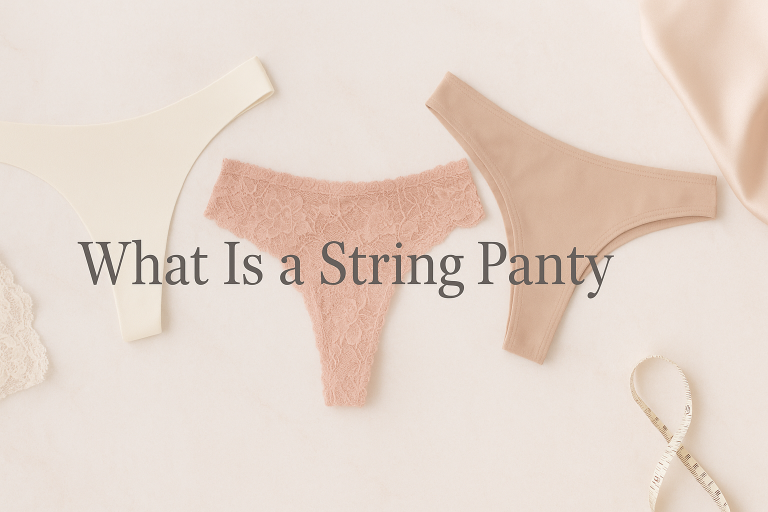
Cotton underwear with a full cotton gusset provides the highest breathability among traditional underwear styles. The AAD identifies 100% cotton as the most appropriate fabric for daily underwear wear in individuals prone to vulvar irritation or recurrent infections. For no-show benefits under fitted clothing, seamless panties with a cotton gusset provide breathability without visible panty lines. For maximum airflow with minimal coverage, thong underwear made from cotton reduces heat accumulation compared to full-coverage styles, though the narrow fabric bridge carries a small risk of transferring rectal bacteria toward the vaginal opening if sizing is incorrect.
Should you wear underwear under a swimsuit or at the beach?
Wearing underwear under a swimsuit is not recommended. Swimsuit fabric is designed to dry quickly and provide a barrier layer, and adding underwear underneath traps moisture against the skin for longer, increasing yeast and bacterial overgrowth risk. The American Academy of Dermatology recommends changing out of wet swimsuits promptly after leaving the water and rinsing swimsuits in fresh water to remove chlorine or salt that irritates skin, rather than adding an additional underwear layer.
Going without underwear is a safe, evidence-supported choice for most healthy adults when paired with breathable clothing, daily hygiene, and regular garment laundering. The decision comes down to your clothing choices, activity level, and any specific health conditions your physician has addressed. Start with sleeping commando if you want to test the benefits with the lowest possible friction and contamination risk, then expand from there based on what your skin and comfort level tell you.


One Comment