What Type Of Panty Is Best For Me? Ultimate Style Guide
The best type of panty for you depends on your body shape, the clothing you wear, and your comfort priorities. Underwear styles range from briefs and bikinis to thongs and boyshorts, and each one serves a different purpose. This guide breaks down every major panty style so you can match the right cut to your body and wardrobe needs.
What the Different Panty Styles Actually Mean
Each panty style is defined by its coverage level, waistband height, and leg cut. Understanding these three factors makes it easier to choose the right pair for any outfit or occasion.
Panty styles fall into four broad coverage categories: full coverage (briefs and high-waist), moderate coverage (bikinis and hipsters), low coverage (thongs and G-strings), and mid-coverage with athletic shaping (boyshorts). Within each category, waistband height varies from low-rise (sitting at or below the hip bone) to high-rise (sitting at or above the natural waist).
Brief Panties
A brief panty provides full seat coverage and a waistband that sits at or above the natural waist. The leg opening is cut straight across the upper thigh, covering the entire hip and lower abdomen.
Briefs are the most supportive everyday option for women who prioritize comfort over minimal visibility under clothing. According to lingerie sizing standards from manufacturers including Hanes and Fruit of the Loom, briefs are sized to provide complete coverage from waist to upper thigh with no exposed skin at the sides.
Full coverage briefs work especially well under looser trousers, maxi skirts, and high-waisted jeans because the waistband stays hidden under the garment’s waistline. A brief panty is the strongest choice for all-day wear, extended sitting, or physical work that requires freedom of movement.
Bikini Panties
A bikini panty sits at the hip bone rather than the natural waist, with moderate rear coverage and side panels that vary from 1 to 2 inches wide. This is the most widely sold panty style in the United States, according to NPD Group retail data on women’s intimate apparel categories.
Bikinis work under most mid-rise pants, jeans, and skirts where a full brief waistband would show. The leg opening falls at the natural crease of the hip, which means less fabric bunching under fitted pants compared to a brief.
Hipster Panties
A hipster panty sits slightly lower than a bikini, resting at the widest part of the hip with a straight-across waistband and full rear coverage. Unlike bikinis, hipsters have a lower-cut waistband paired with more coverage across the seat and sides.
Hipsters are a practical choice for low-rise jeans and pants because the waistband sits below the hip crest, reducing the chance of visible waistband lines. Women with fuller hips often prefer hipsters because the straight, wide side panel distributes fabric evenly across the hip curve without cutting in.
Thong Panties
A thong panty features a full front panel with a narrow strip of fabric at the back that sits between the cheeks, providing no rear coverage. The design eliminates visible panty lines (VPL) under form-fitting clothing.
Thongs are the standard recommendation for fitted pants, bodycon dresses, and leggings where any fabric bunching at the seat would show through. A thong’s front panel still provides full modesty coverage while the minimal back construction disappears under tight fabric.
The American College of Obstetricians and Gynecologists notes that breathable fabric is the most important factor in underwear for vaginal health, regardless of style. Cotton-lined gussets in thongs reduce moisture retention and are available across most major brands.
G-String Panties
A G-string is a more minimal version of the thong, with a narrower front panel and string-width side straps instead of fabric side panels. G-strings provide the least coverage of any panty style and are designed specifically for elimination of visible panty lines under the most form-fitting garments.
G-strings are best reserved for specific outfit needs rather than all-day wear, since the reduced side coverage and minimal construction limits comfort during extended physical activity.
Boyshort Panties
Boyshort panties cover the full seat and extend down the upper thigh to a horizontal leg opening that mirrors the cut of low-rise shorts. The waistband typically sits at or just below the hip bone.
Boyshorts are the strongest choice for sleeping, lounging, and wearing under flared skirts or dresses where thigh coverage prevents chafing. The extended leg coverage also reduces friction between thighs, making boyshorts a preferred style for women who experience inner thigh rubbing.
High-Waist Panties
High-waist panties extend from the hip to above the natural waist, with the waistband sitting between the belly button and the lower rib cage. Full seat coverage is standard across all high-waist styles.
High-waist panties provide light smoothing across the lower abdomen and are frequently worn under tucked-in blouses, high-waisted skirts, and dresses where the waistline needs a clean, flat appearance. Shapewear-lite high-waist panties with compression fabric can reduce visible waistband indentation under fitted garments, though they are distinct from dedicated shapewear compression products.
Choosing the right panty style comes down to matching the cut to your clothing silhouette, and understanding the coverage options above gives you a clear framework for every outfit scenario you face.
How to Choose a Panty Based on Your Body Shape
Body shape influences which panty styles create the most comfortable fit and the smoothest look under clothing. Different cuts distribute fabric differently across the hip, waist, and seat, which means the same style can fit very differently on different body proportions.
Panties for Hourglass Body Shapes
An hourglass body shape features a defined waist with hips and bust measurements that are roughly equal. Women with hourglass proportions typically have a significant difference between their waist and hip measurements, often 10 inches or more.
Bikini and hipster cuts work well for hourglass figures because the side panels sit across the widest hip point without pulling or gapping. High-waist panties can also enhance the waist definition by providing a smooth transition from waist to hip under fitted clothing.
Panties for Pear Body Shapes
A pear shape features hips that are wider than the bust, with fullness concentrated in the lower half of the body. The key fitting challenge for pear shapes is finding side panels wide enough to cross the hip without digging in or creating visible lines.
Hipster panties with wider side bands (1.5 to 2 inches) accommodate fuller hips more comfortably than narrow bikini cuts. Boyshorts also distribute coverage across the full hip and upper thigh without a side panel that could cut into the widest point.
Panties for Apple Body Shapes
An apple body shape carries more fullness in the midsection, with a less defined waist and narrower hips relative to the torso. The key fit consideration for apple shapes is avoiding waistbands that create pressure or visible constriction across the abdomen.
High-waist panties with soft, wide waistbands smooth the abdominal area without cutting in. Bikini cuts with lower, narrower waistbands also minimize pressure on the midsection. Rigid or narrow waistbands should be avoided since they tend to roll down or dig into the softer abdominal tissue.
Panties for Athletic and Straight Body Shapes
An athletic or straight body shape has similar measurements across the bust, waist, and hips with minimal curve differentiation. Most panty styles fit well on this shape since there is less proportional difference between waist and hip to account for.
Thongs and G-strings sit particularly well on athletic shapes under fitted clothing because the straight cut through the hip and seat requires minimal adjustment. Brazilian-cut panties, which offer moderate rear coverage with a slightly elevated seat cut, are also popular for this shape.
Fitting your panty to your actual hip-to-waist difference rather than just your waist size is the single most reliable way to avoid the common problems of gapping, rolling waistbands, and side panel dig-in.
Best Panty Style for Each Type of Outfit
The outfit you are wearing determines which panty style delivers the smoothest, most comfortable fit. Fabric weight, garment cut, and how closely the clothing fits the body all affect which style works best.
Use the table below to match your outfit type to the panty cut that eliminates visible panty lines and provides appropriate coverage.
| Outfit Type | Best Panty Style | Why It Works | Styles to Avoid |
|---|---|---|---|
| Fitted jeans or pants | Thong or seamless bikini | Eliminates rear VPL and seat bunching | Briefs with thick side panels |
| Bodycon dress or skirt | Thong or G-string | Minimal fabric removes all visible lines | Hipsters or boyshorts |
| Flared or A-line skirt | Boyshort or brief | Thigh coverage prevents ride-up and chafing | G-strings (unnecessary under loose fabric) |
| High-waisted pants or skirts | High-waist panty or brief | Waistband stays hidden inside garment waistline | Low-rise bikini (waistband shows) |
| Athletic leggings | Seamless thong or seamless bikini | Smooth fabric construction eliminates texture lines | Any panty with lace edges or seams |
| Loose trousers or culottes | Brief or bikini | Coverage and comfort; VPL not visible under loose fabric | No restrictions |
| Backless dress or swimsuit coverup | Low-rise thong or adhesive thong | Low back construction stays hidden | High-waist styles (waistband shows) |
Seamless construction eliminates the texture lines that standard stitched panties can create under thin or stretchy fabrics, regardless of which style you choose.
Seamless Panties for Smooth Lines Under Any Outfit
Seamless panties are constructed without traditional stitching at the edges, using laser-cut fabric edges or bonded seams that lie completely flat against the skin. This construction eliminates the visible ridge that standard hemmed panties create under fitted or stretchy fabrics.
Seamless panties are available in all cuts, including bikini, thong, hipster, and brief, which means you can choose seamless construction in whatever coverage level fits your outfit needs. Nylon-spandex blends (typically 82-92% nylon, 8-18% spandex) are the most common seamless fabric composition because they provide stretch recovery without visible edge bulk.
Fabric Types and Why They Matter for Everyday Comfort
Panty fabric directly affects breathability, moisture management, durability after washing, and sensitivity for women with skin conditions or allergies. The fabric composition listed on the care label tells you exactly what you are wearing against your skin all day.
Cotton Panties
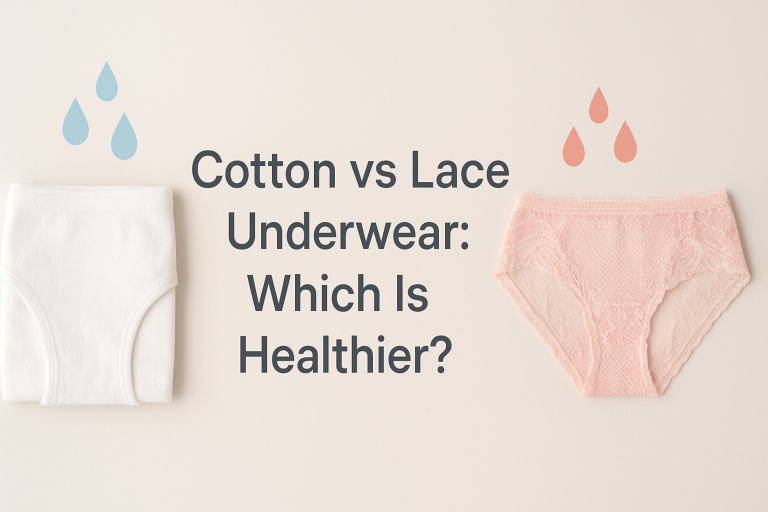
Cotton is the fabric most frequently recommended for everyday underwear by gynecologists and dermatologists because it is breathable, moisture-absorbing, and hypoallergenic. The American College of Obstetricians and Gynecologists specifically recommends cotton-crotch underwear as a baseline standard for vaginal health maintenance.
Cotton panties absorb up to 27 times their weight in moisture, according to textile testing standards, making them the most effective fabric for managing perspiration during sedentary or light-activity wear. Pure cotton does not stretch and recover as effectively as synthetic blends, so most cotton panties include 5-8% elastane or spandex for shape retention.
Key Specifications: Fabric: 95% cotton, 5% elastane (typical). Gusset: 100% cotton lining. Moisture absorption: up to 27x fabric weight. Machine washable. Available in all cuts from brief to thong.
Nylon and Microfiber Panties
Nylon and microfiber fabrics provide a smooth, second-skin feel that makes them the standard choice for seamless panties worn under fitted clothing. Microfiber is a synthetic knit with fibers finer than one denier (thinner than a human hair), which produces a fabric surface that lies flat under thin garments.
Nylon and microfiber panties dry faster than cotton (approximately 2-3 times faster), making them practical for travel and frequent washing. However, these fabrics are less breathable than cotton, so women prone to yeast infections or skin sensitivity should opt for styles with a 100% cotton gusset even if the outer fabric is synthetic.
Lace Panties
Lace panties use openwork woven fabric for decorative coverage, either as a full lace construction or as a lace overlay on a solid fabric base. Full-lace panties with no lining require a careful fit because the textured surface can cause irritation against sensitive skin during extended wear.
Stretch lace with a nylon-spandex base layer (typically 15-25% spandex) conforms to the body without digging and is more comfortable for all-day wear than stiff lace constructions. Lace panties with a sewn-in cotton gusset provide the aesthetic of lace with the hygiene benefit of breathable fabric where it matters most.
Moisture-Wicking Athletic Fabrics
Moisture-wicking panties use polyester or nylon fabrics engineered to pull perspiration away from the skin and push it toward the outer fabric surface where it can evaporate. These fabrics are specifically designed for high-activity use, including running, gym training, cycling, and any extended physical activity.
Moisture-wicking construction does not prevent moisture; it manages it by accelerating the transport and evaporation cycle. Women participating in activities that produce significant perspiration benefit most from this fabric type, and several sports underwear brands including Athleta, Nike, and Under Armour produce dedicated performance panties in this category.
Matching your panty fabric to your activity level is as important as matching the style to your outfit, and the right fabric combination prevents the two most common underwear comfort problems: moisture buildup and skin irritation.
Panty Styles for Specific Needs and Life Stages
Some women need panties designed for specific physical or lifestyle needs beyond everyday comfort. Postpartum recovery, pregnancy, menstruation, and physical activity each have distinct requirements that standard everyday panties may not address.
Panties for Pregnancy
Maternity panties are designed to accommodate a growing belly without waistband pressure or ride-down throughout the day. Two primary styles exist: under-bump panties with a low-rise waistband that sits below the belly, and over-bump panties with a high-stretch panel that extends over the abdomen.
Maternity underwear with over-bump panels works best from the second trimester onward, when the belly extends beyond the hip crest and a standard waistband would sit directly on abdominal tissue. The panel fabric in quality maternity panties typically contains 15-30% spandex to accommodate size changes across all three trimesters without replacement.
The American Pregnancy Association recommends breathable cotton-based fabrics during pregnancy because hormonal changes increase vaginal discharge and perspiration, making moisture management more important than usual.
Panties for Postpartum Recovery
Postpartum panties are designed to be worn in the days and weeks following delivery, accommodating both vaginal and cesarean recovery needs. High-waist mesh underwear (similar to what hospitals provide) is the most frequently recommended style for the first 2-4 weeks postpartum because it sits above incision sites, holds postpartum pads securely, and stretches to fit postdelivery swelling.
Disposable postpartum panties are available for the first days after delivery, while reusable high-waist stretch cotton panties work for the longer recovery period. Women recovering from cesarean sections specifically benefit from waistbands that sit at least 1-2 inches above the incision line to prevent fabric pressure on the healing wound.
Period Panties
Period panties are underwear constructed with an integrated multi-layer absorbent gusset that holds between 1 and 5 teaspoons of fluid depending on the product’s absorbency level. The gusset typically consists of a moisture-wicking top layer, an absorbent middle layer (often made from bamboo or cotton terry), and a leakproof outer layer.
Period panties are available in brief, bikini, hipster, and boyshort cuts, and brands including Thinx, Knix, and Saalt produce products verified through independent absorbency testing. Light-flow period panties replace a single panty liner. Heavy-flow styles replace 1-2 tampons or a menstrual cup for up to 8 hours of wear.
Panties for Physical Activity and Sports
Athletic underwear requires a combination of moisture management, chafe-free construction, and secure fit during movement. The key construction differences from everyday panties are flatlock seams (sewn flat so they do not create ridges against the skin), moisture-wicking fabric, and a supportive waistband that stays in place during bending and movement.
Seamless bikinis and seamless boyshorts are the most popular sports underwear styles because they eliminate seam friction at the inner thigh and leg opening. Women participating in cycling or spinning benefit particularly from boyshorts, which provide thigh coverage that prevents saddle friction.
Matching the right panty to your life stage or specific physical need eliminates the minor daily discomforts that accumulate into significant irritation over weeks and months of wear.
How to Find Your Correct Panty Size
Panty sizing varies significantly across brands, and wearing the wrong size is the most common cause of visible panty lines, waistband rolling, and side panel dig-in. Correct sizing requires a hip measurement combined with a waist measurement, not just a reference to your clothing size.
How to Measure for Panties
Measuring for the correct panty size requires two measurements: your hip circumference at the fullest point (typically 7-9 inches below the natural waist) and your natural waist circumference (the narrowest point of the torso). Use a flexible measuring tape and measure directly against the skin without pulling the tape tight.
Most US panty brands size by hip measurement, with size Small covering 34-36 inches, Medium covering 37-39 inches, Large covering 40-42 inches, and X-Large covering 43-45 inches. These ranges vary by brand, so the measurement is more reliable than the size label when shopping across different manufacturers.
The following step-by-step guide covers how to take an accurate hip measurement for panty sizing.
Step-by-Step Guide
How to Measure for the Right Panty Size
5 steps. Takes about 3 minutes. Use a flexible measuring tape for accurate results.
Stand in a relaxed, natural posture
Stand straight with feet together and weight evenly distributed. Do not suck in your stomach or tense your hips.
Locate the fullest point of your hips
Run your hand down from your waist until you feel the widest part of your hip and seat. This is typically 7-9 inches below your natural waist.
Wrap the measuring tape around the fullest point
Keep the tape parallel to the floor and snug against the skin without pulling. You should be able to slip one finger under the tape comfortably.
Record the measurement in inches
Note the number where the tape overlaps. Round to the nearest half-inch. This is your hip measurement for panty sizing.
Cross-reference your measurement with the brand’s size chart
Use your hip measurement (not your clothing size) to find your size on the brand’s specific chart. If your measurement falls between two sizes, size up for comfort in briefs and hipsters, or size down for a snugger fit in thongs.
Signs Your Panties Do Not Fit Correctly
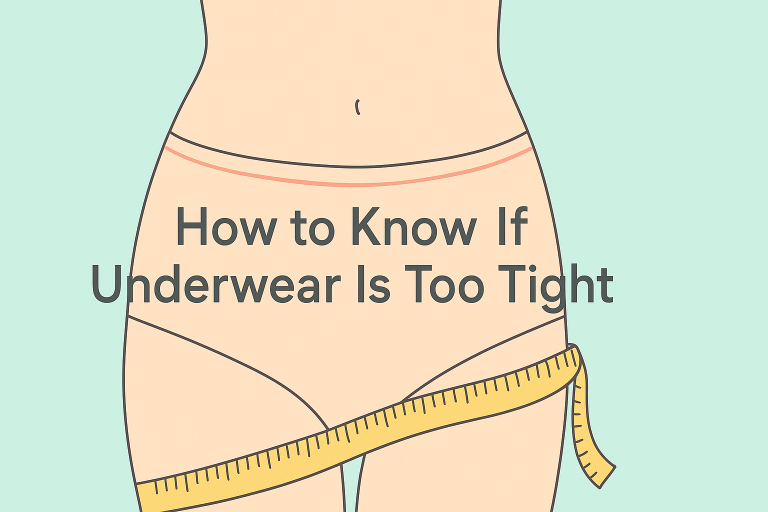
A correctly fitting panty should sit flat against the skin at the waistband, leg openings, and side panels without pulling, rolling, or creating visible indentation lines. Any of the following indicates a sizing or style problem that will not improve with continued wear.
Use the table below to identify what each fit problem means and what adjustment resolves it.
| Fit Problem | Likely Cause | Solution |
|---|---|---|
| Waistband rolls down | Waistband too loose or style too low-rise for body shape | Size down or switch to high-waist style |
| Side panels dig into hip | Too small in hip measurement or side panel too narrow | Size up or switch to hipster or boyshort cut |
| Fabric bunches at seat | Too large in seat coverage or incorrect cut for body shape | Size down or switch to lower-coverage style |
| Leg openings cut into thigh | Leg elastic too tight or style cut too high on thigh | Size up or switch to boyshort with lower leg opening |
| Visible panty lines under clothing | Seamed edges showing through thin or fitted fabric | Switch to seamless construction or thong style |
| Thong rides up or shifts during wear | Too large or waistband too loose to anchor the back strip | Size down one size in the thong style |
Fit problems that persist after one wash are usually sizing or style issues, not break-in problems, and switching to the correct cut or size is the only reliable fix.
Comparing the Most Popular Panty Styles Side by Side
A direct comparison of coverage level, comfort factors, and best use cases helps narrow down which style fits your daily needs most accurately.
Use the table below to compare the most common panty styles across the key factors that affect everyday comfort and wearability.
| Panty Style | Rear Coverage | VPL Risk | Best Outfit Match | Best for Body Type | Comfort for All-Day Wear |
|---|---|---|---|---|---|
| Brief | Full | Moderate (with seams) | Loose trousers, maxi skirts | All body types | Very high |
| Bikini | Moderate-full | Low-moderate | Mid-rise jeans, casual pants | Hourglass, athletic | High |
| Hipster | Full (lower rise) | Low | Low-rise jeans, wide-leg pants | Pear, hourglass | High |
| Thong | Minimal (back strip) | Very low | Fitted pants, bodycon dresses, leggings | Athletic, hourglass | Moderate (personal preference) |
| G-String | None | Lowest | Bodycon, backless, very fitted | Athletic, slim hip | Low (limited daily use) |
| Boyshort | Full plus thigh coverage | Low under loose fabric | Flared skirts, sleep, activewear | Pear, apple, athletic | Very high |
| High-waist | Full | Low under high-waist garments | High-waisted bottoms, fitted blouses | Apple, hourglass | High |
The brief and boyshort styles consistently score highest for all-day comfort, while thong and seamless bikini styles lead for lowest visible panty line risk under fitted clothing.
Building a Practical Everyday Panty Wardrobe
Having the right mix of panty styles means you are never reaching for the wrong cut on a day when your outfit demands something different. A functional underwear wardrobe covers the three core scenarios most women encounter regularly: everyday comfort, fitted outfit wear, and active or athletic use.
Lingerie care experts and brand guidelines from manufacturers including Wacoal and ThirdLove recommend a rotation of 7-14 pairs of underwear as a practical minimum to allow adequate rest time between washes and to prevent elastic degradation from consecutive daily washing.
The Core Three Panty Styles to Own
A practical starting wardrobe of panties covers three style categories that handle the most common outfit and activity needs. Owning at least 3-4 pairs in each category gives you flexibility without excess.
- Everyday comfort (4-5 pairs): Full-coverage briefs or hipsters in cotton or cotton-blend fabric for workdays, casual wear, and any day when fitted clothing is not a priority.
- Fitted outfit wear (3-4 pairs): Seamless thongs or seamless bikinis in microfiber for days when pants, dresses, or skirts require a smooth silhouette with no visible lines.
- Active use (2-3 pairs): Moisture-wicking seamless boyshorts or seamless bikinis for gym wear, running, yoga, and any extended physical activity.
Adding period panties in your preferred style (typically brief or bikini cut for maximum absorbent gusset coverage) and a high-waist style for high-waisted garments completes a wardrobe that covers nearly every scenario.
How Often to Replace Panties
Underwear elastic begins to degrade after approximately 6-12 months of regular wear and washing, depending on fabric quality and care method. Visible signs of elastic wear include waistbands that no longer snap back to shape, side panels that stretch out within an hour of putting them on, and fabric that has thinned noticeably in the seat or gusset.
According to textile care guidelines from the American Cleaning Institute, washing underwear on a warm water cycle (100-110 degrees Fahrenheit) with a gentle detergent and allowing it to air dry rather than using a dryer extends elastic life by 30-50% compared to hot wash and high-heat dry cycles. Using a mesh lingerie wash bag further reduces friction-related fabric wear during machine washing.
The right mix of styles, rotated regularly and cared for properly, means your underwear wardrobe maintains its fit and function for a full year or longer before replacement.
Frequently Asked Questions About What Type of Panty Is Best
What type of underwear do gynecologists recommend?
Gynecologists most commonly recommend cotton or cotton-gusset underwear for everyday wear because cotton is breathable, moisture-absorbing, and less likely to trap warmth and humidity against vaginal tissue. The American College of Obstetricians and Gynecologists (ACOG) specifically advises wearing underwear with a cotton crotch lining as a baseline measure for vaginal health. The cut or style matters less than the fabric composition at the gusset; a thong, brief, or bikini with a 100% cotton gusset all meet this standard.
Are thongs bad for you?
Thongs are not inherently harmful for most healthy women when made with breathable fabrics and worn in the correct size. Research published in journals including the American Journal of Obstetrics and Gynecology has not established a direct causal link between thong wearing and increased bacterial vaginosis or urinary tract infection rates in healthy women. The most important factor is fabric: a thong with a cotton gusset poses no greater hygiene risk than a brief. Women with recurrent UTIs or yeast infections should consult a gynecologist about fabric and style choices, as individual microbiome differences influence risk.
What panty style is most comfortable for all-day wear?
Full-coverage briefs and boyshorts consistently rank as the most comfortable panty styles for all-day wear because they provide the most even fabric distribution with no narrow panels that cut into hip or thigh tissue. Seamless versions of these styles eliminate stitch-line irritation for women with sensitive skin. Cotton-blend fabric (95% cotton, 5% elastane is a common composition) adds stretch recovery to the breathability of natural fiber. Women who spend extended time seated, standing, or walking report the highest comfort with briefs and boyshorts compared to thongs or bikinis.
What is the best underwear to avoid visible panty lines?
Seamless thongs eliminate visible panty lines most completely under any fitted garment because the back construction contains no fabric that can create a ridge under clothing. Seamless bikinis in laser-cut microfiber are the second-best option, providing moderate coverage without any visible seam lines. The key construction factor is laser-cut or bonded edges rather than hemmed stitching; the stitch line of a standard panty edge creates a consistent ridge that shows through thin or stretchy fabric regardless of style. Commando and Hanky Panky produce frequently cited seamless options in both thong and bikini constructions.
What is the difference between a bikini and a hipster panty?
A bikini panty sits at the hip bone with a waistband that curves upward toward the center front and narrower side panels (typically 0.5 to 1 inch wide). A hipster panty sits lower than a bikini, at the widest part of the hip, with a straight-across waistband and wider side panels (typically 1.5 to 2 inches wide) that provide more coverage at the hip. The practical difference is that hipsters fit more comfortably on fuller hip-to-waist ratios because the wider, straight side panel does not cut into curved hip tissue the way a narrower bikini side panel can.
What underwear is best for working out?
Moisture-wicking seamless boyshorts or seamless bikinis in polyester-spandex or nylon-spandex blends are best for physical activity. These fabrics pull sweat away from the skin and dry 2-3 times faster than cotton, reducing friction and skin irritation during sustained movement. Flatlock seams (sewn flat to eliminate raised stitch ridges) are a key construction feature to look for in athletic underwear. Brands including Athleta, Nike, and Under Armour produce dedicated performance underwear lines in these constructions. Cotton underwear worn during high-intensity activity retains moisture against the skin, which increases chafing risk over workouts lasting more than 30 minutes.
Should I size up or down when buying panties from a new brand?
Always use your hip measurement in inches to cross-reference the brand’s specific size chart rather than relying on your clothing size or a size you wear from another brand. Panty sizing is not standardized across manufacturers. A size Medium from one brand may correspond to a 37-inch hip, while another brand’s Medium covers a 36-38-inch range. If your hip measurement falls exactly on a size boundary, size up for briefs, hipsters, and boyshorts (where excess tightness creates dig-in at the hip and seat) and size down for thongs (where excess looseness causes the back strip to shift during wear).
The right panty comes down to three factors working together: your hip measurement, your outfit needs, and your personal comfort preference. Start with your correct hip size, match the cut to your clothing, and choose breathable fabric for everyday wear. Those three decisions resolve most of the common panty fit and comfort problems that come from defaulting to a single style for every situation.