
How to Measure Panty Size for Perfect Fit Every Time
Measuring your panty size correctly takes less than five minutes and requires only a flexible measuring tape. Your panty size is determined by your hip measurement, and getting it right means comfortable underwear that stays in place, fits smoothly under clothing, and does not dig into your skin.
What You Need Before You Start Measuring
A flexible fabric measuring tape is the only tool required to measure panty size accurately. A rigid ruler or household tape measure will not conform to your body’s curves and will produce an inaccurate reading.
Wear thin, form-fitting clothing or measure directly against your bare skin for the most precise result. Thick leggings or jeans add bulk that inflates your measurement by 1 to 2 inches.
Stand in front of a mirror so you can confirm the tape is level all the way around your body. An uneven tape that dips at the back will give you a smaller number than your true hip circumference.
Take your measurement at the end of the day rather than first thing in the morning. Minor bloating throughout the day means an end-of-day measurement reflects the size you will actually need most often when wearing underwear.
Having the right tool and the right conditions before you measure eliminates the most common sources of error and means you only need to measure once.
For a broader look at finding your perfect underwear, see our all-encompassing underwear reference.
How to Measure Your Hip Size for Panties
Your hip circumference, measured at the fullest point of your hips and buttocks, is the single measurement that determines your panty size. The American Association of Textile Chemists and Colorists (AATCC) standardizes this as the primary body measurement for women’s underwear sizing.
Step 1: Find the Fullest Part of Your Hips
Stand with your feet together and locate the widest point of your hips and buttocks. For most women, this sits approximately 7 to 9 inches below the natural waist, according to fit guidelines from the American Society for Testing and Materials (ASTM).
Run your hands down from your waist until you feel the widest curve of your hip bone and the fullest point of your buttocks. This is the point where you will position the measuring tape.
Step 2: Wrap the Tape Around Your Hips
Hold the zero end of the tape at one hip and wrap it around your body, keeping it parallel to the floor on all sides. The tape should sit snugly against your skin without compressing the flesh.
Check in the mirror that the tape is not slanting downward at the back. A slanted tape is the most frequent measuring mistake and produces a reading that is 1 to 3 inches smaller than your actual hip circumference.
Step 3: Read and Record Your Measurement
Note where the tape overlaps at the zero mark. Read the number in inches for US sizing or centimeters for EU and UK sizing charts.
Take the measurement two or three times and use the average if your readings vary slightly. A difference of more than one inch between readings usually means the tape was positioned at a different height on one attempt.
Your recorded hip measurement in inches maps directly to a panty size on the standard US sizing chart, which you will use in the next section to find your size.
US Panty Size Chart by Hip Measurement
Use the table below to find your panty size by matching your hip circumference to the corresponding US letter size and numeric equivalent.
| US Panty Size | Numeric Size | Hip (Inches) | Hip (Centimeters) |
|---|---|---|---|
| XS | 4/5 | 32 to 34 | 81 to 86 |
| S | 5/6 | 34 to 36 | 86 to 91 |
| M | 7 | 36 to 38 | 91 to 97 |
| L | 8 | 38 to 40 | 97 to 102 |
| XL | 9 | 40 to 42 | 102 to 107 |
| 1X / XXL | 10/11 | 42 to 44 | 107 to 112 |
| 2X | 12 | 44 to 46 | 112 to 117 |
| 3X | 14 | 46 to 48 | 117 to 122 |
Size ranges follow ASTM D5585 standard body measurements for women’s apparel. Medium (size 7, hip 36 to 38 inches) is highlighted as the most common US women’s panty size. Always check the specific brand’s size chart, as cut and fabric affect fit across styles.
The medium row covering hip measurements of 36 to 38 inches aligns with the most frequently purchased size across major US underwear retailers. If your measurement falls at the top of a size range, size up for a more comfortable fit, especially in fuller-coverage styles like full-coverage underwear or high-waist underwear.
Should You Also Measure Your Waist for Panties
Most US panty sizing relies on hip measurement alone, but some styles, particularly high-rise and control-top designs, also use waist circumference to determine fit. The ASTM D5585 standard references both hip and waist measurements for full-coverage underwear categories.
When Waist Measurement Matters
High-rise panties, shapewear underwear, and postpartum recovery styles extend well above the hip and apply compression to the waist area. For these styles, your waist measurement ensures the waistband does not fold over or create a pressure band across your abdomen.
Measure your natural waist at the narrowest point of your torso, typically 1 to 2 inches above your belly button. Keep the tape snug but not tight, and exhale normally before reading the number.
When Hip Measurement Is Enough
Bikini-cut, thong, hipster, and brief-style panties that sit at or below the hip bone fit based on hip measurement only. For these styles, the waistband is narrow and flexible enough to accommodate a range of waist sizes within a single hip measurement category.
According to fit guidance from Victoria’s Secret and Hanes sizing guides, the vast majority of mid-rise and low-rise underwear styles size by hip measurement and do not require a separate waist reading. For most everyday underwear shopping, your hip circumference alone is sufficient to find the correct size.
If you wear standard mid-rise or low-rise styles, your hip measurement is all you need, but take a waist measurement too if you plan to buy high-rise, shaping, or postpartum styles.
How Panty Style Affects the Size You Should Buy
Different panty styles distribute fabric differently across the hips and seat, and this directly affects which size fits best for a given hip measurement. A study of consumer fit complaints published by the Textile Research Journal found that style-specific fit issues account for more than 60% of underwear returns among women who purchased the correct numerical size.
Bikini and Hipster Cut Sizing
Bikini underwear sits below the hip bone and uses the least fabric of any full-seat style. Women at the upper end of a size range typically size up in bikini cut, because the lower waistband placement means the hip opening pulls tighter across the fullest part of the seat.
Hipster-cut underwear sits at the hip bone rather than below it and generally fits true to size. The wider waistband distributes stretch more evenly, making hipster styles the most forgiving cut for women whose hip and waist measurements fall in different size ranges.
Brief and High-Rise Sizing
Brief underwear covers the full seat and sits at or above the natural waist. Because briefs extend to the waist, women with a proportionally smaller waist than hip may find that sizing to the hip leaves excess fabric at the waist, while sizing to the waist creates tightness across the hips.
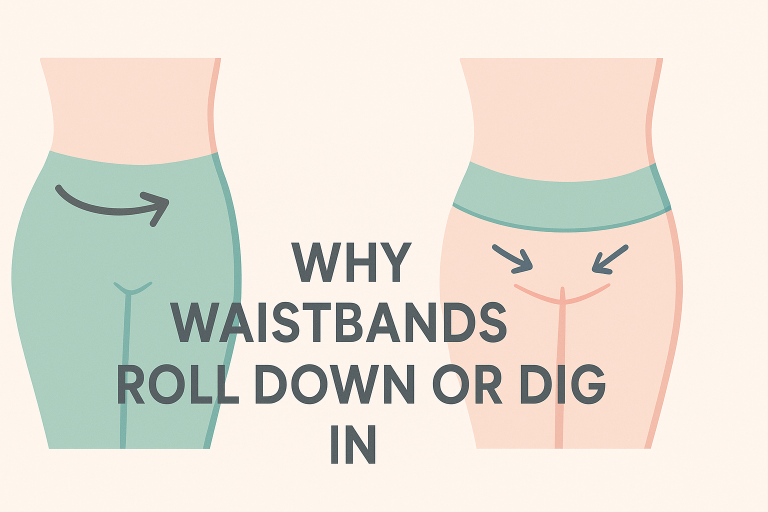
High-rise underwear and high-waisted brief styles follow the same rule: size to the hip measurement and check that the waist opening sits comfortably without rolling. A waistband that rolls down repeatedly indicates the waist opening is too large for your proportions, and sizing down one level may correct this.
Thong and G-String Sizing
Thong underwear and G-string styles rely almost entirely on hip measurement for sizing. The minimal back coverage means the waistband stretch is the primary fit variable, and most brands size thongs identically to their bikini-cut range.
Women who fall between sizes in thong styles should size down rather than up. A thong that is one size too large tends to shift and bunch during wear, while a thong one size too small may create visible waistband indentation but will stay in place more reliably throughout the day.
Knowing which cut you are buying before you check the size chart saves you from the most common sizing mistakes, because each style places its tightest points at different locations on the body.
What to Do If Your Measurement Falls Between Two Sizes
Hip measurements frequently fall at the boundary between two panty sizes, and the right choice depends on the style, fabric, and your personal preference for fit. According to sizing guidance from Fruit of the Loom, approximately 30% of women measure at a size boundary.
Use the table below to decide whether to size up or size down based on your preferred fit and the style you are buying.
| Your Situation | Size Choice | Reason |
|---|---|---|
| Measurement at top of range, full-coverage style | Size up | Prevents pulling across seat and waistband digging in |
| Measurement at bottom of range, minimal style (thong) | Size down | Prevents shifting; minimal styles need closer fit |
| Cotton or non-stretch fabric at size boundary | Size up | Non-stretch fabrics offer no give; comfort requires room |
| Microfiber or stretch lace at size boundary | Either; try smaller first | Stretch fabrics recover well and hold shape at smaller size |
| Prefer a snug, smoothing fit | Stay in current size or size down | Closer fit minimizes fabric bunching under clothing |
| Prefer a relaxed, comfortable fit | Size up | Extra room prevents any pressure points during long wear |
Recommendations based on standard fit guidance from ASTM D5585 and published consumer sizing guides from major US intimate apparel brands.
Fabric stretch is the most important variable when you are at a size boundary, because a 95% cotton style with 5% elastane behaves very differently from a 90% nylon microfiber style at the same measurement.
How to Measure for Plus-Size Panties
Plus-size underwear sizing uses the same hip circumference measurement method, but the size increments are wider and the size labels differ across brands. Standardized extended sizing for women’s underwear begins at size 1X (hip 42 to 44 inches) and continues through size 6X (hip 54 to 56 inches), following ASTM D7878 guidelines for extended-size women’s apparel.
Measure your hips at the fullest point using the same technique described above. Do not estimate based on your dress size or clothing tag, because plus-size underwear sizing does not align with plus-size dress sizing in a consistent ratio across brands.
Many plus-size underwear styles, including plus-size brief underwear and plus-size hipster styles, are cut with additional seat room relative to the waist opening compared to standard sizing. This means a 1X panty from a plus-size specialist brand will typically fit more comfortably through the seat than a size 10/11 standard brief from a brand that simply extends its standard pattern.
For plus-size thong styles, size to your hip measurement and consider going up one size if you experience waistband rolling, because the wider hip-to-waist ratio in plus sizing affects how thong waistbands distribute tension. Plus-size thong underwear cut specifically for extended sizes will fit more accurately than standard thongs sized up.
Always use the hip measurement rather than a pants size or dress size when buying plus-size underwear, because the hip number is the one variable that translates directly across brands.
Common Measuring Mistakes That Lead to the Wrong Size
The most frequent panty sizing errors are measurement errors rather than chart errors. Identifying and correcting these mistakes before you buy prevents the most common fit complaints.
Measuring at the Wrong Location
Measuring at the natural waist instead of the hip fullness point is the single most common panty sizing mistake. The natural waist typically measures 10 to 14 inches smaller than the fullest hip point, which means a waist-based measurement will consistently undersize your panties by two to three size levels.
Position the tape at the widest part of your hips and seat, not at the narrowest part of your torso. When in doubt, take measurements at three different heights, 2 inches above, at, and 2 inches below where you think the fullest point is, and use the largest number.
Pulling the Tape Too Tight
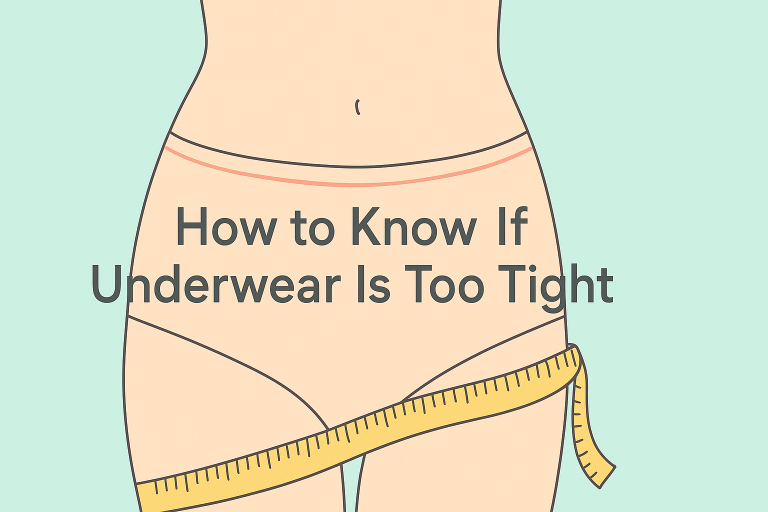
A tape pulled tight enough to compress the tissue will read 1 to 2 inches smaller than your actual circumference. Underwear sized to a compressed measurement will create the same compression when worn, producing the pressure bands and red marks associated with too-small sizing.
The tape should rest against the skin with no gap, but you should be able to slide one finger underneath it without forcing. This is the same fit standard used in professional tailoring for fitting elasticated garments, according to guidance from the Custom Tailors and Designers Association.
Using a Worn or Stretched Measuring Tape
Fabric measuring tapes stretch with repeated use and can add 0.5 to 1.5 inches to your reading over time. A fiberglass or metal-core retractable tape measure maintains accuracy longer than a fabric tape.
To check whether your tape is accurate, measure a known distance, such as a 12-inch ruler or a standard US letter-size sheet of paper (11 inches). If your tape reads differently, replace it before measuring for clothing or underwear.
Avoiding these three mistakes means your measurement will be accurate on the first attempt and you will not need to re-measure after a poorly fitting first purchase.
International Panty Size Conversion Chart
Panty sizing labels differ across the US, UK, Europe, and Australia, even when the underlying hip measurement is identical. Use the table below to convert your US panty size to the equivalent label in other sizing systems.
| Hip (Inches) | US Size | UK Size | EU Size | AU Size |
|---|---|---|---|---|
| 32 to 34 | XS | 6 | 34 | 6 |
| 34 to 36 | S | 8 | 36 | 8 |
| 36 to 38 | M | 10 | 38 | 10 |
| 38 to 40 | L | 12 | 40 | 12 |
| 40 to 42 | XL | 14 | 42 | 14 |
| 42 to 44 | 1X / XXL | 16 | 44 | 16 |
| 44 to 46 | 2X | 18 | 46 | 18 |
Conversions based on sizing reference data from Triumph International and Wacoal fit guides. EU sizes shown are the numeric equivalents used by most European brands. Australian sizing follows UK sizing conventions. Always verify with the individual brand’s size chart before purchasing internationally.
UK and Australian sizes use the same even number scale (6, 8, 10, 12) but these numbers refer to different hip measurements than they do in US dress sizing, so always confirm with the hip circumference column rather than assuming a number-to-number match.
The following step-by-step widget shows the complete panty measuring process in a single visual reference.
Step-by-Step Guide
How to Measure Your Panty Size: Step by Step
6 steps, takes under 5 minutes with a flexible measuring tape
Gather your tool
Use a flexible fabric or fiberglass measuring tape only. Rigid rulers and metal retractable tapes will not conform to your body contour and produce inaccurate readings.
Wear thin clothing or measure bare skin
Remove or replace thick bottoms with thin underwear or fitted leggings. Bulky fabric adds 1 to 2 inches and will push your reading into the next size up.
Locate the fullest point of your hips
Run your hands from your waist downward until you reach the widest curve, typically 7 to 9 inches below the natural waist for most women. This is where the tape must sit, not at the waist.
Wrap the tape level all the way around
Keep the tape parallel to the floor on all sides. Check in a mirror that it does not slant downward at the back. A slanted tape underreads by 1 to 3 inches.
Read the measurement snugly, not tightly
The tape should rest against the skin without compressing flesh. You should be able to slide one finger underneath it. Note the number in inches where the tape meets the zero end.
Match your hip inches to the size chart
Use your recorded inch measurement to find your US letter size in the chart above. If you fall between sizes, size up for full-coverage styles and size down or stay in the smaller size for minimal styles like thongs.
How Often Should You Re-Measure Your Panty Size
Body measurements change due to weight fluctuation, hormonal shifts, pregnancy, and aging, and underwear sized to an outdated measurement is one of the most common causes of daily discomfort. The American College of Obstetricians and Gynecologists notes that women’s body circumferences change measurably during each trimester of pregnancy and again postpartum.
Re-measure your hips whenever your body weight changes by more than 10 pounds in either direction. A 10-pound weight change in a woman with an average hip measurement typically shifts the hip circumference by 1 to 1.5 inches, which moves most women one full panty size in either direction.
Re-measure at the start of each postpartum stage: immediately postpartum, at 6 weeks, and at 6 months, as hip width changes substantially during these intervals. Re-measure again if you notice your current underwear consistently leaving red marks, rolling down, or cutting into your thighs during normal daily activity, because these are fit signals that your measurement has shifted.
Annual re-measuring is sufficient for women whose weight is stable, but re-measuring after any significant body change prevents buying a full set of ill-fitting underwear.
How to Find Your Panty Size Without a Measuring Tape
A flexible measuring tape is always the most accurate option, but three alternative methods can give a reasonable estimate when no tape is available.
Use a Piece of String or Ribbon
Wrap a piece of non-elastic string around the fullest point of your hips, mark where the string meets its starting point with a pen, then lay the string flat against a ruler or yardstick. This method is accurate to within 0.5 inches when the string is held level against the skin.
Any thin, non-stretch cord, shoelace, or ribbon works for this purpose. Avoid elastic cord, which stretches under even light tension and will produce a smaller reading than your actual circumference.
Estimate from a Well-Fitting Pair You Already Own
Check the size tag on a pair of underwear that fits you comfortably with no pulling, rolling, or visible pressure lines. That size label is your current size for that brand and style.
Use the hip measurement range from the size chart above to identify what hip measurement that label corresponds to. This gives you a starting measurement to verify when you next have a tape available, and it works as a reliable shopping reference for the same brand.
Use a Flexible Ruler or Tailor’s Curve
A tailor’s flexible ruler, available at most fabric stores for under $8, functions identically to a measuring tape for body circumference measurements. Wrap it around your hips, mark the overlap point, then read the measurement from the ruler’s scale.
None of these alternatives are as accurate as a proper measuring tape, but each produces a usable estimate that gets you to the correct size range for initial shopping purposes.
You can also explore easy home fitting alternatives with our dedicated walkthrough of tape-free sizing.
Frequently Asked Questions About How to Measure Panty Size
What part of your body do you measure for panty size?
Panty size is determined by measuring the circumference of your hips at their fullest point, which is typically 7 to 9 inches below your natural waist, according to ASTM D5585 sizing standards. This measurement captures the widest part of both the hip bones and the buttocks. Do not measure at the natural waist, the lower abdomen, or the thigh. The hip fullness point is the only measurement used in standard US panty sizing charts.
Is panty size the same as pants size?
Panty size and pants size are not the same and do not convert to each other reliably. US pants sizes use a waist measurement and an inseam length to determine fit. US panty sizes use hip circumference only. A woman who wears a size 12 in jeans may wear a medium, large, or extra-large in underwear depending on her hip-to-waist ratio and the underwear brand’s fit model. Always measure your hips directly when determining panty size rather than estimating from a pants or dress size.
How do you measure panty size in centimeters for European sizing?
Measure your hip circumference at the fullest point using a metric measuring tape or convert your inch measurement by multiplying by 2.54. A 36-inch hip measurement equals 91 centimeters. European underwear sizing uses the centimeter measurement as a direct numeric size label: 91 cm corresponds to EU size 38 in most European brands, including those following the EN 13402 European clothing size standard. Round your centimeter measurement to the nearest even number that matches a size on the brand’s chart if your exact measurement falls between listed sizes.
Does weight affect your panty size?
Weight change directly affects panty size because it changes hip circumference. A 10-pound weight change typically shifts hip circumference by 1 to 1.5 inches, which is enough to move most women one full panty size. According to fit guidance published by the American College of Obstetricians and Gynecologists, hip measurements change substantially during pregnancy, postpartum recovery, and perimenopause due to hormonal effects on fat distribution. Re-measuring after any 10-pound or greater weight change prevents buying underwear in an outdated size.
Why do different brands give different panty sizes for the same measurement?
Different underwear brands use different fit models, ease allowances, and size grading systems, which means the same 37-inch hip measurement may produce a size medium from one brand and a size large from another. The ASTM D5585 standard provides reference body measurements for each size, but brands are not required to follow them exactly. A 2020 consumer analysis by the American Apparel and Footwear Association found up to 3 inches of variation in the hip measurement range assigned to a single size label across mass-market underwear brands. Always check the specific brand’s size chart using your hip measurement in inches rather than relying on your size from a different brand.
Should you measure over or under clothing for panty size?
Measure directly against bare skin or over a single layer of thin, fitted underwear for the most accurate panty size measurement. Thick leggings, jeans, or layered clothing add 1 to 2 inches of bulk that inflates your reading and produces a size that will be too large. The ASTM D5585 measurement standard specifies that body measurements for apparel sizing should be taken against the body with only lightweight foundation garments in place, not over outer clothing.
How do you measure panty size for a thong versus a full-coverage brief?
The hip measurement method is identical for both styles. You measure the fullest point of your hips and match that number to the brand’s size chart. The difference comes in how you handle size boundaries. For thongs, size down if your measurement falls at the top of a range, because a thong that is too large shifts out of position during wear. For full-coverage briefs, size up at a boundary, because tightness across the seat and waist is more noticeable and uncomfortable in higher-coverage styles. The underlying measurement is the same; the sizing decision changes based on the style’s construction.
Measuring your panty size accurately requires only a flexible measuring tape, one correct measurement at the fullest point of your hips, and a few seconds to match that number to a size chart. Take your hip circumference at the right location, keep the tape level, and use the style-specific sizing guidance above to navigate size boundaries. With your measurement recorded, you can shop women’s underwear across any brand or sizing system with confidence, including seamless styles, cotton everyday underwear, and lace underwear, without relying on guesswork or outdated size tags.

3 Comments