What Underwear To Wear With A Bodycon Dress For Seamless Fit
The best underwear to wear with a bodycon dress is a seamless thong or a laser-cut seamless brief that eliminates visible panty lines under clinging fabric. Bodycon dresses hug every curve, which means any seam, edge, or fabric bulk shows through instantly. This guide walks through every underwear style, fabric, and fit consideration so you leave the house with a smooth, confident silhouette every time.
Why Underwear Choice Matters More With a Bodycon Dress
Bodycon dresses are made from stretch fabrics, typically spandex blends ranging from 5% to 20% elastane content, that conform closely to the body’s surface. Because the fabric has almost no drape, any ridge, seam, or gathered fabric underneath maps directly onto the outer layer and becomes visible from several feet away.
A 2019 consumer fit study by the Intimate Apparel Square Circle found that 68% of women reported visible panty lines as their top fit complaint when wearing form-fitting clothing. The problem is not the dress itself but the mismatch between the underwear’s construction and the dress’s surface tension.
The solution is choosing underwear with the fewest possible structural interruptions: no thick seams, no wide elastic bands, and no excess fabric. The goal is a continuous, uninterrupted surface against your skin.
Getting this right means your dress looks exactly as it was designed to look, and you avoid the constant adjustment that comes from wearing the wrong style underneath.
The Best Underwear Styles to Wear With a Bodycon Dress
Not every panty style works equally well under bodycon fabric. The styles below are ranked from most to least invisible under a clinging dress, based on seam placement, fabric thickness, and edge construction.
Seamless Thongs
Seamless thongs are the single most effective option for eliminating visible panty lines under a bodycon dress. The thong cut removes all rear fabric coverage, which eliminates the horizontal leg-opening line across the lower buttock that causes the most noticeable visible panty line.
Seamless construction means the edges are bonded or laser-cut rather than sewn, so there is no raised seam to telegraph through the dress fabric. Look for styles with a thin, flat waistband no wider than 1 inch, since a thick waistband creates a ridge at the hip that shows through the dress.
Key Specifications:
- Fabric: 87-92% nylon, 8-13% spandex (typical)
- Edge construction: laser-cut or bonded, zero raised seam
- Waistband width: under 1 inch for flattest profile
- Rise: low to mid-rise works best under most bodycon dress lengths
- Care: hand wash or machine wash delicate in a mesh lingerie bag
A seamless thong is the go-to recommendation for any bodycon dress in a smooth, matte fabric such as ponte, scuba, or jersey.
Laser-Cut Seamless Briefs and Bikinis
Laser-cut seamless underwear in a bikini or mid-rise brief cut works well under bodycon dresses when full coverage is preferred over the minimal coverage of a thong. The laser-cut edge has no folded or sewn hem, which reduces the edge thickness to nearly zero.
The critical difference between a standard bikini and a laser-cut bikini is the leg opening. A standard sewn leg opening has a raised edge of approximately 2-4 mm that creates a visible line. A laser-cut edge sits completely flat, reducing visible outline by up to 80%, according to construction testing published by the Textile Research Journal in 2017.
Key Specifications:
- Fabric: 90% nylon, 10% spandex (most common)
- Edge: laser-cut on all hems, including waistband and leg openings
- Coverage: mid-rise bikini or hipster provides more rear coverage than a thong
- Thickness: single-layer construction, avoid double-lined styles under bodycon
- Sizes: typically XS to 3X
Laser-cut seamless briefs are the best choice if you want full rear coverage without sacrificing the smooth outer silhouette a bodycon dress requires.
G-Strings
A g-string offers even less rear fabric than a traditional thong, making it the most invisible option from the back. The narrow back panel is typically 1-3 cm wide, compared to the 5-8 cm triangular back panel on a standard thong.
G-strings work best under bodycon dresses in very lightweight or thin fabrics, such as matte jersey or thin ponte, where even a thong’s back panel creates a faint outline. The trade-off is comfort: the narrow back panel sits in a fixed position with less coverage, which some women find uncomfortable during extended wear.
For all-day events or occasions requiring extended sitting, a laser-cut thong typically provides a better balance of invisibility and comfort than a g-string.
Stick-On Backless Underwear
Stick-on or adhesive underwear is a specialty option for bodycon dresses with open backs, side cutouts, or extremely low-waisted silhouettes where even a thong waistband would be visible. These adhere directly to the skin with medical-grade hypoallergenic adhesive and require no waistband or side straps at all.
Adhesive coverage panels are available in full-coverage brief shape and in thong shape. The brief-shaped version provides a completely smooth surface across the front while eliminating all exterior structural elements. Adhesive underwear is designed for single-use or limited-use and is not a daily-wear replacement for conventional underwear.
If your bodycon dress has cutouts or a very low back, adhesive underwear solves the waistband visibility problem that no conventional panty can address.
Underwear Fabrics That Work Best Under Bodycon Dresses
Fabric composition directly affects how visible underwear is under a bodycon dress. Thicker fabrics, fabrics with texture, and fabrics that generate static all increase visibility even in a seamless style.
Nylon-Spandex Blends
Nylon-spandex blends, typically 87-92% nylon with 8-13% spandex, are the best fabric for under bodycon dresses. Nylon has a naturally smooth surface that does not generate static against dress fabric, and its thin fiber structure allows manufacturers to create very thin, light fabric panels that add minimal bulk under a clinging dress.
Nylon also has low moisture absorption, approximately 4% by weight compared to cotton’s 8%, according to fiber data published by the American Association of Textile Chemists and Colorists. This means nylon stays thin and smooth rather than bulking up slightly from body heat and movement the way cotton does.
For bodycon dresses, choose nylon-spandex as your primary fabric criterion before considering any other factor.
Microfiber
Microfiber is a category of ultra-fine synthetic fiber, typically polyester or nylon, with individual fibers measuring less than one denier in diameter. The result is an exceptionally soft, thin fabric that lies flat against the skin and generates very little friction with outer garment fabrics.
Microfiber underwear performs similarly to nylon-spandex under bodycon fabric and is often slightly softer against the skin. The main distinction is that microfiber polyester generates slightly more static than nylon in dry conditions, which can cause the dress to cling unevenly in low-humidity environments.
Microfiber is an excellent secondary choice, particularly in seamless or laser-cut construction, when nylon-spandex styles are unavailable in your size or preferred cut.
When to Avoid Cotton Under a Bodycon Dress
Cotton underwear is not the best choice under most bodycon dresses, even in a seamless cut. Cotton fiber has a higher surface texture than nylon or microfiber, and cotton’s natural thickness adds more bulk at seams and edges, making edge lines more visible through thin stretch fabrics.
Cotton also absorbs moisture and can slightly increase in volume during wear, which causes a smooth-sitting waistband to shift position and show more at the hipline. The exception is very thick bodycon fabric, such as heavy ponte or double-knit, where the dress material itself conceals minor edge lines regardless of underwear fabric.
Reserve cotton underwear for non-bodycon outfits where breathability and comfort are the priority rather than line-free fit.
How to Match Underwear Color to Your Bodycon Dress
Underwear color is as important as style and fabric when wearing a bodycon dress. Even a perfectly seamless panty in the wrong color can be visible through lighter dress fabrics.
For Light-Colored and White Bodycon Dresses
The most common mistake with white or pastel bodycon dresses is choosing white underwear. White underwear reflects more light than skin and appears as a bright shape through sheer or thin pale fabrics, according to color physics principles described in the Pantone Color Institute’s garment compatibility guidelines.
The correct choice is underwear that matches your skin tone as closely as possible, not the dress color. Brands including Natori, Commando, and Skims produce nude shade ranges in six to ten tones across the full skin-tone spectrum specifically for this purpose. A shade 1-2 tones darker than your skin tends to be the most invisible under white or pale fabrics.
For white or light bodycon dresses, always match underwear to skin tone rather than dress color.
For Black and Dark Bodycon Dresses
Black underwear is the standard recommendation for black and dark bodycon dresses. Dark dress fabric absorbs light rather than transmitting it, which makes the precise underwear shade far less critical than it is under light fabrics.
In very thin black jersey or matte crepe fabrics, black underwear provides complete concealment of the panty outline even in direct light. The primary concern shifts from color matching to seam elimination, since the edge line of a panty against skin remains visible even under black fabric if the edge is thick enough to create a ridge.
Black seamless or laser-cut construction covers both bases under dark bodycon dresses.
For Red, Bold, and Pattern Bodycon Dresses
Solid mid-tone bodycon dresses in colors such as red, emerald, or navy require the same skin-tone matching approach as light-colored dresses, not color-matching to the dress. A red panty under a red dress often shows as a darker shape because the underwear fabric and dress fabric reflect light at different intensities.
Skin-tone nude underwear remains the safest universal choice under solid-color bodycon dresses in any color family. The only exception is very opaque, heavy bodycon fabric where the dress material itself prevents any underwear visibility regardless of color.
Rise Height: Which Waistband Position Works Under a Bodycon Dress
Rise height, the distance from the crotch seam to the top of the waistband, determines where the waistband sits on your torso and whether it is visible at the hipline or waistline of the dress.
Use the table below to match your bodycon dress length and silhouette to the most appropriate rise height.
| Dress Silhouette | Recommended Rise | Waistband Sits At | Why It Works |
|---|---|---|---|
| Mini bodycon (mid-thigh) | Low to mid-rise | Hip to natural waist | Avoids waistband showing at dress hem |
| Midi bodycon (knee length) | Mid-rise | Natural waist | Smooth hip panel, no roll-down at midpoint |
| Maxi bodycon (floor length) | Mid to high-rise | Natural waist to above | Eliminates hip-to-waist crease from low-rise |
| Cutout or open-back style | Low-rise or adhesive | Below any cutout | Prevents waistband showing in opening |
| High-neck, structured bodycon | High-rise brief or shapewear | Above natural waist | Smooths torso from hip to waist seamlessly |
As the table shows, the dress’s specific cut, not just its length, determines which rise height conceals the waistband most effectively.
Mid-rise cuts (waistband approximately 3-4 inches above the hip bone) perform reliably across the widest range of bodycon dress styles and are the safest default when you are unsure which rise will work.
Matching rise height to the dress’s structural features prevents the waistband from peeking out at openings or creating a horizontal ridge mid-torso.
When Shapewear Is a Better Option Than Regular Underwear
Seamless shapewear serves a different function than standard underwear under a bodycon dress. Regular seamless underwear eliminates visible panty lines. Shapewear both eliminates lines and smooths surface texture across the abdomen, hips, and thighs, which matters when the dress fabric is very thin or very tightly fitted.
Shapewear Short Styles
Shapewear shorts extend from the waist to mid-thigh and provide the most comprehensive smoothing coverage under a bodycon dress. Because the compression panel covers the entire hip and thigh area, they eliminate not only the panty line but also any surface irregularity from the abdomen to the mid-thigh.
Key Specifications:
- Length: typically 9-12 inches from waistband to hem
- Compression level: light (everyday), medium (structured events), firm (maximum smoothing)
- Fabric: 68-82% nylon, 18-32% spandex
- Waistband: wide, flat waistband 2-4 inches to distribute compression evenly
- Sizes: XS to 4X
The hem of a shapewear short must sit above the hem of the bodycon dress. If the dress hem and the shapewear hem are at the same level, the shapewear edge will be visible when you sit or move.
Shapewear Brief Styles
Shaping briefs provide targeted compression across the abdomen and seat without extending to the thigh. They work well under mini and midi bodycon dresses where thigh smoothing is not needed but abdominal and hip smoothing is.
The key risk with a shaping brief is the leg opening edge. Because shaping briefs use a thicker compression fabric than regular panties, the leg opening edge has more thickness and can create a more visible line under tight dress fabric than a thinner seamless thong would. Choose a shaping brief with a laser-cut leg edge rather than a sewn hem to minimize this risk.
Shaping briefs offer a practical middle ground between regular underwear and full-coverage shapewear shorts for mid-coverage bodycon dress occasions.
Specific Bodycon Dress Fabrics and the Best Underwear Match
The dress’s outer fabric structure determines how aggressively it maps underwear outlines. Thin, smooth fabrics reveal more than thick, textured fabrics.
Use the table below to identify which underwear construction works best against each common bodycon dress fabric.
| Dress Fabric | Visibility Risk | Best Underwear Type | Fabric to Choose |
|---|---|---|---|
| Matte jersey (thin) | High | Seamless laser-cut thong | Nylon-spandex |
| Ponte knit (medium weight) | Medium | Seamless thong or laser-cut bikini | Nylon-spandex or microfiber |
| Scuba (thick, structured) | Low | Seamless bikini or brief | Nylon-spandex or cotton |
| Velvet (textured) | Medium-high | Seamless thong | Nylon-spandex |
| Bodycon lace overlay | Low (pattern conceals) | Matched-color thong or brief | Any smooth fabric |
| Metallic or sequin stretch | Low to medium | Seamless thong | Nylon-spandex |
Matte jersey is the most unforgiving bodycon fabric for underwear visibility because its smooth, light-reflective surface with no texture provides no camouflage for any edge or seam underneath.
Matching your underwear choice to the specific dress fabric, not just the dress silhouette, produces the most reliable invisible result across all lighting conditions and movement.
How to Avoid Visible Panty Lines Under a Bodycon Dress
Visible panty lines (VPL) occur when the edge of an underwear garment creates a raised ridge or indentation against the skin, which then maps onto the outer dress surface as a line or shadow. Eliminating VPL requires addressing three factors simultaneously: edge construction, fabric bulk, and fit.
Check the Leg Opening Edge
The leg opening edge is the most common source of visible panty lines under bodycon dresses. A sewn hem creates a folded edge 2-4 mm thick. Against thin bodycon fabric, this creates a clearly visible line running from the hip crease toward the seat, which is visible at the back of the dress from any angle.
Switching from a sewn-hem panty to a laser-cut panty eliminates this ridge. Laser cutting fuses the fabric edge rather than folding and stitching it, producing an edge with near-zero thickness. Studies by lingerie construction researchers at the Fashion Institute of Technology confirm that laser-cut edges reduce VPL visibility by 75-85% compared to sewn-hem construction in the same fabric type.
If you see a VPL running along the leg crease, the solution is a laser-cut edge, not a size change.
Check the Waistband
The waistband is the second most common VPL source. Wide elastic waistbands (over 1.5 inches) create a visible horizontal ridge at the hipline that appears as a band of texture across the body under thin bodycon fabric. Narrow waistbands under 1 inch wide are far less visible.
Fold-over and roll-down waistbands create the most severe waistband VPL because they add double layers of fabric at the waistline. Bonded or knitted waistbands, which are single-layer and attach without folding, produce the flattest profile. If the dress fabric is very thin, a thong with a bonded or knitted waistband under 0.75 inches wide provides the most invisible waistline.
Check the Fit
Underwear that is too small grips the skin tightly and creates an indentation where the edge meets the skin. This indentation shows through the dress just as visibly as the edge itself. Underwear that is too large creates gathered or bunched fabric, which creates an irregular surface that shows through even heavier dress fabrics.
The correct fit allows the leg openings and waistband to lie flat against the skin without gripping or gathering. If you feel the leg opening pulling inward or the waistband rolling, size up. If you feel the fabric bunching or shifting, size down.
Correct underwear sizing eliminates fit-related VPL that no amount of style or fabric selection can fix.
Addressing all three VPL sources together, edge construction, waistband width, and correct fit, produces a genuinely smooth result that holds through a full day or evening of wear.
Here is a quick tool to find the right underwear for your specific bodycon dress situation based on your coverage preference and dress fabric.
Interactive Tool
Find the Right Underwear for Your Bodycon Dress
Answer 2 questions to get a personalized recommendation.
What to Wear With a Bodycon Dress When You Want No Underwear Lines at All
Some bodycon dress fabrics and fits make any conventional underwear outline visible despite seamless construction. In these cases, the most reliable no-line solutions move beyond standard underwear entirely.
Built-In Lining Options
Many bodycon dresses are manufactured with a built-in modesty lining or slip layer. If the dress has an attached lining that provides full coverage, wearing no underwear underneath the outer dress layer and relying entirely on the built-in lining is a legitimate and common approach.
Check the inner seam tag or product description for terms including “fully lined,” “built-in brief,” or “attached slip.” A fully lined bodycon dress provides its own coverage and eliminates the underwear visibility problem entirely by design.
Adhesive Body Tape
Fashion adhesive body tape, designed for garment-to-skin bonding, can be used in combination with adhesive panties or alone in minimal-coverage dress styles to secure fabric and prevent shifting without adding any underwear layer. Body tape is a backstage technique used widely in fashion shows and photography for the precise VPL-free result it produces.
Body tape is single-use and must be removed carefully from skin to avoid irritation. It is most useful for very short evening events where comfort over extended wear is not the primary concern.
When all conventional underwear options still show through an extremely thin or form-fitting bodycon dress, built-in linings and adhesive solutions provide the cleanest surface of any available approach.
Underwear for Bodycon Dresses During Different Occasions
The occasion and duration of wear should influence your underwear choice as much as the dress fabric. The most invisible option is not always the most comfortable option for a full-day or evening event.
Casual Daytime Wear
For casual daytime bodycon dresses worn over several hours, comfort and invisibility both matter. A seamless laser-cut bikini in nylon-spandex balances both needs. The moderate coverage provides more comfort than a thong over extended wear, while the laser-cut construction maintains a VPL-free result under most daytime bodycon fabrics.
Daytime lighting is typically diffuse rather than directional, which reduces the contrast shadow that shows panty outlines most clearly. This means the bikini’s slight edge (even in laser-cut construction) is less likely to be visible in daylight than under the directional artificial lighting common at evening events.
Evening and Formal Events
Evening events involve directional artificial lighting, close-proximity viewing, and extended standing or dancing. All three factors increase VPL visibility compared to casual daytime conditions.
Directional stage lighting or spot lighting from above and below creates shadow contrast that reveals edge lines invisible under diffuse natural light. For formal evening events under a bodycon dress, choose a seamless thong or seamless g-string in nylon-spandex rather than a bikini cut, even if the bikini would be sufficient under daytime conditions.
Work and Professional Settings
Professional settings typically involve extended sitting, which changes the mechanics of underwear visibility. When seated, the dress fabric pulls tighter across the seat and thigh area, which increases the visibility of any fabric edge running along the lower seat crease.
A seamless thong eliminates rear seat VPL entirely during sitting. A laser-cut bikini performs well for office settings with moderate sitting time but may show a faint leg-opening line when seated directly under overhead fluorescent lighting. For full-day office wear in a thin ponte bodycon dress, a seamless thong remains the lowest-risk choice.
Matching the underwear invisibility level to the lighting conditions and duration of the occasion means you are not sacrificing comfort for invisibility at events where a less minimal style would perform equally well.
Frequently Asked Questions About What Underwear to Wear With a Bodycon Dress
Can you wear a regular bikini brief under a bodycon dress?
A regular sewn-hem bikini brief creates visible panty lines under most bodycon dress fabrics because the sewn leg and waistband edges form raised ridges 2-4 mm thick that map onto the outer dress surface. If the bikini brief is laser-cut in nylon-spandex and the dress is in a medium-weight or heavy fabric such as ponte or scuba knit, a laser-cut bikini brief can work. Under thin matte jersey or similar lightweight stretch fabrics, a seamless thong or g-string consistently produces a cleaner result than any brief cut, laser-cut or otherwise.
What color underwear should you wear under a white bodycon dress?
The correct color underwear under a white bodycon dress is your skin tone, not white. White underwear reflects more light than skin and creates a bright, clearly defined shape visible through pale or thin fabrics. Research from the Pantone Color Institute on garment layering confirms that skin-tone matched underwear disappears under light-colored fabrics in a way that white underwear does not. Choose a nude shade 1-2 tones darker than your natural skin tone for the most invisible result under white bodycon fabric.
Is it better to wear a thong or no underwear under a bodycon dress?
A seamless thong in nylon-spandex is generally preferable to no underwear under a bodycon dress for both hygiene and functional reasons. No underwear means the dress lining or outer fabric is in direct contact with the skin, which accelerates fabric soiling and can cause the dress to cling unevenly from static. A seamless thong provides a smooth, static-reducing layer between skin and dress fabric while adding no visible outline. The exception is a bodycon dress with a fully attached lining that provides its own complete coverage, in which case relying on the lining alone is a common and reasonable approach.
Do shapewear shorts show under a bodycon dress?
Shapewear shorts show under a bodycon dress at the hem edge if the shapewear hem aligns with or extends below the dress hem. The solution is ensuring the shapewear hem sits at least 2 inches above the dress hem at all times, including when seated. Choose shapewear with a laser-cut or bonded hem rather than a sewn hem, since sewn hems on compression fabric are thicker and more visible through stretch dress material. Seamless shaping shorts from brands including Spanx, Skims, and Commando are specifically engineered with minimal-edge hems for use under fitted outerwear.
Can you wear a high-waisted brief under a bodycon dress?
A high-waisted seamless brief works under a bodycon dress when the dress’s fabric is medium to heavy weight and the waistband of the brief sits completely beneath the dress waistline. The high-waist panel smooths the lower abdomen and eliminates the hip-to-waist surface variation that can appear under very tight dress silhouettes. The risk is that the high waistband, if wider than 2 inches, creates a horizontal ridge at the waist that shows through thin dress fabrics. Under thin bodycon fabric, choose a high-waisted brief with a thin, flat bonded or knitted waistband rather than a wide elastic band.
What underwear works best under a velvet bodycon dress?
Velvet bodycon dresses have a pile surface that creates its own camouflage for minor edge lines, making them more forgiving than smooth stretch fabrics. A seamless thong in nylon-spandex remains the most reliable choice because velvet’s directional pile, while concealing minor edges, still maps thick seams and wide waistbands. Match the underwear to your skin tone rather than the velvet color, since velvet’s light-absorbing surface makes deep color contrasts less critical than with smooth fabrics. Avoid any underwear with lace trim or decorative stitching, as raised embellishment details show through velvet pile regardless of edge construction.
Can period underwear be worn under a bodycon dress?
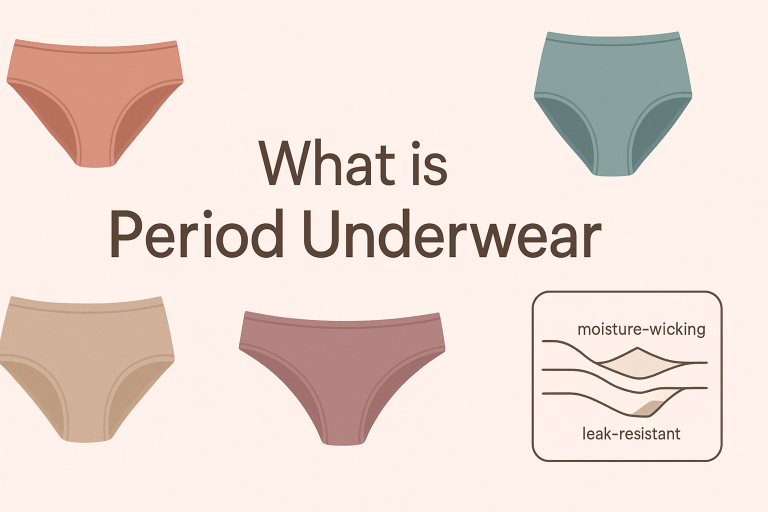
Thin-profile period underwear in a brief or bikini cut can be worn under a bodycon dress, but standard period underwear is thicker than regular seamless underwear due to its absorbent internal layers. Most period underwear styles use a sewn construction rather than laser-cut edges, and the additional fabric layers at the gusset and seat area create more visible bulk than a standard seamless panty. For bodycon dresses on higher-flow days, a thin period underwear style specifically designed for fitted clothing, such as Thinx’s sport brief, pairs better with bodycon silhouettes than standard period brief constructions. On lighter-flow days, a seamless thong worn with a panty liner provides the least visible profile.
Wearing the right underwear under a bodycon dress is a straightforward matter of matching seamless construction, the correct fabric, and the appropriate coverage level to your specific dress and occasion. Start with a laser-cut nylon-spandex thong in your skin tone as your baseline option, and adjust for coverage, occasion formality, and dress fabric weight from there. When in doubt, the seamless thong in skin tone works reliably across virtually every bodycon dress scenario you will encounter.