
How Tight Underwear Affects Health: Fix Pain, Itching & More
Tight underwear can cause real, measurable health problems ranging from skin irritation and yeast infections to nerve compression and reduced circulation. Research published in the Journal of Lower Genital Tract Disease links restrictive undergarment fit to increased rates of vulvovaginal candidiasis. This guide covers every documented health effect, which body systems are most vulnerable, and exactly how to identify whether your current underwear is too tight.
How Tight Underwear Affects Your Skin and Vaginal Health
Tight underwear creates a warm, moist, low-airflow environment against the vulvar skin. According to the American Academy of Dermatology, sustained occlusion of skin raises surface temperature and humidity, both of which accelerate fungal and bacterial growth.
Friction from snug waistbands and leg openings causes mechanical irritation classified as contact dermatitis. A study published in Dermatitis identified tight synthetic undergarments as a common trigger for irritant contact dermatitis in the vulvar region, affecting an estimated 1 in 5 women who present with chronic vulvar itching.
Yeast Infections and Bacterial Vaginosis
Candida albicans, the fungus responsible for most yeast infections, thrives at temperatures above 37 degrees Celsius (98.6 degrees Fahrenheit) with humidity above 70 percent, according to the Centers for Disease Control and Prevention. Tight underwear raises both values simultaneously by trapping heat and moisture against vaginal tissue.
Bacterial vaginosis (BV) follows a similar mechanism. The vaginal microbiome is disrupted when anaerobic bacteria, which grow in low-oxygen conditions, outcompete protective Lactobacillus strains. A 2020 study in PLOS ONE found that women wearing tight, non-breathable undergarments had significantly higher rates of BV recurrence compared to women wearing loose-fitting cotton styles.
Folliculitis and Ingrown Hairs
Tight elastic leg bands and waistbands compress hair follicles along the bikini line and upper thigh crease. This compression blocks the follicle opening and creates conditions for Staphylococcus aureus colonization, the primary bacterial cause of folliculitis, according to the Mayo Clinic.
Repeated mechanical pressure from a tight leg opening, especially in combination with shaving or waxing, raises folliculitis risk by 2 to 3 times compared to properly fitting underwear, based on dermatology case series data.
Switching from tight synthetic styles to loose cotton underwear or breathable cotton briefs with a relaxed leg opening eliminates the primary mechanical and thermal triggers for both conditions.
The single most protective change for vaginal and skin health is moving to a breathable, correctly sized fabric that maintains airflow and reduces friction against delicate tissue.
Circulation Problems Caused by Tight Underwear
Tight waistbands and leg openings physically compress superficial blood vessels and lymphatic channels. The American Society of Lymphology notes that external compression equivalent to that produced by a snug waistband, roughly 20 to 30 mmHg, is sufficient to reduce lymphatic fluid return in the inguinal (groin) region.
Reduced lymphatic drainage in the lower abdomen and upper thigh causes localized swelling, a sensation of heaviness or achiness, and, over time, contributes to chronic tissue inflammation. This is distinct from therapeutic compression, which is applied evenly and calibrated to medical standards.
Numbness and Tingling in the Thighs
Meralgia paresthetica is a nerve compression condition affecting the lateral femoral cutaneous nerve, which runs through the inguinal ligament in the groin. A tight waistband positioned directly over this area reproduces the compression pattern. Research published in Muscle and Nerve identifies tight waistbands as one of the top three non-occupational causes of meralgia paresthetica in women, alongside obesity and pregnancy.
Symptoms include burning, tingling, or numbness along the outer thigh. Symptoms typically resolve within 4 to 6 weeks of removing the compressive garment, according to the Cleveland Clinic.
Swelling and Poor Lymphatic Drainage
The inguinal lymph nodes, located in the groin crease, filter lymphatic fluid from the legs, genitals, and lower abdomen. Tight underwear leg bands and waistbands restrict flow into and out of these nodes. Persistent restriction causes mild but chronic edema in the labia, inner thighs, and lower abdominal skin folds.
Women who stand for extended periods and wear tight underwear simultaneously show the highest rates of inguinal lymphatic congestion symptoms, according to a lymphedema specialist consensus report published by the National Lymphedema Network.
Choosing wide-waistband underwear or seamless soft-waistband underwear eliminates the primary compression point along the inguinal region.
Even mild, repeated compression from a too-tight waistband is enough to impair lymphatic return over weeks or months, making correct fit a genuine circulatory issue, not just a comfort preference.
Digestive and Abdominal Effects of Tight Waistbands
A tight waistband pressing against the lower abdomen compresses the intestines directly. Gastroenterologists at the University of North Carolina identify external abdominal compression as a contributing factor in acid reflux, gas trapping, and delayed gastric emptying when the compression is sustained for two or more hours.
This effect is most pronounced in high-waisted or shaping styles worn during or immediately after eating. The compression increases intra-abdominal pressure, which forces stomach contents upward toward the lower esophageal sphincter.
Bloating and Gas Retention
Normal digestive peristalsis, the wave-like muscle contractions that move gas through the colon, requires the abdominal wall to expand and contract freely. Tight waistbands restrict this movement mechanically. Research from the American College of Gastroenterology links tight-fitting waistbands to increased self-reported bloating in women with irritable bowel syndrome (IBS), with 38 percent of IBS-D (diarrhea-predominant) patients citing waistband pressure as an aggravating factor.
Symptoms typically subside within 30 to 60 minutes of removing or loosening the waistband, confirming the mechanical rather than dietary origin.
Acid Reflux and Heartburn
Intra-abdominal pressure above 12 cmH2O is associated with lower esophageal sphincter relaxation, the mechanism that allows stomach acid to enter the esophagus. A correctly sized waistband produces pressure below 8 cmH2O. A tight waistband on a full stomach can exceed 15 cmH2O, according to manometry data published in Neurogastroenterology and Motility.
Women with pre-existing GERD (gastroesophageal reflux disease) are particularly susceptible. The American Gastroenterological Association recommends loose-fitting waistbands as a first-line behavioral modification alongside dietary changes for managing GERD symptoms.
Switching to low-rise underwear or hipster-cut panties positions the waistband below the abdomen entirely, eliminating abdominal compression without sacrificing coverage.
Waistband compression is an underrecognized contributor to digestive discomfort, and repositioning or resizing the garment often resolves symptoms that women have been attributing to diet alone.
Skin Chafing, Pressure Sores, and Long-Term Tissue Damage
Repeated friction from tight elastic against skin produces a predictable injury sequence. Stage one is erythema (redness). Stage two is superficial skin breakdown. Stage three, with prolonged daily wear, is lichenification, a thickening and hardening of skin at chronic pressure points, documented in the dermatology literature under the term “elastic band dermatitis.”
The inner thigh, waistline, and bikini line are the three most common sites, according to a case series published in Contact Dermatitis involving 214 patients with underwear-related skin injury.
Hyperpigmentation at Pressure Points
Post-inflammatory hyperpigmentation (PIH) develops when repeated friction triggers melanocyte stimulation at the injury site. Dermatologists at the American Academy of Dermatology report that the inner thigh and bikini line are among the top five body areas where PIH presents in women of all skin tones, with mechanical friction from tight underwear listed as a primary non-hormonal cause.
PIH from elastic friction can take 6 to 18 months to fade without treatment, and recurs with continued tight garment wear regardless of any topical lightening treatment applied.
Ingrown Hairs and Cyst Formation
A tight leg band does not merely irritate existing follicles. It actively deflects hair re-growth by compressing the skin surface, causing hairs to curl back into the follicle instead of emerging normally. A 2019 retrospective chart review in the Journal of Dermatological Treatment found that fit correction (switching to a wider leg opening) reduced recurring ingrown hair frequency by 62 percent in study participants within 8 weeks, without any change to hair removal method.
Epidermoid cysts can form at chronically compressed follicle sites if the blocked follicle becomes encapsulated. These require professional drainage or excision and are entirely preventable through correctly sized underwear.
Correctly sized seamless panties with flat or absent elastic at the leg opening eliminate the mechanical friction mechanism responsible for chafing, PIH, and ingrown hair cycles.
underwear-related skin damage is cumulative and preventable, resolving when the compressive garment is replaced before the tissue progresses past the erythema stage.
Urinary Tract Effects of Tight Underwear
Tight underwear does not directly cause urinary tract infections (UTIs). However, it creates the periurethral microenvironment conditions, elevated temperature, reduced airflow, and increased moisture, that allow uropathogenic Escherichia coli (E. coli) to colonize faster on skin near the urethra. The National Institute of Diabetes and Digestive and Kidney Diseases (NIDDK) identifies moisture and warmth near the urethra as established risk-amplification factors for UTI in women.
The urethra’s proximity to the vaginal vestibule and anus means that any condition increasing microbial density in that region raises UTI risk. Tight, non-breathable underwear raises that density by creating favorable survival conditions for pathogens already present on the skin.
Urinary Urgency and Bladder Pressure
High-waisted tight styles worn over the lower abdomen compress the bladder externally. This compression reduces functional bladder capacity and triggers urgency signals before the bladder reaches physiological fullness. Urogynecologists at the Cleveland Clinic confirm that external bladder compression from tight waistbands can reduce perceived functional capacity by 15 to 25 percent, creating a cycle of frequent urgency without increased urine output.
Women with overactive bladder (OAB) are disproportionately affected. Removing external compression is one of the behavioral interventions recommended before pharmaceutical management begins, per American Urogynecologic Society guidelines.
Wearing mid-rise cotton underwear with a relaxed, non-compressive waistband removes the external pressure source without sacrificing everyday coverage or support.
Tight underwear amplifies UTI risk and bladder urgency through two distinct mechanisms, microbial environment and direct bladder compression, both of which are resolved by correct fit and fabric choice.
How to Tell If Your Underwear Is Too Tight
Correctly fitting underwear leaves no visible indentation on skin after 30 minutes of wear. A 2018 consumer fit study conducted by the Textile Research Journal found that 64 percent of women wearing their self-reported correct size showed elastic indentation marks consistent with pressure above 15 mmHg, a level the study classified as clinically relevant compression.
This gap between perceived and actual fit means most women cannot self-assess tightness by size label alone.
Physical Signs of Too-Tight Underwear
The following signs indicate the current fit is exerting harmful pressure. Red or pink lines along the waistband or leg openings that persist for more than 5 minutes after removal indicate compression above the tissue tolerance threshold. Rolling or curling of the waistband inward signals that the garment is smaller than the body it is encircling. Muffin top, visible soft tissue bulging above the waistband, indicates the waistband is constricting rather than sitting. Fabric pulling across the seat or front panel signals insufficient panel width for the hip or seat measurement.
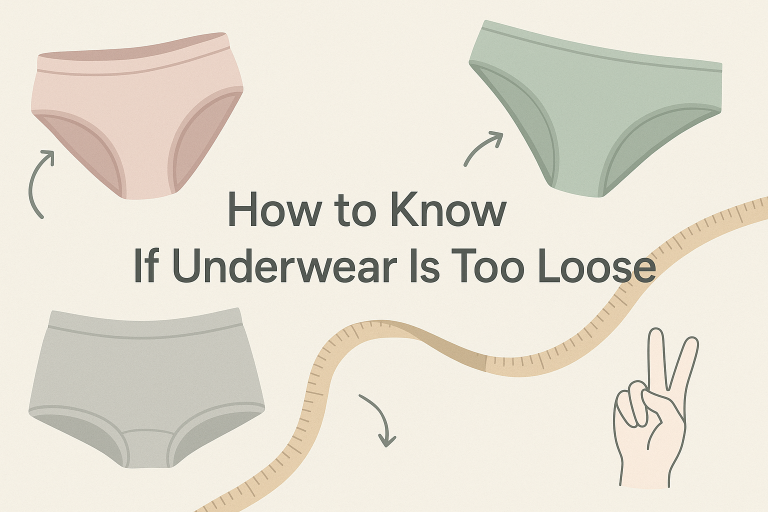
A correctly fitting waistband should lay flat without gaps or indentations. Two fingers should slide underneath the waistband without force.
The Two-Finger Waistband Test
This test is the simplest standardized method for assessing underwear fit. Place the index and middle fingers flat together inside the waistband at the center back. If the fingers cannot slide in without stretching the fabric, the waistband is too tight. If the fingers slide in with significant slack (more than a full finger’s width of looseness), the waistband is too loose. A pass requires the two fingers to fit comfortably with the fabric resting against the back of the fingers without cutting in.
Repeat at the side waistband and at the leg openings. The leg opening test uses one finger only. A garment passes fit assessment only if it passes all three test points simultaneously.
Use the table below to match visible symptoms to their most likely cause and the recommended corrective action.
| Symptom | Most Likely Cause | Recommended Fix |
|---|---|---|
| Red indentation marks after removal | Waistband or leg elastic too small | Size up 1 size; test two-finger clearance |
| Itching or rash along elastic line | Friction-induced contact dermatitis | Switch to seamless or soft elastic; try cotton |
| Numbness or tingling in outer thigh | Lateral femoral cutaneous nerve compression | Lower the waistband below the inguinal line |
| Bloating or reflux after meals | Abdominal compression from high-waisted band | Switch to low-rise or mid-rise style |
| Frequent yeast infections or BV | Heat and moisture trapping in synthetic fabric | Switch to 100% cotton gusset; avoid nylon next to skin |
| Recurring folliculitis at bikini line | Tight leg band compressing follicles | Choose a wider leg opening or boyshort style |
| Urinary urgency without full bladder | External bladder compression from waistband | Size up; avoid high-waisted styles over the bladder |
As the table shows, most tight-underwear symptoms point to one of two corrective actions, sizing up or switching fabric and cut, and the correct action depends on where on the body the symptom appears.
Here is a reference tool to check whether your hip measurement corresponds to your current size, helping you confirm whether sizing up is genuinely warranted.
Sizing Tool
Panty Fit Check by Hip Measurement
Enter your hip measurement to see your recommended size. If your current label is smaller, your underwear is likely too tight.
If your current underwear label shows a smaller size than what appears above, that garment is likely producing the compression effects described in this article.
Measure around the fullest part of your hips while standing with feet together. Panty sizing is based primarily on hip measurement. Always cross-check with your specific brand’s size chart, since stretch and cut vary by style.
two-finger test and hip measurement check together give you an objective, symptom-free confirmation of whether your current size is creating the compression that drives the health effects in this article.
The Best Underwear Styles and Fabrics for Health-Conscious Wear
Fabric and cut together determine how much heat, moisture, and friction a garment generates against the skin. The American College of Obstetricians and Gynecologists (ACOG) recommends cotton underwear with a cotton gusset as the default choice for women concerned about vulvovaginal health, citing cotton's superior moisture absorption and airflow properties compared to synthetic fabrics.
Fabric choice matters at least as much as size when it comes to preventing the health effects described in earlier sections.
Cotton vs Synthetic Fabric Health Comparison
Cotton absorbs up to 27 times its weight in moisture and allows air to circulate through its woven structure. Synthetic fabrics such as nylon and polyester absorb less than 1 percent of their weight in moisture, trapping sweat against skin and raising local temperature by an average of 1.5 to 2.0 degrees Celsius compared to cotton, according to textile testing data published in the Journal of the Textile Institute.
This temperature and humidity difference is biologically significant. A 2-degree rise in surface temperature accelerates Candida doubling time from approximately 90 minutes to 60 minutes, according to microbiology research from the University of Texas.
Use the table below to compare cotton, nylon, and modal underwear fabrics across the health-relevant properties most important for daily wear.
| Property | 100% Cotton | Nylon or Polyester | Modal or Bamboo |
|---|---|---|---|
| Moisture absorption | High (up to 27x weight) | Very low (less than 1%) | High (50% more than cotton) |
| Breathability | Excellent | Poor | Very good |
| Temperature regulation | Keeps skin cooler | Traps heat | Keeps skin cooler |
| Friction on skin | Low (soft weave) | Moderate to high (smooth but non-absorbent) | Very low (ultra-soft) |
| Yeast infection risk factor | Low | High | Low |
| Recommended by ACOG | Yes | No | Yes (as alternative) |
| Best for | Everyday wear, prone to infections | Occasional wear, low-moisture activities | Sensitive skin, hot climates |
As the table shows, cotton and modal both significantly outperform nylon and polyester on every health-relevant metric, making either a sound daily choice while synthetics are best reserved for occasional or short-duration use.
Cut and Rise Height Considerations
Cut determines where elastic contacts the body, which directly maps to the health risks described throughout this article. A high-waisted cut positions the waistband over the stomach and bladder. A mid-rise cut sits at or just below the navel, avoiding gastric compression while still providing coverage. A low-rise or hipster cut positions the waistband at the hip bones, entirely below the inguinal lymph nodes and bladder.
For women with recurring digestive symptoms or bladder urgency, a low-rise or hipster style is the most protective structural choice. For women with recurring skin or vaginal issues, the fabric and leg opening width matter more than rise height.
Cotton bikini underwear provides a mid-rise position with a relaxed leg opening. Cotton boyshorts offer the widest leg coverage with no narrow elastic band at the inner thigh. Modal underwear in a hipster cut combines the low-rise benefit with ultra-soft, moisture-wicking fabric for women with sensitive skin.
Matching cut to the specific body area where symptoms are occurring, rather than defaulting to a single style for all occasions, is the most targeted approach to preventing underwear-related health problems.
Tight Underwear During Pregnancy and Postpartum Recovery
Pregnancy amplifies every health risk associated with tight underwear because blood volume increases by up to 50 percent, lymphatic demand rises, and the growing uterus already compresses pelvic structures from the inside. The American Pregnancy Association recommends switching to maternity underwear by the end of the first trimester to prevent the external compression layer from adding to internal pelvic pressure.
Tight underwear during pregnancy poses specific risks that are absent outside of pregnancy, making fit correction during this period more clinically urgent than at other life stages.
Pelvic Pressure and Round Ligament Discomfort
The round ligaments connect the uterus to the groin and stretch significantly from weeks 14 through 28. A tight waistband positioned over the lower abdomen compresses the abdominal wall where these ligaments attach, intensifying the already common round ligament pain. Maternal-fetal medicine specialists at the Mayo Clinic note that external compression from tight waistbands can mimic and exacerbate round ligament pain, delaying accurate diagnosis of other pelvic conditions.
Switching to an over-bump maternity style or a belly-band design redistributes support without compressing the ligament attachment points.
Postpartum Healing and Incision Sites
After vaginal delivery, the perineal tissue is typically edematous (swollen) and bruised for 2 to 6 weeks, according to ACOG postpartum care guidelines. Tight underwear elastic pressing against a healing episiotomy or perineal tear reopens microscopic skin wounds and dramatically slows re-epithelialization. After cesarean delivery, the incision sits at or below the typical waistband line, making waistband contact with the wound a direct infection risk.
ACOG recommends high-waisted, loose postpartum underwear or disposable postpartum underwear for the first 4 to 6 weeks after both vaginal and cesarean births, ensuring zero elastic contact with either wound site.
Postpartum disposable underwear is the safest immediate choice after delivery. Maternity underwear with a soft, non-binding over-bump panel supports the abdomen without compressing it. High-waisted recovery underwear designed for cesarean recovery sits above the incision line to prevent any elastic contact with the wound.
Pregnancy and postpartum are the two periods of greatest vulnerability to tight-underwear health effects, and the corrective action is straightforward: replace standard-sized underwear with properly fitted maternity or recovery styles before symptoms develop rather than after.
How to Switch to Healthier Underwear Without Guessing Your Size
Measuring hip circumference is the only reliable starting point for finding correctly sized underwear. Size labels vary significantly between brands. A study published in the International Journal of Fashion Design, Technology and Education found that the same measured hip circumference corresponded to a size S in one brand and a size L in another within the same price tier, confirming that label sizes alone are unreliable for health-protective fit.
Measuring rather than guessing is the single most impactful step toward eliminating tight-underwear health effects.
How to Measure Your Hip Circumference Correctly
Stand with feet together and wrap a flexible measuring tape around the fullest part of your hips, typically 7 to 9 inches below the natural waist. The tape should be level, parallel to the floor, and snug without pressing into the skin. Take three measurements and use the largest of the three, as body position and breath cycle create small variations.
Hip measurement is the primary sizing variable for underwear. Waist measurement is secondary and becomes relevant only for high-waisted or shaping styles.
Sizing Up Without Losing Fit Quality
Many women resist sizing up because they associate a larger size label with poorer fit or aesthetics. This is the primary psychological barrier identified in the Textile Research Journal fit study, cited earlier, in which 64 percent of women were wearing compressive sizes. The correct framing is functional: a size that passes the two-finger test and leaves no skin marks after 30 minutes is the correct size, regardless of the number printed on the label.
When trying a new size, wear the garment for 30 minutes before making a final judgment. Indentation marks that appear immediately and fade within 5 minutes are normal. Marks that persist beyond 10 to 15 minutes indicate the size is still too small.
Use the table below to match your hip measurement to the recommended US size range and identify whether your current label is likely producing compression-related health effects.
| Hip Measurement (inches) | Recommended US Letter Size | Recommended US Numeric Size | Health Risk if Wearing Smaller |
|---|---|---|---|
| 34 to 35 | XS | 4 to 6 | Nerve and lymphatic compression |
| 36 to 37 | S | 7 to 8 | Folliculitis, contact dermatitis |
| 38 to 39 | M | 9 to 10 | Yeast infection risk elevation |
| 40 to 42 | L | 11 to 12 | Bladder urgency, bloating |
| 43 to 45 | XL | 13 to 14 | Circulatory restriction, edema |
| 46 to 48 | 1X | 15 to 16 | Skin breakdown at pressure points |
| 49 to 50+ | 2X | 17 to 18 | All compression effects amplified |
Once you identify your correct size range, measure your hip before each new brand purchase, since the same hip measurement will require different label sizes across brands, as the research cited above confirms.
The entire process of identifying and correcting a tight fit takes less than five minutes and eliminates the primary driver of every health effect covered in this article.
Frequently Asked Questions About How Tight Underwear Affects Health
Can tight underwear cause a UTI directly?
Tight underwear does not directly inject bacteria into the urinary tract, but it creates the warm, moist periurethral environment that accelerates pathogen colonization near the urethral opening. The NIDDK identifies elevated temperature and humidity near the urethra as established risk-amplification factors for urinary tract infections in women. Switching to breathable cotton underwear in the correct size reduces this environmental risk without addressing existing infections, which always require antibiotic treatment as diagnosed by a physician.
How long does it take for tight-underwear symptoms to resolve after switching sizes?
Resolution time varies by symptom type. Skin indentation marks and numbness from nerve compression typically resolve within 24 to 48 hours of removing the compressive garment. Folliculitis and contact dermatitis take 1 to 3 weeks to clear with the garment removed and appropriate topical care. Yeast infection and BV recurrence reduction requires 4 to 8 weeks of consistent correct-fit and breathable-fabric wear to show a measurable difference in recurrence rate. Post-inflammatory hyperpigmentation from chronic friction takes 6 to 18 months to fade, per American Academy of Dermatology estimates.
Is it safe to wear thong underwear every day?
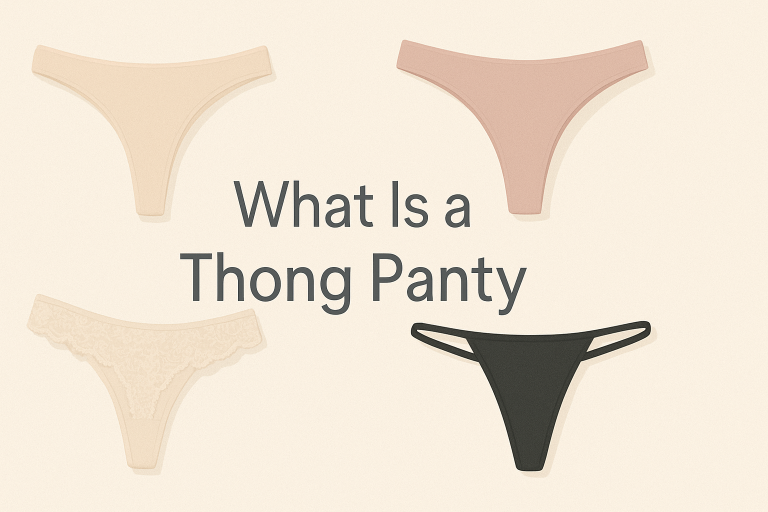
Daily thong wear is safe for most women when the thong fits correctly, meaning the waistband passes the two-finger test and the fabric is primarily cotton. The concern with thongs is the narrow rear panel, which can transfer E. coli from the anal region toward the vaginal vestibule and urethra with normal movement. A 2017 review in the Journal of Lower Genital Tract Disease found no statistically significant increase in UTI or BV rates in thong wearers compared to brief wearers when fit and hygiene practices were controlled. The critical variable is fit and fabric, not style.
Does tight underwear affect fertility?
There is no peer-reviewed evidence that tight underwear affects female fertility directly. The thermal and compression concerns about male fertility from tight underwear (specifically elevated scrotal temperature) do not apply to female reproductive anatomy, as the ovaries and uterus are internal and insulated from external temperature changes. The ACOG does not list undergarment tightness as a fertility risk factor for women. The primary female reproductive concern remains the vaginal microbiome disruption and infection risk described earlier, which affects sexual and urinary health rather than fertility specifically.
What is the healthiest type of everyday underwear?
The American College of Obstetricians and Gynecologists recommends 100 percent cotton or cotton-gusseted underwear in the correct hip-measured size as the healthiest everyday choice. The cotton gusset is the critical element: a nylon garment with a cotton gusset provides the breathability benefit directly at the vulvar contact point. Modal and bamboo-viscose fabrics are acceptable alternatives, as both absorb moisture and allow airflow at rates comparable to cotton. The cut matters secondarily: mid-rise or hipster cuts avoid abdominal and bladder compression while providing adequate coverage for most daily activities. Cotton-gusseted underwear in any cut is a practical starting point for women whose primary concern is vaginal health.
Can tight underwear cause lower back pain?
Tight waistbands can contribute to lower back discomfort through two mechanisms. First, a constricting waistband alters the natural lumbar curve by creating a circumferential pressure point that subtly changes standing posture and restricts trunk rotation. Second, inguinal nerve compression from tight leg bands or waistbands produces referred pain patterns that radiate into the lower back and buttocks, a phenomenon documented in meralgia paresthetica case reports in Muscle and Nerve. The lower back pain resolves when the compressive garment is removed, distinguishing it from structural causes of back pain that persist regardless of clothing.
Protecting your health from tight underwear starts with one measurement and one size change, both of which take less than 10 minutes. Measure your hip circumference at its fullest point, compare the result to your current size label, and replace any garment that fails the two-finger waistband test with a correctly sized, cotton or modal option in a cut that positions the waistband away from your most affected body area. Every health effect covered in this article, from yeast infections and nerve compression to digestive symptoms and skin damage, is either eliminated or substantially reduced by that single corrective action.



3 Comments